
Lagenandra ovata
Lagenandra ovata
17 views
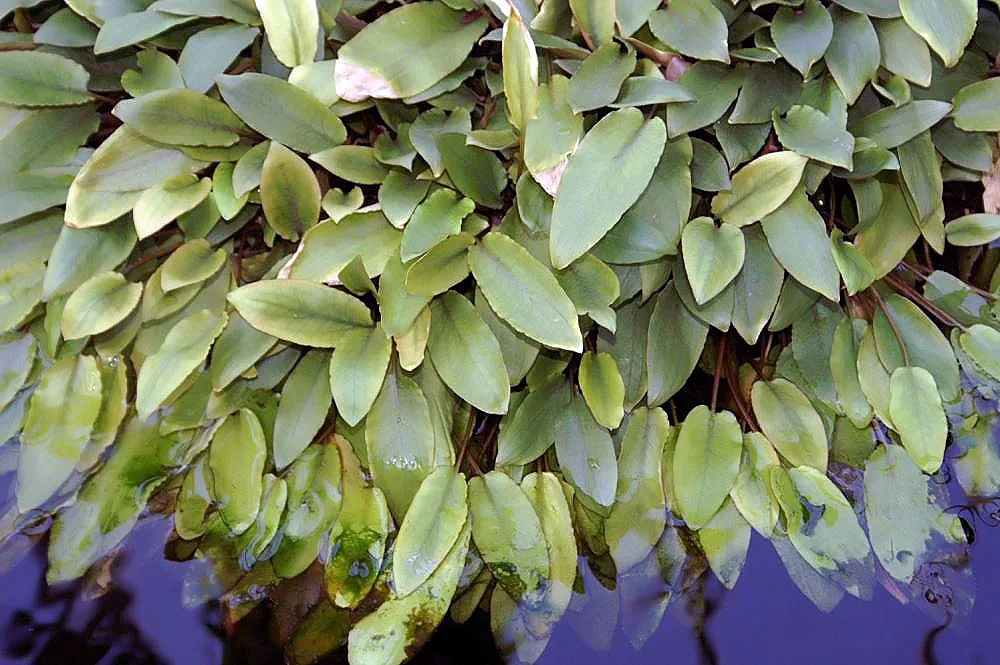
A large rosette with tough, often waved leaves. It grows slowly, wants half-shade, and a free rhizome.
2 min read · 226 words
Care profile
The care profile is backed by one source.
Lighting
Low lightThe profile says low light.
CO₂
Low CO₂Added CO₂ is stored as helpful, not mandatory.
Growth rate
SlowThe profile describes slow growth.
Nutrient demand
LowNutrient demand is low.
Beginner friendly
ModerateThe published judgement sits between easy and demanding.
- Rhizome
Placement in the aquarium
Only the stored position or growth form is highlighted, not every possible layout.
- Background
Home & range
Every named country gets a frame and a circle around known waters in or near that area. Hotspots are orientation, not collection sites. A filled area is the range only when the source names a particular water body.
Botanical overview
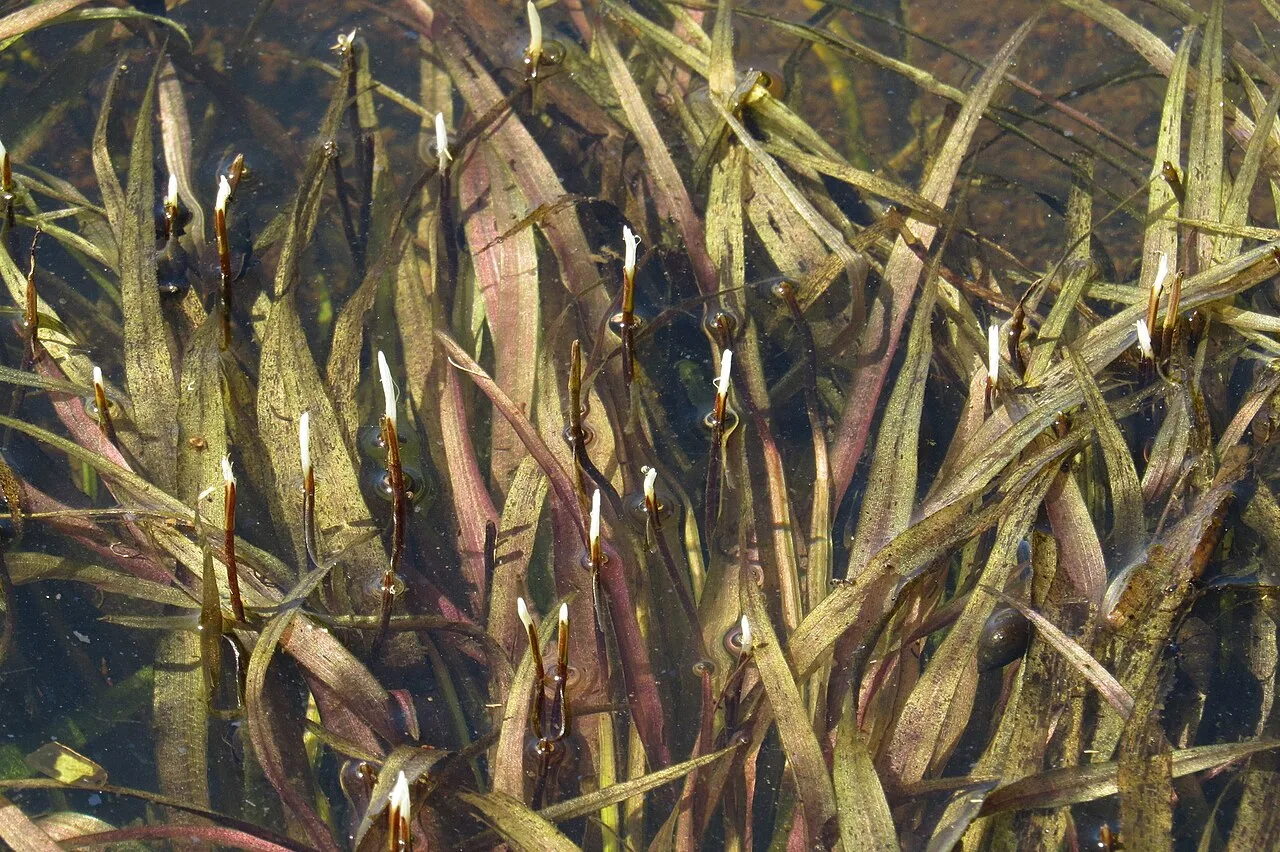
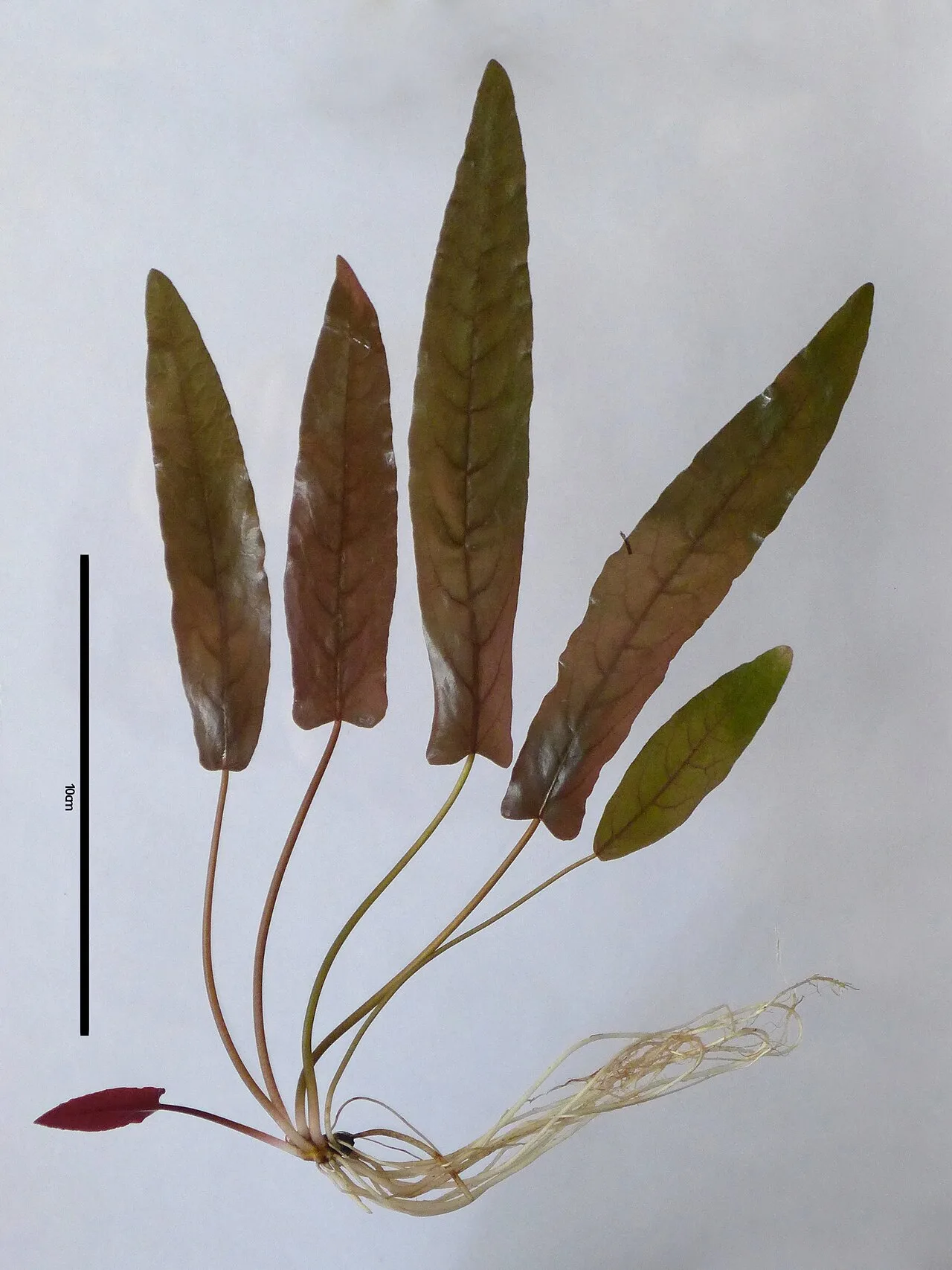
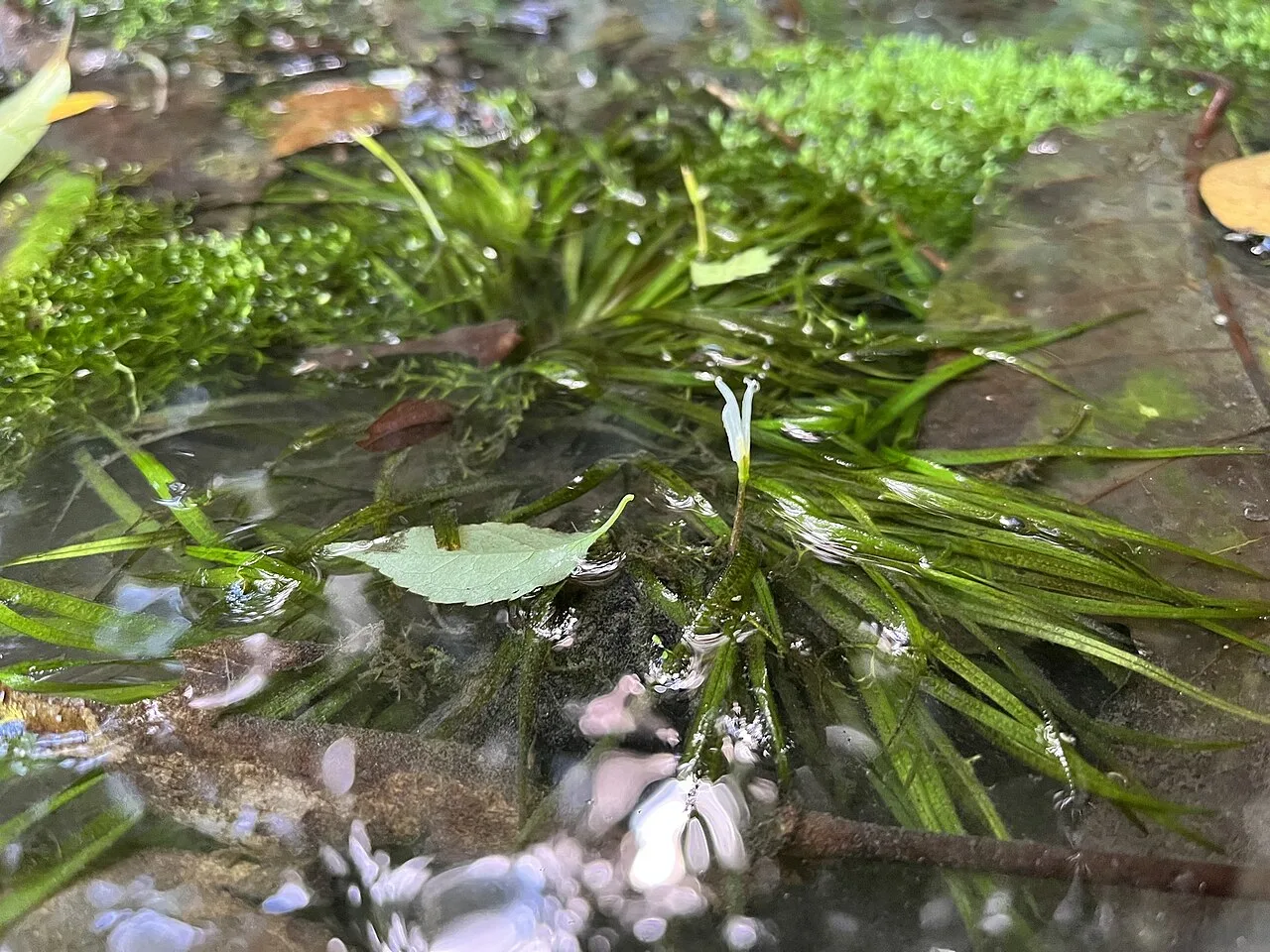
Lagenandra ovata sends a creeping rhizome and long, egg-shaped to lanceolate leaves that can be waved at the margin. Grown out, the plant becomes clearly larger than Lagenandra meeboldii and fills the midground of a small tank on its own. The leaves are firm. Plant-eating fish rasp the new growth sooner than the old blades.
It does not drop all its leaves after every water change the way a crypt does. A buried rhizome still rots.
Natural origin
This describes the origin, not how to furnish the aquarium.
Shaded stream banks and swamps in India and Sri Lanka. The countries stay a coarse origin. Half-shade and a quiet place fit better than the glaring middle under the lamp.
Light, CO₂ and position
Place
Low to medium light, CO₂ helpful, 22 to 28 °C. Rhizome shallow, only the roots in the substrate. Midground or background, with room for the leaves. Set it once and leave it. For the first months little shows.
Not the glaring zone
Under a strong lamp without cover, algae settle on the large leaves and stay there.
Growth and trimming
Cut old, holed leaves at the rhizome. Do not pull the centre apart. Fertiliser in the water column and in the substrate is taken up. The plant rarely starves. Yellow leaves are often old leaves or a seat that is too deep.
Propagation
Separate rhizome pieces with at least one leaf, better outside the tank, and rinse the cut. Propagation is slow.
More species in this group

Sources & assertions 1
Wikipedia (deutsch)
Texte in Aquarisma sind eigenständig formuliert. Zahlenbereiche folgen den verlinkten Wikipedia-Artikeln, Lizenz CC BY-SA.
- Haltungsbereich nach https://de.wikipedia.org/wiki/Lagenandra_ovata