
Downoi
Pogostemon helferi
16 views
A star-shaped rosette from Thailand and Myanmar. The type locality is Sangkhla Buri. An extension to the Indian Himalaya is disputed.
3 min read · 349 words
Care profile
The care profile is backed by one source.
Lighting
High lightThe profile says high light.
CO₂
High CO₂Added CO₂ is part of the described culture.
Growth rate
MediumThe profile describes moderate growth.
Nutrient demand
HighNutrient demand is high.
Beginner friendly
AdvancedThe published judgement is demanding.
Placement in the aquarium
Only the stored position or growth form is highlighted, not every possible layout.
- Foreground
Home & range
Every named country gets a frame and a circle around known waters in or near that area. Hotspots are orientation, not collection sites. A filled area is the range only when the source names a particular water body.
Coarse origin
The circle sits around the country or, a little wider, around known waters there. The points are orientation, not collection sites.
- Thailand Coarse region of origin
- Myanmar Coarse region of origin
Botanical overview
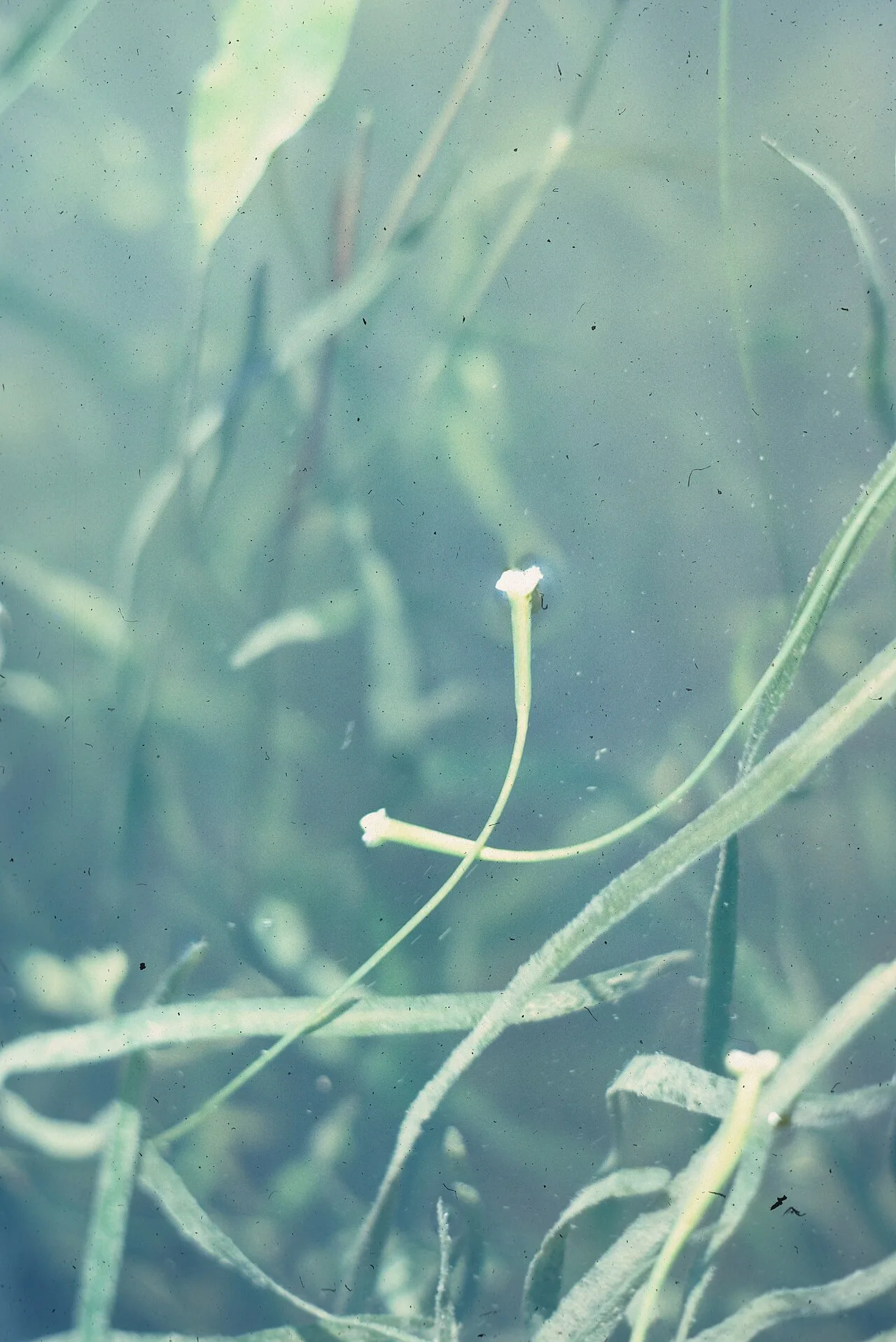
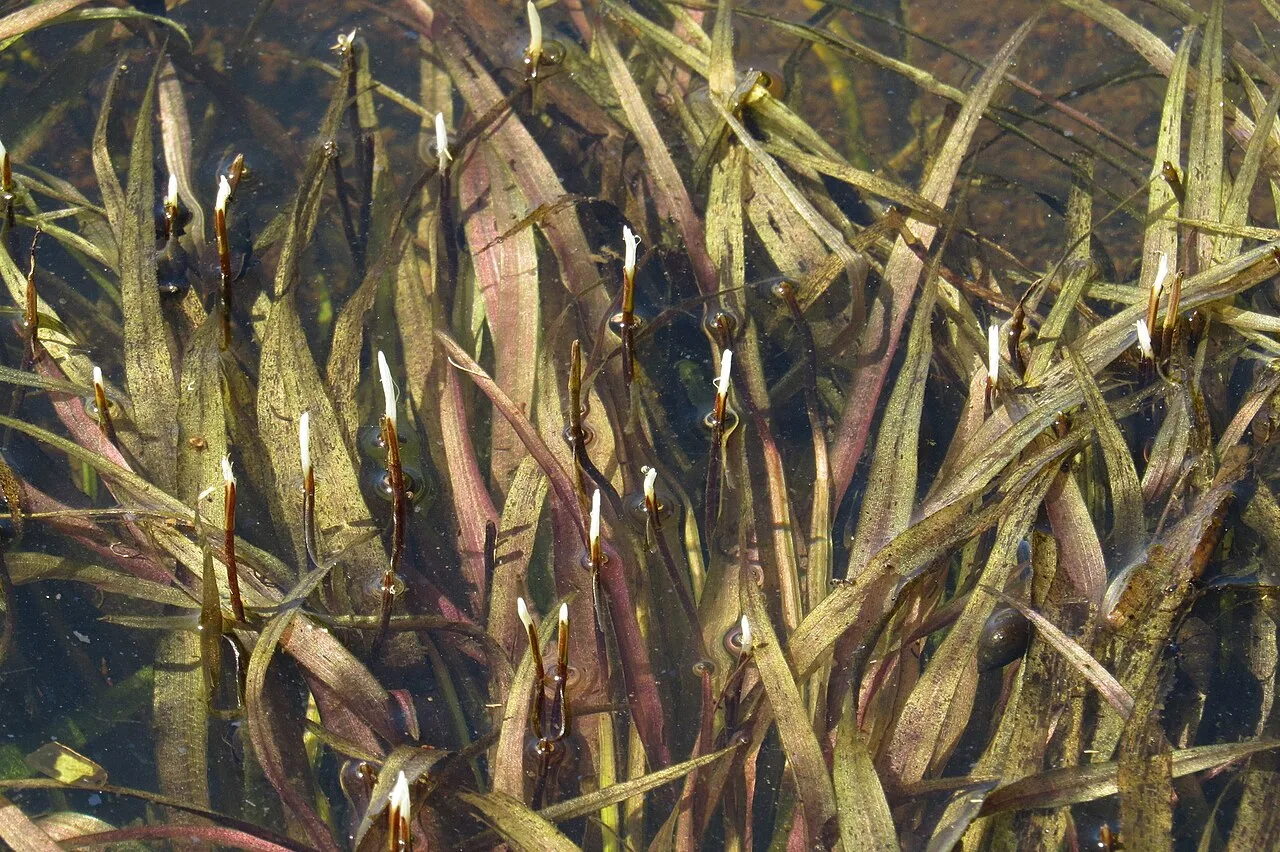
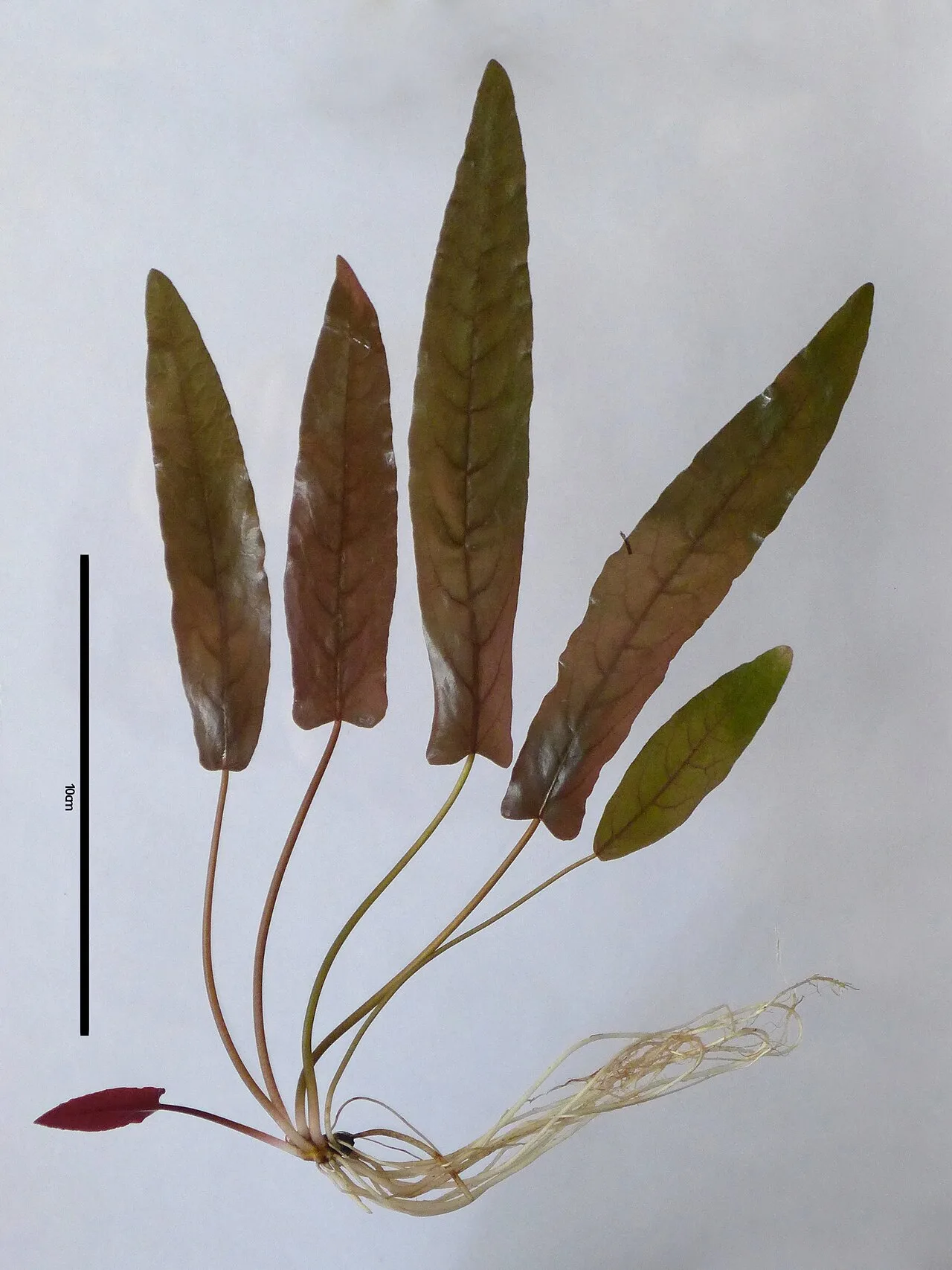
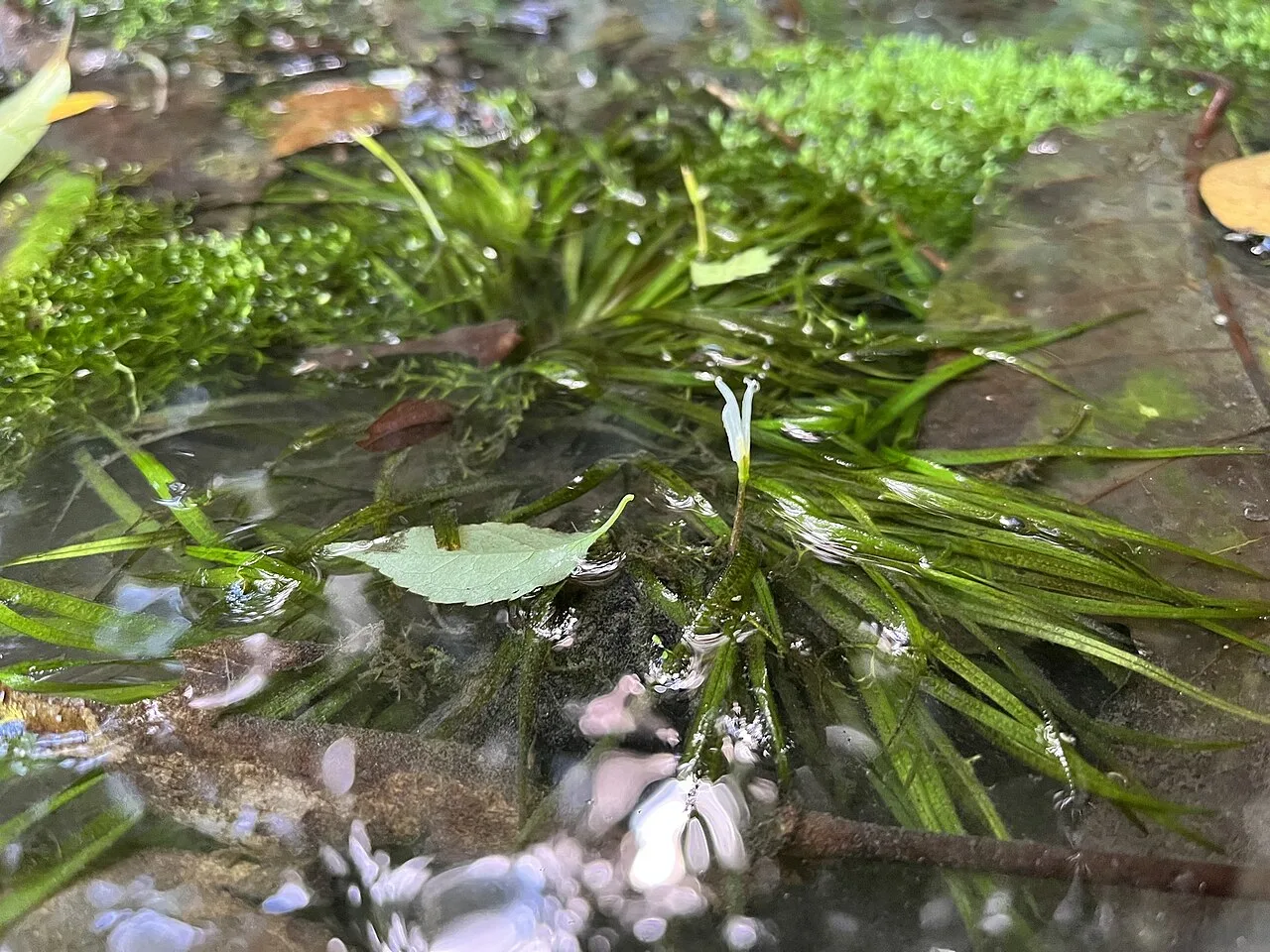
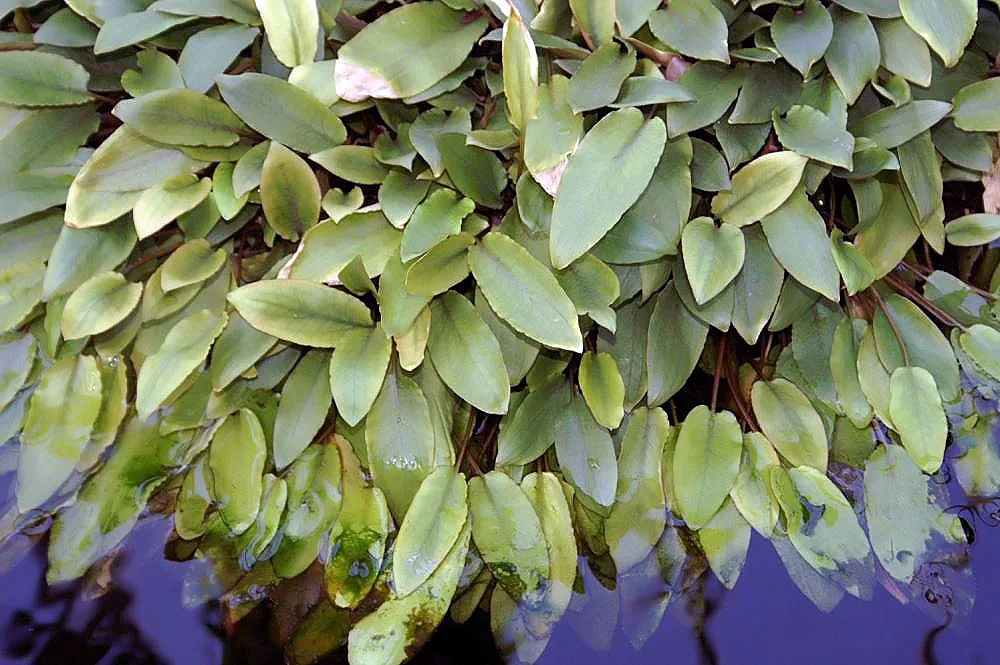
Pogostemon helferi is called dao-noi in Thai, little star. The leaves are dimorphic. Emersed leaves are less durable than submerged ones. The epidermis cells are irregular. Most trade stock is taken from the wild. There is no German species page. “Kleines Fettblatt” is the German trade name. The German page Fettblatt is a different plant and is not used.
Natural origin
This describes the origin, not how to furnish the aquarium.
The type locality is Sangkhla Buri district, Kanchanaburi, Thailand. A 2005 survey found the species in north, north-east, east and west Thailand. A 2007 survey found it only in Kanchanaburi province near Myanmar. A 2024 review extends the range to the Indian Himalayan region. Those three statements stay side by side. India is not added as a settled country. Thailand and Myanmar remain the coarse origin. Because of trade demand, wild populations are declining, up to local disappearance.
Light, CO₂ and position
Temperature, light and CO₂ are not in the article. The older scale of high light, high CO₂ and 22–28 °C remains the previous sheet.
A star only with light
Downoi stays a flat, star-shaped rosette only under strong light and with CO₂. If the light is missing, the shoot stretches and the rosette becomes a small stem. Then it is no longer a foreground plant. It is a hint about the place.
Set each rosette on its own, not the contents of the pot as a carpet lump. Otherwise the plants shade each other and stretch for exactly that reason.
Growth and trimming
A pruning guide is missing. The emersed form is less durable. That explains losses after planting as a change of leaf form, not automatically as disease.
Further care
Tissue culture and hydroponics for propagation outside the habitat are described in 2016. Production value is given as 252,000 baht, annual demand as more than 500,000 baht. Those are trade figures, not fertiliser.
Propagation
Side shoots are the previous profile statement.
Side shoots
Side shoots with a small rosette of their own are separated and replanted. The mother stays as long as she is flat. A stretched plant does not get prettier by being fertilised. It is moved to a brighter place or replaced by a daughter that is still flat.
More species in this group
Sources & assertions 1
Wikipedia (deutsch)
Texte in Aquarisma sind eigenständig formuliert. Zahlenbereiche folgen den verlinkten Wikipedia-Artikeln, Lizenz CC BY-SA.
- Haltungsbereich nach https://en.wikipedia.org/wiki/Pogostemon_helferi