
Tiger lotus
Nymphaea lotus
15 views
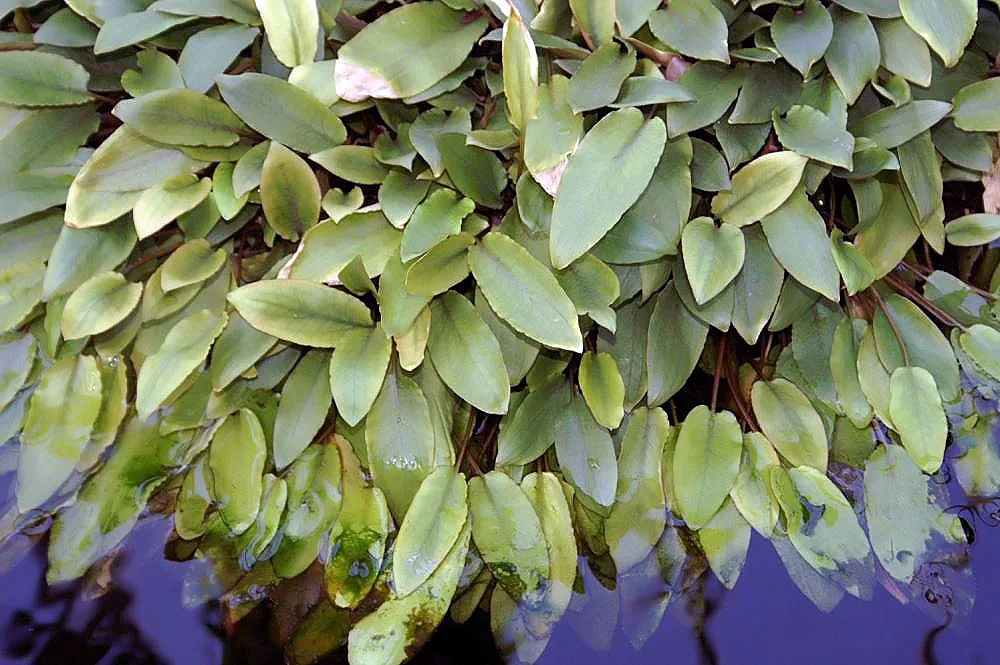
A bulb plant with large, spotted underwater leaves and occasional floating leaves. It becomes a specimen, not background mass.
2 min read · 336 words
Care profile
The care profile is backed by one source.
Lighting
High lightThe profile says high light.
CO₂
Medium CO₂Added CO₂ is recommended for the described growth.
Growth rate
MediumThe profile describes moderate growth.
Nutrient demand
HighNutrient demand is high.
Beginner friendly
ModerateThe published judgement sits between easy and demanding.
- The bulb must not be injured.
Placement in the aquarium
Only the stored position or growth form is highlighted, not every possible layout.
- Midground
Home & range
Every named country gets a frame and a circle around known waters in or near that area. Hotspots are orientation, not collection sites. A filled area is the range only when the source names a particular water body.
Botanical overview
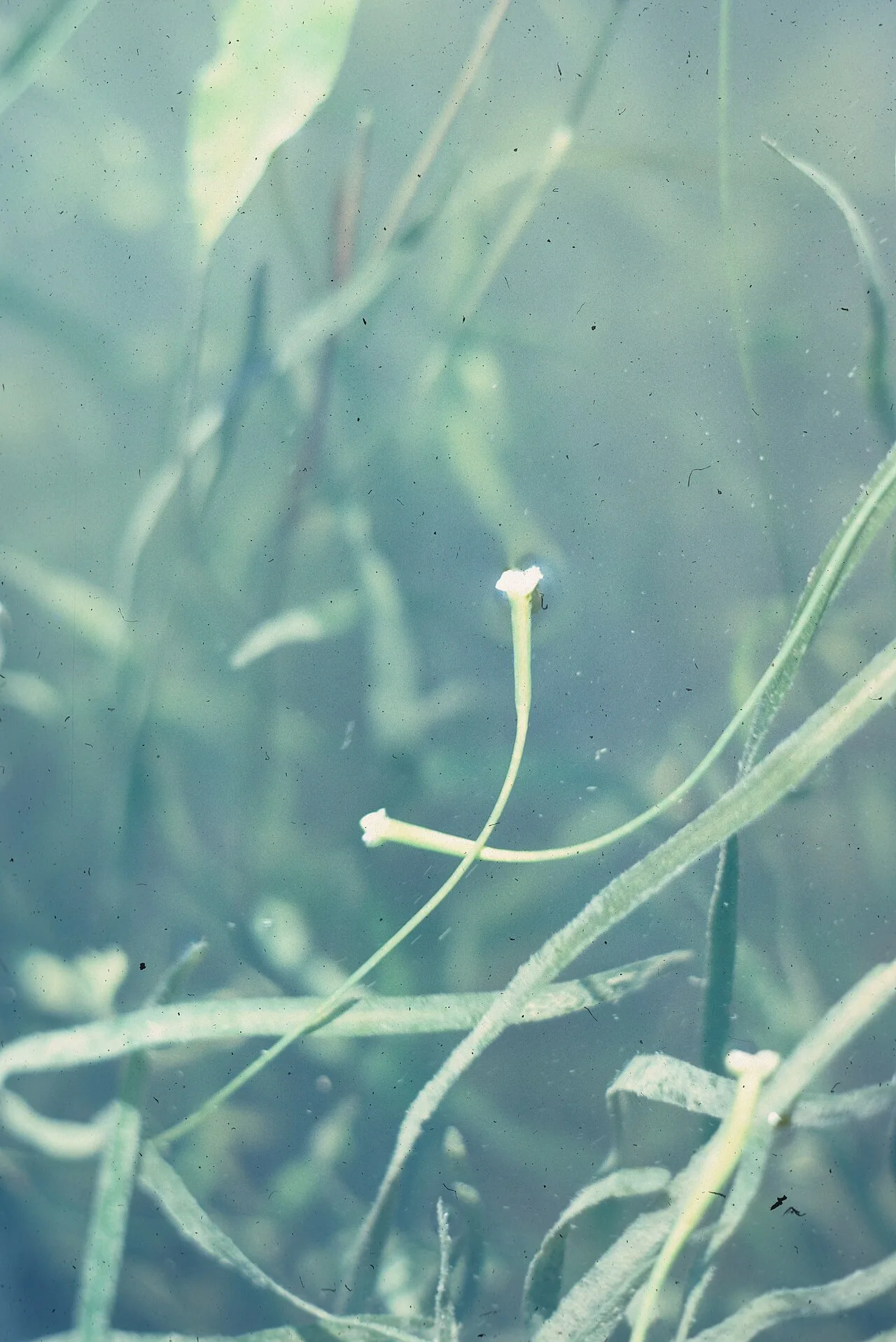
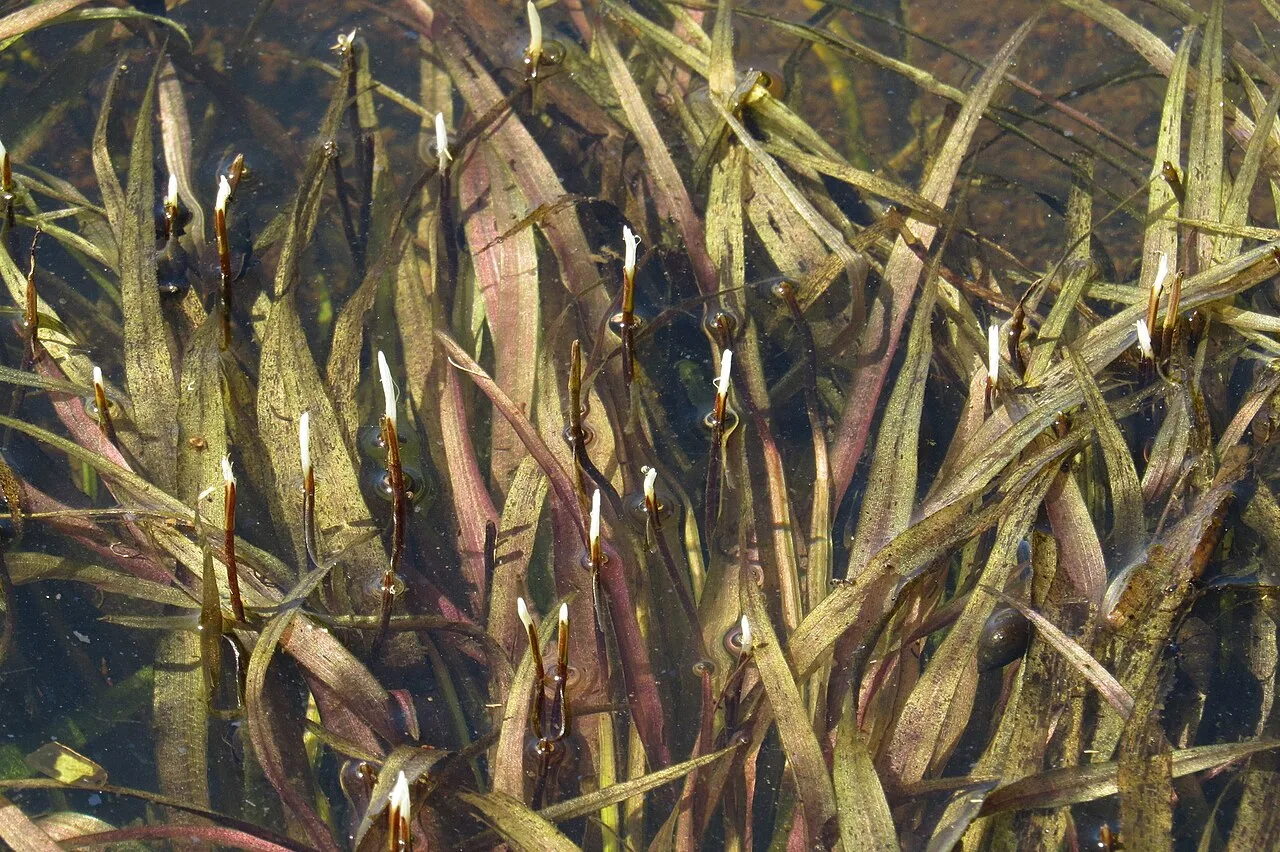
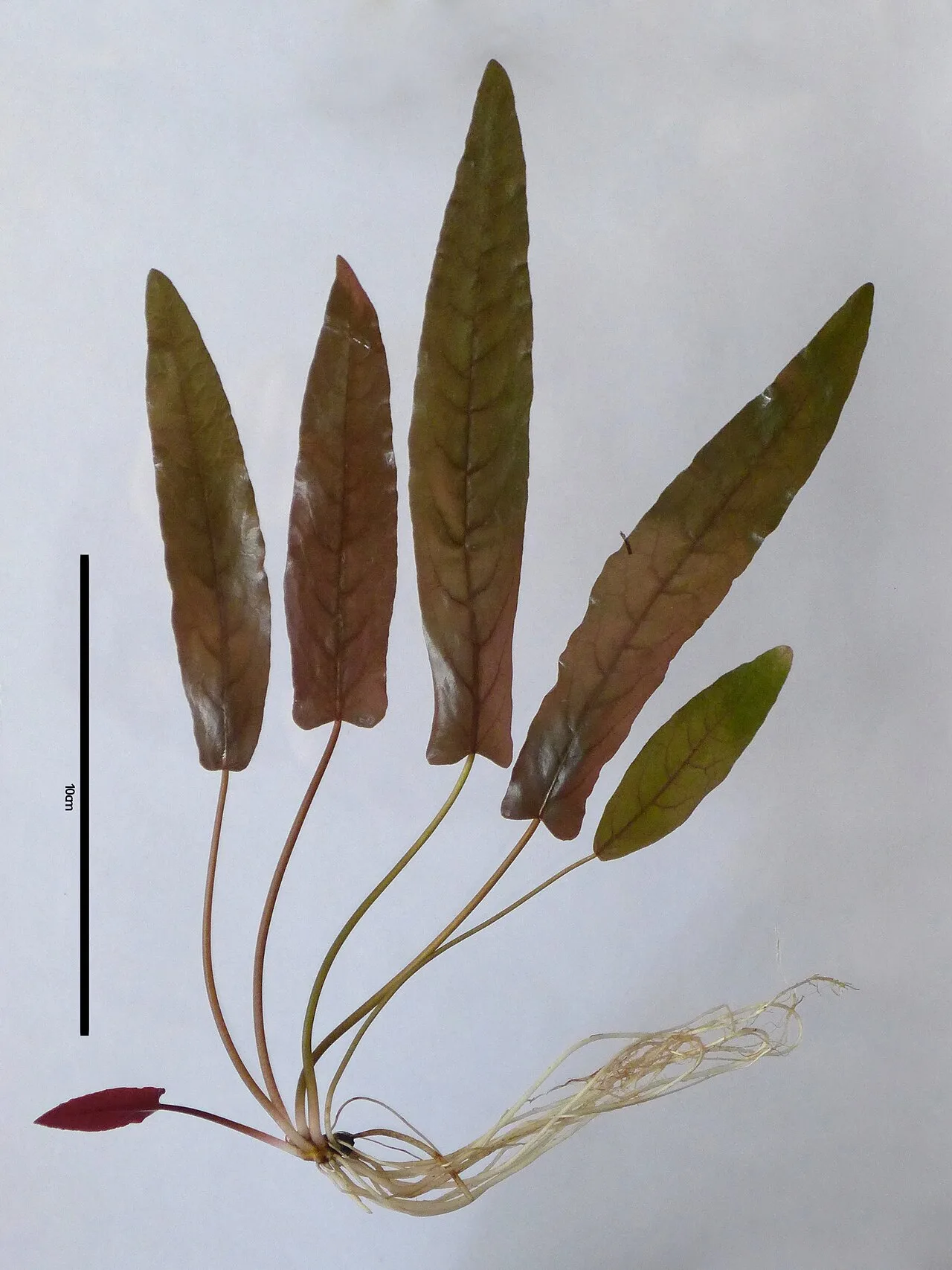
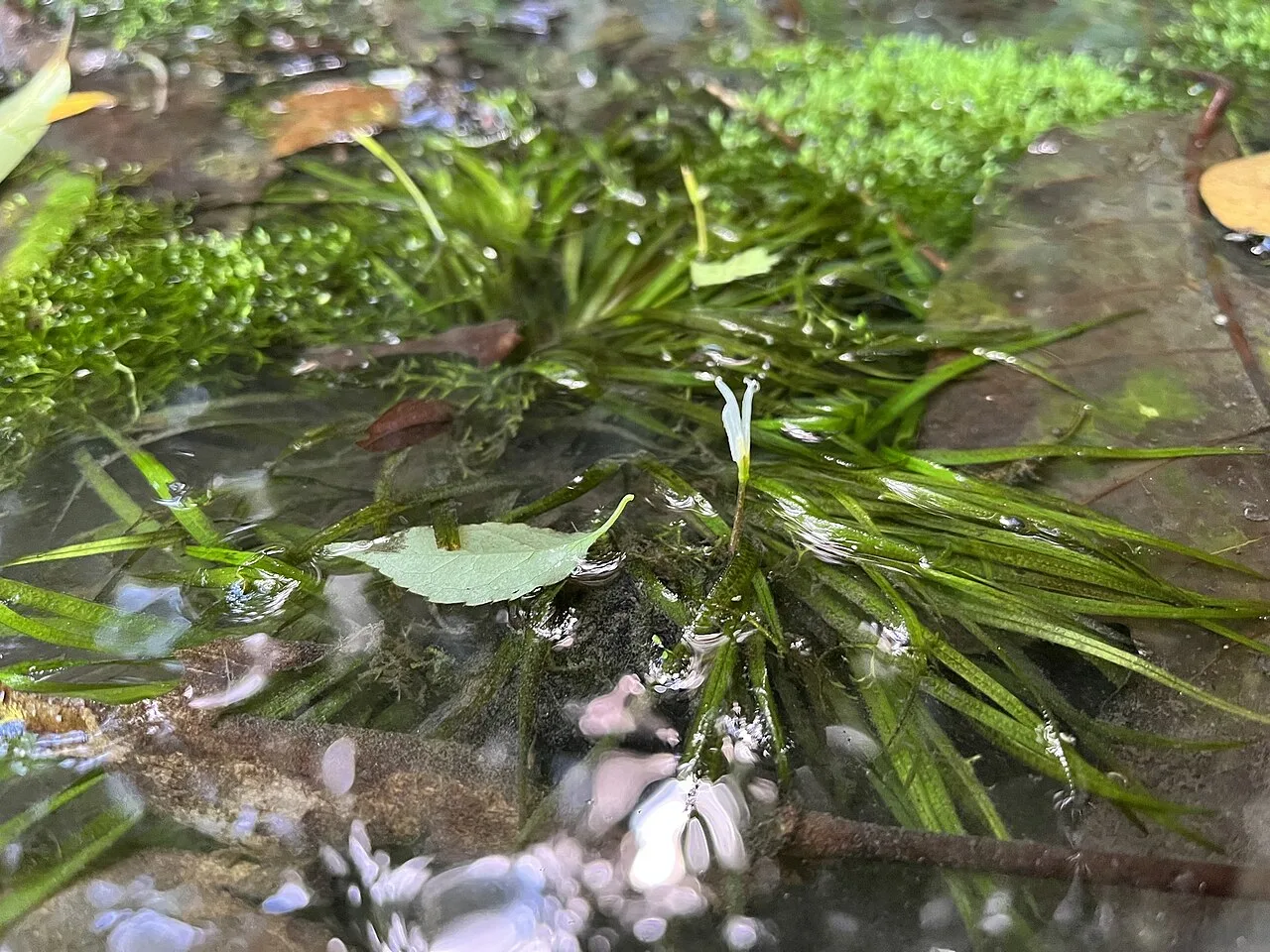
Nymphaea lotus sends from a bulb first arrow-shaped, often red-brown spotted underwater leaves and later round floating leaves. The red and the green form are colour variants, not separate species. A flower is possible if a floating leaf reaches the surface and the tank is open enough. The bulb is the organ that carries the plant through poor weeks.
A tiger lotus in a 60-litre tank lays its leaves over every other plant. The species needs an open area and a decision about which leaves stay.
Natural origin
This describes the origin, not how to furnish the aquarium.
Still, warm, nutrient-rich waters in Africa, in the shallows with a mud bottom. The bulb sits firm, the leaves seek the light. Africa stays the coarse origin. The aquarium plants are captive-bred throughout.
Light, CO₂ and position
Planting
Medium to high light, CO₂ helpful, 22 to 28 °C. Set the bulb only halfway into the substrate, the growing tip free. A bulb set too deep rots. Fertiliser capsules in the root zone, not on the bulb. Choose the place for good. Moving it interrupts the sequence of leaves.
Floating leaves
Floating leaves shade the tank. Anyone who wants to keep the underwater form cuts the floating leaves off as soon as they reach the surface and keeps the light high. Sooner or later the plant still heads upward again. That is its strategy, not a culture error.
Growth and trimming
Cut old, holed or algae-covered leaves at the stalk just above the bulb. Do not pull on the stalks. The bulb must not be injured. With good nutrition a new leaf comes every one or two weeks.\n\nYellow leaves with an otherwise firm tip are often spent old leaves. A soft, smelling bulb is rot. Then save the parts that are still firm and remove the mush.
Propagation
Daughter bulbs on the rootstock are taken off when they have their own leaves. Seed from a flower is possible and slow. The practical propagation is the daughter bulb. A bulb without a leaf that is still firm is set shallow again, and then one waits.
More species in this group
Sources & assertions 1
Wikipedia (deutsch)
Texte in Aquarisma sind eigenständig formuliert. Zahlenbereiche folgen den verlinkten Wikipedia-Artikeln, Lizenz CC BY-SA.
- Haltungsbereich nach https://de.wikipedia.org/wiki/Nymphaea_lotus