
Brazilian micro sword
Lilaeopsis brasiliensis
17 views
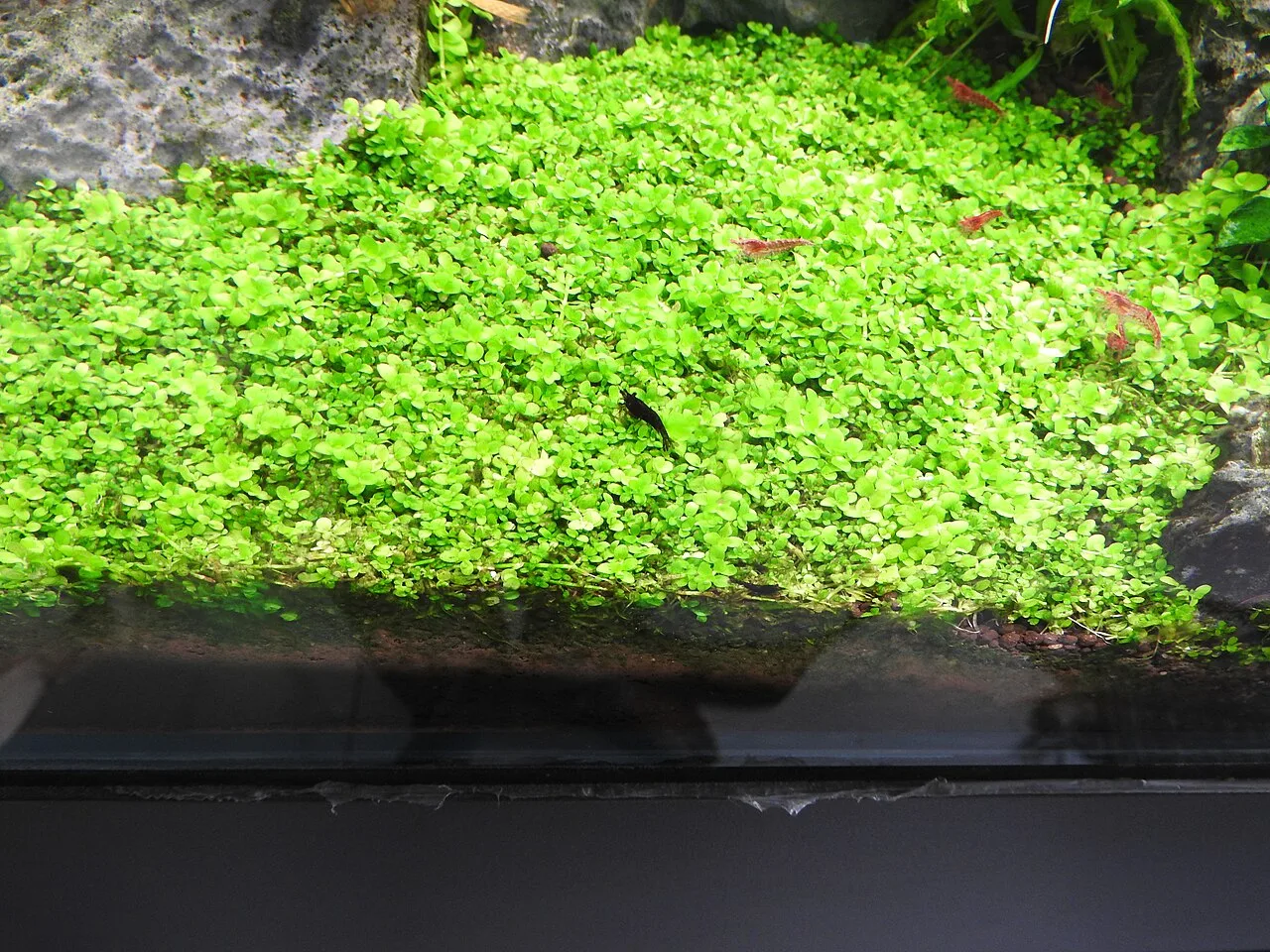
A grass-like ground cover from the Americas. A lawn is made from many small portions, not from one pot in the middle.
2 min read · 296 words
Care profile
The care profile is backed by one source.
Lighting
High lightThe profile says high light.
CO₂
High CO₂Added CO₂ is part of the described culture.
Growth rate
MediumThe profile describes moderate growth.
Nutrient demand
MediumNutrient demand is moderate.
Beginner friendly
ModerateThe published judgement sits between easy and demanding.
- Rhizome
- Runners
Placement in the aquarium
Only the stored position or growth form is highlighted, not every possible layout.
- Foreground
- Ground cover
Home & range
Every named country gets a frame and a circle around known waters in or near that area. Hotspots are orientation, not collection sites. A filled area is the range only when the source names a particular water body.
Botanical overview
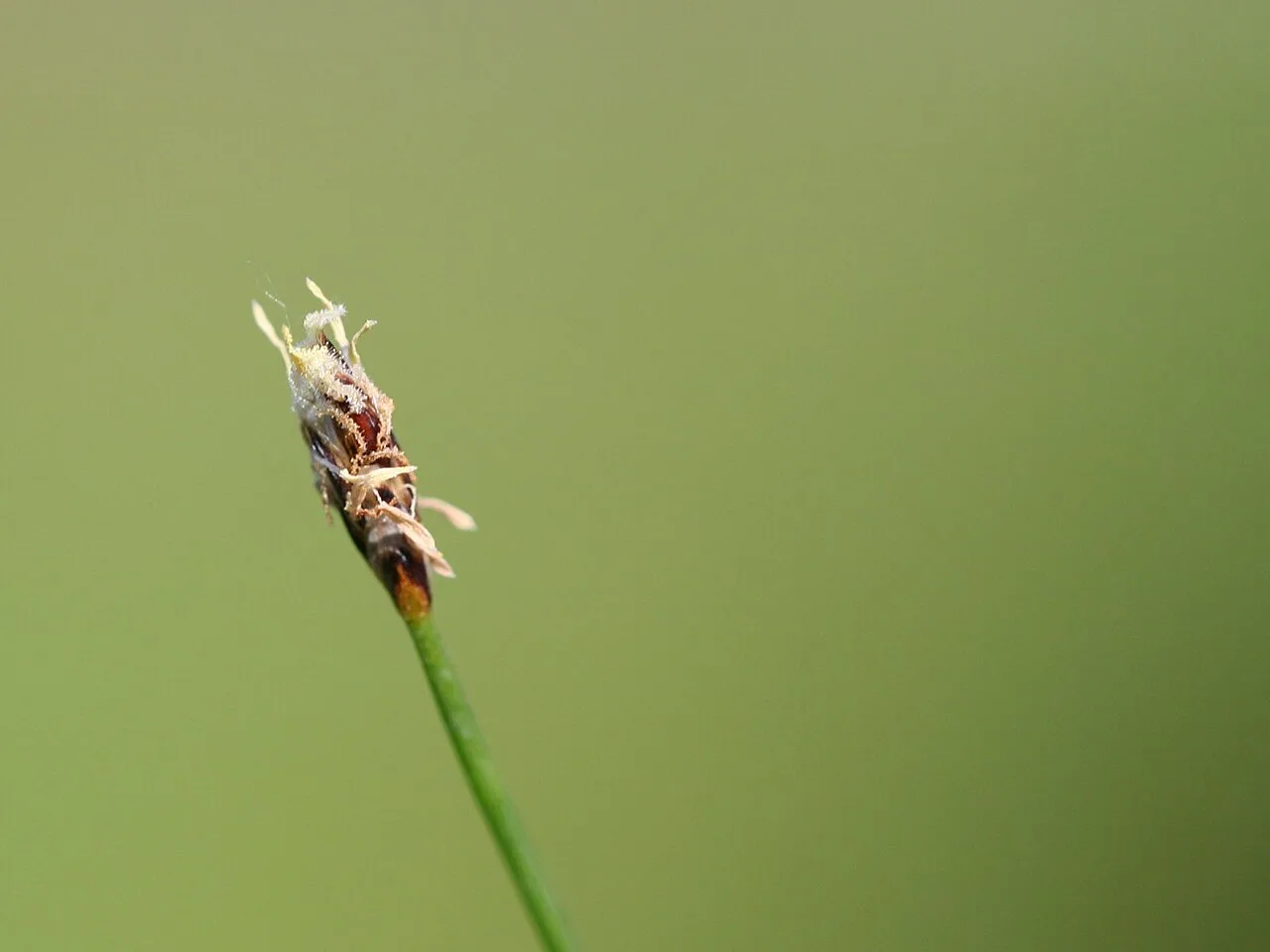
Lilaeopsis brasiliensis sends narrow, pale green leaves from a creeping rhizome. With strong light the height stays at a few centimetres. When the light is missing it rises into a loose tuft of grass. The species is not Eleocharis acicularis. Hairgrass is finer and needle-like. Lilaeopsis has a recognisable flat blade.
In the pot the plant usually sits as a dense mat in rock wool. That mat is divided. A whole cushion rots from below.
Natural origin
This describes the origin, not how to furnish the aquarium.
Shallow banks and swamps in South America, bright and at times flooded. The plant is used to switching between emersed and submerged. In the aquarium it stays submerged if light and substrate are right. South America stays the coarse origin.
Light, CO₂ and position
Lawn
High light, CO₂ recommended, 20 to 28 °C, a nutrient-rich substrate. Set small tufts with tweezers about two centimetres apart. Keep the area free of tall plants beforehand. Two to three months of patience until the runners close.
Without CO₂
The plant survives in medium light without CO₂, but stays taller and gappier. Anyone who wants a short lawn does not get around light and CO₂. A one-off dose of iron does not replace that.
Growth and trimming
Leaves that are too tall are cut like a lawn, not plucked one by one. The cut comes when the area has already closed. Before that it would only weaken the few shoots. Yellow patches are removed together with the piece of rhizome and replaced by a runner from the edge.\n\nSiphon mulm from between the blades at the water change. Otherwise the lawn turns brown from below while the tips are still green.
Propagation
Separate runners with roots and set them into the gaps. That is the propagation and, at the same time, the way an area becomes dense. Seed plays no role.
More species in this group
Sources & assertions 1
Wikipedia (deutsch)
Texte in Aquarisma sind eigenständig formuliert. Zahlenbereiche folgen den verlinkten Wikipedia-Artikeln, Lizenz CC BY-SA.
- Haltungsbereich nach https://de.wikipedia.org/wiki/Lilaeopsis_brasiliensis