Creeping rush
Juncus repens
30 views
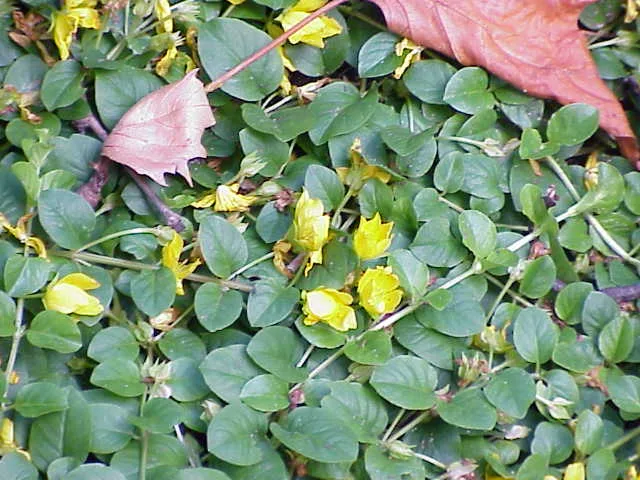
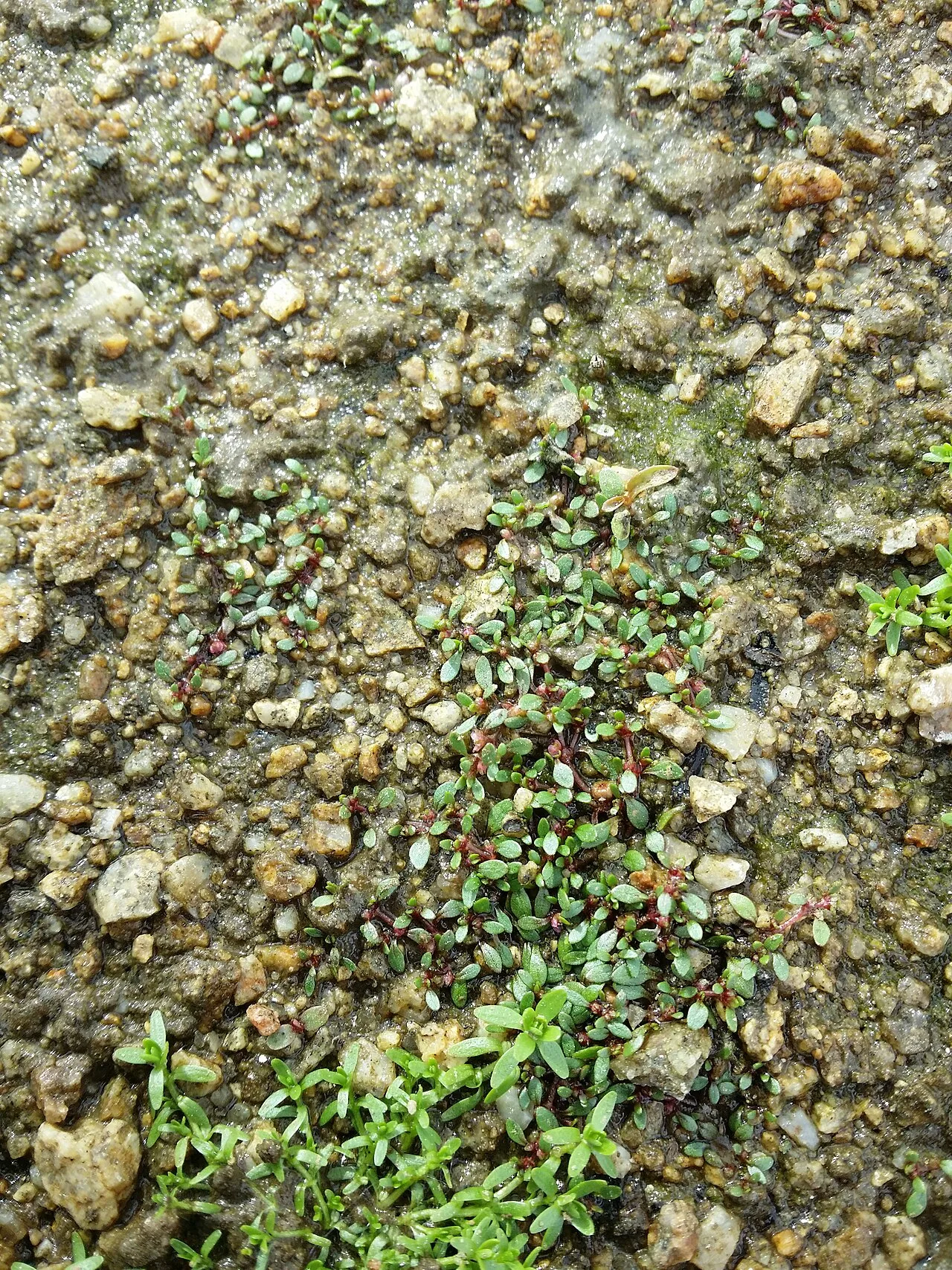
A grass-like plant that creeps on the bottom or stands upright as a lawn. Under strong light the shoots stay short and can become reddish.
- Temperature
- 18 – 26 °C
- pH
- 6 – 7.5 pH
- Lighting
- High light
- CO₂
- Medium CO₂
- Growth rate
- Medium
- Placement
- Foreground
2 min read · 270 words
Care profile
Growth form
Ground coverPlanting and propagation
- Rhizome The creeping rhizome stays free above the substrate. Buried, it rots.
- Runners Forms runners in the substrate that grow into new plants. Separate them once they have their own roots.
Placement in the aquarium
Highlighted are the areas where the species is typically used.
- Foreground At the front of the tank, where the plant stays low and keeps the view open.
- Ground cover Spreads flat over the ground and can form a closed lawn.
Home & range
Hatched countries are where the species occurs. It lives in particular waters there, not across the whole country. The points name known waters for orientation, not collection sites.
- Country of origin
- Water for orientation
Native
Botanical overview
Juncus repens sends thin, rush-like blades that root at the nodes. With a lot of light and CO₂ the growth stays low and the tips redden. In shade the blades rise and the plant becomes a loose bush. It is not hairgrass and not Lilaeopsis. The blades are rounder and tougher.
A pot is a tangle. It is divided into small pieces. As a lump it lifts off the substrate.
Natural origin
This describes the origin, not how to furnish the aquarium.
Shallow banks and swamps in the south-eastern United States, bright and at times flooded. The origin stays coarse. The low form is light, not a guarantee of the label.
Light, CO₂ and position
Lawn or bush
High light, CO₂ recommended, 18 to 26 °C, a nutrient-rich substrate. Set it in the foreground with a gap, free of floating plants, if a carpet is wanted. Without CO₂ it often survives as a taller grass. It tolerates cooler tanks better than many tropical stems.
Trim
Upright blades are shortened or replanted as soon as the area grows upward. Under a row of Vallisneria it does not stay short.
Layout and neighbours
Creeping rush forms fan-like green shoots that spread in the midground. It looks like a grass and tolerates cooler water.
Common mistakes
Too little light: loose, long growth.
Growth and trimming
Remove yellow patches together with the piece of rhizome and replace them with a runner from the edge. Siphon mulm from between the blades. The plant takes food in the substrate well. A fertiliser given only into the water reaches the creeping form less well.
Propagation
Replant pieces with roots and a few blades. Propagation is the dividing and the trim. Do not release the surplus.