Dwarf Amazon sword
Echinodorus quadricostatus
1 view
A small sword plant that forms a dense, low stand through runners. For the foreground and midground.
- Temperature
- 22 – 28 °C
- pH
- 6 – 7.5 pH
- Lighting
- Medium light
- CO₂
- Low CO₂
- Growth rate
- Medium
- Placement
- Foreground
1 min read · 151 words
Care profile
Growth form
Ground coverPlanting and propagation
- Runners Forms runners in the substrate that grow into new plants. Separate them once they have their own roots.
Placement in the aquarium
Highlighted are the areas where the species is typically used.
- Foreground At the front of the tank, where the plant stays low and keeps the view open.
- Ground cover Spreads flat over the ground and can form a closed lawn.
Home & range
Hatched countries are where the species occurs. It lives in particular waters there, not across the whole country. The points name known waters for orientation, not collection sites.
- Country of origin
- Water for orientation
Native
Botanical overview
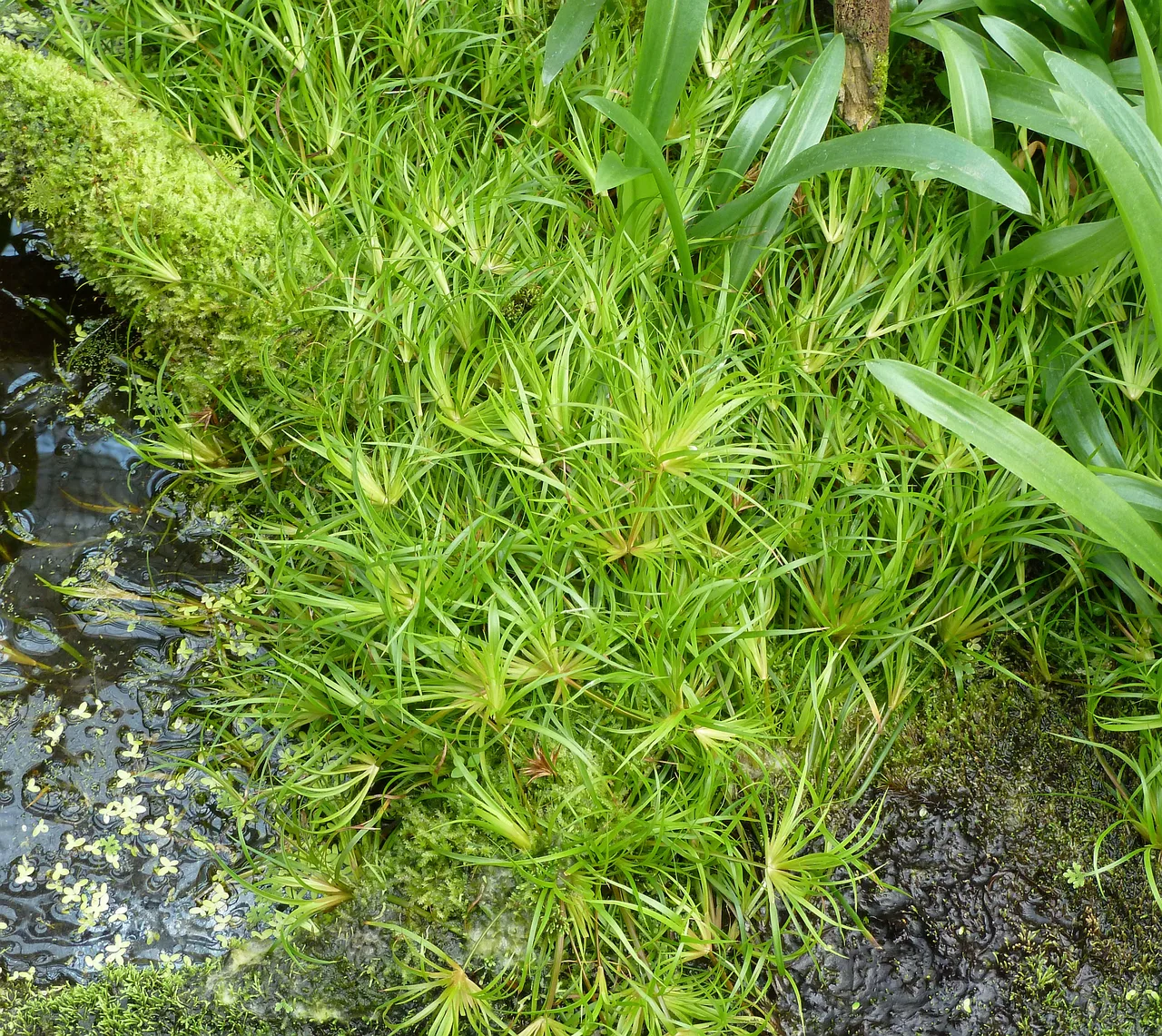
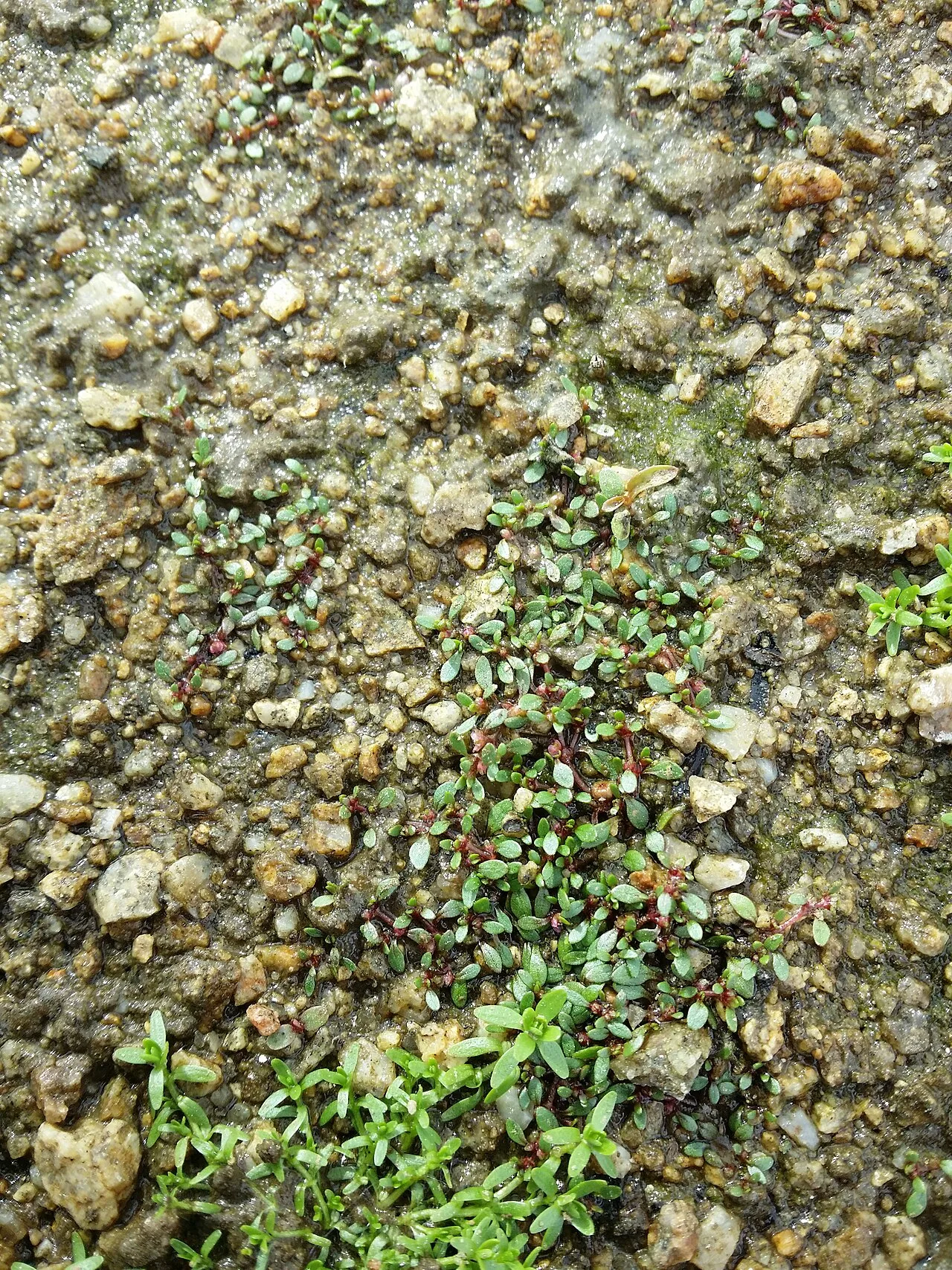
Echinodorus quadricostatus forms small rosettes of narrow, lanceolate, pale green leaves 10 to 15 cm long. Numerous runners create a dense lawn. The plant is larger than Helanthium tenellum and suits the front midground.
In the trade it is often sold as Echinodorus intermedius.
Natural origin
This describes the origin, not how to furnish the aquarium.
The species occurs in Central and South America, from Costa Rica and Panama to Colombia, Venezuela, Peru, Bolivia and Brazil. It grows in clear streams and rivers, often submersed.
Light, CO₂ and position
Light
Medium to high light so it stays low.
Fertiliser
Regular fertilising, a substrate with nutrients.
Position
22 to 28 °C. Foreground to midground.
Layout and neighbours
An easy lawn without needing CO₂. In the front midground it bridges gravel and taller plants. Corydoras like to forage in front of it.
Common mistakes
In very small tanks it grows too tall for the foreground.
Growth and trimming
Runners quickly form new plants. They can be separated so the stand does not grow into other plantings.