
Dwarf sagittaria
Sagittaria subulata
17 views
A grass-like plant for the foreground. The article names 18 to 28 °C for keeping and little dissolved CO₂.
3 min read · 400 words
Care profile
The care profile is backed by one source.
Lighting
Medium lightThe profile says moderate light.
CO₂
Low CO₂Added CO₂ is stored as helpful, not mandatory.
Growth rate
MediumThe profile describes moderate growth.
Nutrient demand
MediumNutrient demand is moderate.
Beginner friendly
Beginner friendlyThe published judgement is suitable for beginners.
- Cuttings
- Runners
Placement in the aquarium
Only the stored position or growth form is highlighted, not every possible layout.
- Foreground
- Ground cover
Home & range
Every named country gets a frame and a circle around known waters in or near that area. Hotspots are orientation, not collection sites. A filled area is the range only when the source names a particular water body.
Coarse origin
The circle sits around the country or, a little wider, around known waters there. The points are orientation, not collection sites.
- United States The article names eastern and southeastern states. The United States are not filled as an outline. Wikipedia deutsch
- Colombia Wikipedia deutsch
- Venezuela Wikipedia deutsch
- United States Coarse region of origin
- Colombia Coarse region of origin
- Venezuela Coarse region of origin
Botanical overview
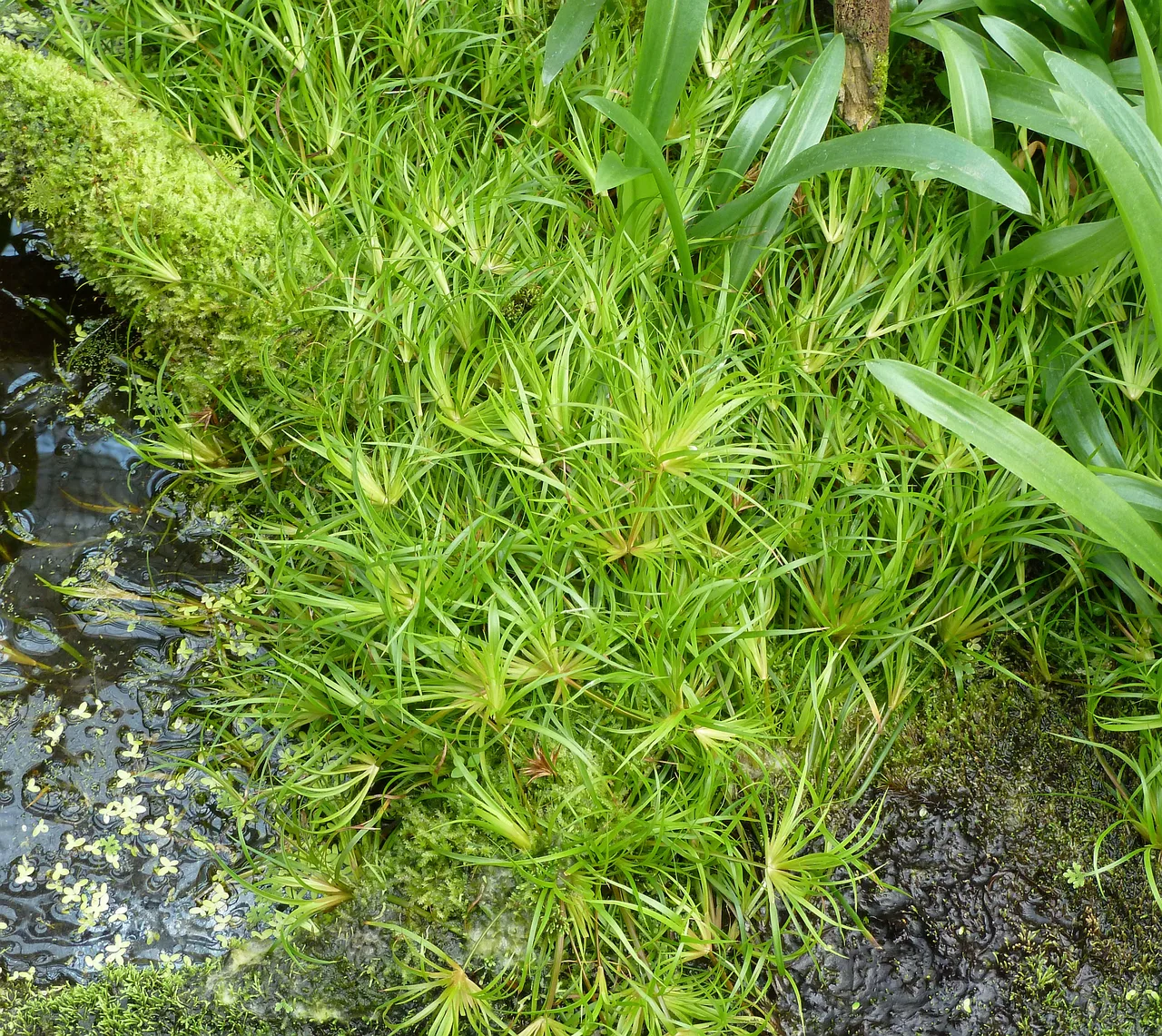
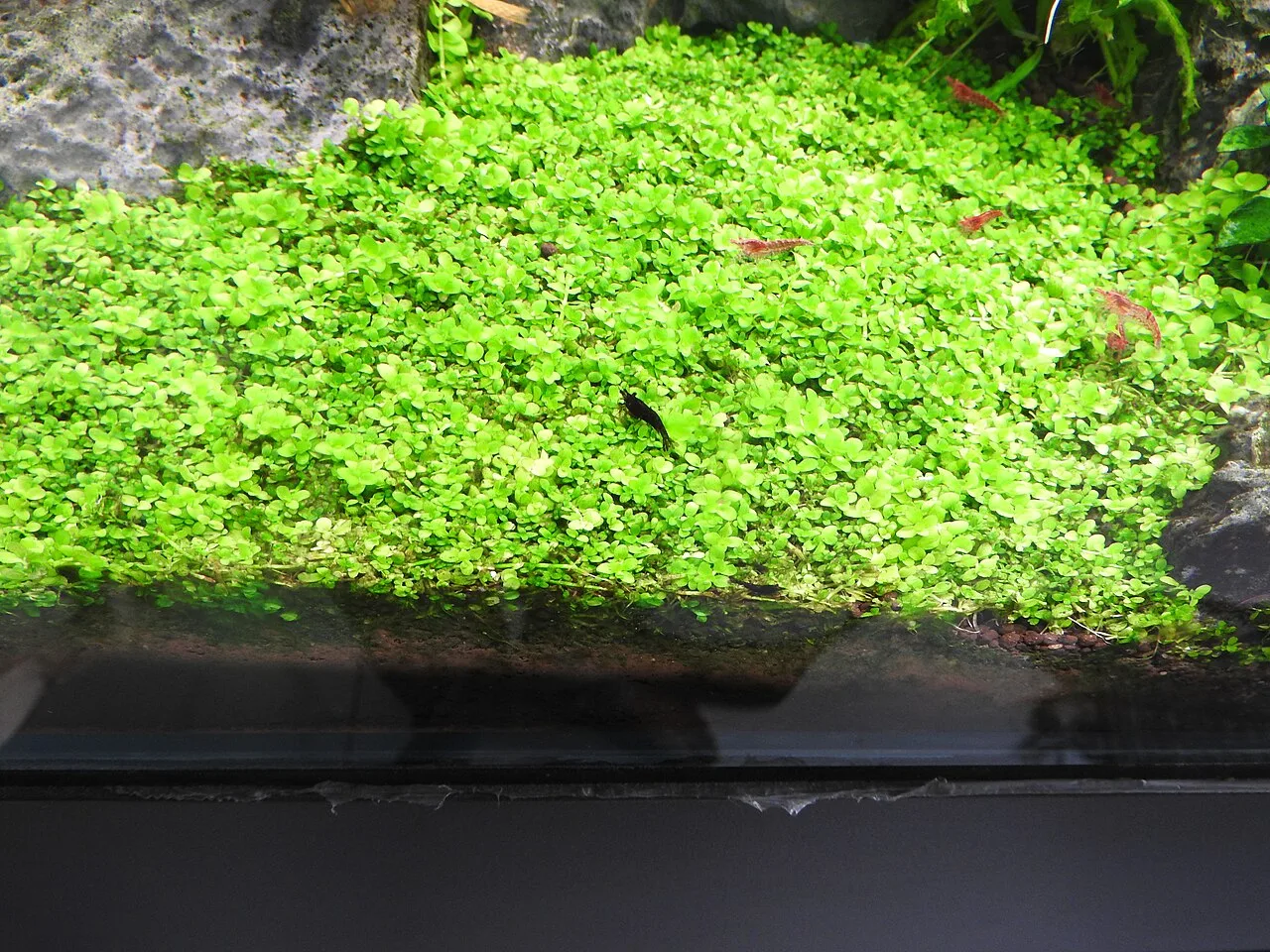
Sagittaria subulata and the selection var. pusilla are common in the trade. Pusilla is wrongly offered as a species Sagittaria pusilla. Under favourable conditions this selection forms a dense lawn about 5 cm high. The nominate form can grow leaves up to 60 cm when it lacks room to spread, and then sits rather in the middle or at the back. Propagation runs by runners.
Natural origin
This describes the origin, not how to furnish the aquarium.
Eastern to southeastern states of the USA and, in South America, from Colombia to northwestern Venezuela. The named US states are not filled as the whole country. It lives in rivers in fresh and brackish water. In Central Europe it is a very rare introduction in the Warme Wuhle near Berlin. That single record is not drawn as a German range.
Light, CO₂ and position
Water that is not too soft. Carbonate hardness 4 to 8, general hardness 10 to 15. Optimum temperature 18 to 28 °C. The older upper limit of 26 °C is replaced. Little dissolved CO₂ is enough. Two milligrams per litre suffice. An extra CO₂ system is therefore not required. Regular partial water changes are said to secure that amount. A light figure and PAR are missing. The scales medium light and low CO₂ stay. The 2 mg/L are the article’s figure, not a dose set here.
Height is light
Dwarf sagittaria stays short on the bottom only with enough light. In shade the leaves grow long and lie over. That is not a different cultivar and not a fault of the substrate alone. More light, less shade from floating plants, and the new shoots stay lower. There is no guaranteed lawn height.
Runners wander. Anyone who wants an area sets small groups and lets them run. Anyone who wants a single accent pulls the runners.
Growth and trimming
Limit the runners, or the stand wanders. A trimming height for the nominate form is missing. The 5 cm apply to the selection pusilla under favourable conditions, not as a guarantee for the species.
Further care
The article links long leaves of the nominate form to a lack of room to spread, not to a lux threshold.
Propagation
Runners. The selection pusilla multiplies very quickly under favourable conditions.
Limiting
Daughter plants with their own roots are moved or removed. An unlimited stand fills the foreground and then grows upward, because the plants shade each other. Cutting the long leaves is possible. The cut stays visible. It is prettier to pull the plants that are too long and keep the short runners.
More species in this group
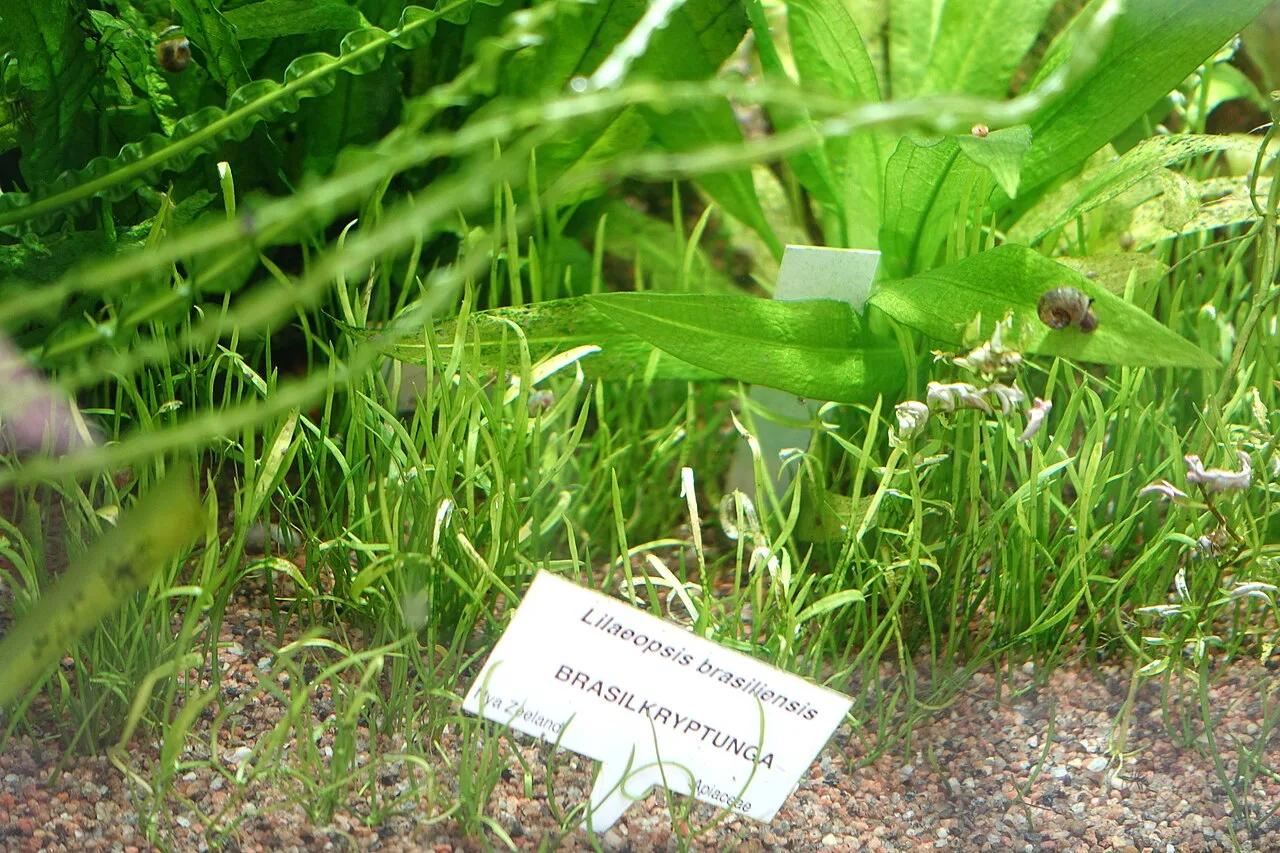
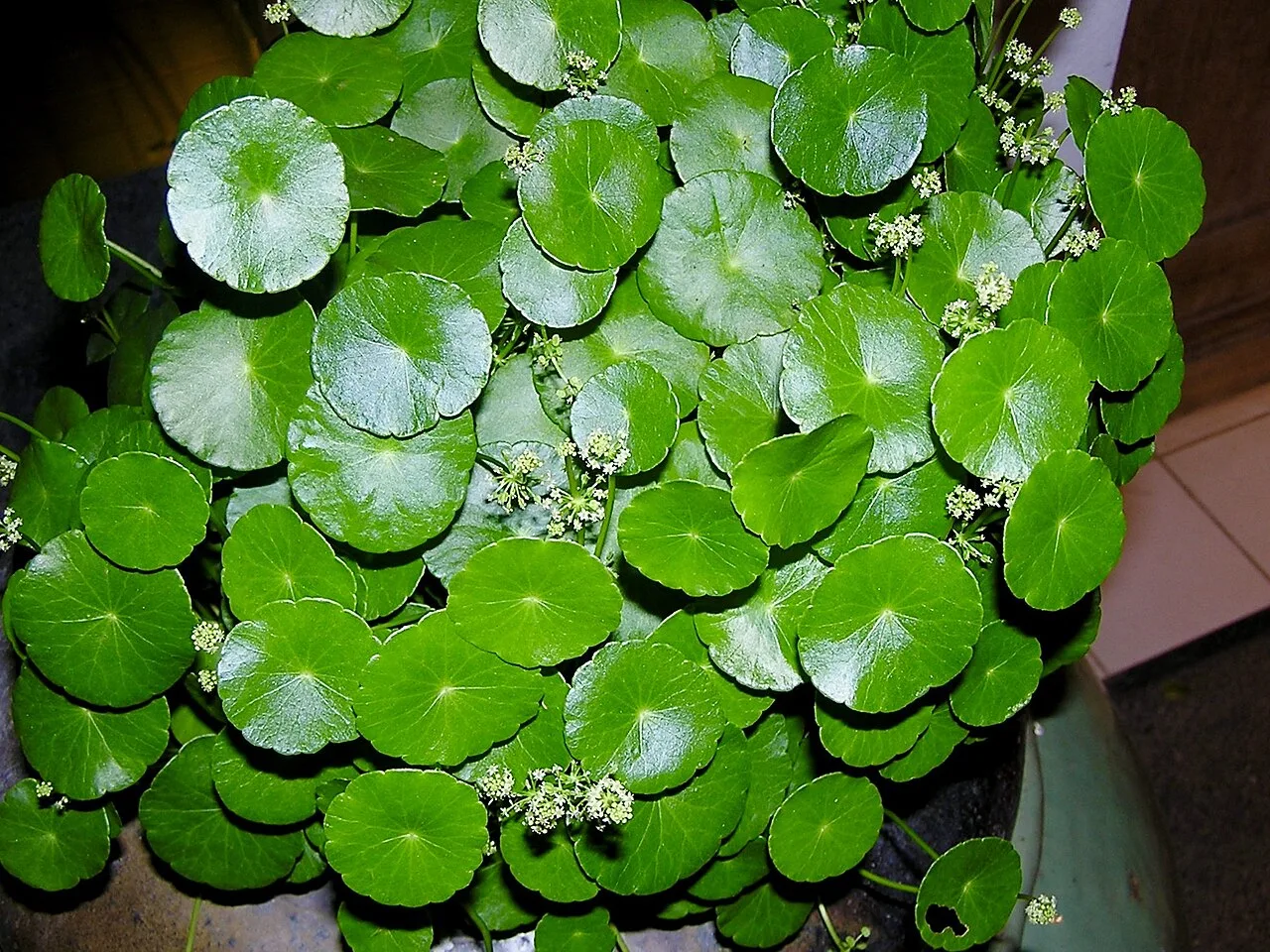
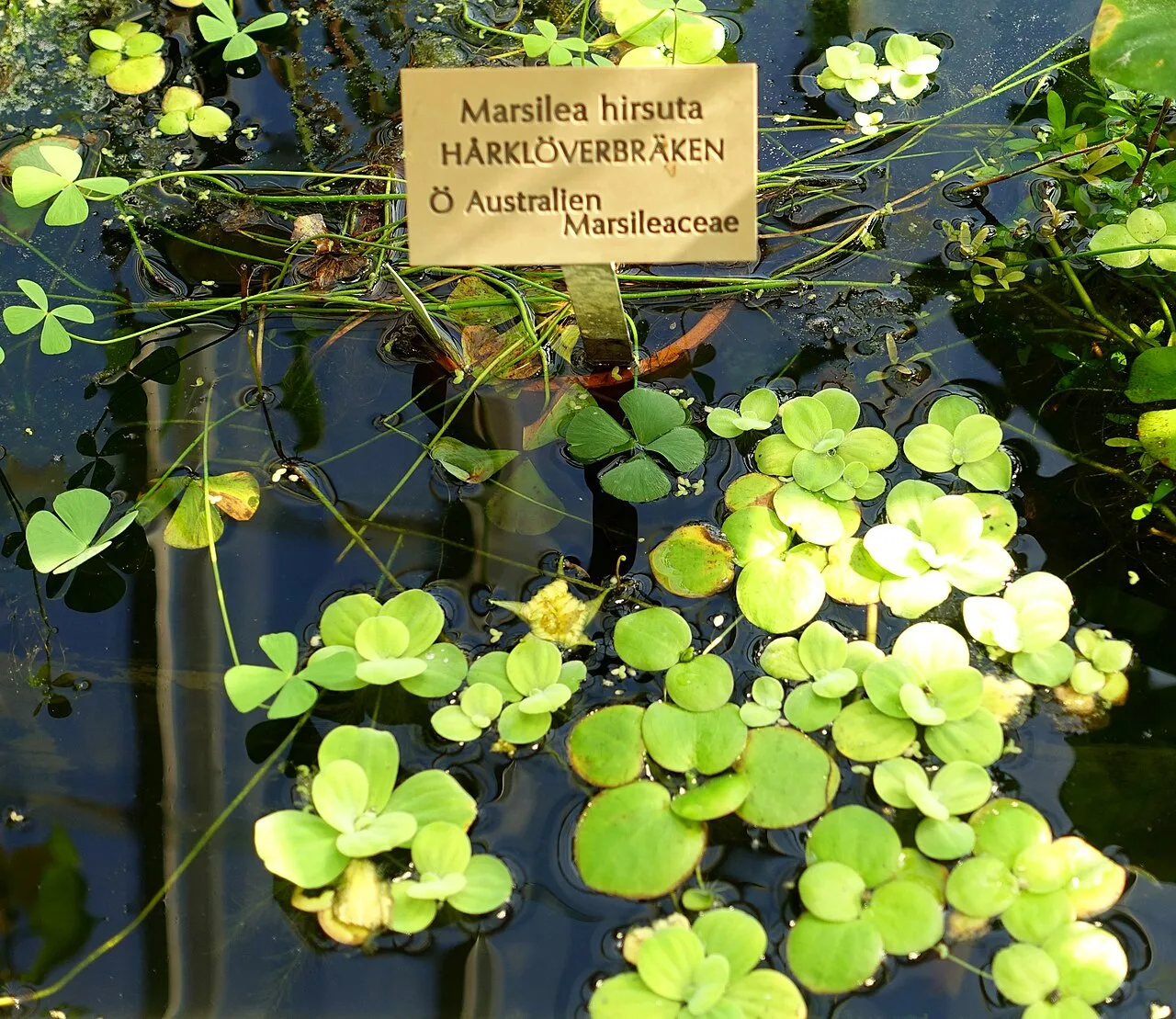
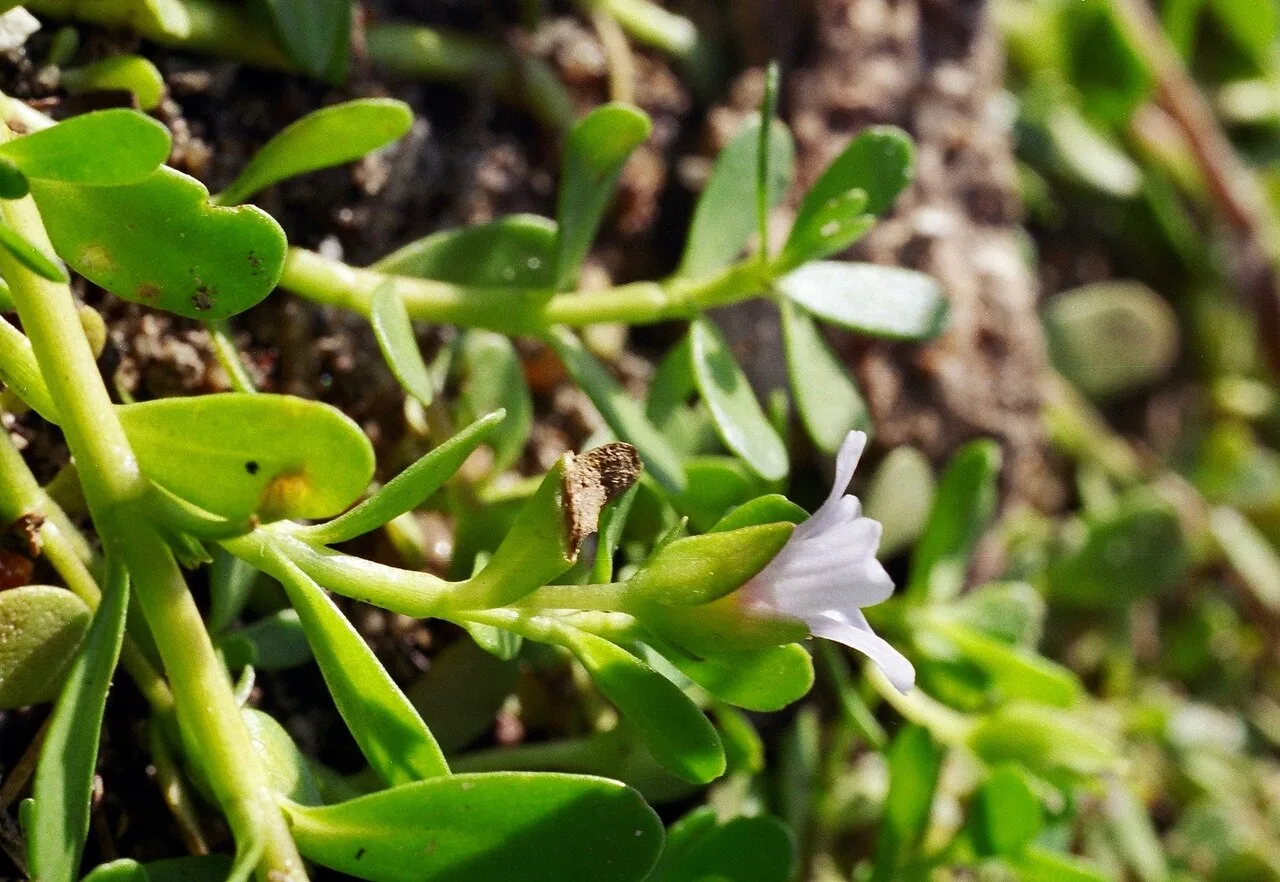
Sources & assertions 2
Wikipedia (deutsch)
Texte in Aquarisma sind eigenständig formuliert. Zahlenbereiche folgen den verlinkten Wikipedia-Artikeln, Lizenz CC BY-SA.
- Haltungsbereich nach https://de.wikipedia.org/wiki/Sagittaria_subulata
Wikipedia
Texte in Aquarisma sind eigenständig formuliert. Zahlen folgen dem genannten Artikel, Lizenz CC BY-SA. Deutsch und Englisch sind dieselbe Enzyklopädie, keine zweite unabhängige Quelle.
- Der Artikel nennt eine optimale Temperatur von 18 bis 28 °C. Der ältere Steckbrief endete bei 26 °C.