Anubias gracilis
Anubias gracilis
23 views
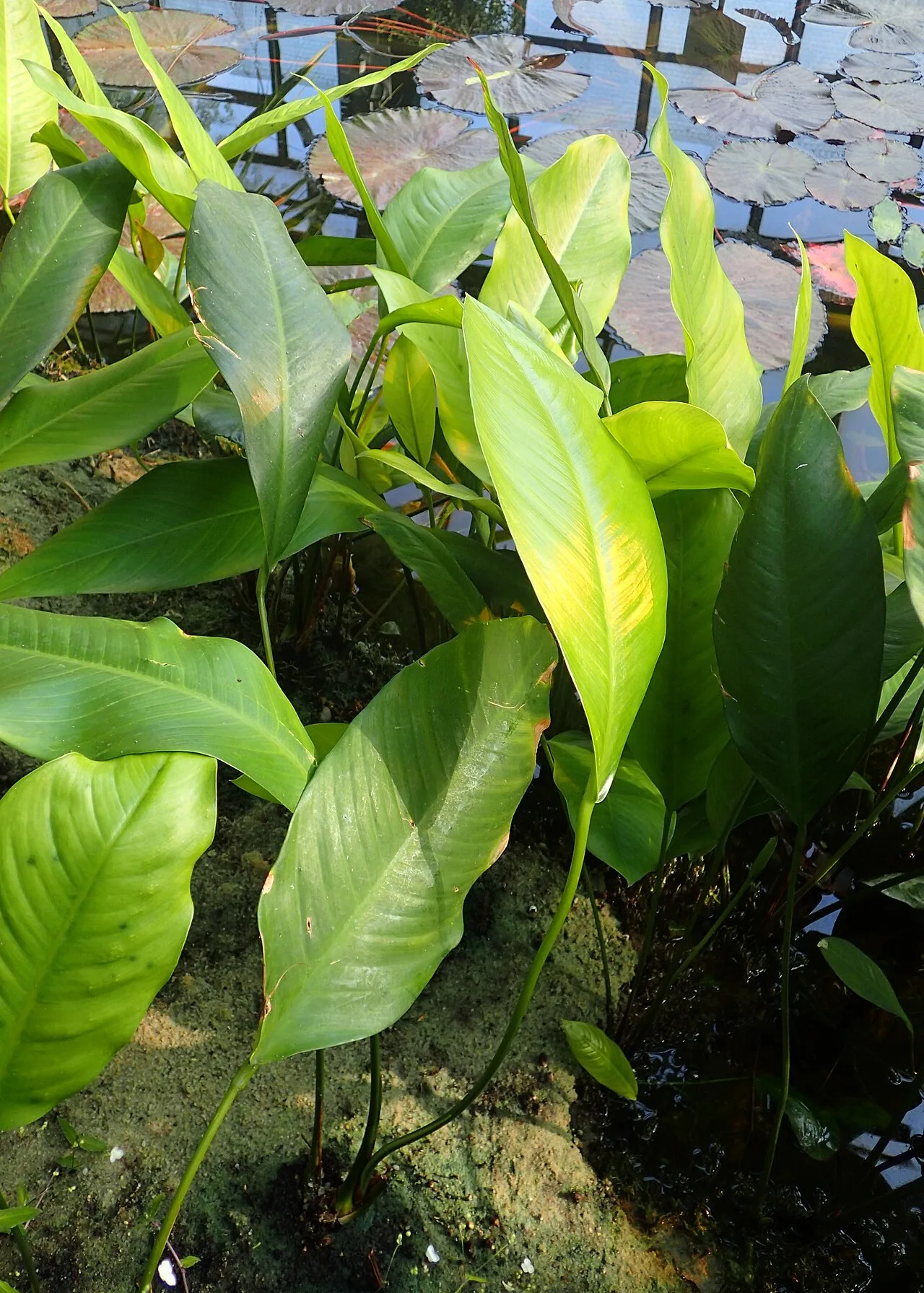
An Anubias with triangular to arrow-shaped leaves. The rhizome stays free, growth is slow, and the plant needs more room than the dwarf forms.
- Temperature
- 22 – 28 °C
- pH
- 6 – 8 pH
- Lighting
- Low light
- CO₂
- Low CO₂
- Growth rate
- Slow
- Placement
- Midground
2 min read · 268 words
Care profile
Growth form
EpiphytesPlanting and propagation
- Attach Fix it to wood or stone with cotton thread, fishing line or plant glue. The roots attach on their own after a few weeks.
- Rhizome The creeping rhizome stays free above the substrate. Buried, it rots.
Placement in the aquarium
Highlighted are the areas where the species is typically used.
- Midground Between foreground and background. Hides transitions and frames stones and wood.
- On rock or wood Tied onto wood or stones rather than planted in the substrate.
Home & range
Hatched countries are where the species occurs. It lives in particular waters there, not across the whole country. The points name known waters for orientation, not collection sites.
- Country of origin
- Water for orientation
Native
Botanical overview
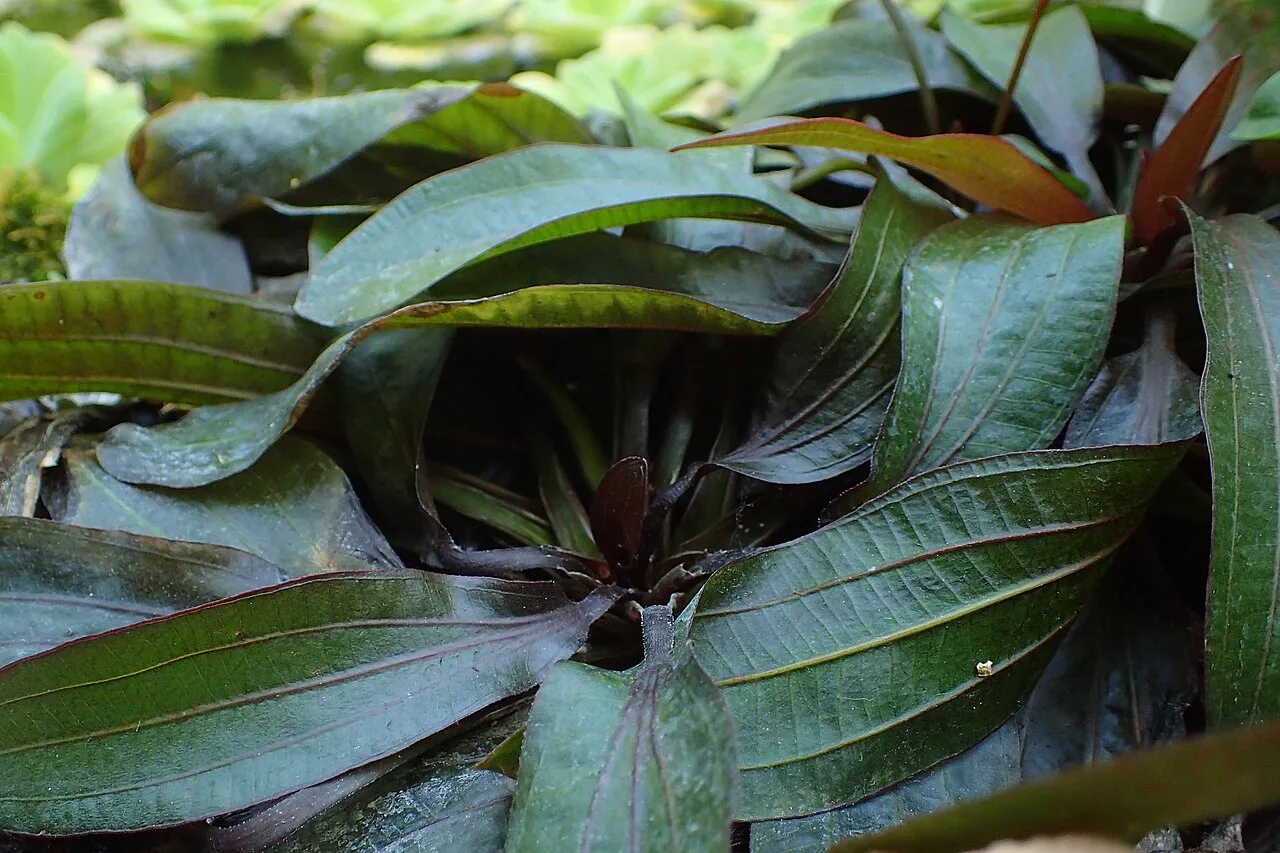
Anubias gracilis sends a creeping rhizome and leaves with a clearly drawn-out base. Grown out, the blades are longer than Anubias barteri nana and narrower in proportion than the spear-leaf Anubias. The leaves are tough. Most plant-eating fish leave them alone.
Under strong light without cover, algae settle and stay, because a leaf lasts for months. The right place is half-shade on wood or stone.
Natural origin
This describes the origin, not how to furnish the aquarium.
Shaded stream banks of West Africa, the rhizome on roots and rock, often only flooded for a time. The origin stays coarse.
Light, CO₂ and position
Tying on
Low to medium light, CO₂ not required, 22 to 28 °C. Tie it to a root, leave the rhizome visible. Only the roots may enter the gravel. A buried rhizome rots. After tying on, little increase for weeks. That is the attaching.
Do not move it
Every removal tears the rhizoids. Choose the place once.
Layout and neighbours
The arrow-shaped, pale green leaves stand out well against dark wood. As an epiphyte at mid height, wedged between branches, it looks natural. In a paludarium it can also grow emersed and flowers more easily there.
Common mistakes
The plant is often set too deep. The roots may go into the substrate; the rhizome may not.
Growth and trimming
Cut old or heavily algal leaves at the rhizome. A healthy leaf with a film can be wiped. Yellow leaves are often old leaves or a rhizome in the substrate. Fertiliser in the water column is enough.
Propagation
Separate rhizome pieces with at least one leaf, better outside the tank, and rinse the cut. A bare rhizome without a shoot is a bet.