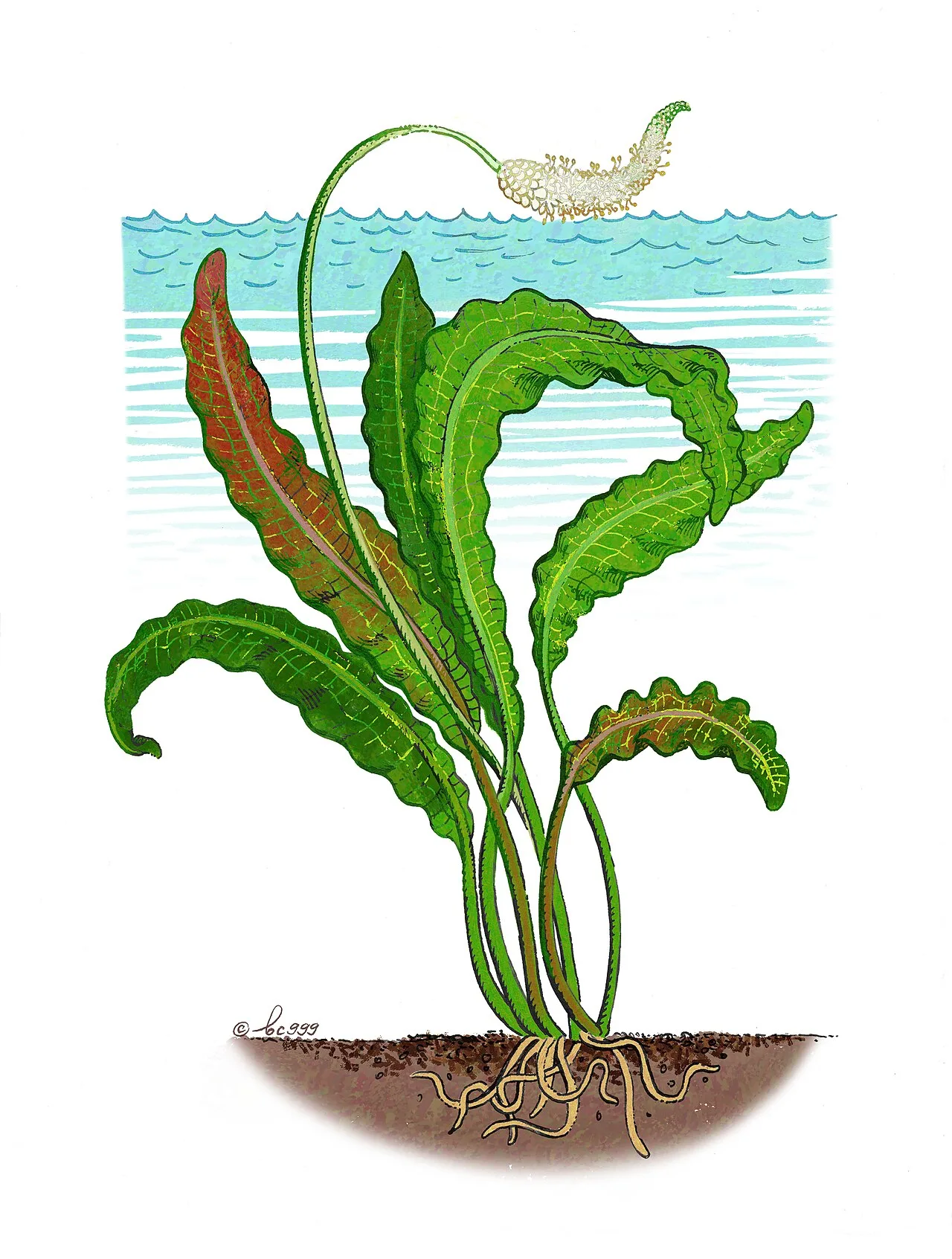
Asian eelgrass
Vallisneria natans
2 views
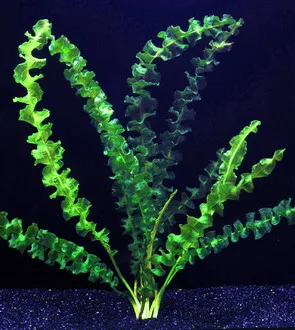
A vallisneria from East Asia with long, narrow ribbon leaves. In the trade often as Vallisneria asiatica.
- Temperature
- 15 – 28 °C
- pH
- 6.5 – 8.5 pH
- Lighting
- Medium light
- CO₂
- Low CO₂
- Growth rate
- Fast
- Placement
- Background
1 min read · 168 words
Care profile
Growth form
RosettesPlanting and propagation
- Rhizome The creeping rhizome stays free above the substrate. Buried, it rots.
- Cuttings Cut off shoot tips and replant them. This keeps the stand dense and propagates it at the same time.
- Runners Forms runners in the substrate that grow into new plants. Separate them once they have their own roots.
Placement in the aquarium
Highlighted are the areas where the species is typically used.
- Background Along the back wall and the sides. Forms the tall, dense backdrop.
Home & range
Hatched countries are where the species occurs. It lives in particular waters there, not across the whole country. The points name known waters for orientation, not collection sites.
- Country of origin
- Water for orientation
Native
Botanical overview
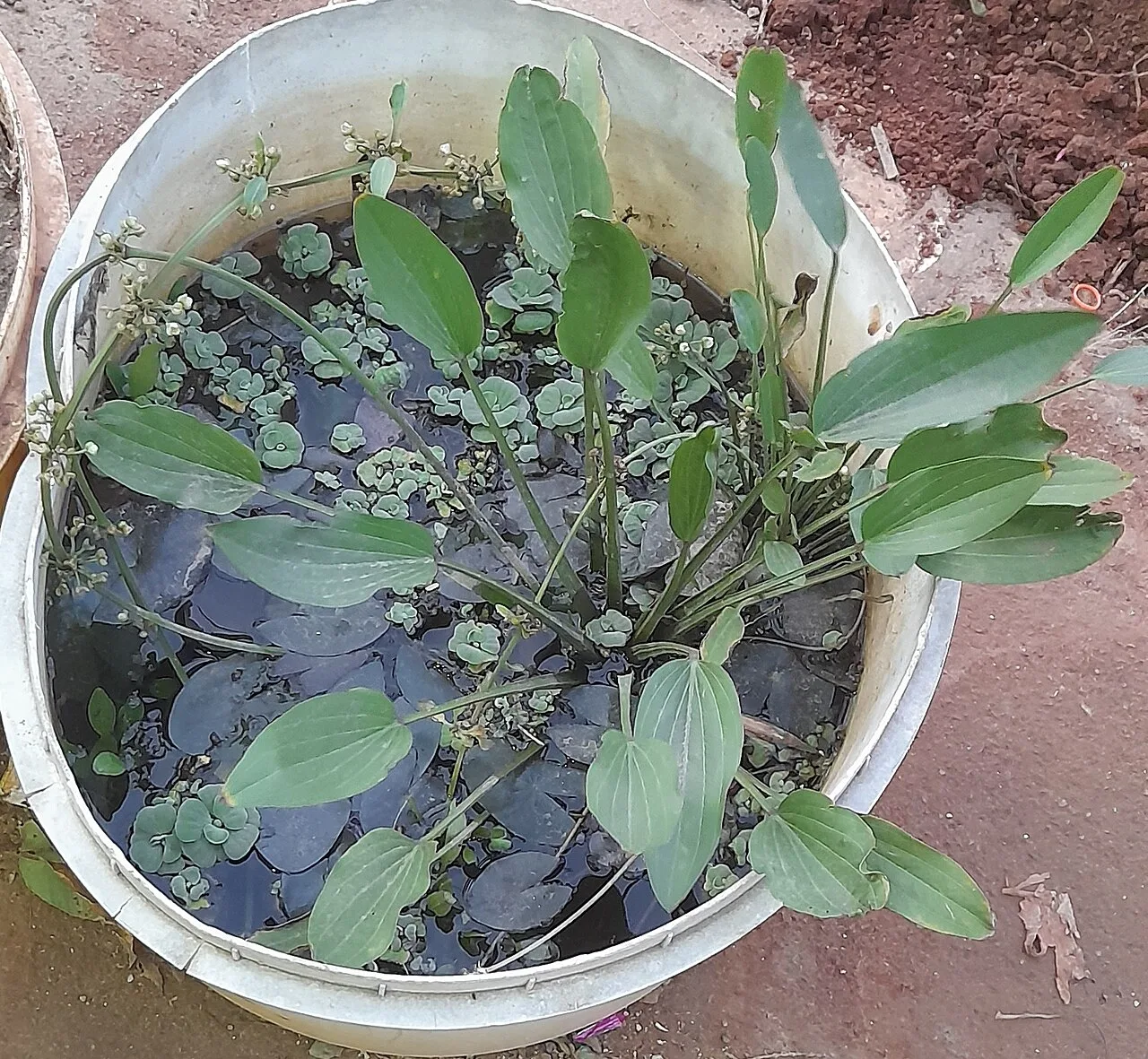
Vallisneria natans forms rosettes of ribbon-shaped leaves from a tuberous rhizome; depending on water depth they are 20 cm to two metres long. The leaf margin is smooth or barely toothed and the tip is blunt. Thin runners constantly produce new plants. In the trade it is often offered as Vallisneria asiatica.
In the aquarium it forms a dense curtain that trails at the surface and shelters fish.
Natural origin
This describes the origin, not how to furnish the aquarium.
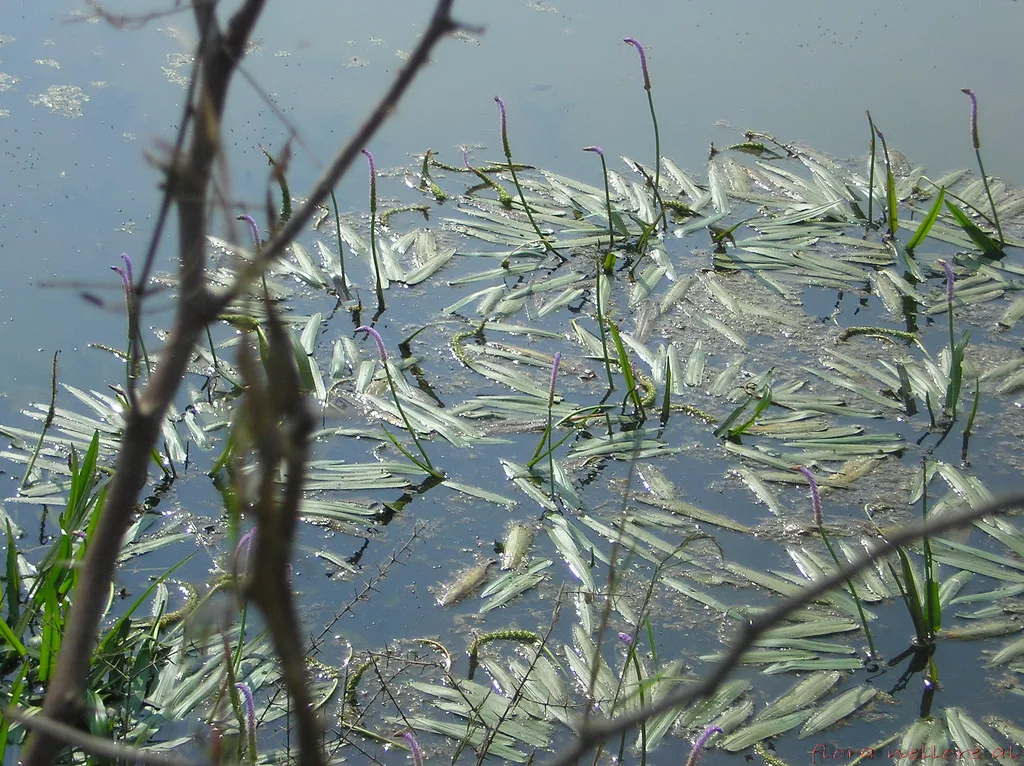
The species occurs in East Asia: Japan including the Ryukyu Islands, Korea, the Russian Far East, large parts of China and Taiwan, as well as India. It grows in streams, rivers, ponds and lakes.
Light, CO₂ and position
Light
Medium light.
Position
15 to 28 °C. Background; do not plant the rhizome too deep.
Layout and neighbours
A dense curtain in the background and along the side panes. Fish seeking cover like to swim between the ribbons.
Common mistakes
Cutting the leaf tips: the cuts turn brown.
Growth and trimming
Fast growth. Remove runners regularly. Cut leaves that are too long at the base rather than shortening the tips.