Barclaya longifolia
Barclaya longifolia
28 views
A bulb plant with long, often red or green leaves. It becomes a specimen and takes pauses.
- Temperature
- 24 – 28 °C
- pH
- 5.5 – 7 pH
- Lighting
- Medium light
- CO₂
- Medium CO₂
- Growth rate
- Medium
- Placement
- Midground
3 min read · 353 words
Care profile
Growth form
RosettesPlacement in the aquarium
Highlighted are the areas where the species is typically used.
- Midground Between foreground and background. Hides transitions and frames stones and wood.
Home & range
Hatched countries are where the species occurs. It lives in particular waters there, not across the whole country. The points name known waters for orientation, not collection sites.
- Country of origin
- Water for orientation
Native
Botanical overview
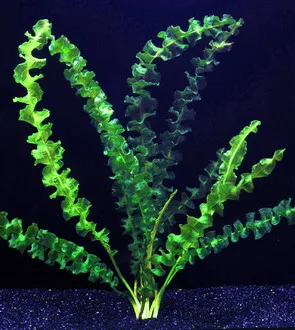
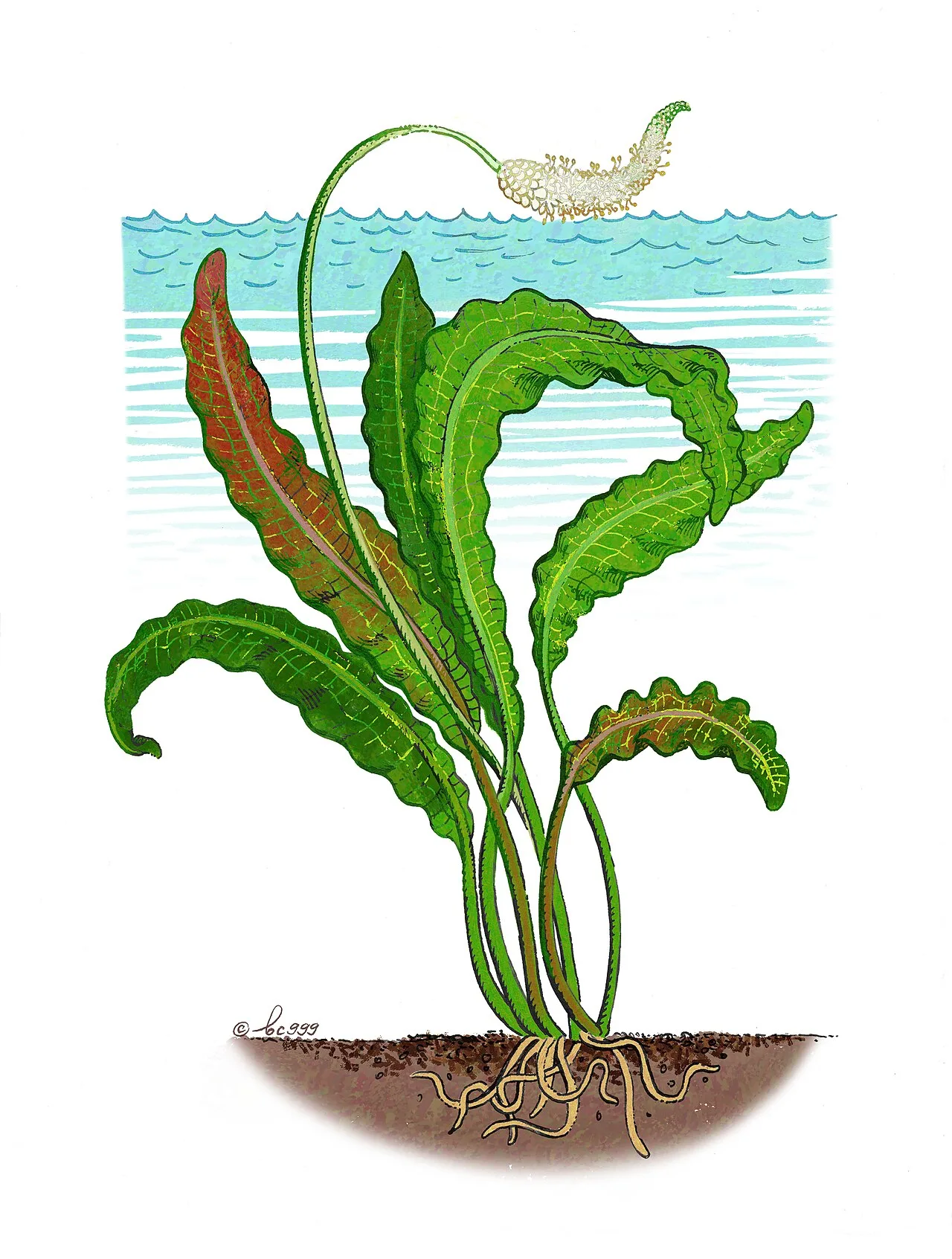
Barclaya longifolia sends from a bulb a rosette of elongate leaves waved at the edge. The red and the green form are colour variants. Under good conditions the leaves become 20 cm and longer and lie over the neighbours in a shallow tank. The bulb is the organ that carries the plant through poor weeks.
A soft, smelling bulb is rot. A firm bulb without leaves is a rest or the time after planting. Both look the same until the bulb is touched.
Natural origin
This describes the origin, not how to furnish the aquarium.
Slow and still waters in Southeast Asia, in a soft bottom, the leaves toward the light. The countries stay a coarse origin. Aquarium plants are captive-bred. The species needs an open area and is not a background grass.
Light, CO₂ and position
Planting
Medium to high light, CO₂ helpful, 24 to 28 °C. Set the bulb only halfway into the substrate, the growing tip free. Set too deep, it rots. Fertiliser capsules in the root zone, not on the bulb. Choose the place for good. Moving it interrupts the sequence of leaves.
Company
Digging cichlids uncover the bulb or eat the soft new shoots. Calm tetras and a firm bottom fit better. A single Barclaya in a 60-litre tank lays its leaves over every other plant.
Layout and neighbours
The wavy leaves, green above and wine-red below, make Barclaya a specimen in the midground. It looks finest in soft, warm water with subdued light, for example with gouramis and rasboras.
Common mistakes
Hard water and temperatures below 24 °C. The leaves then stay small and the tuber goes dormant.
Growth and trimming
Cut old, holed or algal leaves at the stalk just above the bulb. Do not pull on the stalks. With good nutrition a new leaf comes at intervals. Yellow outer leaves with an otherwise firm tip are often spent. A whole rosette wilting at once while the bulb is firm is a pause, not an invitation to dig it up.
Propagation
Daughter bulbs are taken off when they have their own leaves. Seed is possible and slow. The practical propagation is the daughter bulb. A firm bulb without a leaf is set shallow again, and then one waits.