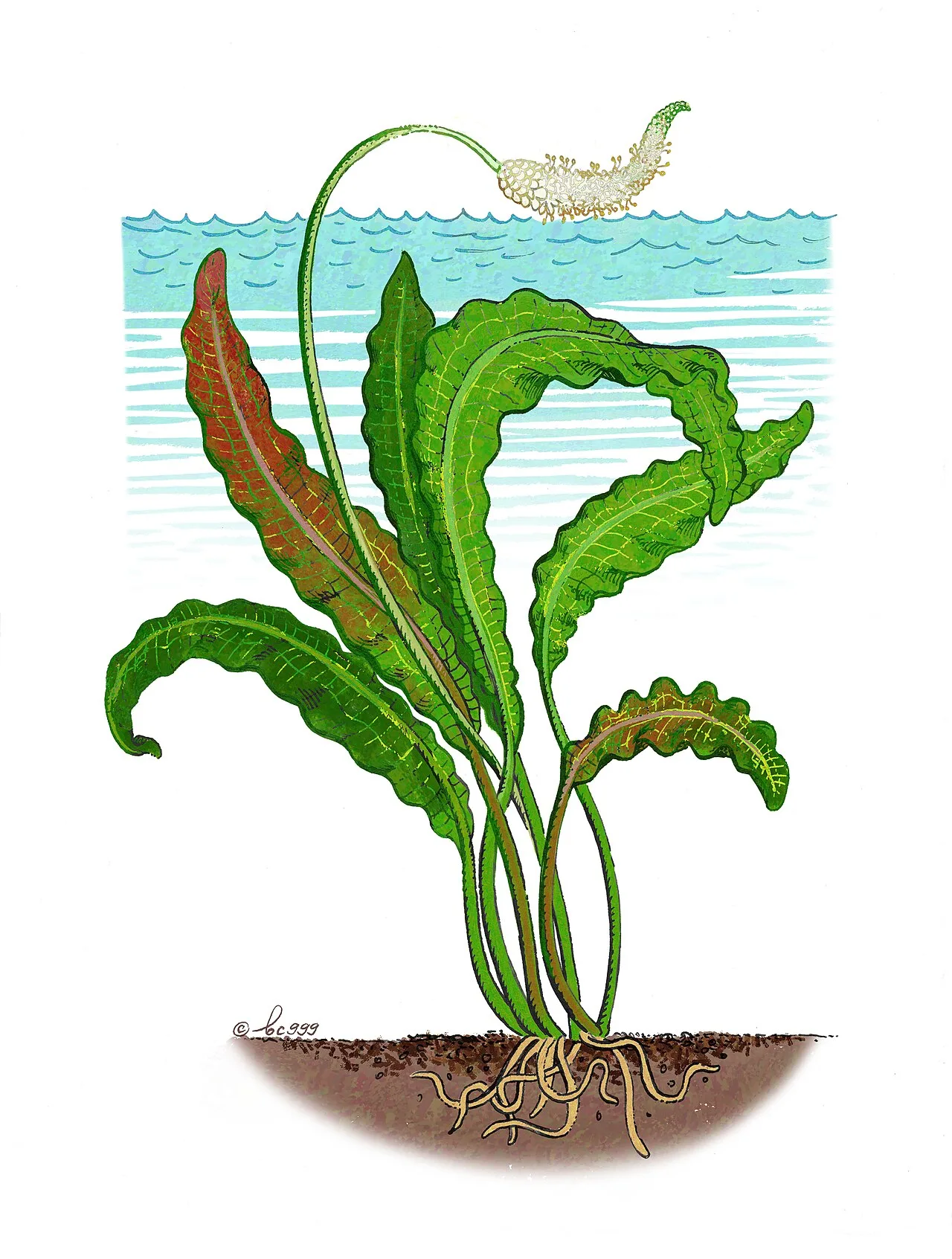
Blyxa aubertii
Blyxa aubertii
27 views
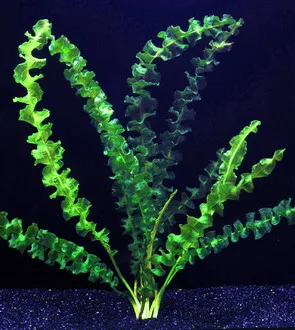
A grass-like rosette, larger and longer-leaved than Blyxa japonica. Under strong light the leaves turn reddish. Without CO₂ they fall apart.
- Temperature
- 22 – 28 °C
- pH
- 5.5 – 7.5 pH
- Lighting
- High light
- CO₂
- High CO₂
- Growth rate
- Medium
- Placement
- Background
2 min read · 283 words
Care profile
Growth form
RosettesPlacement in the aquarium
Highlighted are the areas where the species is typically used.
- Background Along the back wall and the sides. Forms the tall, dense backdrop.
Home & range
Hatched countries are where the species occurs. It lives in particular waters there, not across the whole country. The points name known waters for orientation, not collection sites.
- Country of origin
- Water for orientation
Native
Botanical overview
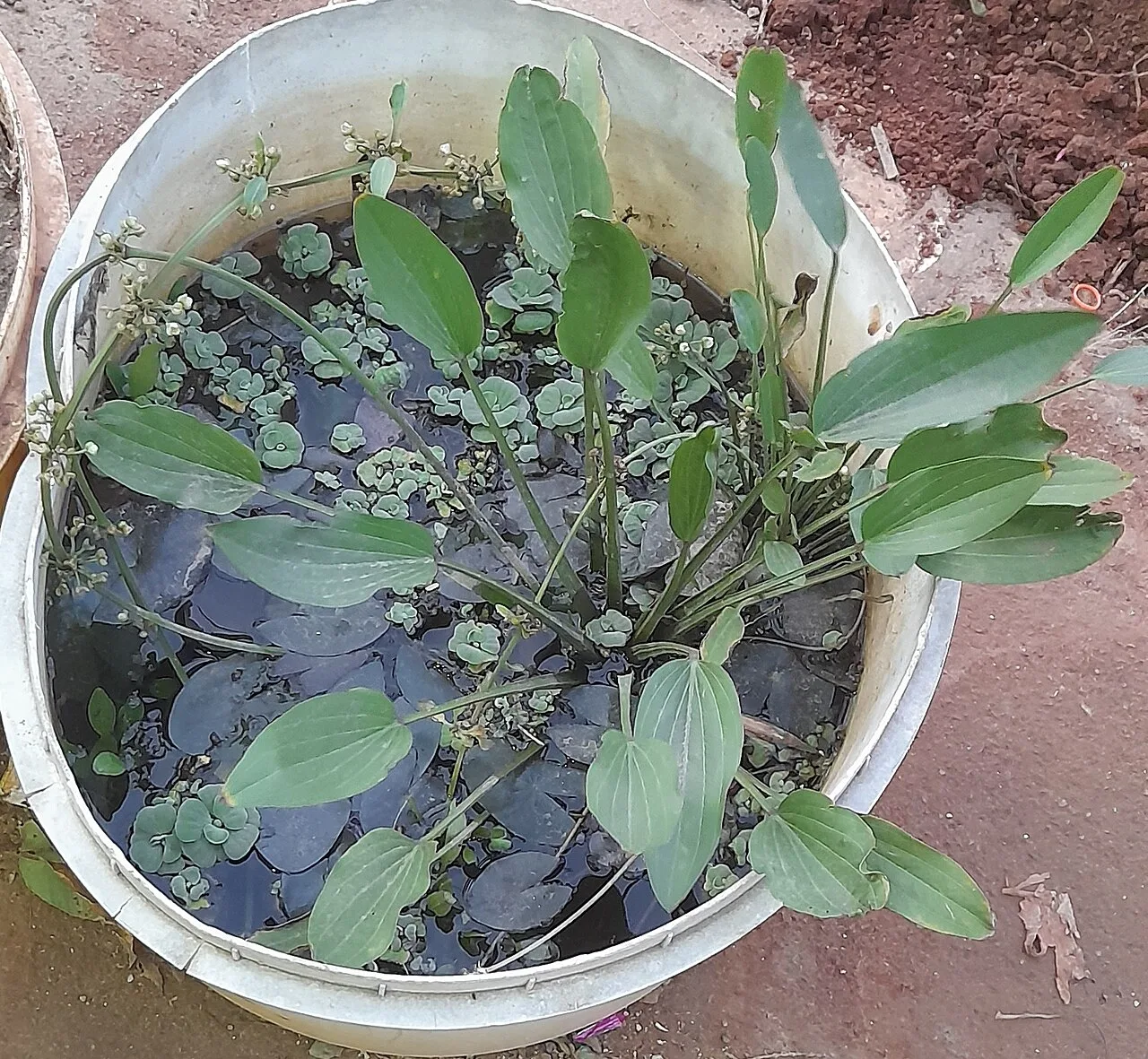
Blyxa aubertii forms a rosette of long, narrow leaves that arch outward and, in tall tanks, drift at the surface. With a lot of light and CO₂ the tips become red-brown. In shade everything stays green and stretched. It is not the more compact Blyxa japonica.
The leaves are brittle. After planting the plant often looks worse and recovers only if light and CO₂ really are right.
Natural origin
This describes the origin, not how to furnish the aquarium.
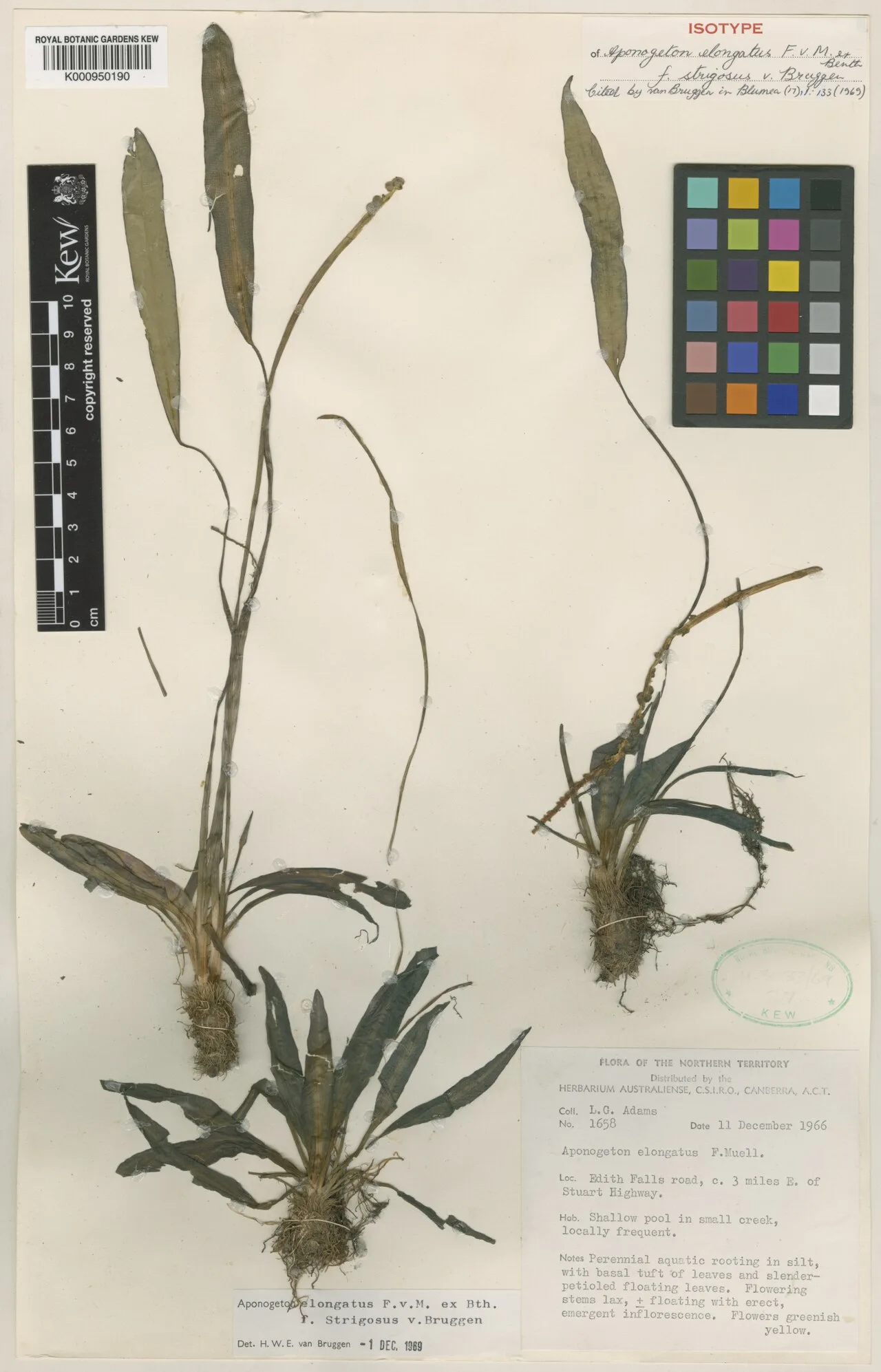
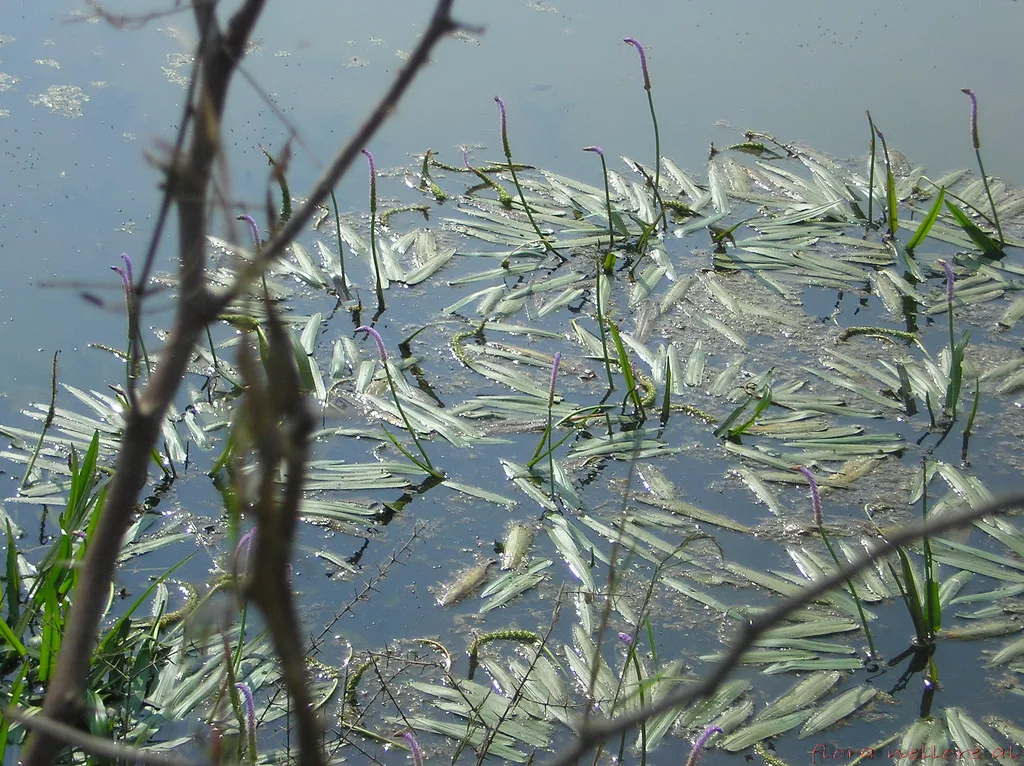
Rice fields, ditches and shallow waters of tropical Asia and Australia. Bright, warm, nutrient-rich. The origin stays coarse. The reddish form is the sunny one, not a separate species.
Light, CO₂ and position
Demand
High light, CO₂, 22 to 28 °C, regular fertilising. Midground to background, each rosette on its own. The substrate may be rich. Without CO₂ the leaves become long and pale and fall from the outside. Floating plants overhead take the light.
Stability
Large jumps at a water change or in the light cost the outer leaves. Better constantly bright than glaring and dark in turn.
Layout and neighbours
The long, grassy leaves fall softly apart. As a group in the midground it hides transitions between stones. Under strong light the leaf tips turn reddish.
Common mistakes
Without CO₂ and iron it turns glassy and falls apart. It is short-lived and occasionally needs replacing from seed or side shoots.
Growth and trimming
Take off outer leaves that turn brown and slimy, at the base. Do not pull the centre apart. If the rosette goes bare below, it is divided and the firm parts are replanted. The reddish colour fades at very high nitrate and only medium light.
Propagation
Division of the rosette with a clean cut, so that each piece keeps leaves and roots. Torn single leaves do not root.