Broadleaf arrowhead
Sagittaria platyphylla
27 views
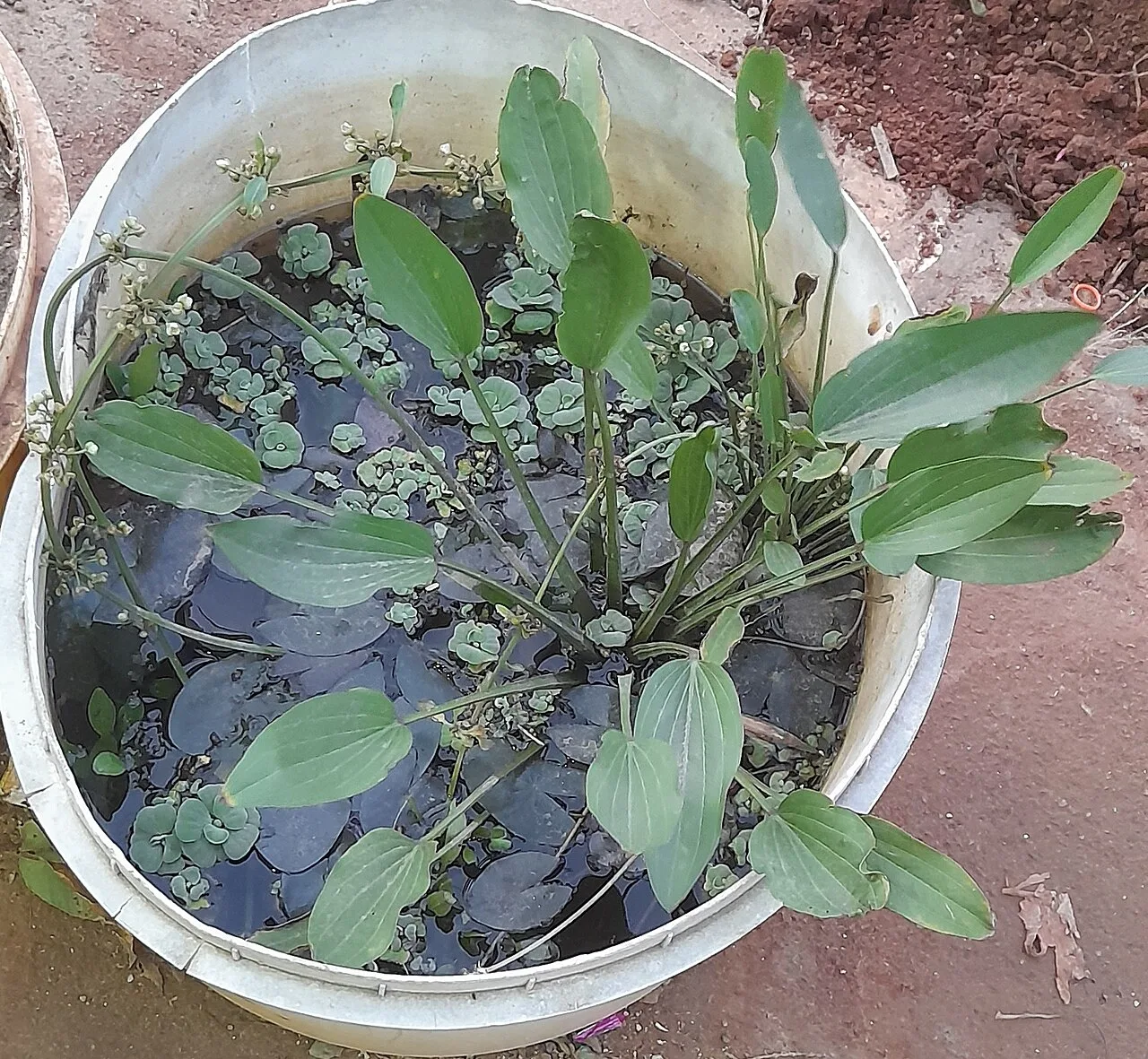
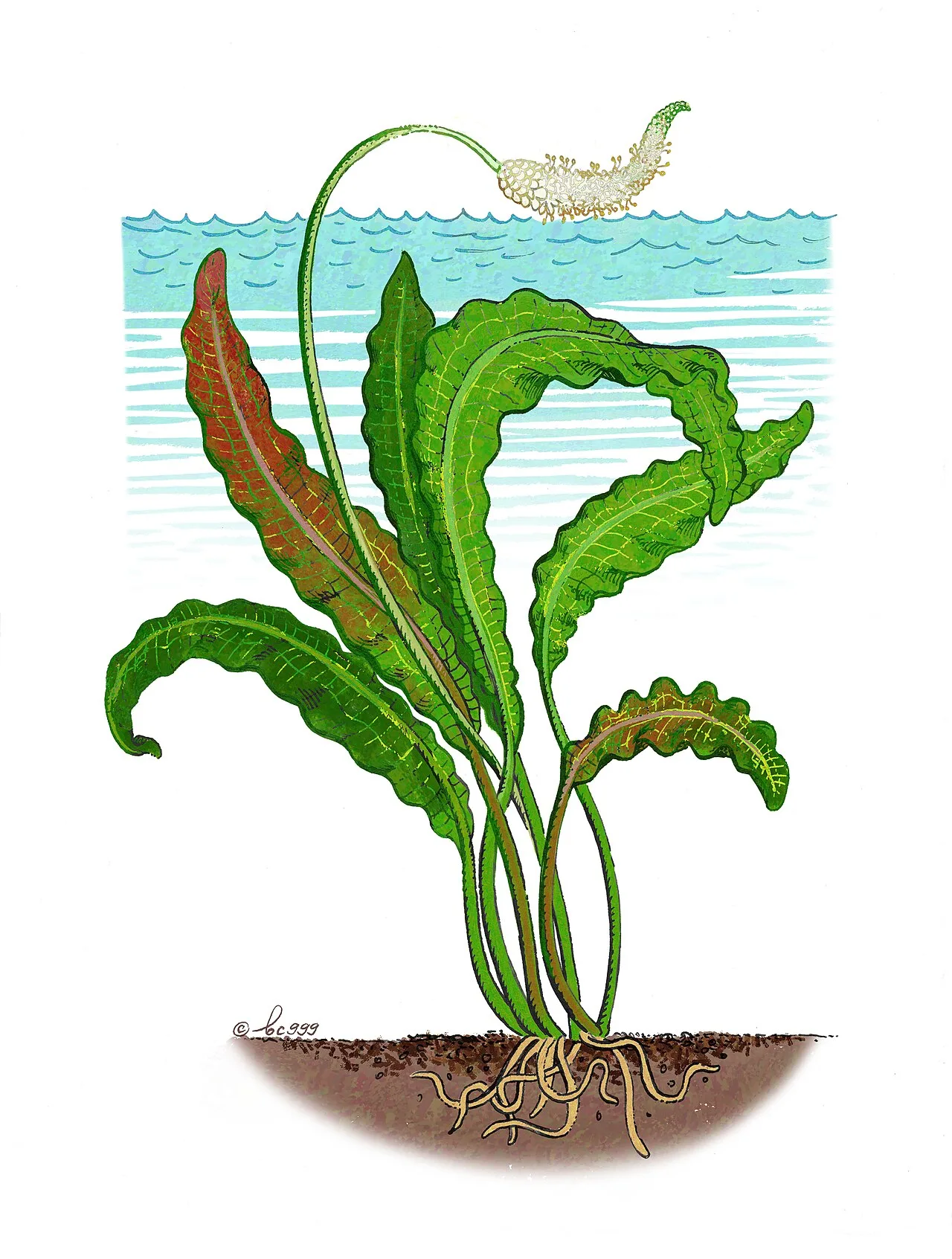
A rosette with broader leaves than the dwarf arrowhead. It stays in the midground and sends runners.
- Temperature
- 18 – 28 °C
- pH
- 6 – 8 pH
- Lighting
- Medium light
- CO₂
- Low CO₂
- Growth rate
- Medium
- Placement
- Midground
2 min read · 257 words
Care profile
Growth form
RosettesPlanting and propagation
- Runners Forms runners in the substrate that grow into new plants. Separate them once they have their own roots.
Placement in the aquarium
Highlighted are the areas where the species is typically used.
- Midground Between foreground and background. Hides transitions and frames stones and wood.
Home & range
Hatched countries are where the species occurs. It lives in particular waters there, not across the whole country. The points name known waters for orientation, not collection sites.
- Country of origin
- Water for orientation
Native
Botanical overview
Sagittaria platyphylla sends strap-shaped to lanceolate leaves, broader and often longer than Sagittaria subulata. Under strong light the clump stays stockier. In shade the leaves grow long and lie down. Runners wander sideways. The species is not a ground cover for the foreground of a small tank.
A pot is freed of rockwool and set so the crown stays free. Set too deep, the new growth stalls.
Natural origin
This describes the origin, not how to furnish the aquarium.
Shallow, bright banks in the south of the United States. The origin stays coarse. The plant is introduced in places and must not be released.
Light, CO₂ and position
Place
Medium to high light, CO₂ helpful, 18 to 28 °C, a nutrient-rich substrate. Midground, with space, not under a floating cover. Set it once. For the first weeks it roots more than it grows in view.
Runners
Daughter plants that run into the foreground are pulled or moved. An unlimited stand fills the area and then shades itself.
Layout and neighbours
Under water, strap-shaped leaves broader than those of dwarf sagittaria. Forms a dense stand in the midground through runners.
Common mistakes
Runners spread into neighbouring plantings. Separate them regularly.
Growth and trimming
Take yellow outer leaves at the base. Do not cut long leaves down to an artificial height if it can be avoided. The cut edge stays brown. Better to pull the plant that is too long and keep a shorter daughter. Fertiliser pellets in the substrate carry it better than liquid fertiliser alone.
Propagation
Separate runners with their own roots and several leaves. Propagation is then done. Do not put surplus into natural waters.