Crinkled aponogeton
Aponogeton crispus
24 views
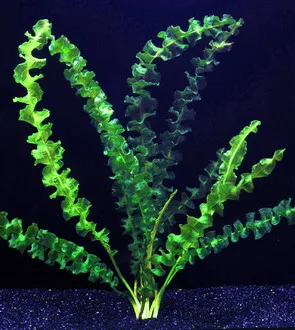
A bulb plant from Sri Lanka with long leaves crinkled at the edge. It grows fast, draws a lot of nutrients, and takes pauses.
- Temperature
- 22 – 28 °C
- pH
- 6.5 – 7.2 pH
- Lighting
- Medium light
- CO₂
- Low CO₂
- Growth rate
- Fast
- Placement
- Background
3 min read · 358 words
Care profile
Growth form
RosettesPlanting and propagation
- Cuttings Cut off shoot tips and replant them. This keeps the stand dense and propagates it at the same time.
Placement in the aquarium
Highlighted are the areas where the species is typically used.
- Background Along the back wall and the sides. Forms the tall, dense backdrop.
Home & range
Hatched countries are where the species occurs. It lives in particular waters there, not across the whole country. The points name known waters for orientation, not collection sites.
- Country of origin
- Water for orientation
Native
Botanical overview
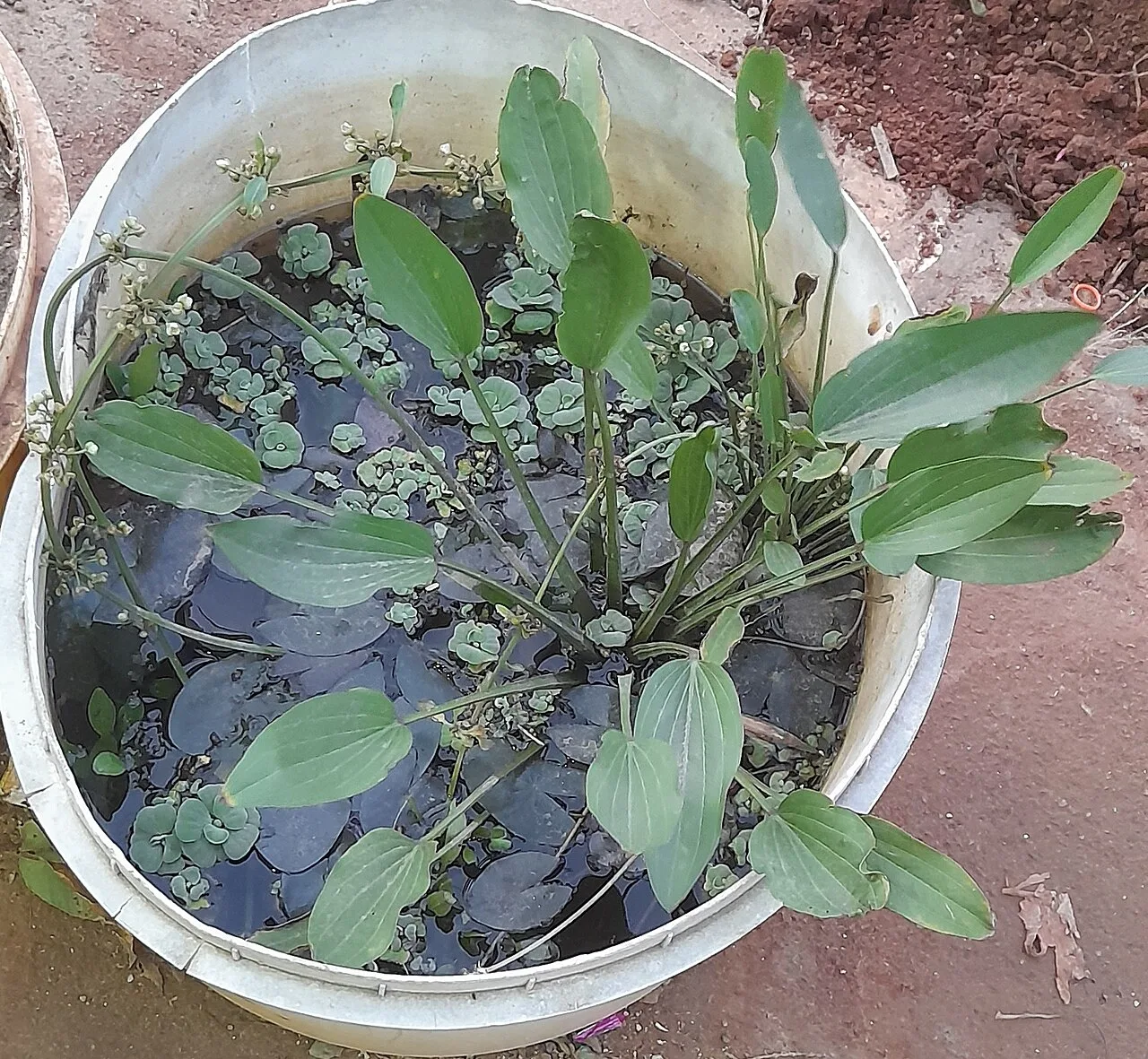
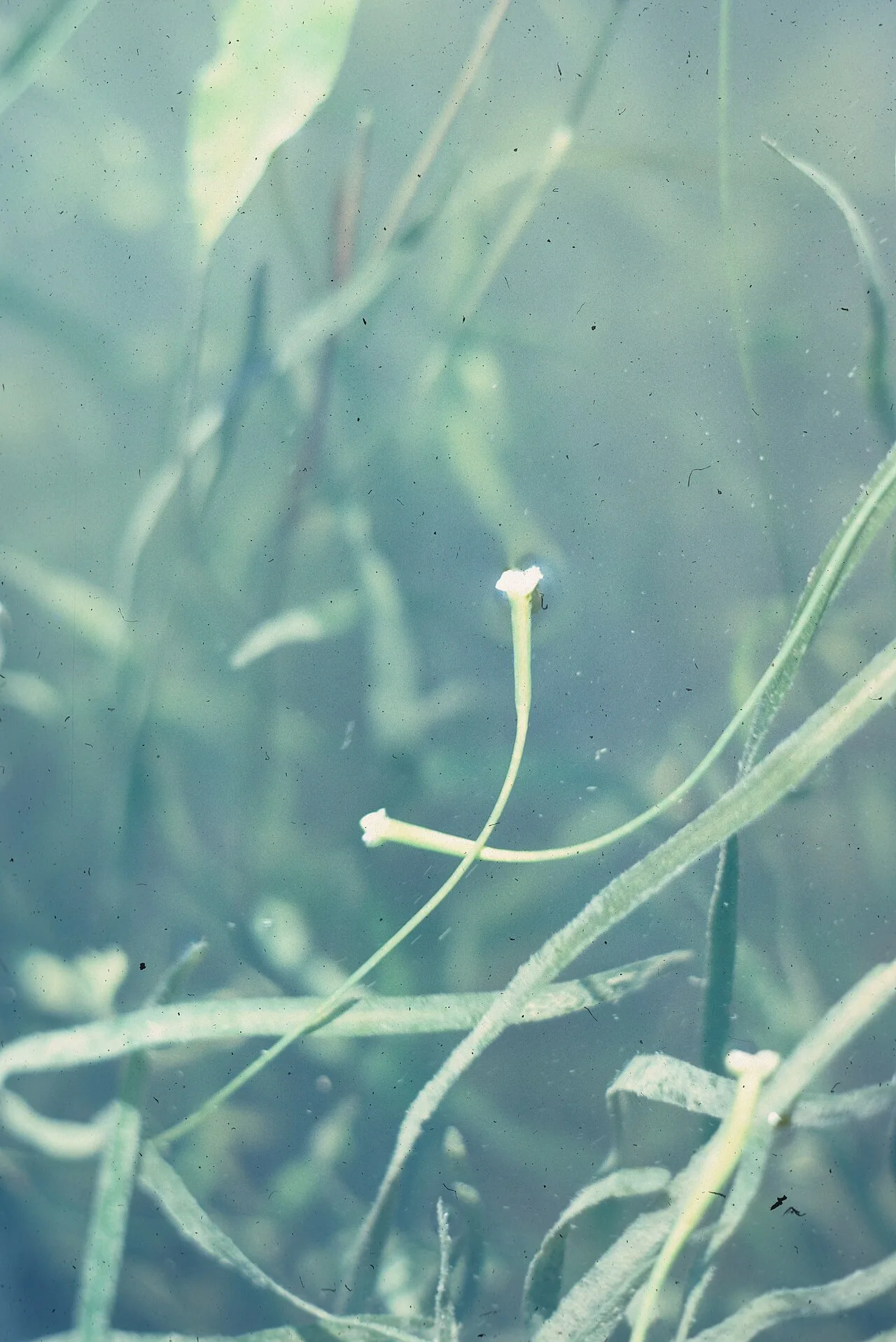
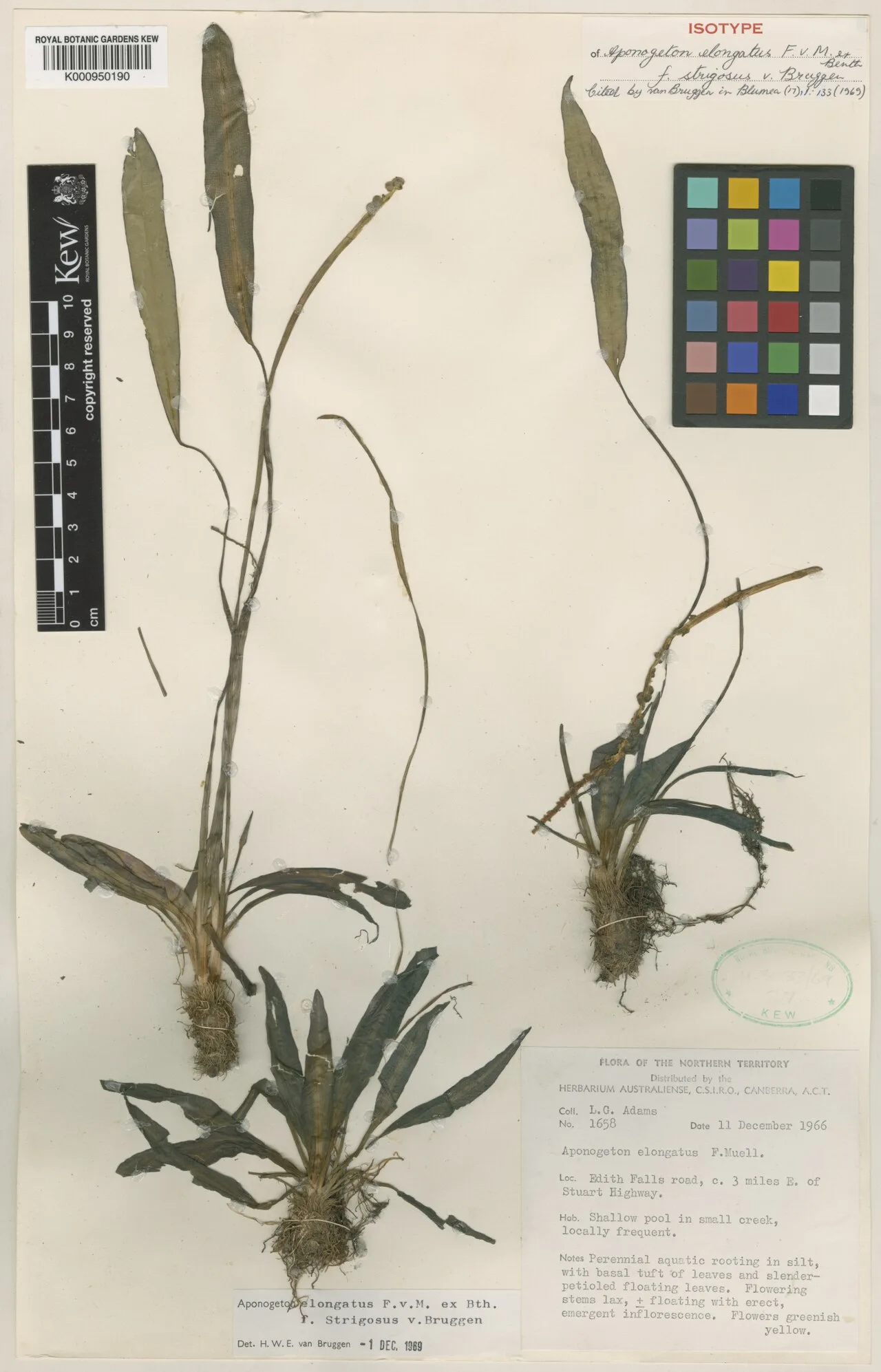
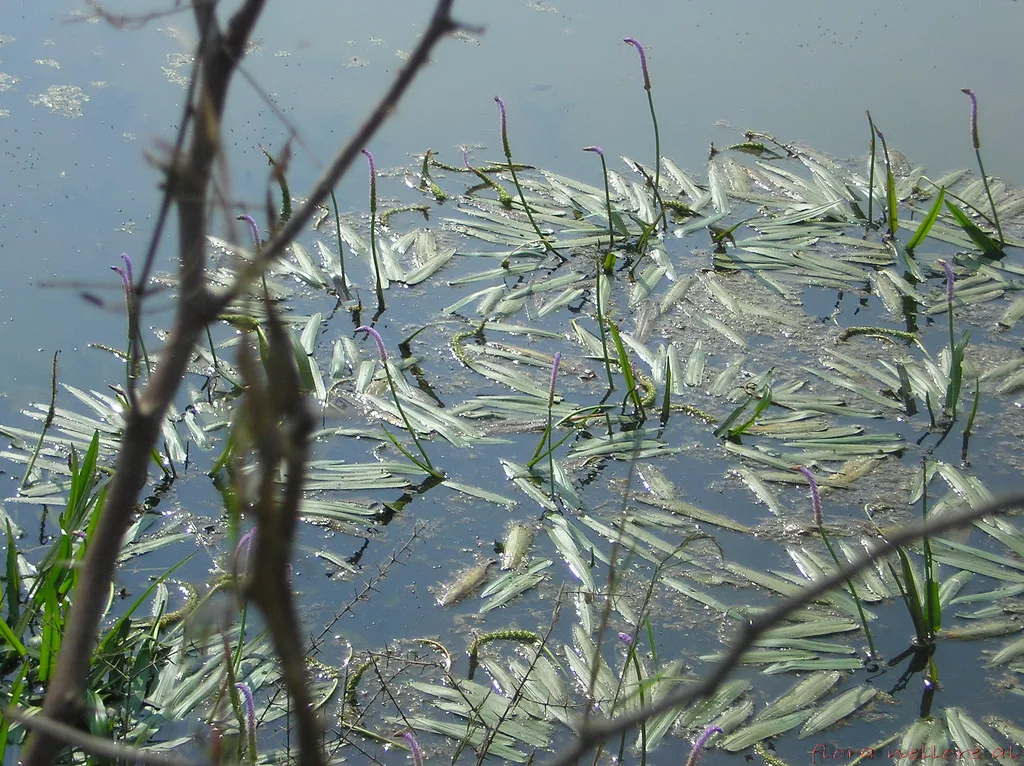
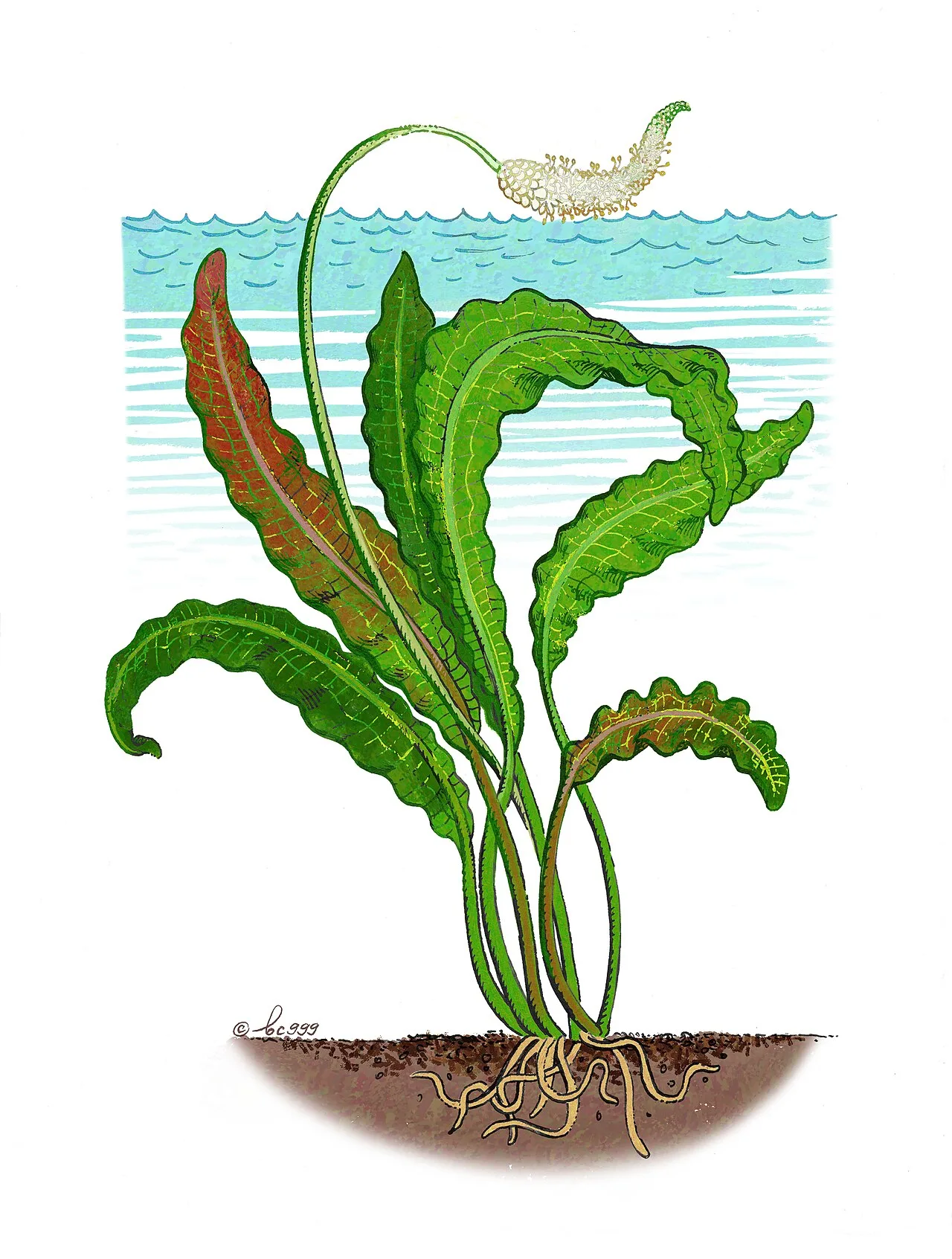
Aponogeton crispus sends from a bulb a rosette of long, ribbon-like, strongly crinkled leaves. The leaves are usually pale green and translucent. A flower can grow above the surface. The species is not Aponogeton madagascariensis, the lace plant, and not the cool-loving A. distachyos.
After a strong growing phase the plant often dies back and stands for weeks with only the bulb. That is a rest, not automatic rot, as long as the bulb stays firm.
Natural origin
This describes the origin, not how to furnish the aquarium.
Sri Lanka, still and slow waters with a soft bottom. The bulb outlasts swings. The leaves use phases with plenty of light and nutrients. Sri Lanka stays the coarse origin.
Light, CO₂ and position
Planting
Medium light, CO₂ not mandatory, 22 to 28 °C. Bulb half free, root zone fertilised. Background or specimen, because the leaves become 30 to 50 cm long and lie over the bottom if the tank is too shallow. Not directly in the filter current, or the leaves lie constantly one way and collect mulm.
Rest
If the leaves fail together and the bulb is firm, take off the remains and leave the bulb alone. Do not dig it up every week. A new shoot comes if the water stays stable. A soft bulb is removed.
Layout and neighbours
An easy aponogeton with wavy, olive green leaves. Alone in the midground or in threes in the background. It grows quickly from the tuber and fills space in new tanks until slower plants catch up.
Common mistakes
The tuber is buried and rots. It belongs only halfway into the substrate.
Growth and trimming
Cut single old leaves at the base. A clear-cut of every leaf makes sense only when they are algal and worn out. The plant uses a lot of potassium and iron. Holed, glassy leaves with otherwise fast growth are often a nutrient gap, not a lack of light.\n\nBeside a waterweed the aponogeton loses the contest for nutrients, even though it looks large.
Propagation
Daughter bulbs are possible, but not the rule. Seed from a spent flower spike can be grown in shallow water and is slow. Practical propagation in the hobby remains the occasional daughter bulb and buying again, not a weekly cutting.