Crinum natans
Crinum natans
2 views
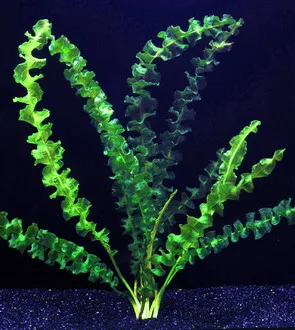
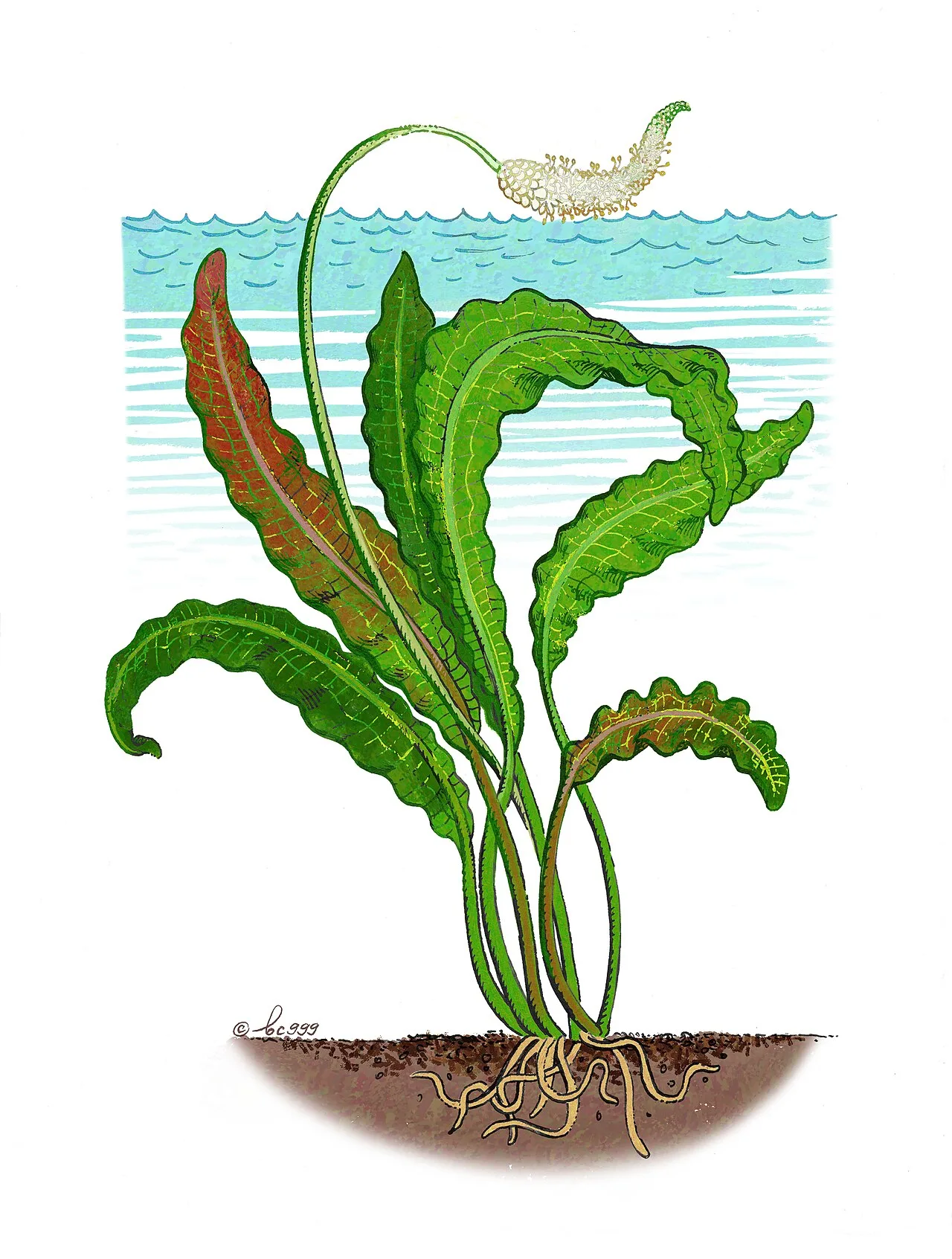
A bulb plant from West Africa with very long, often strongly crinkled ribbon leaves. For large tanks with current.
- Temperature
- 22 – 28 °C
- pH
- 6 – 8 pH
- Lighting
- Medium light
- CO₂
- Low CO₂
- Growth rate
- Slow
- Placement
- Background
1 min read · 161 words
Care profile
Growth form
RosettesPlacement in the aquarium
Highlighted are the areas where the species is typically used.
- Background Along the back wall and the sides. Forms the tall, dense backdrop.
Home & range
Hatched countries are where the species occurs. It lives in particular waters there, not across the whole country. The points name known waters for orientation, not collection sites.
- Country of origin
- Water for orientation
Native
Botanical overview
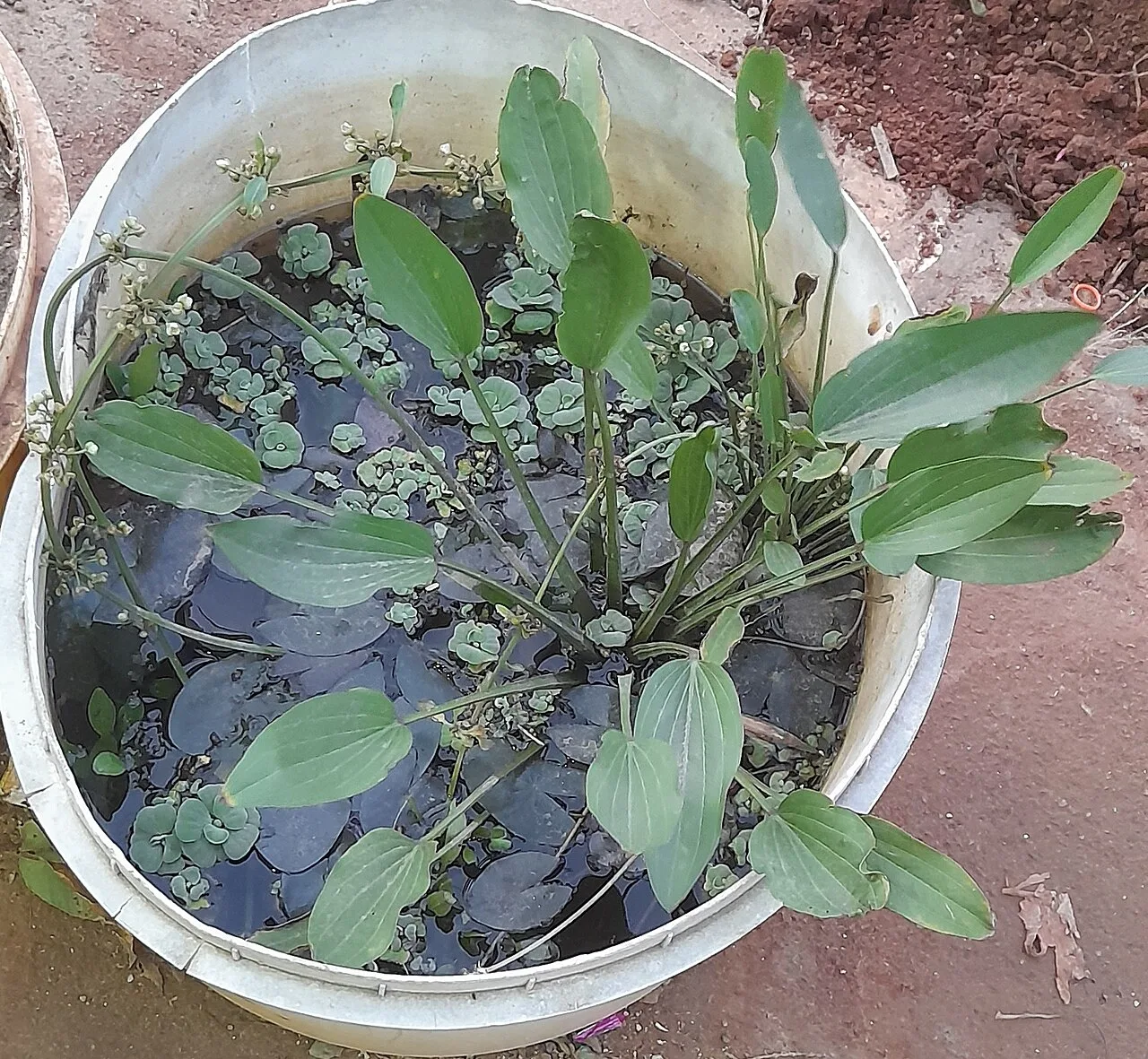
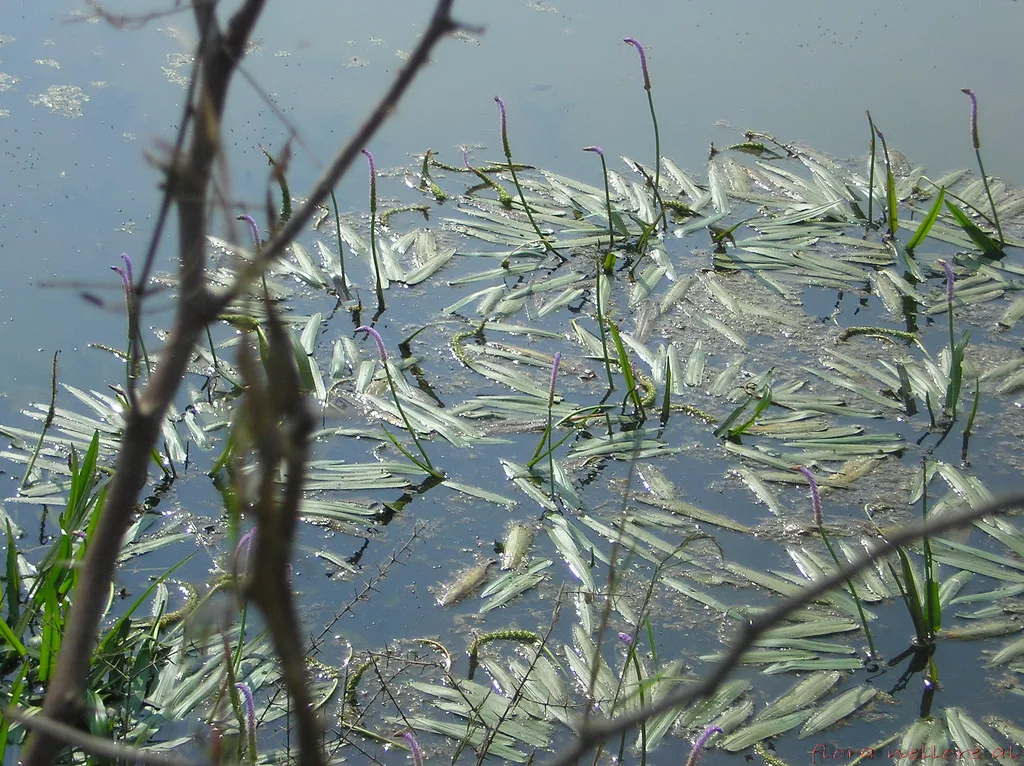
Crinum natans grows from a bulb and forms long, ribbon-shaped leaves that are smooth or strongly crinkled depending on the form. Under water the leaves can exceed a metre and trail along the surface. They are tough and rarely eaten by herbivores.
In a large aquarium it is a calm, very long-lasting background.
Natural origin
This describes the origin, not how to furnish the aquarium.
The species occurs in West and Central Africa. It grows in clear, flowing streams and rivers, often in the half shade of riverside forest.
Light, CO₂ and position
Light
Medium light.
Fertiliser
Nutrient-rich substrate, root fertiliser at the bulb.
Position
22 to 28 °C. Background of large tanks; bury only a third of the bulb.
Layout and neighbours
In the background of large tanks, where the long leaves trail in the current. Suits West African tanks with Congo tetras and African water fern.
Common mistakes
Burying the bulb completely: it rots from the top.
Growth and trimming
Slow growth. Remove old leaves at the base. Do not bury the bulb completely, or it rots.