Crinum thaianum
Crinum thaianum
25 views
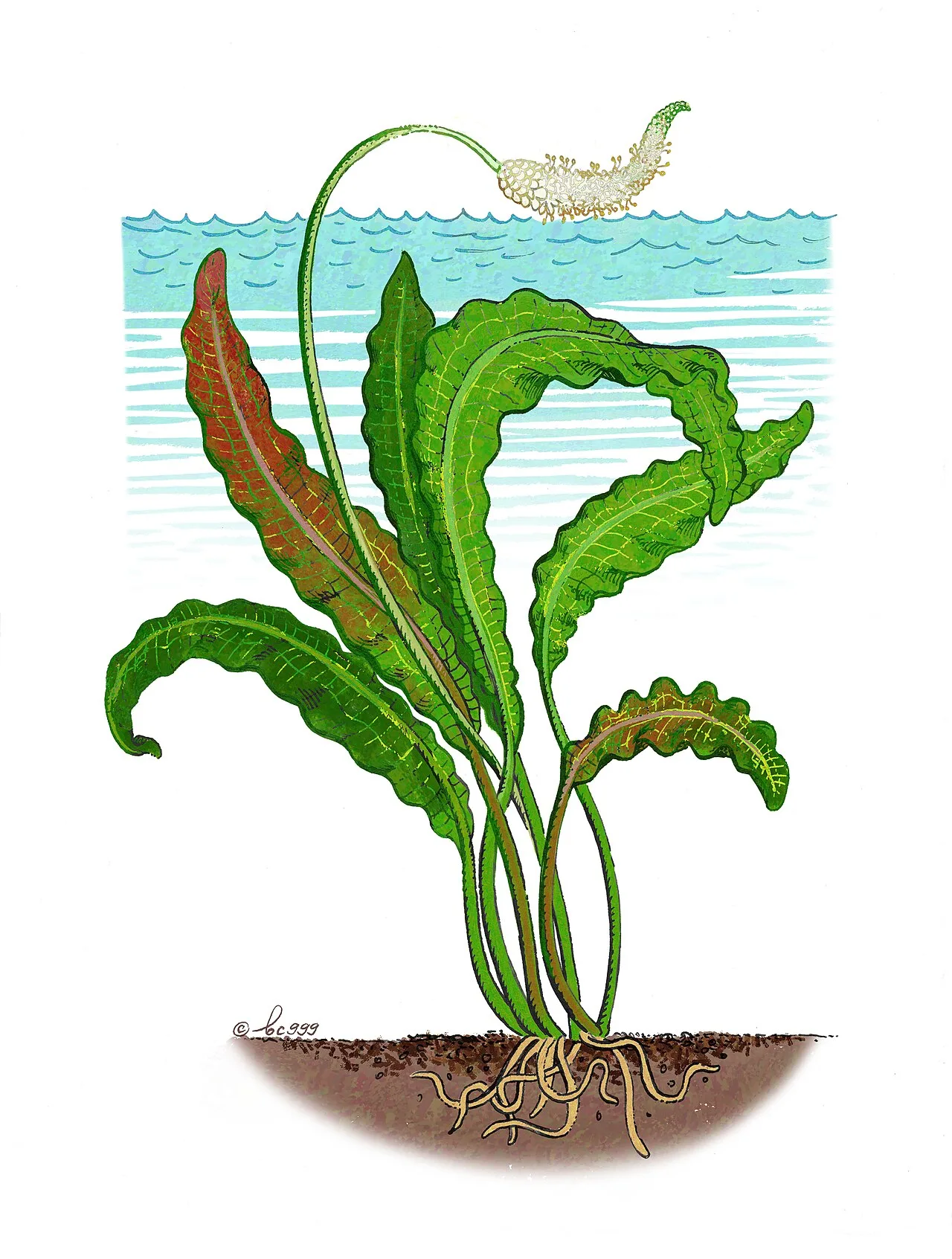
A large bulb plant from Thailand with very long, ribbon-like leaves. It becomes a specimen and grows slowly.
- Temperature
- 22 – 28 °C
- pH
- 6 – 8 pH
- Lighting
- Medium light
- CO₂
- Medium CO₂
- Growth rate
- Slow
- Placement
- Background
2 min read · 315 words
Care profile
Growth form
RosettesPlacement in the aquarium
Highlighted are the areas where the species is typically used.
- Background Along the back wall and the sides. Forms the tall, dense backdrop.
Home & range
Hatched countries are where the species occurs. It lives in particular waters there, not across the whole country. The points name known waters for orientation, not collection sites.
- Country of origin
- Water for orientation
Native
Botanical overview
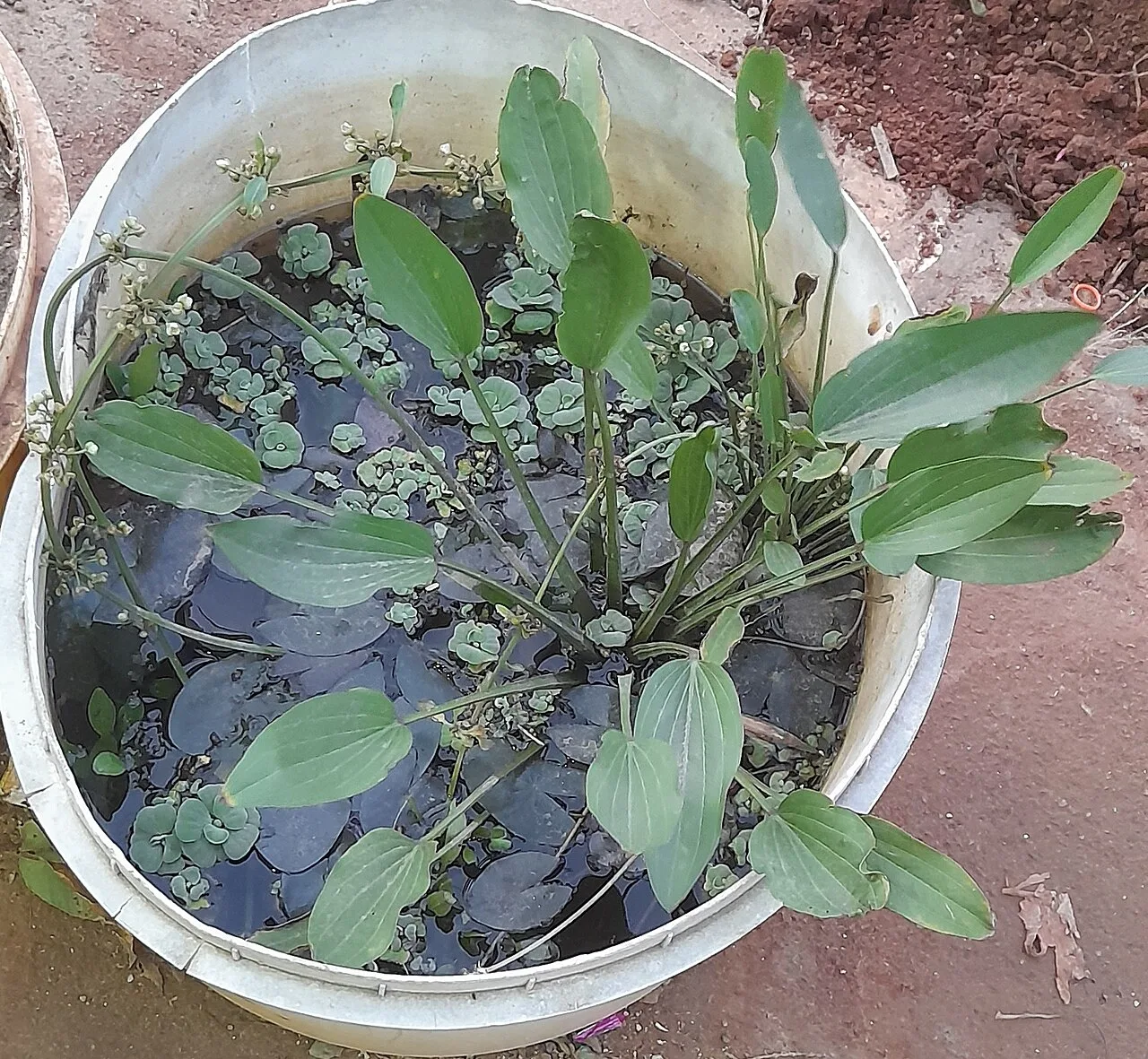
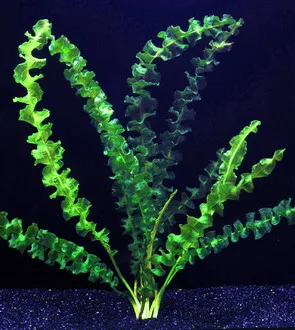
Crinum thaianum sends from a large bulb long, smooth, ribbon-like leaves that can drift at the surface. It is coarser and longer than the crinkled Crinum calamistratum. A tank under 50 cm high lays the leaves over everything else. The bulb must not be injured and must not be buried completely.
The species is under pressure in the wild. Aquarium plants should be captive-bred. A torn leaf does not regrow like a stem. A new leaf comes from the centre of the bulb.
Natural origin
This describes the origin, not how to furnish the aquarium.
Flowing waters in Thailand, rooted in the substrate, the leaves in the current. Thailand is the origin. Clearer, moving water matches that better than a still, mulmy tank.
Light, CO₂ and position
Place
Medium to high light, CO₂ helpful, 22 to 28 °C. Bulb two thirds free, roots in a fertilised substrate. Background or specimen, not beside digging cichlids. Plant once and leave it for years. Every move in the first months prevents the growth one is waiting for.
Current
The long leaves should be able to move without being pulled into the filter all the time. A moderate current keeps them clean.
Layout and neighbours
A background plant for large, tall tanks. The smooth strap leaves grow over a metre long and can form a curtain at the surface. Large barbs and cichlids leave it alone.
Common mistakes
In small tanks it overgrows everything. Shorten long leaves at the base rather than at the tip.
Growth and trimming
Cut only truly damaged outer leaves at the bulb. Do not touch the centre. Wipe algae off the tough ribbons carefully. The plant needs little trimming and a quiet fertiliser in the substrate. A soft bulb is rot, usually after an injury or from sitting too deep.
Propagation
Daughter bulbs appear after a long time and are separated when they have their own leaves and roots. That is rare. Seed is the exception. Propagation is not a goal of the first year.