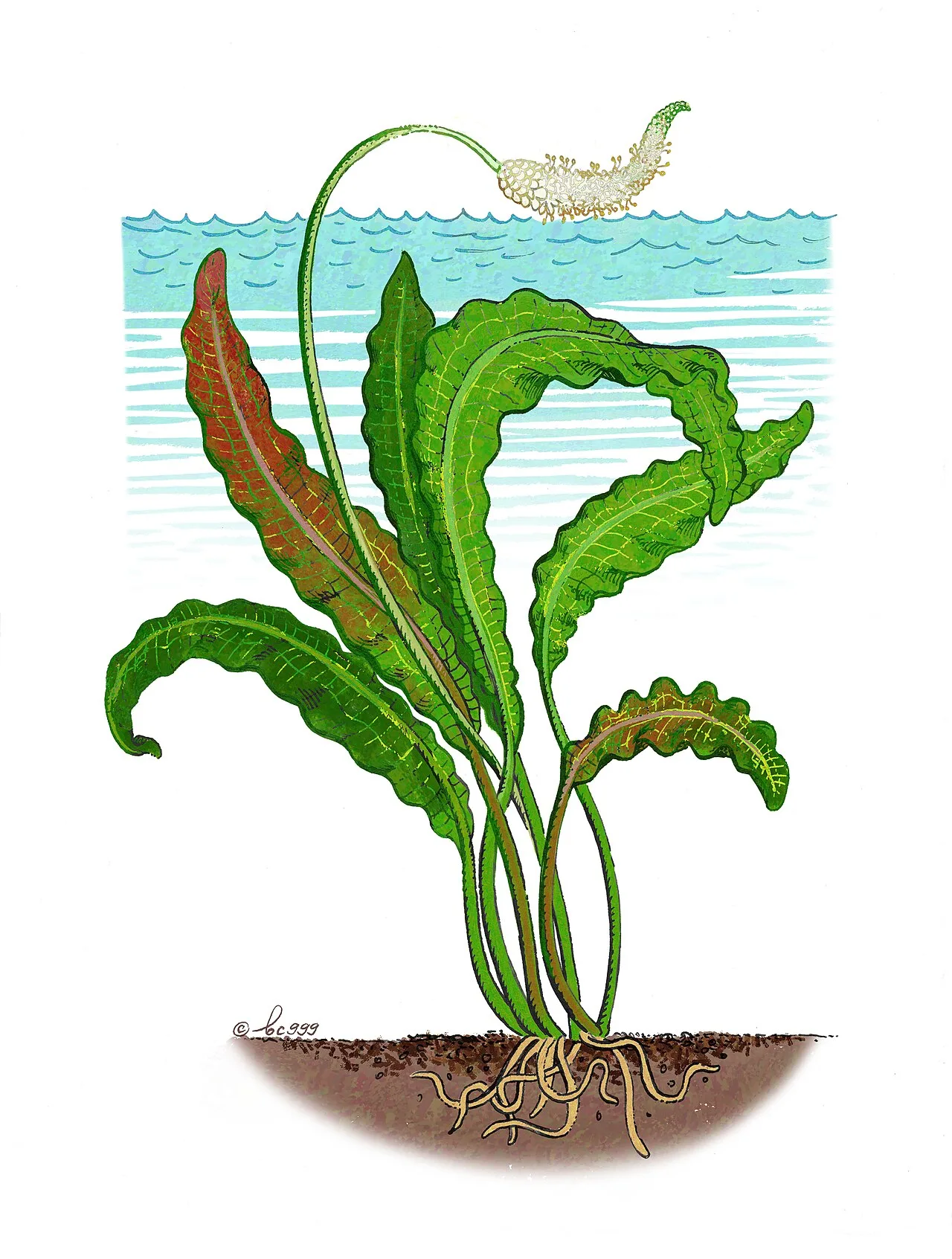
Cryptocoryne albida
Cryptocoryne albida
21 views
A narrow-leaved crypt with often brownish markings. It stays put once it is set, and drops its leaves after a hard change.
- Temperature
- 22 – 28 °C
- pH
- 6 – 7.5 pH
- Lighting
- Medium light
- CO₂
- Low CO₂
- Growth rate
- Slow
- Placement
- Midground
2 min read · 235 words
Care profile
Growth form
RosettesPlanting and propagation
- Runners Forms runners in the substrate that grow into new plants. Separate them once they have their own roots.
Placement in the aquarium
Highlighted are the areas where the species is typically used.
- Midground Between foreground and background. Hides transitions and frames stones and wood.
Home & range
Hatched countries are where the species occurs. It lives in particular waters there, not across the whole country. The points name known waters for orientation, not collection sites.
- Country of origin
- Water for orientation
Native
Botanical overview
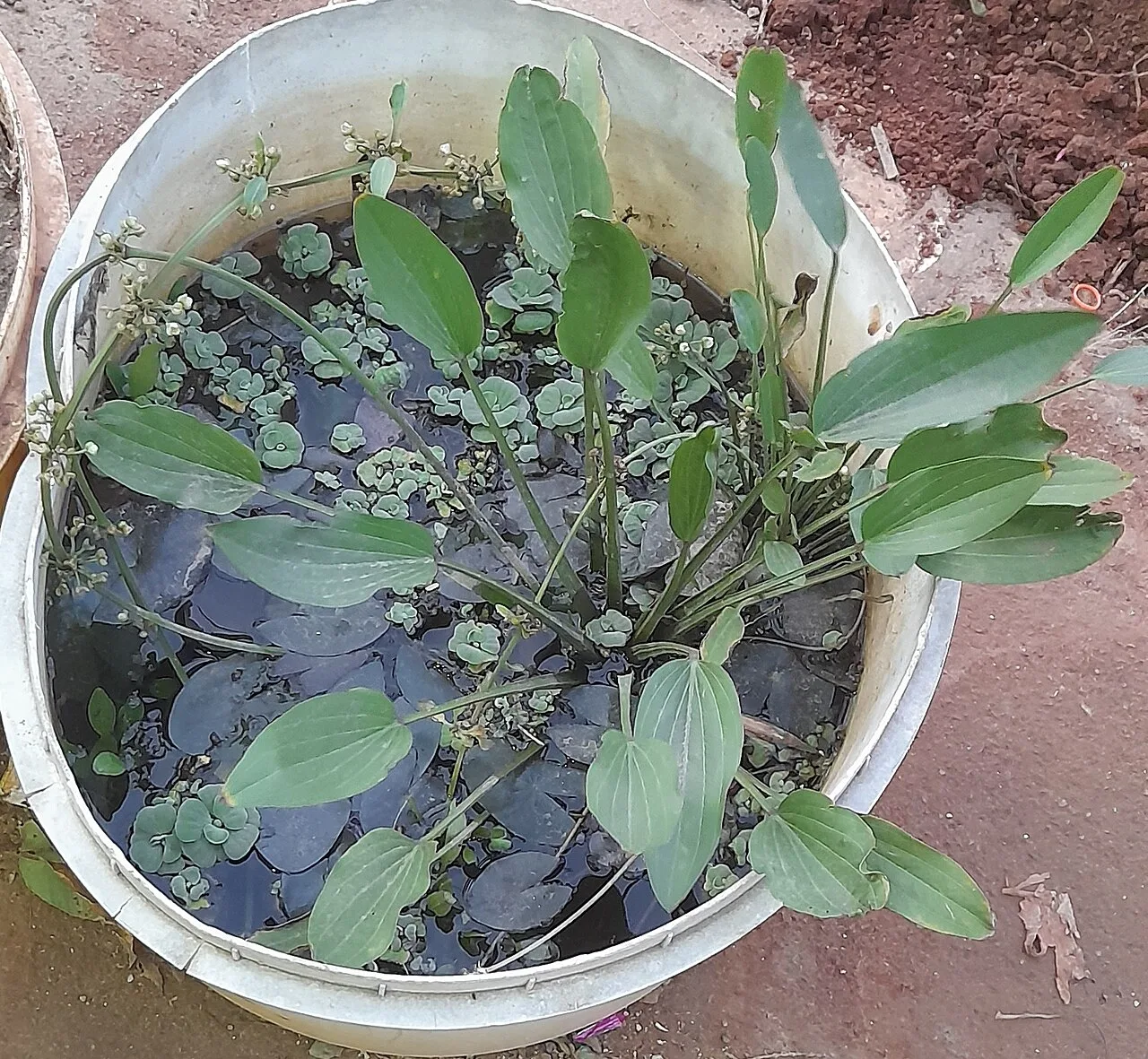
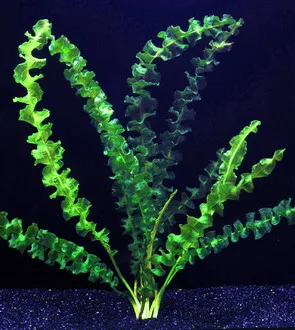
Cryptocoryne albida forms a rosette of narrow, often slightly waved leaves. The colour sits between green and brown, sometimes with a marbled pattern. It stays lower than the large sword plants and taller than Cryptocoryne parva. Several origins differ in width. They want the same quiet.
After planting the leaves often go glassy. The crown usually lives. New leaves come from the centre.
Natural origin
This describes the origin, not how to furnish the aquarium.
Streams in Thailand and Myanmar, in half-shade, in a nutrient-rich substrate. The countries stay a coarse origin.
Light, CO₂ and position
Set it once
22 to 28 °C, medium light, CO₂ helpful, a nutrient-rich substrate. Midground, with room for the rosette. Do not replant it every week. Under a dense floating cover it stretches the leaves. In full light without fertiliser, algae settle on the narrow surface.
Melt
Pull off glassy leaves, leave the crown, keep the values quiet. A soft base is lost. A firm crown without leaves is a wait.
Layout and neighbours
The narrow, wavy leaves in green to brown form loose clumps in the midground. Next to stones in a Thai stream scene with barbs and loaches it looks natural.
Common mistakes
Moving it and fluctuating values trigger crypt melt.
Growth and trimming
Take yellow outer leaves at the base. Do not pull the centre apart. Leave runners until the stand is dense. Next to a waterweed the crypt loses the nutrients.
Propagation
Separate runners with their own roots and several leaves. Propagation is slow.