Cryptocoryne cordata
Cryptocoryne cordata
21 views
A medium crypt with an often heart-shaped leaf base. It stays if it is planted once, and it drops the leaves after a hard change.
- Temperature
- 22 – 28 °C
- pH
- 5.5 – 7.5 pH
- Lighting
- Medium light
- CO₂
- Low CO₂
- Growth rate
- Slow
- Placement
- Midground
2 min read · 244 words
Care profile
Growth form
RosettesPlanting and propagation
- Runners Forms runners in the substrate that grow into new plants. Separate them once they have their own roots.
Placement in the aquarium
Highlighted are the areas where the species is typically used.
- Midground Between foreground and background. Hides transitions and frames stones and wood.
Home & range
Hatched countries are where the species occurs. It lives in particular waters there, not across the whole country. The points name known waters for orientation, not collection sites.
- Country of origin
- Water for orientation
Native
Botanical overview
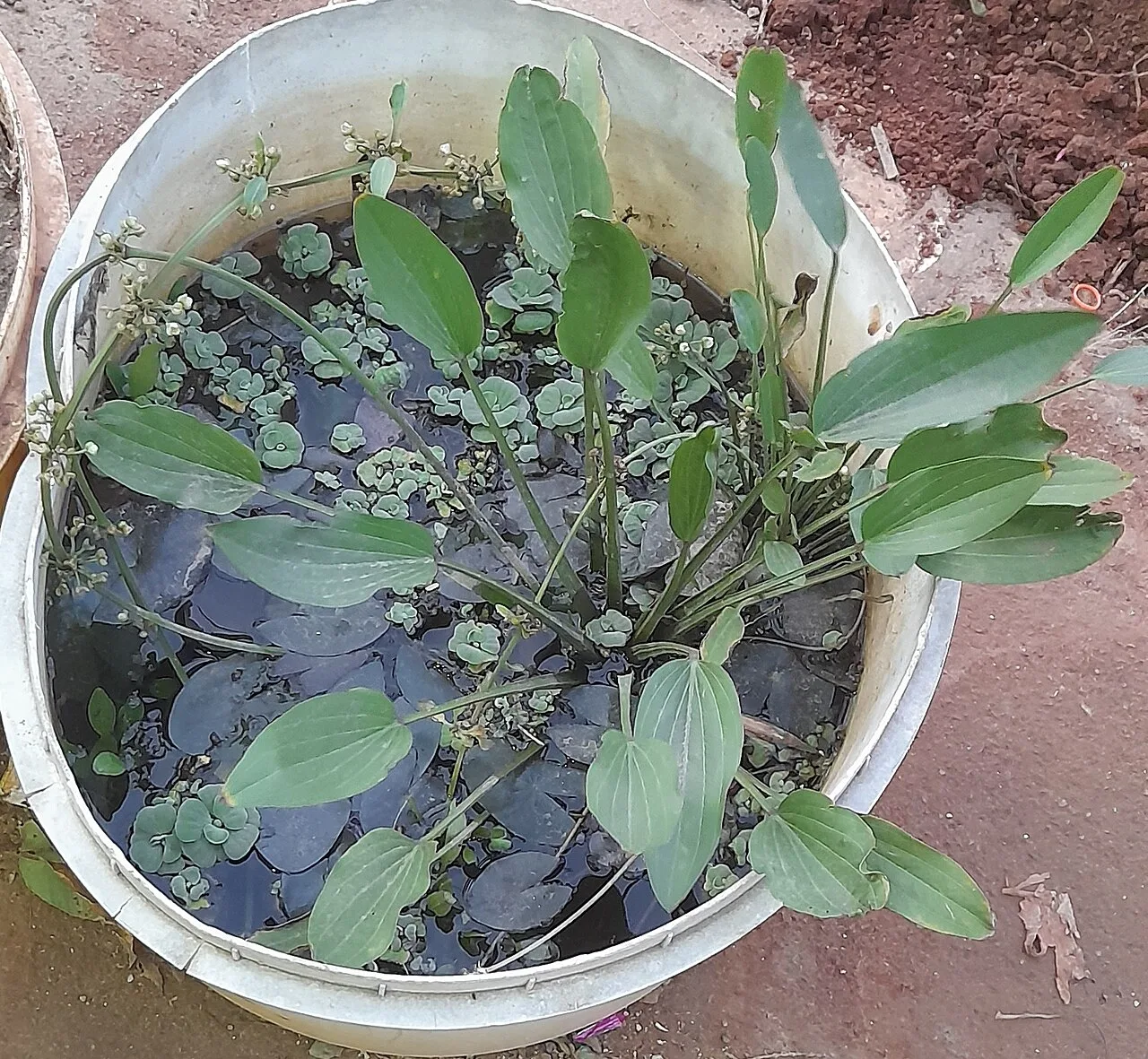
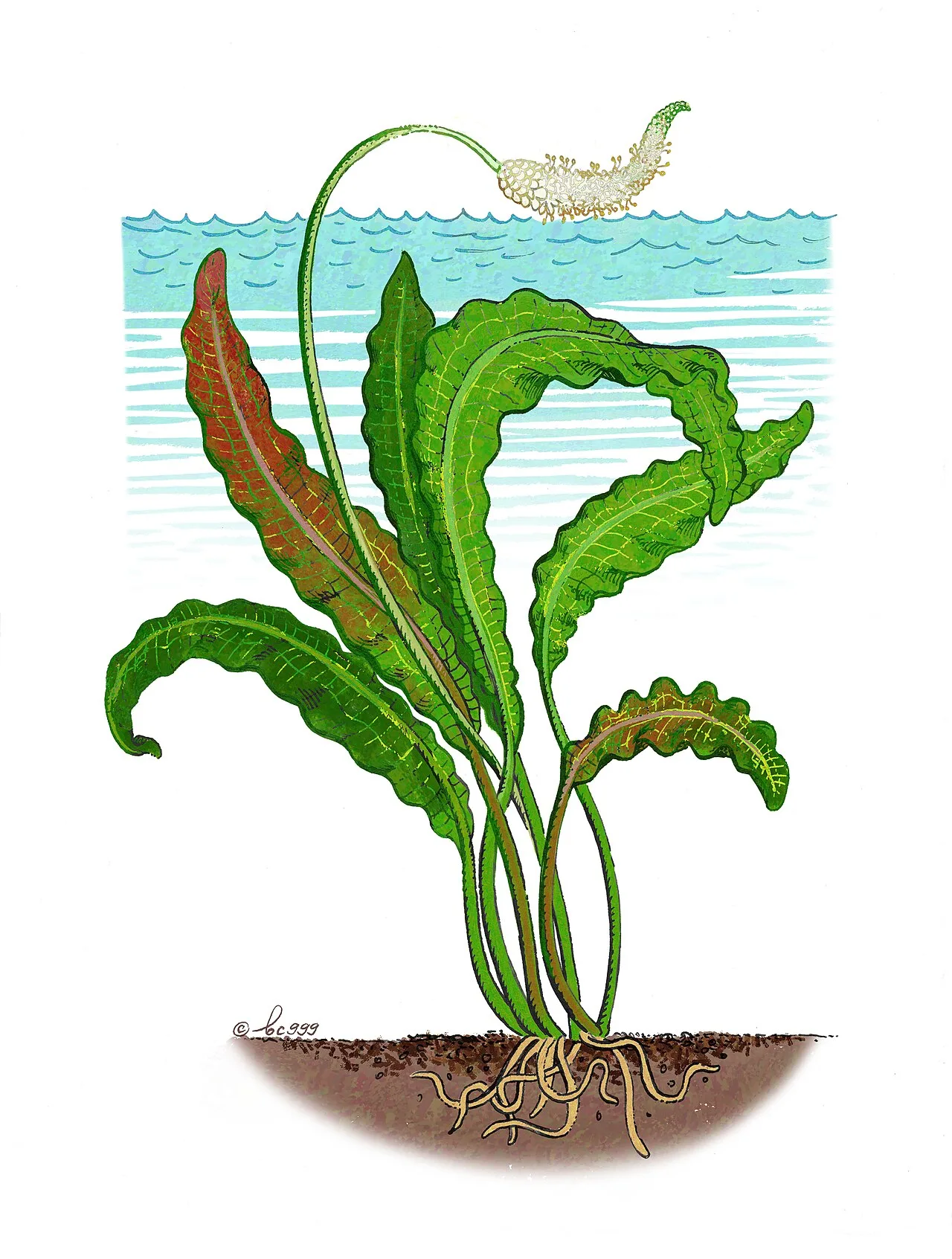
Cryptocoryne cordata forms a rosette of broad leaves, often heart-cut at the base. The colour lies between green and red-brown. The underside can be paler or reddish. Several varieties differ. They want the same quiet.
After a move or a large water change the leaves turn glassy. The crown usually lives. New leaves come from the centre and often look different from those out of the pot.
Natural origin
This describes the origin, not how to furnish the aquarium.
Streams and banks in Thailand, Malaysia and the Greater Sunda Islands, in half-shade, in a nutrient-rich substrate. The origin stays coarse.
Light, CO₂ and position
Plant once
22 to 28 °C, medium light, CO₂ helpful, a nutrient-rich substrate. Midground, with room for the rosette. Do not replant it every week. Under a dense floating cover it stretches the leaves. In direct light without fertiliser, algae settle on the surface.
Melt
Pull off glassy leaves, leave the crown, keep the values quiet. A soft base is lost. A firm crown without leaves is a wait.
Layout and neighbours
The heart-shaped, often reddish patterned leaves look finest in soft, acidic water, for example in a Malaysian tank with harlequin rasboras. Subdued light is enough.
Common mistakes
Hard water and frequent moving. The species is more sensitive than C. wendtii.
Growth and trimming
Take yellow outer leaves at the base. Do not pull the centre apart. Runners stay until the stand is dense. Beside a waterweed the crypt loses the nutrients.
Propagation
Separate runners with their own roots and several leaves. Propagation is slow.