Cryptocoryne walkeri
Cryptocoryne walkeri
5 views
A hardy water trumpet from Sri Lanka with narrow, green to brownish leaves. Considered one of the easiest cryptocorynes.
- Temperature
- 20 – 28 °C
- pH
- 6 – 7.5 pH
- Lighting
- Low light
- CO₂
- No CO₂
- Growth rate
- Slow
- Placement
- Midground
1 min read · 123 words
Care profile
Growth form
RosettesPlanting and propagation
- Runners Forms runners in the substrate that grow into new plants. Separate them once they have their own roots.
Placement in the aquarium
Highlighted are the areas where the species is typically used.
- Midground Between foreground and background. Hides transitions and frames stones and wood.
Home & range
Hatched countries are where the species occurs. It lives in particular waters there, not across the whole country. The points name known waters for orientation, not collection sites.
- Country of origin
- Water for orientation
Native
Botanical overview
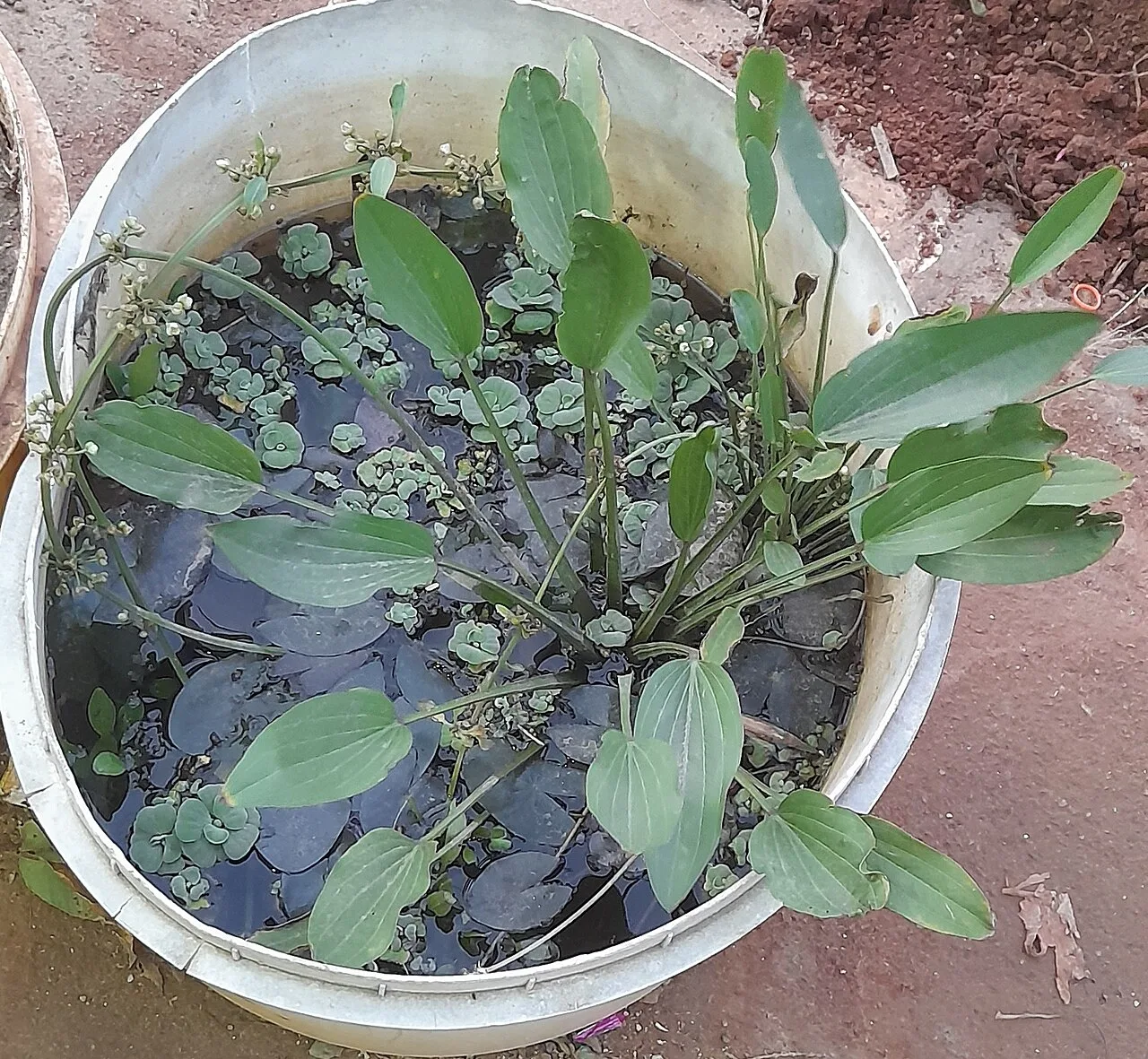
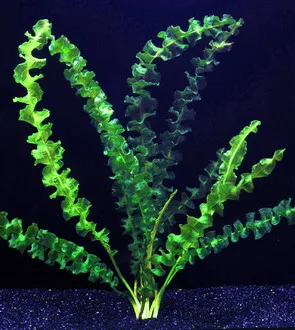
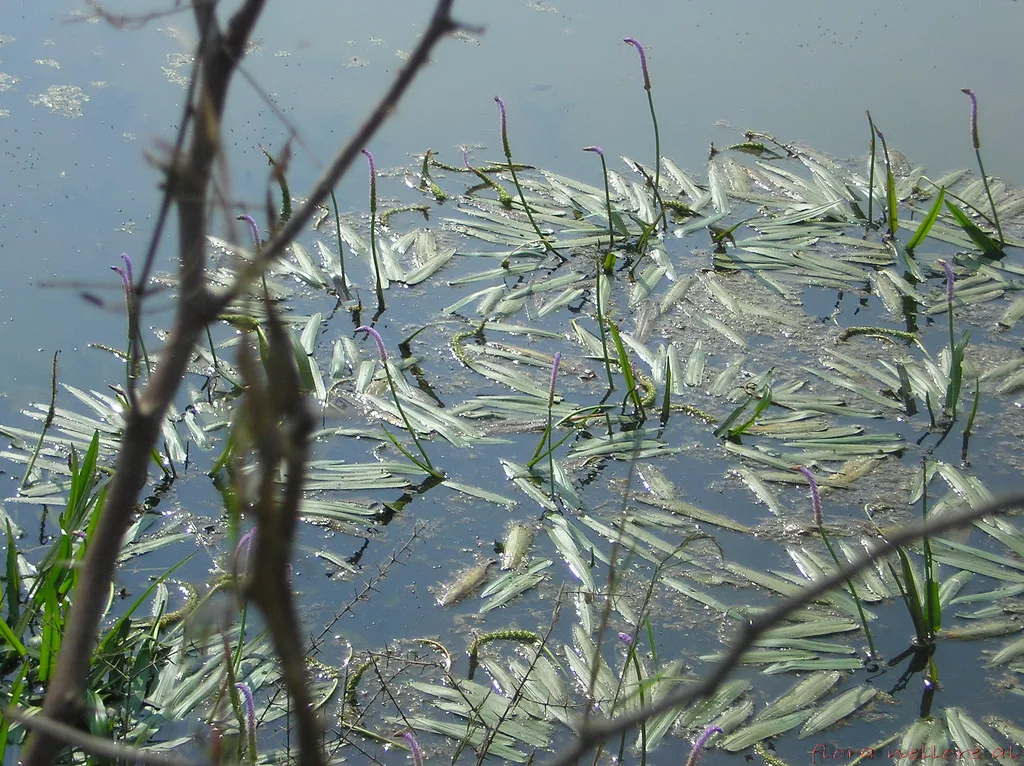
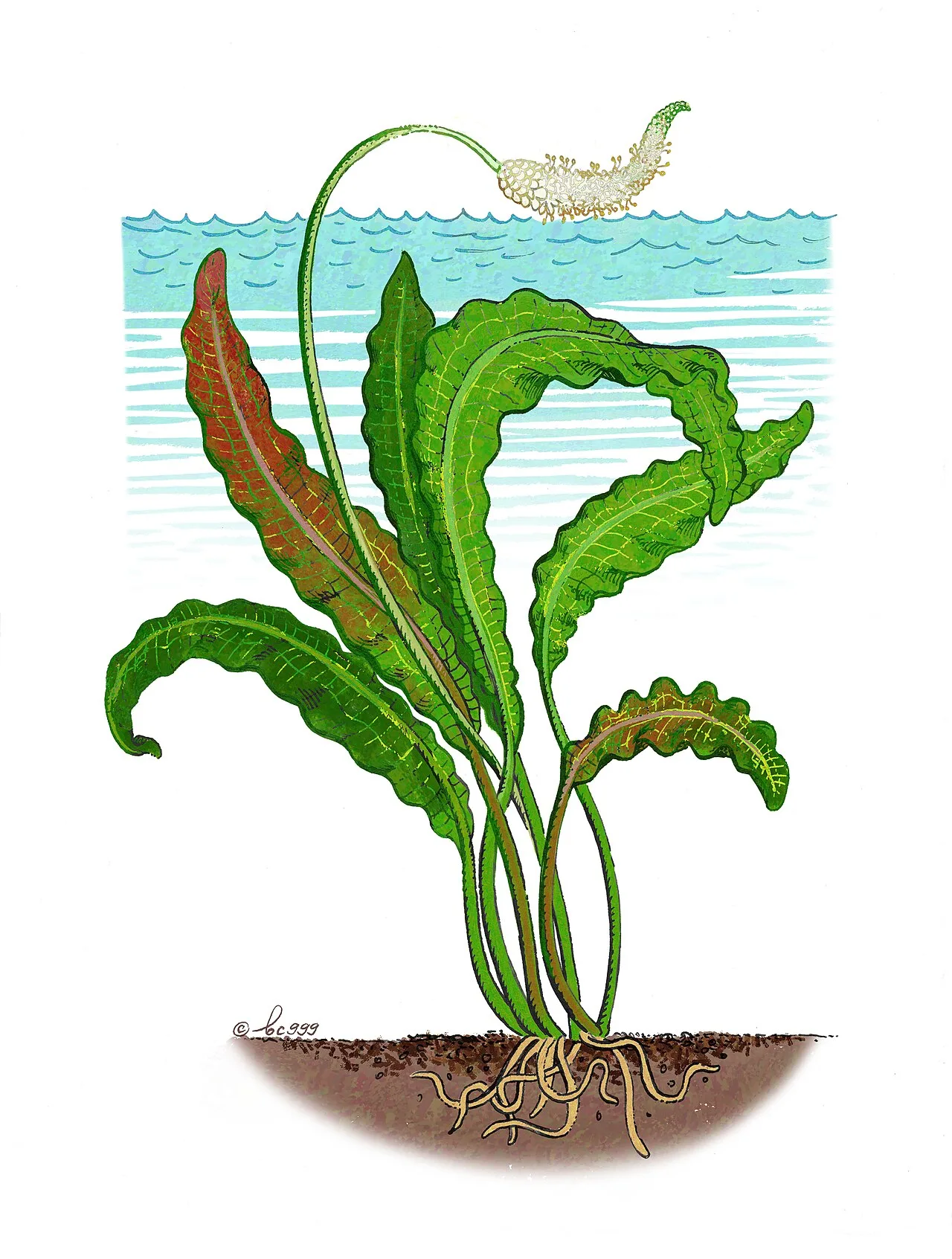
Cryptocoryne walkeri forms lanceolate leaves, green to olive-brown and often reddish below. The forms 'lutea' and 'legroi' now belong to this species. At 10 to 20 cm the plant stays medium-sized.
It is hardy and suits beginners and shady tanks well.
Natural origin
This describes the origin, not how to furnish the aquarium.
The species is endemic to Sri Lanka. It grows in lowland rivers and streams, partly submersed, partly emersed on the bank.
Light, CO₂ and position
Light
Low to medium light.
Fertiliser
Root feeder.
Position
20 to 28 °C, soft to medium-hard. Foreground to midground.
Layout and neighbours
Ideal for getting started with cryptocorynes. In groups in front of roots it creates a dense, calm midground that needs hardly any care.
Common mistakes
Regularly digging up the substrate disturbs the runners.
Growth and trimming
Slow growth. Avoid moving it if possible.