Cyperus helferi
Cyperus helferi
30 views
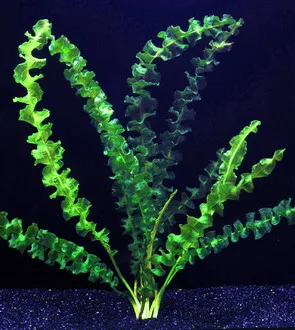
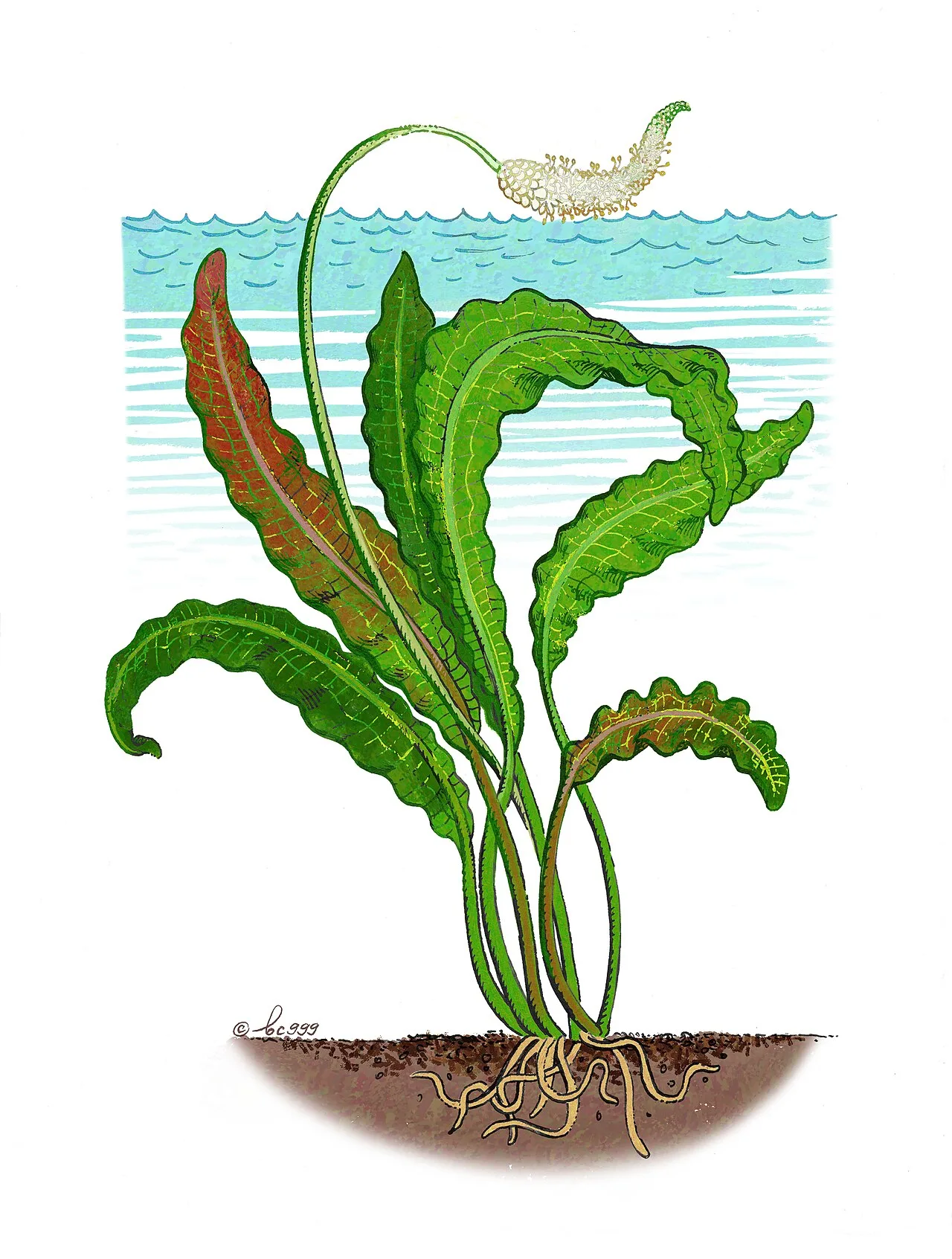
A grass-like rosette for the midground, whose long leaves move in the current. It grows slowly and wants a nutrient-rich substrate.
- Temperature
- 22 – 28 °C
- pH
- 6 – 7.5 pH
- Lighting
- Medium light
- CO₂
- Medium CO₂
- Growth rate
- Slow
- Placement
- Midground
2 min read · 295 words
Care profile
Growth form
RosettesPlanting and propagation
- Runners Forms runners in the substrate that grow into new plants. Separate them once they have their own roots.
Placement in the aquarium
Highlighted are the areas where the species is typically used.
- Midground Between foreground and background. Hides transitions and frames stones and wood.
Home & range
Hatched countries are where the species occurs. It lives in particular waters there, not across the whole country. The points name known waters for orientation, not collection sites.
- Country of origin
- Water for orientation
Native
Botanical overview
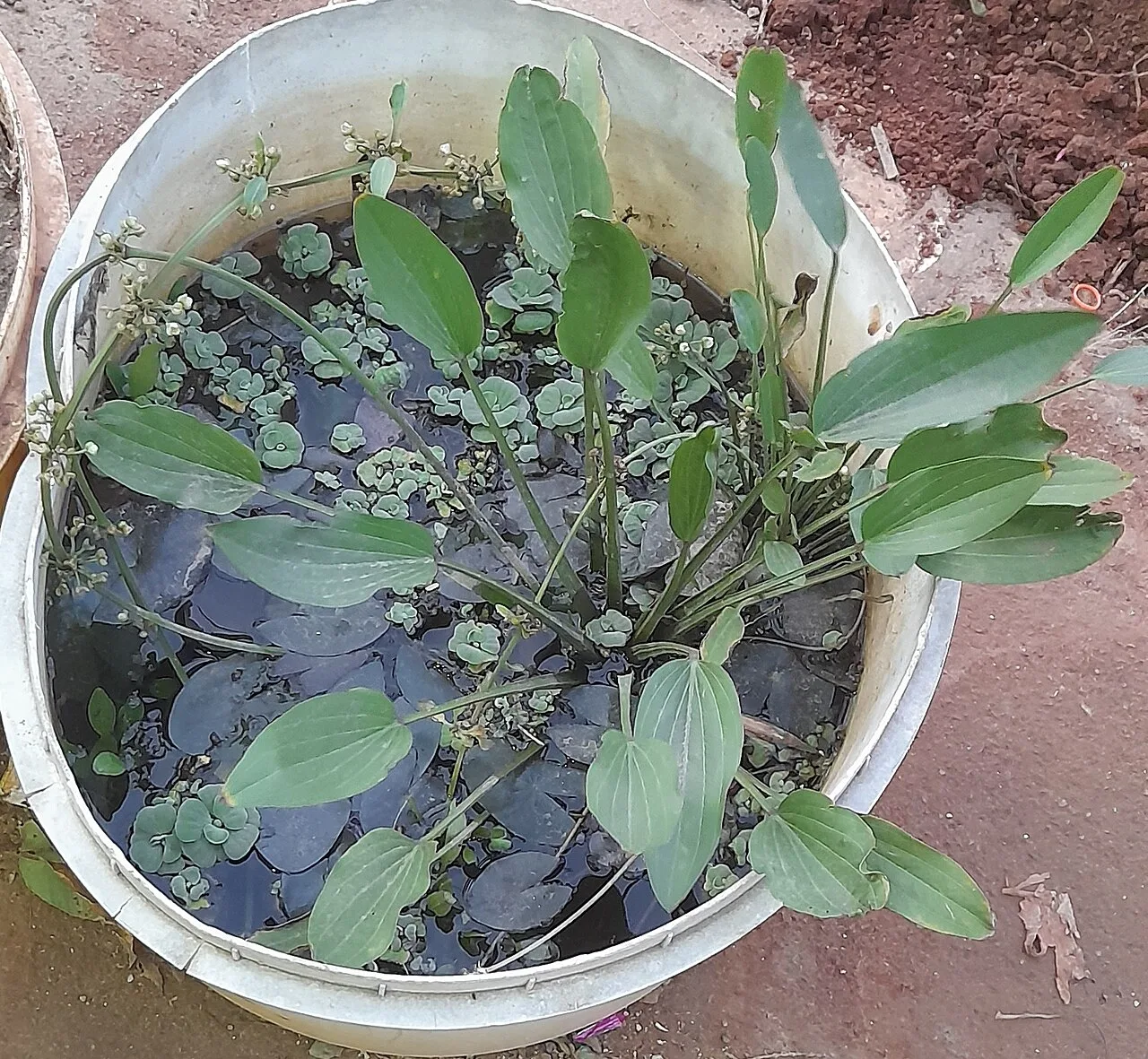
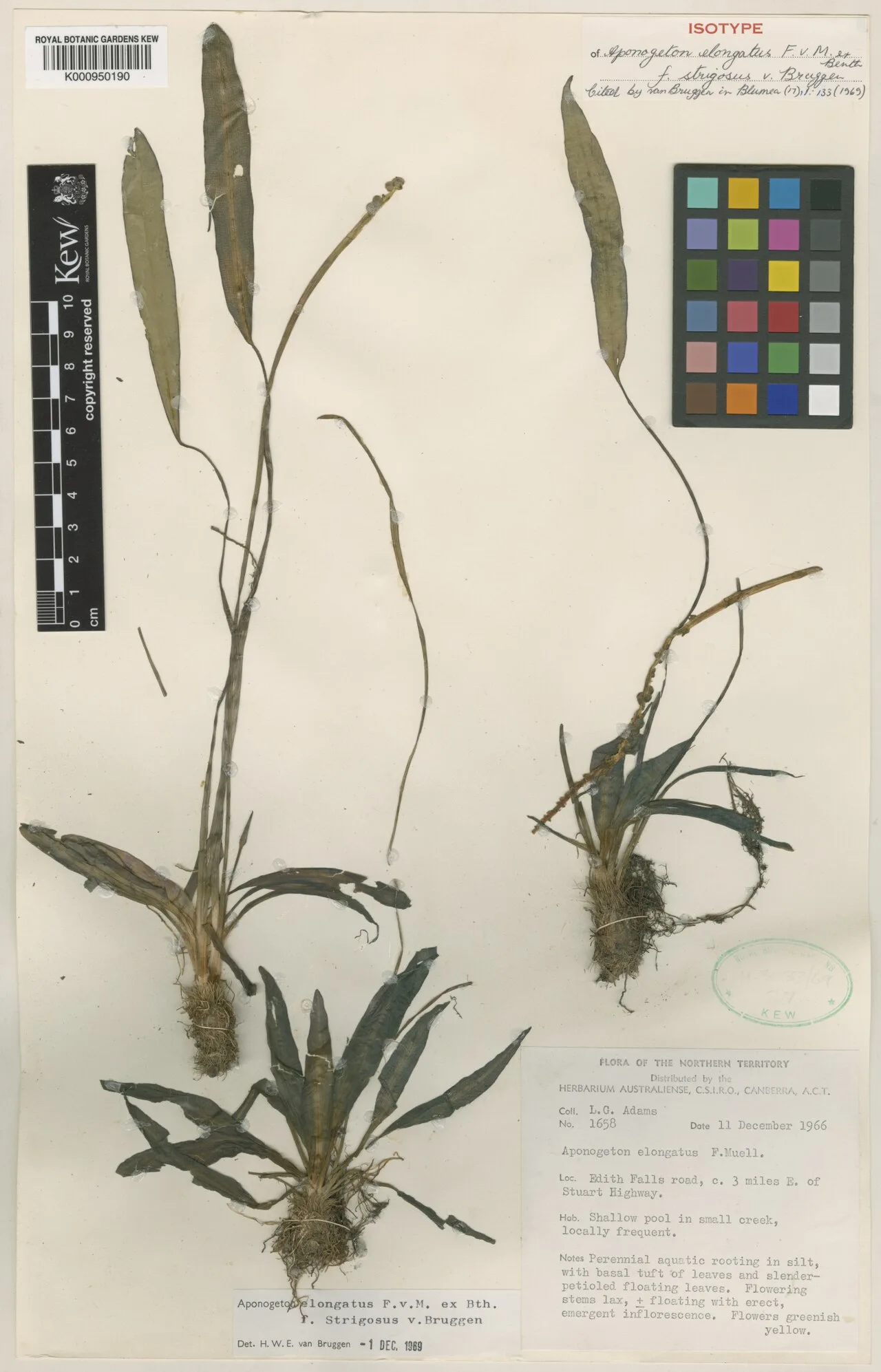
Cyperus helferi sends from a rosette long, narrow, soft leaves that do not stand stiffly upward but fall in an arc into the current. With time the plant becomes a clump and can reach 30 cm and more. It is not a ground cover and not a Vallisneria. The leaves arise from a clear rosette and do not form a runner lawn.
A pot is freed of rock wool and set so that the growing point stays free. Set too deep, new growth stalls.
Natural origin
This describes the origin, not how to furnish the aquarium.
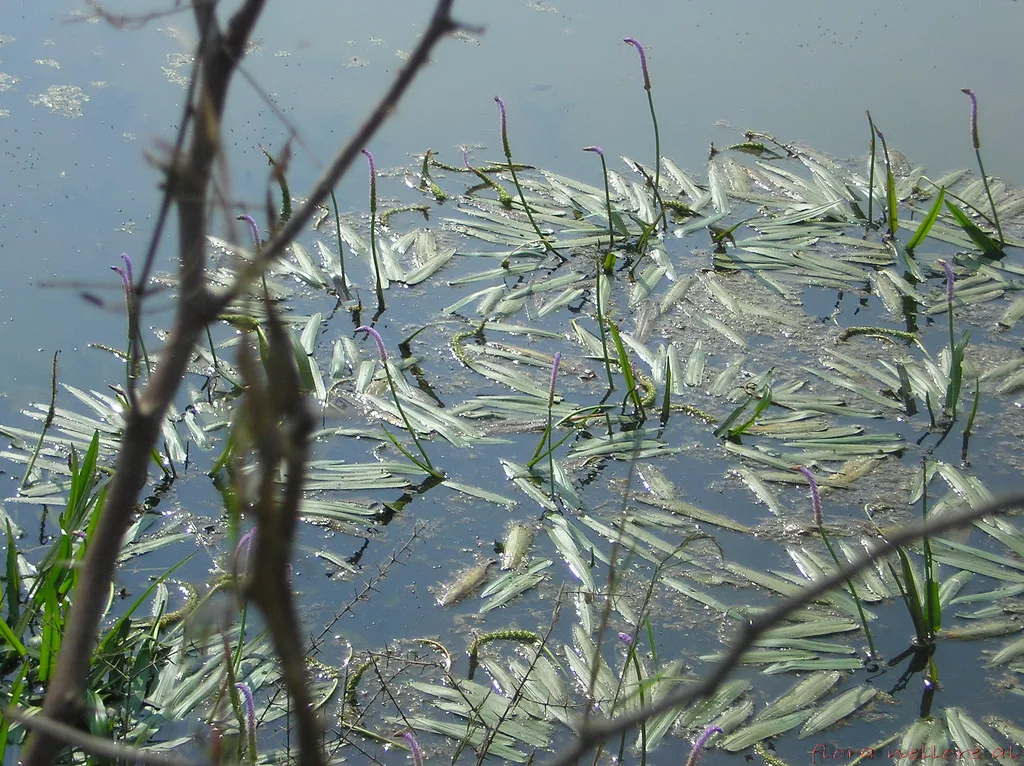
Flowing waters in Thailand, rooted in the substrate, the leaves in the current. Thailand stays the coarse origin. Movement in the water keeps the leaves clean. Still, mulmy water lays detritus into the rosette.
Light, CO₂ and position
Place
Medium to high light, CO₂ helpful, 22 to 28 °C, a nutrient-rich substrate. Midground, with room to the side, some current, but not directly in the filter jet. Plant once and leave it. In the first months little is visible. The plant is rooting.
Neighbours
Fast stems that grow into the rosette are cut. Otherwise the new leaves stay small.
Layout and neighbours
The fine, grassy leaves suit the midground and soft transitions. As a true submersed sedge it is a rarity.
Common mistakes
Too little light and nutrients. The plant then struggles and gets colonised by algae.
Growth and trimming
Take yellow outer leaves at the base. Do not pull the centre apart. Fertiliser capsules in the root zone carry it for months. A plant fed only through the water column turns pale, even though the water measures as nutrient-rich. Old leaves that lie on the bottom and rot are cut off.
Propagation
Division of the clump, when it is large enough and each piece keeps roots and leaves. There are no runners like those of Vallisneria. Propagation is slow.