Duck lettuce
Ottelia alismoides
19 views
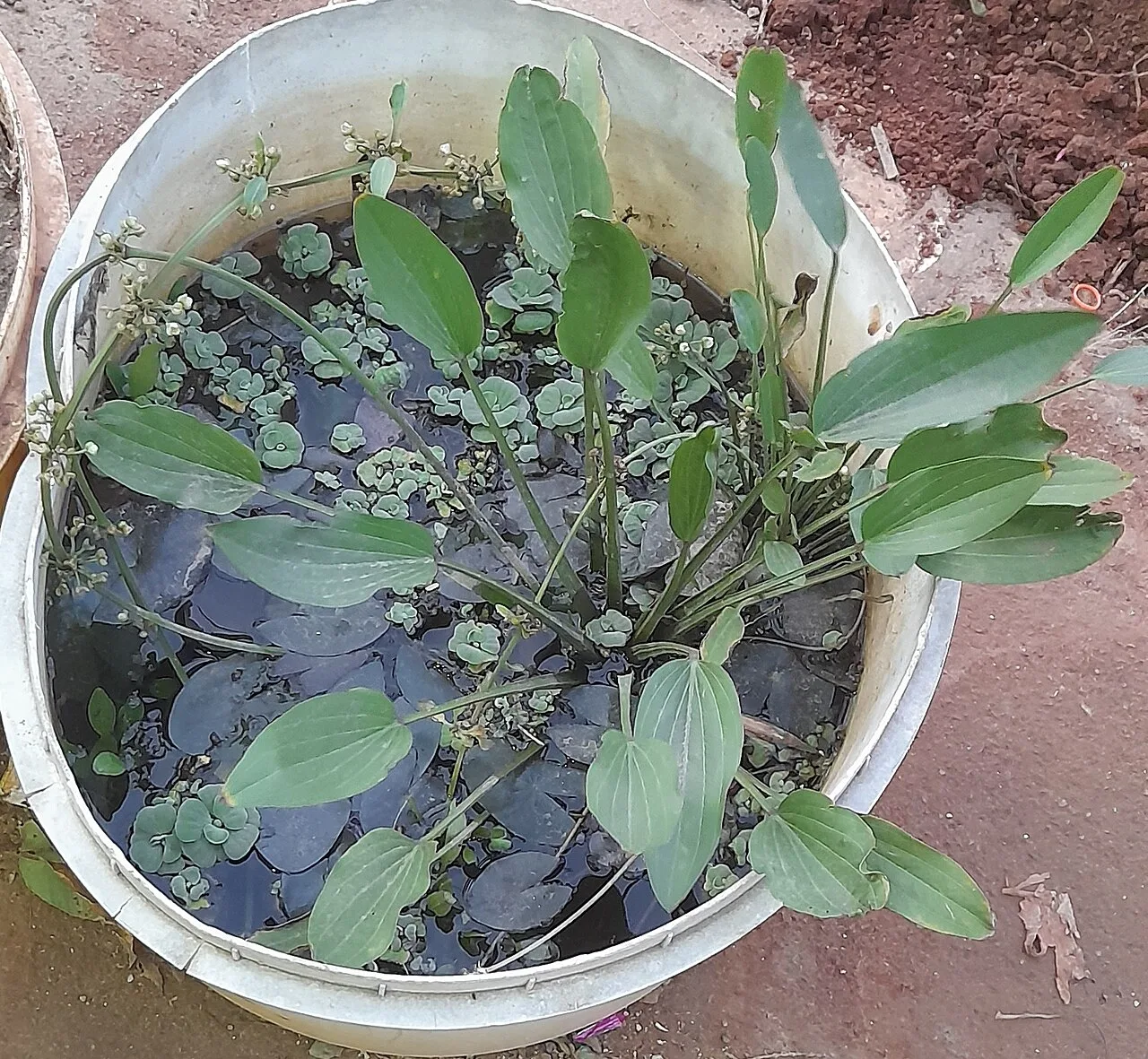
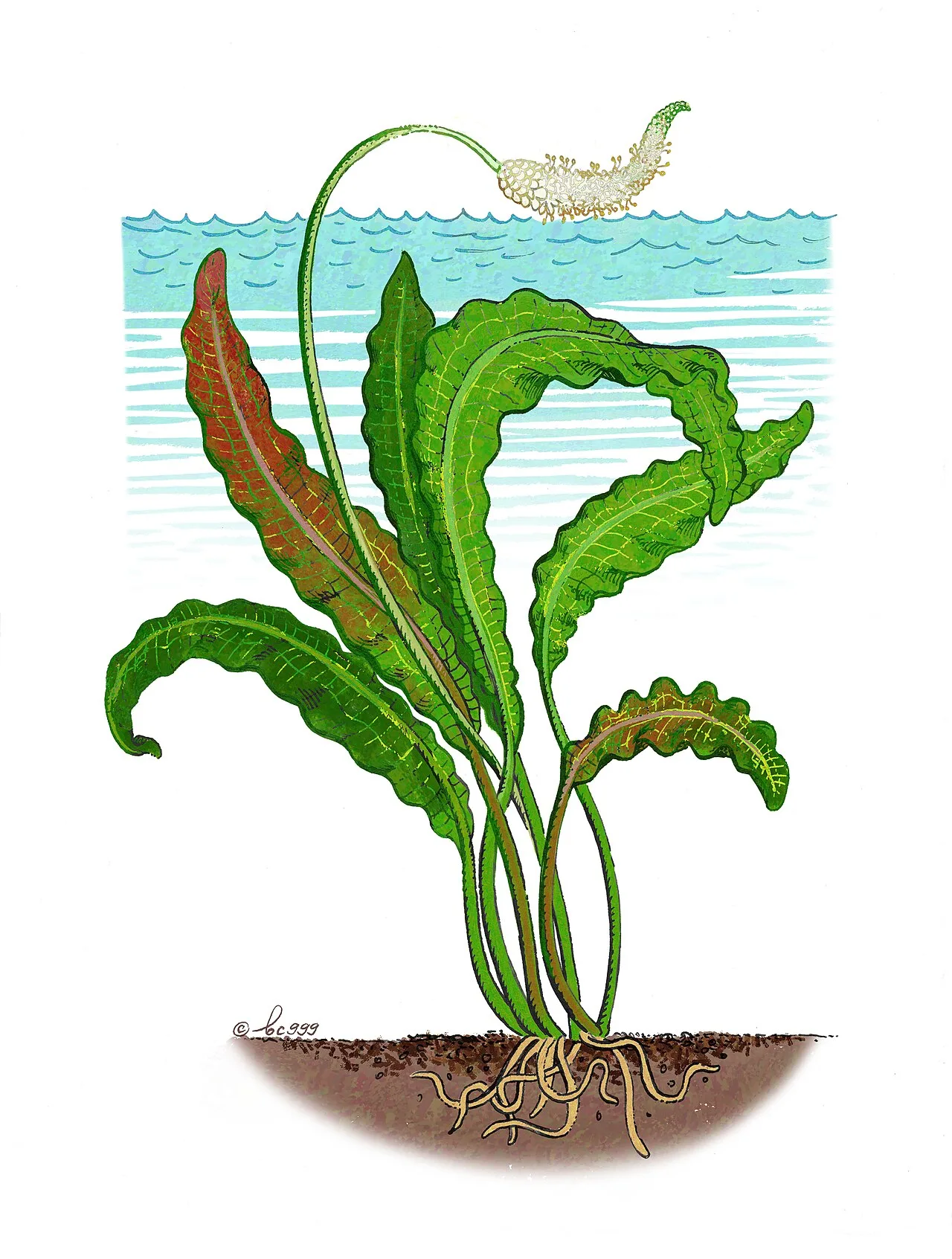
A rosette with broad, often translucent leaves and a flower that can grow above the surface. It becomes a specimen plant.
- Temperature
- 22 – 28 °C
- pH
- 6 – 8 pH
- Lighting
- Medium light
- CO₂
- Medium CO₂
- Growth rate
- Medium
- Placement
- Midground
2 min read · 271 words
Care profile
Growth form
RosettesPlacement in the aquarium
Highlighted are the areas where the species is typically used.
- Midground Between foreground and background. Hides transitions and frames stones and wood.
Home & range
Hatched countries are where the species occurs. It lives in particular waters there, not across the whole country. The points name known waters for orientation, not collection sites.
- Country of origin
- Water for orientation
Native
Botanical overview
Ottelia alismoides sends a rosette of elongate to egg-shaped leaves from a short base. Under water they are soft and pale green, at the surface larger and tougher. A flower can rise above the water. The plant is not a frogbit and not a sword plant. The leaves sit in a bunch and quickly grow large.
In a small tank a single leaf covers the foreground. The place is the midground of a taller tank.
Natural origin
This describes the origin, not how to furnish the aquarium.
Still and slow waters of tropical and subtropical Asia, now found further. The origin stays coarse. The species is rare or protected in some regions. Aquarium plants should be captive-grown.
Light, CO₂ and position
Place
Medium to high light, CO₂ helpful, 22 to 28 °C, a nutrient-rich substrate. A specimen, crown free, not set too deep. Place it once. Digging cichlids expose the base or eat the soft leaves.
Surface
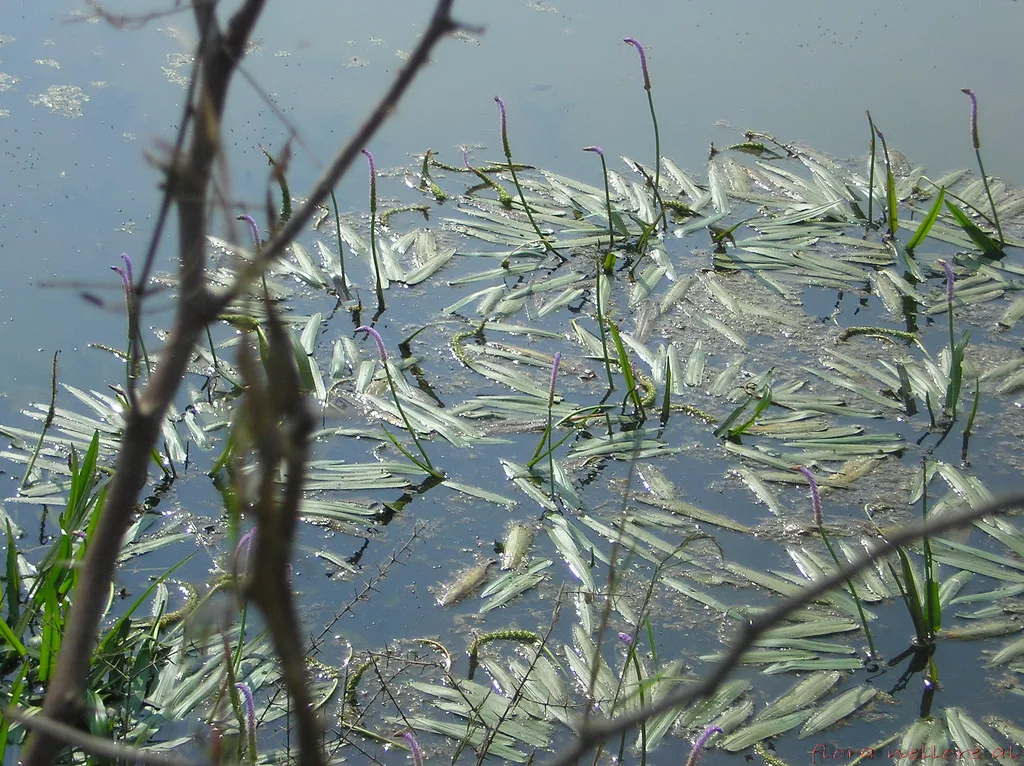
Floating leaves shade the tank. Anyone who wants to keep the underwater form cuts the surface leaves and keeps the light high. The plant makes new ones. That is its strategy.
Layout and neighbours
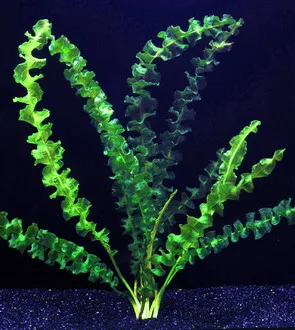
The broad, wavy, translucent leaves form a large rosette. A specimen plant for soft water with good light.
Common mistakes
Snails and herbivores love the delicate leaves.
Growth and trimming
Cut old, holed leaves at the base. Do not tear them out of the rosette. Fertiliser pellets in the root zone carry the large leaves. A plant fed only through the water column stays pale. Yellow outer leaves with firm new growth are often spent.
Propagation
Daughter plants are not the rule. Seed from a flower is possible and slow. Keeping counts the one rosette, not a mass propagation.