Echinodorus macrophyllus
Echinodorus macrophyllus
1 view
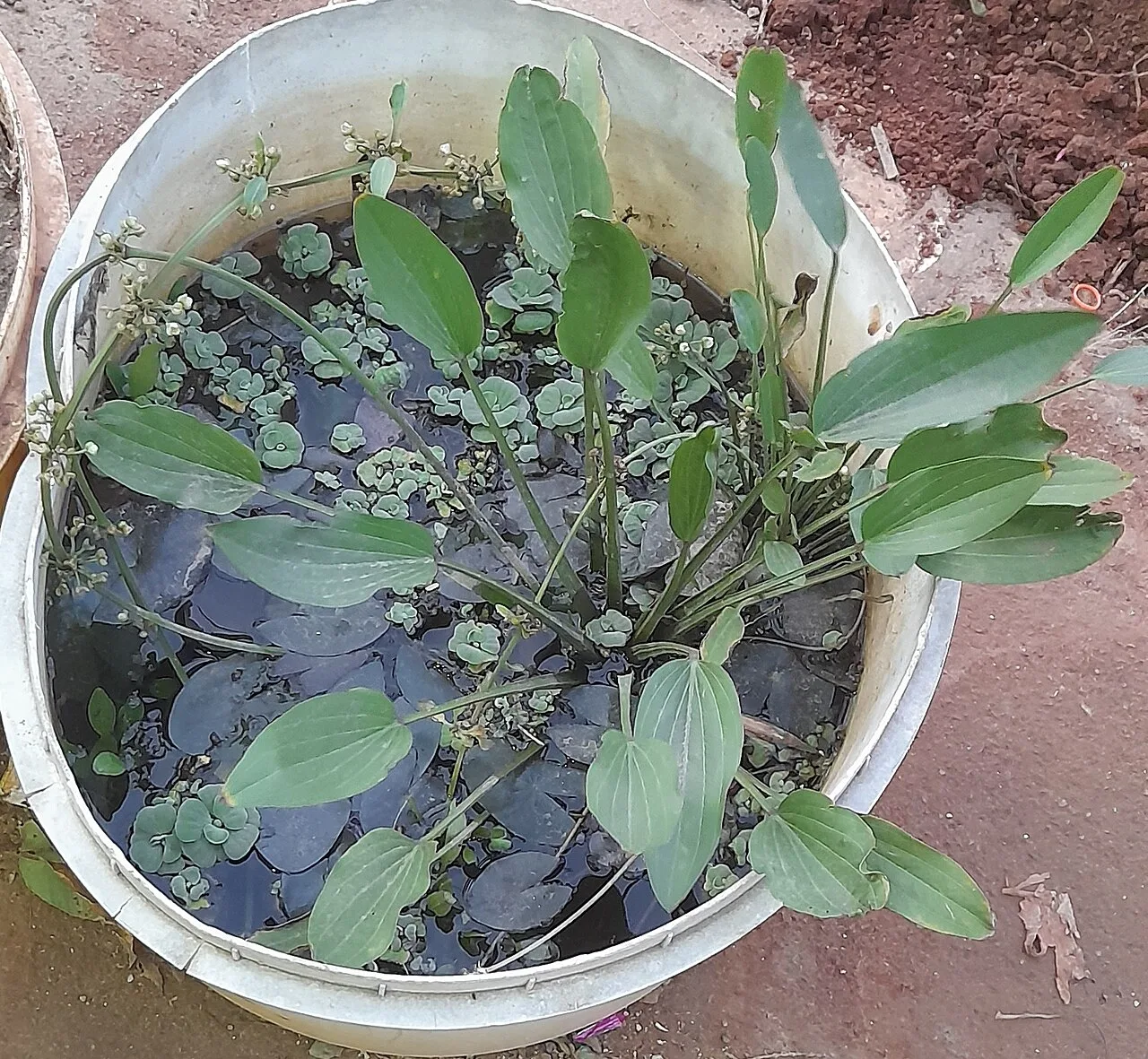
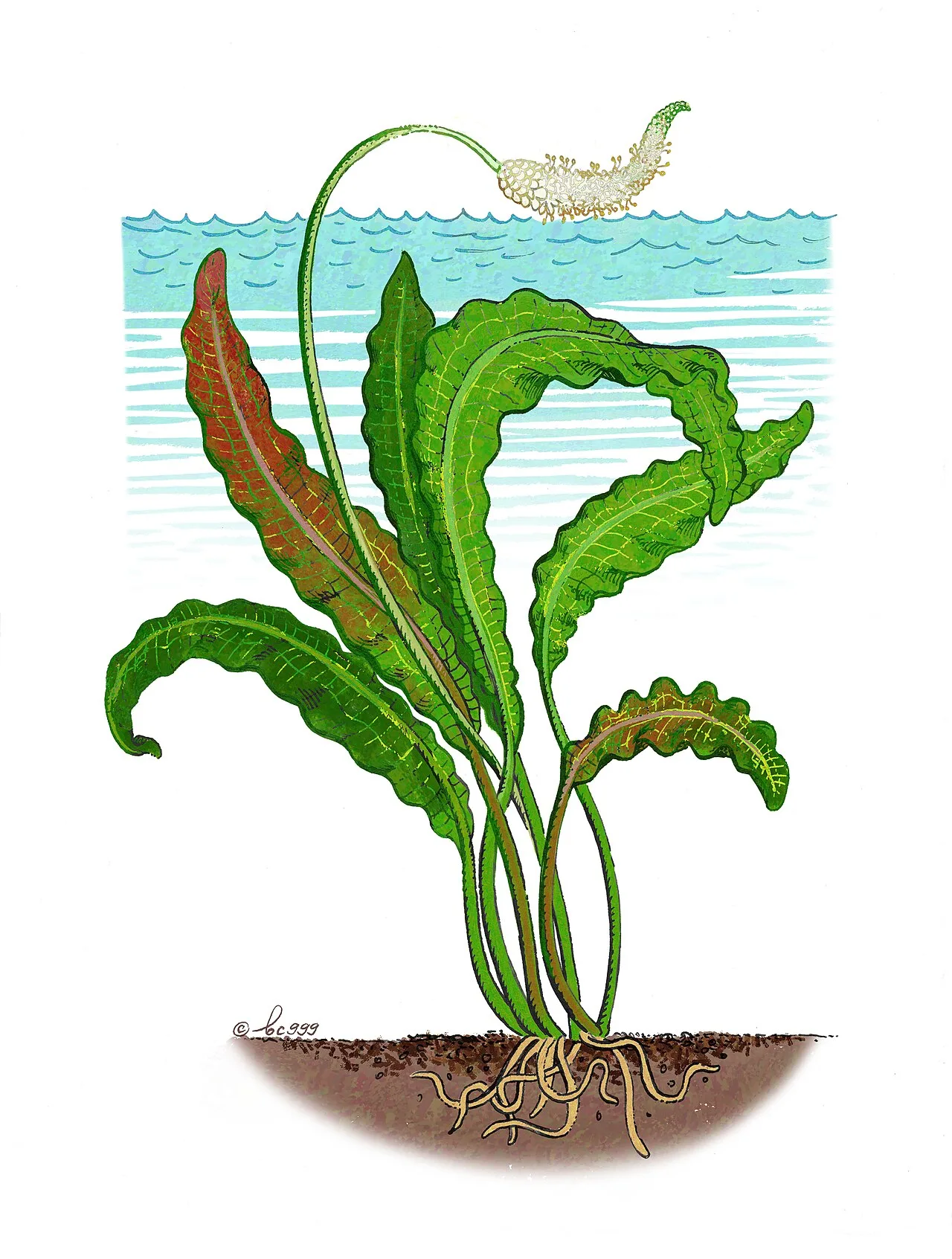
A very large sword plant with broad, heart-shaped leaves. It likes to grow out of the water and suits very large tanks or ponds.
- Temperature
- 20 – 28 °C
- pH
- 6 – 7.5 pH
- Lighting
- Medium light
- CO₂
- Low CO₂
- Growth rate
- Medium
- Placement
- Background
1 min read · 166 words
Care profile
Growth form
RosettesPlanting and propagation
- Adventitious plantlets Forms daughter plants on leaves or rhizome. Remove them once they carry a few roots.
Placement in the aquarium
Highlighted are the areas where the species is typically used.
- Background Along the back wall and the sides. Forms the tall, dense backdrop.
Home & range
Hatched countries are where the species occurs. It lives in particular waters there, not across the whole country. The points name known waters for orientation, not collection sites.
- Country of origin
- Water for orientation
Native
Botanical overview
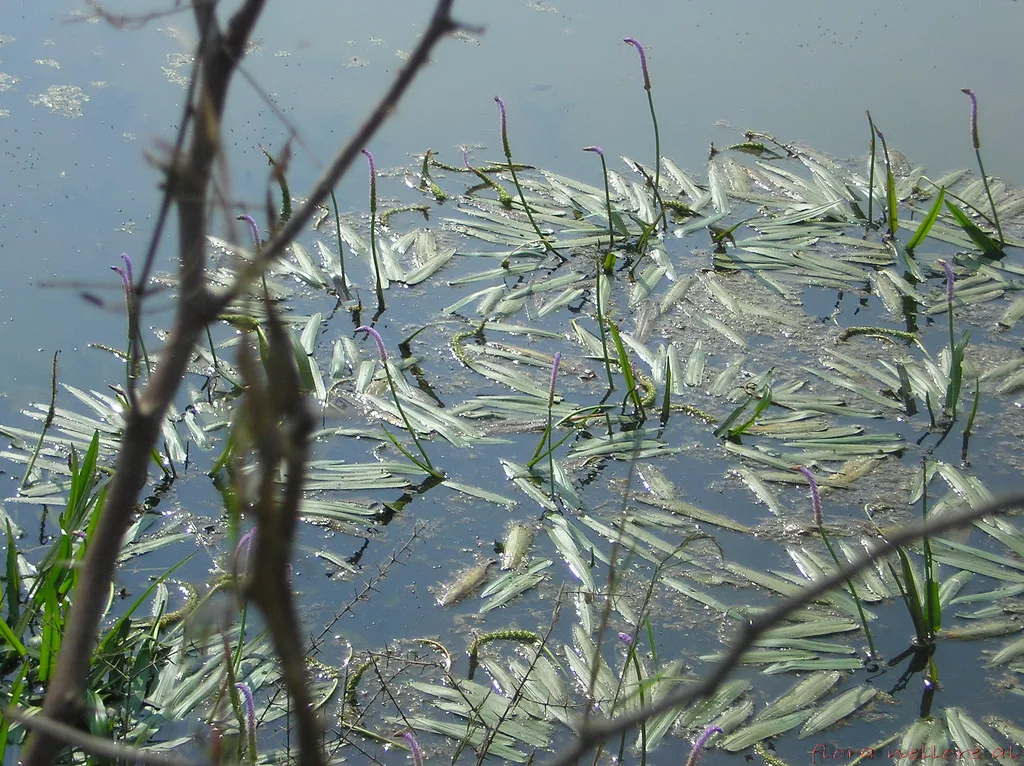
Echinodorus macrophyllus forms broad, heart-shaped leaves with a long blade. Under water the plant stays smaller but tends to push floating and aerial leaves. The leaves are pale green with clearly visible veins.
In the aquarium it is a specimen plant for very large tanks. In summer it can stand in a pond or bog bed.
Natural origin
This describes the origin, not how to furnish the aquarium.
The species comes from Brazil, French Guiana and Argentina. It grows in swamps and on flooded banks, mostly emersed with its roots in water.
Light, CO₂ and position
Light
Medium light.
Fertiliser
A heavy root feeder.
Position
20 to 28 °C. Specimen in large tanks.
Layout and neighbours
In summer in a pond or bog bed, in winter back in the aquarium: that is how many keepers use this large species. In the tank only as a single focal point.
Common mistakes
Leaving aerial leaves; it then stops forming underwater leaves.
Growth and trimming
Cut leaves that grow towards the surface so it stays submersed. A cooler phase in winter slows growth.
Propagation
Adventitious plantlets on the flower stalk.