Echinodorus subalatus
Echinodorus subalatus
1 view
A medium-sized sword plant from Central and South America with narrow leaves and slightly winged stalks.
- Temperature
- 22 – 28 °C
- pH
- 6 – 7.5 pH
- Lighting
- Medium light
- CO₂
- Low CO₂
- Growth rate
- Slow
- Placement
- Midground
1 min read · 117 words
Care profile
Growth form
RosettesPlanting and propagation
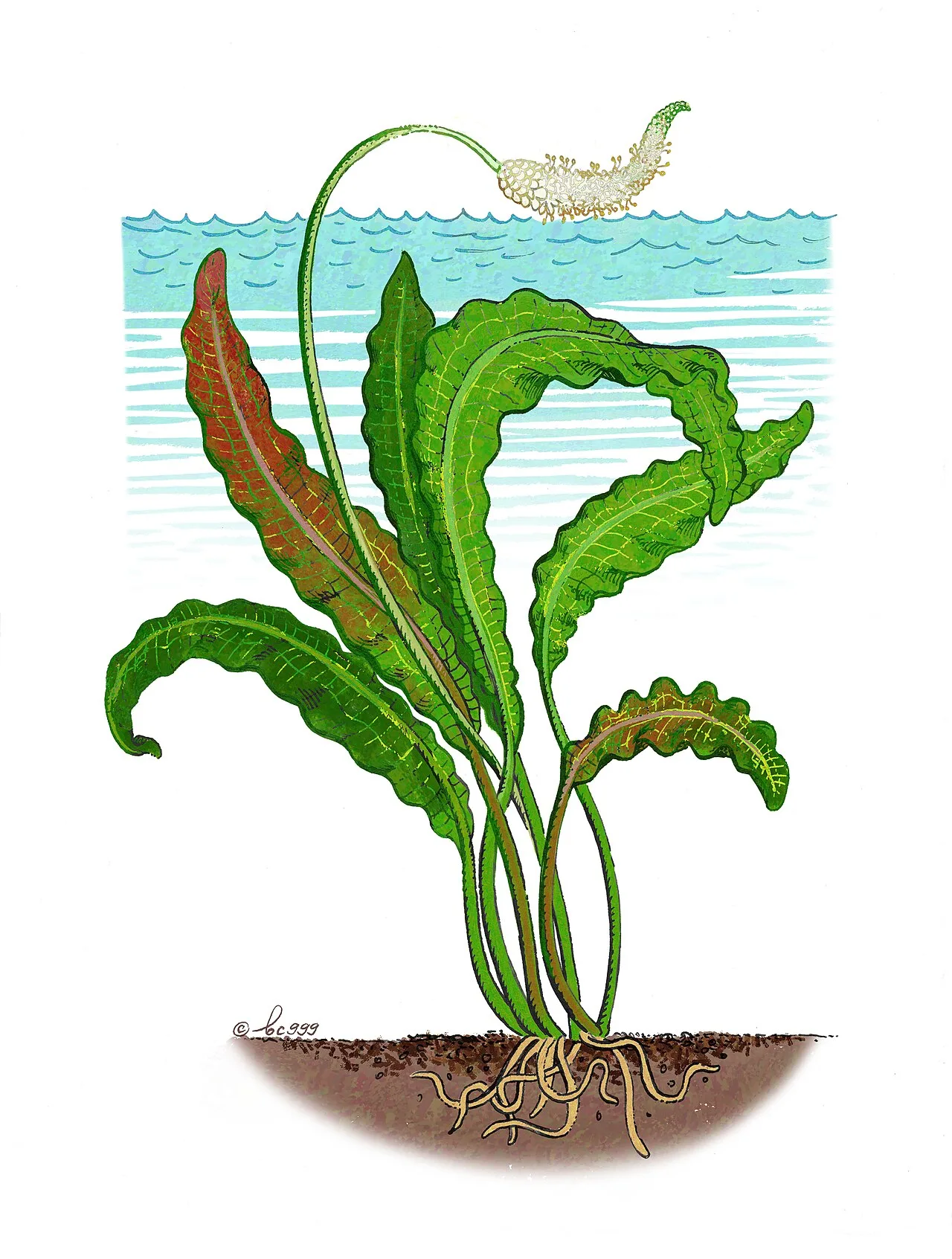
- Rhizome The creeping rhizome stays free above the substrate. Buried, it rots.
- Adventitious plantlets Forms daughter plants on leaves or rhizome. Remove them once they carry a few roots.
Placement in the aquarium
Highlighted are the areas where the species is typically used.
- Midground Between foreground and background. Hides transitions and frames stones and wood.
Home & range
Hatched countries are where the species occurs. It lives in particular waters there, not across the whole country. The points name known waters for orientation, not collection sites.
- Country of origin
- Water for orientation
Native
Botanical overview
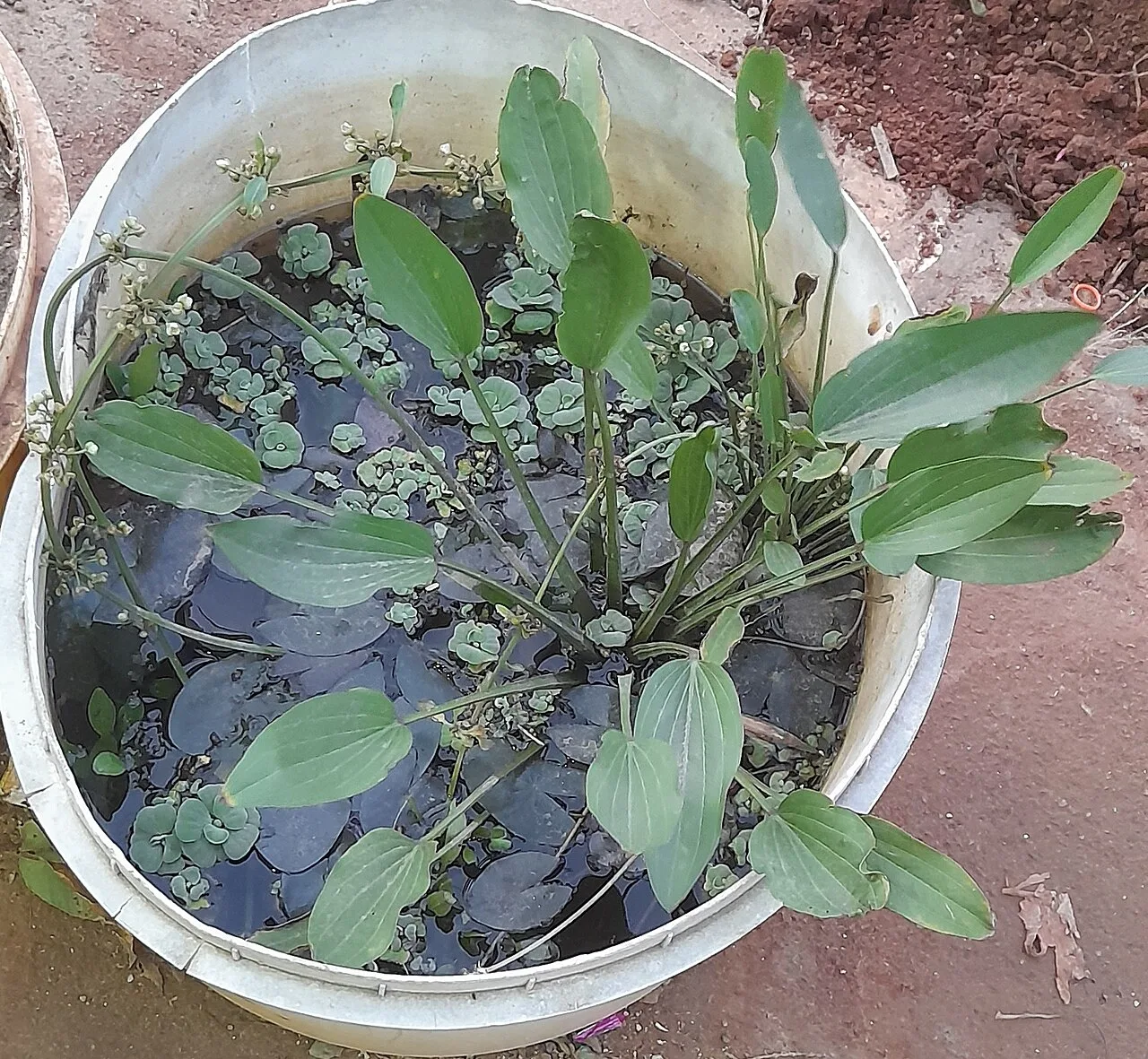
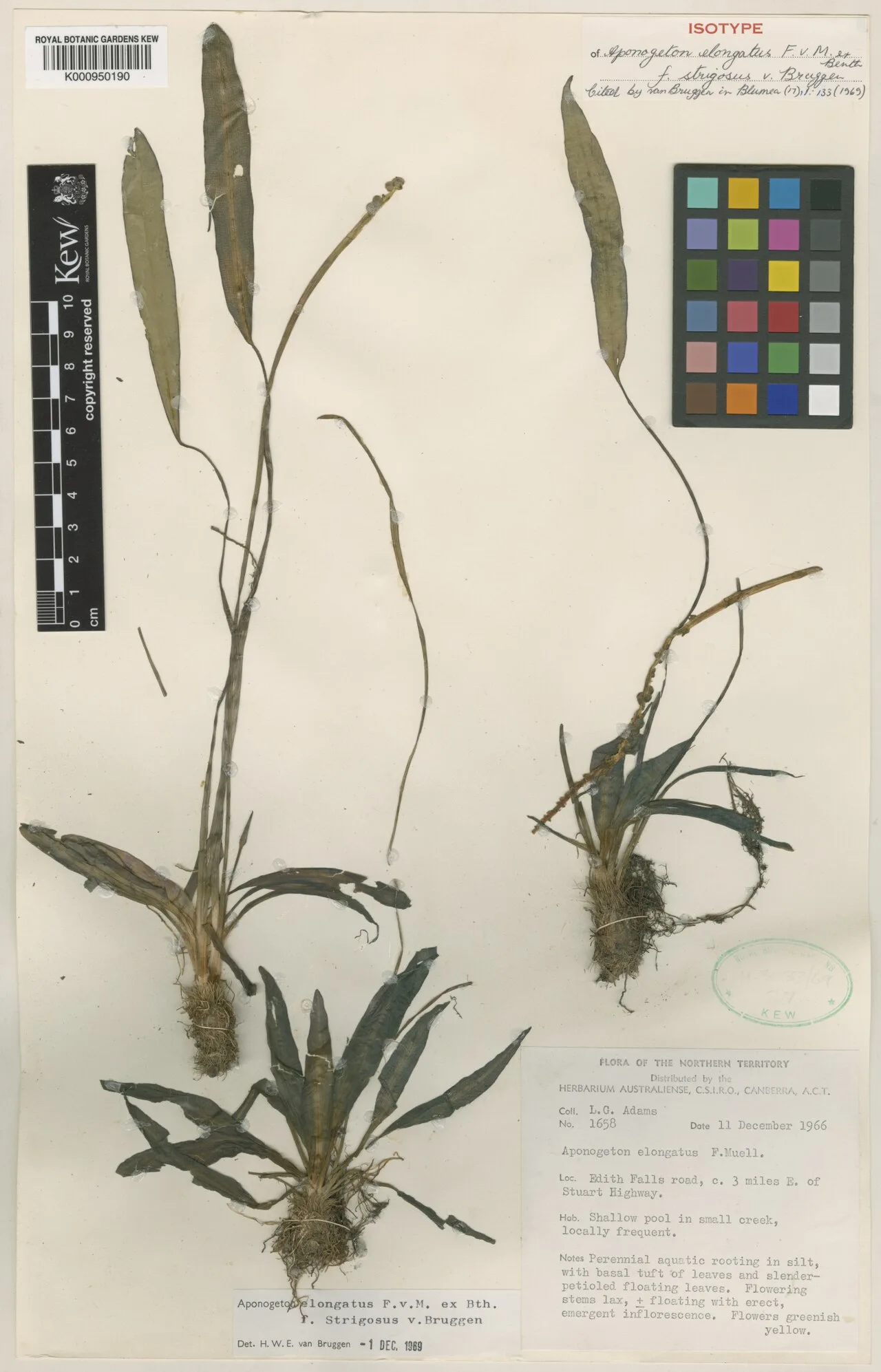
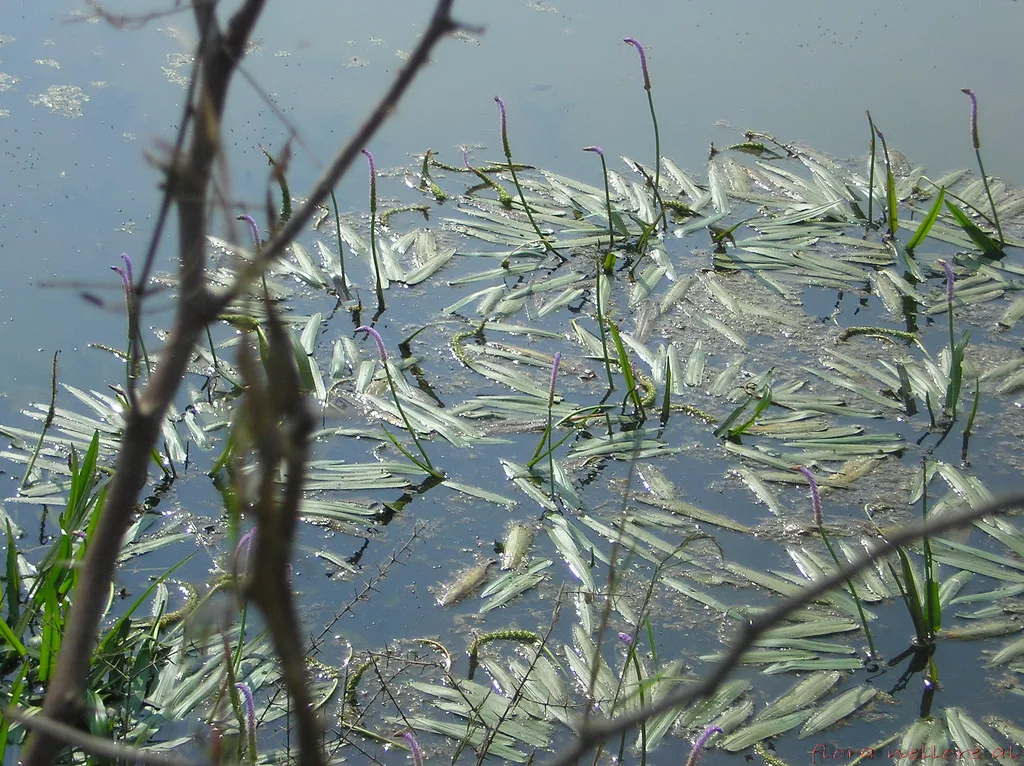
Echinodorus subalatus forms a rosette of narrow lanceolate, pale green leaves. The leaf stalks carry narrow ridges that give them a slightly winged look. Under water the plant stays medium-sized and grows slowly.
In the tank it looks restrained and fits between larger swords and low lawns.
Natural origin
This describes the origin, not how to furnish the aquarium.
The species is native to Cuba, Mexico, Central America, Guyana, Venezuela, Bolivia, Brazil and Paraguay. It grows in mud along stream banks.
Light, CO₂ and position
Light
Medium light.
Fertiliser
Root fertiliser.
Position
22 to 28 °C. Midground.
Layout and neighbours
In the midground of South American tanks between larger swords and low pygmy chain sword lawns.
Common mistakes
Impatience: the slow-growing plant is moved too often.
Propagation
Adventitious plantlets and division of the rhizome.