Helanthium tenellum
Helanthium tenellum
18 views
A small runner ground cover, formerly placed with the Amazon swords. A lawn comes from many single plants and from light.
- Temperature
- 20 – 28 °C
- pH
- 6 – 7.5 pH
- Lighting
- High light
- CO₂
- Medium CO₂
- Growth rate
- Medium
- Placement
- Foreground
2 min read · 331 words
Care profile
Growth form
Ground coverPlanting and propagation
- Runners Forms runners in the substrate that grow into new plants. Separate them once they have their own roots.
Placement in the aquarium
Highlighted are the areas where the species is typically used.
- Foreground At the front of the tank, where the plant stays low and keeps the view open.
- Ground cover Spreads flat over the ground and can form a closed lawn.
Home & range
Hatched countries are where the species occurs. It lives in particular waters there, not across the whole country. The points name known waters for orientation, not collection sites.
- Country of origin
- Water for orientation
Native
Botanical overview
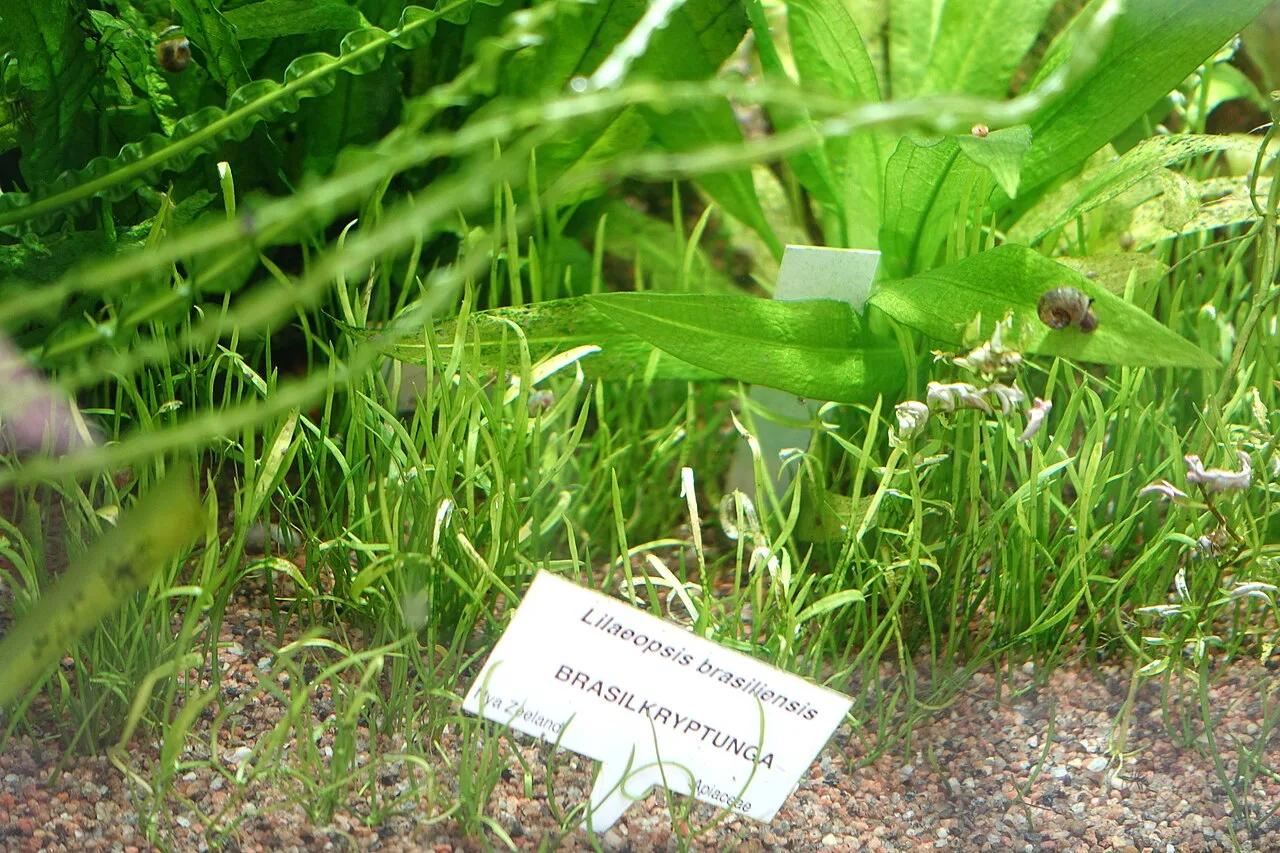
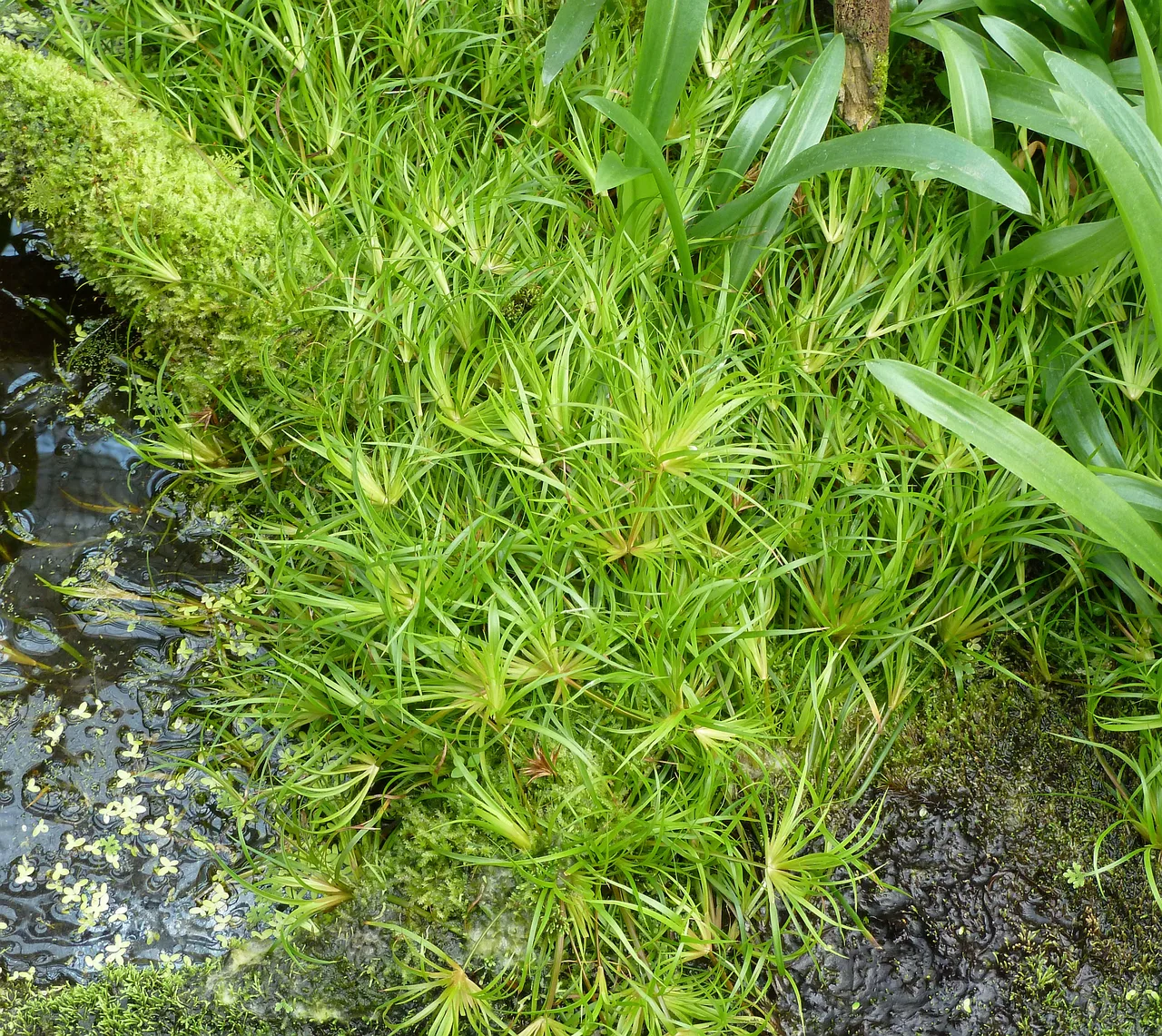
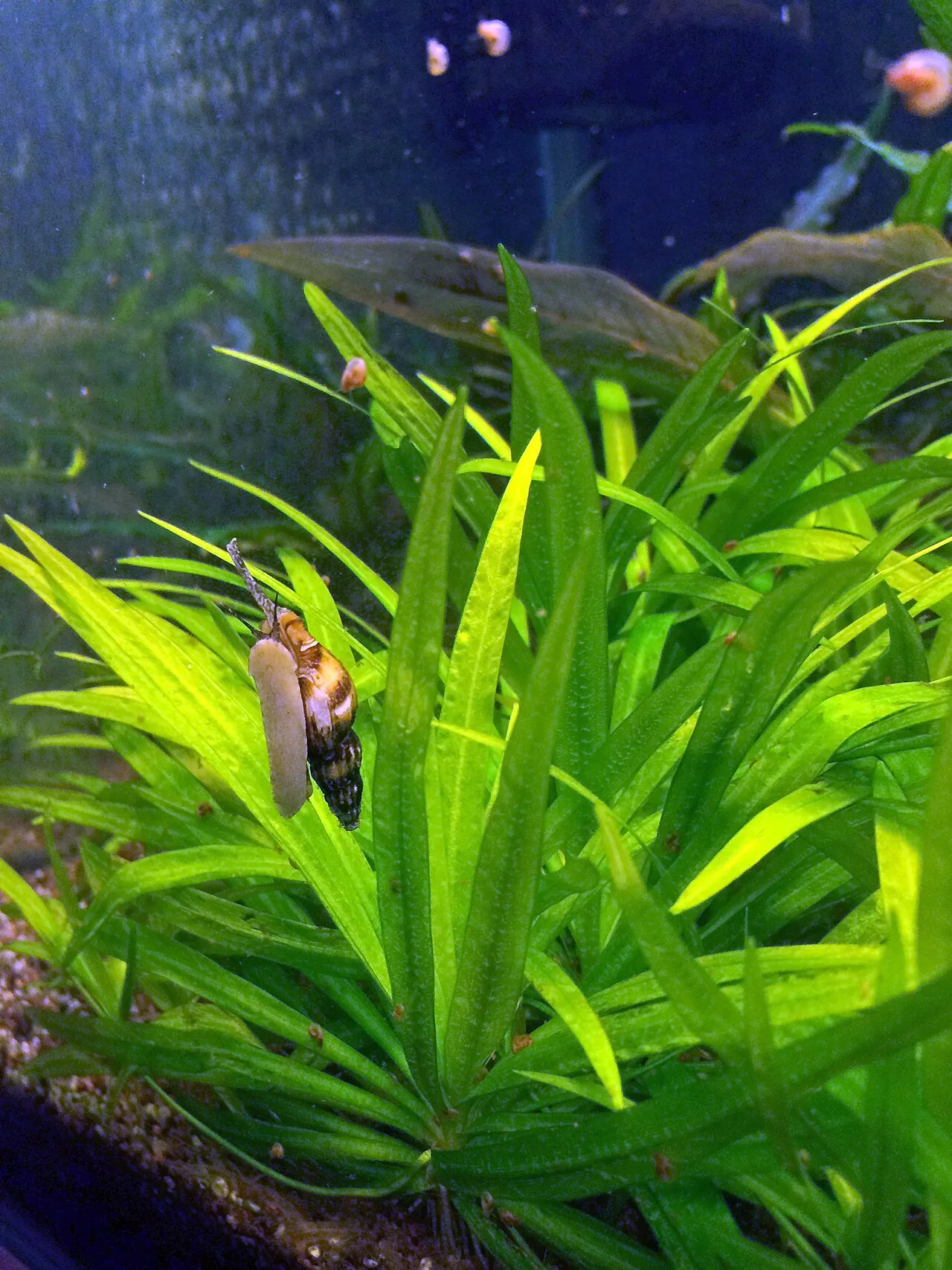
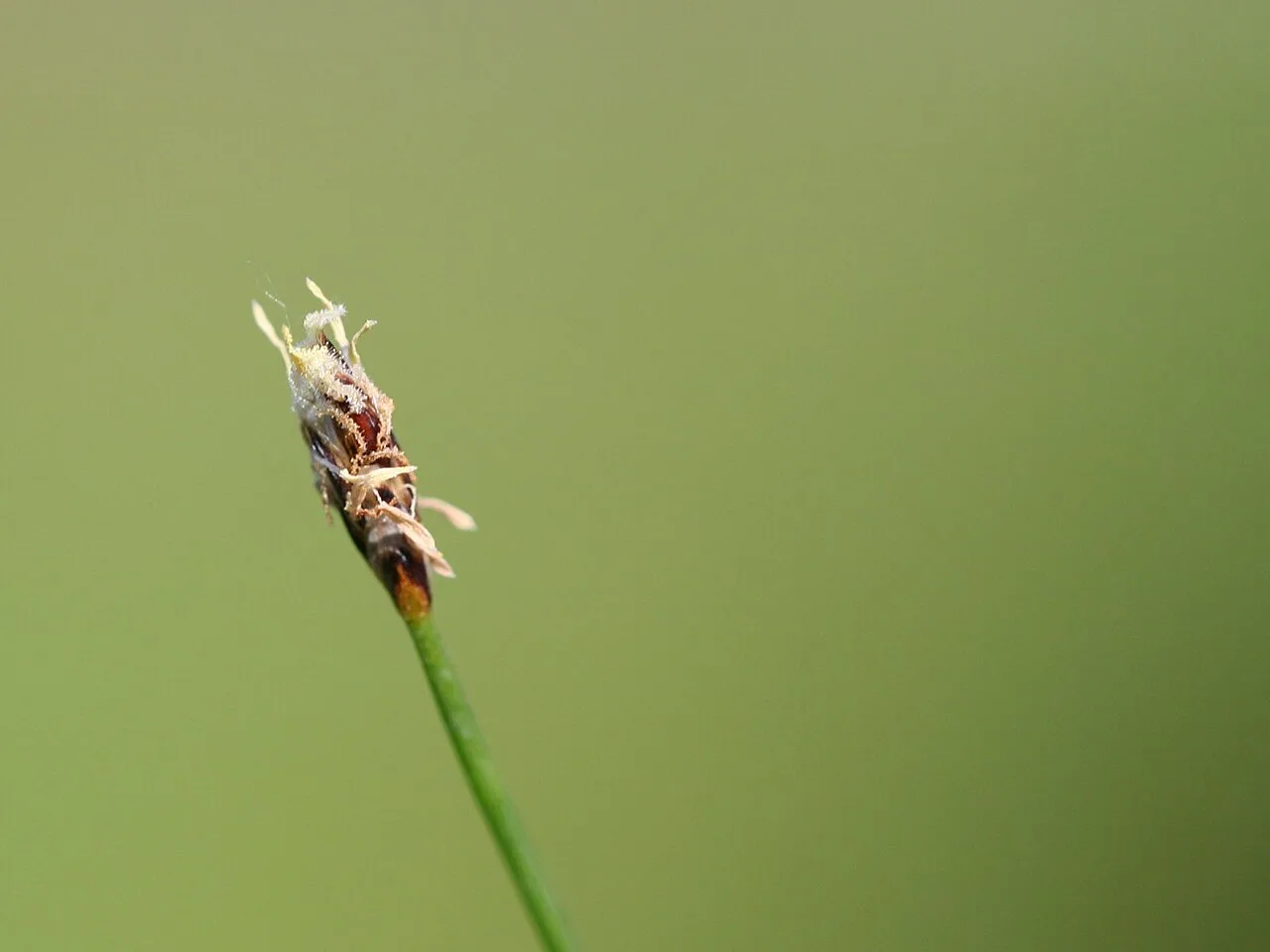
Helanthium tenellum forms small rosettes with narrow leaves and links them by runners. Under strong light the height stays at a few centimetres. In shade the leaves grow long and the plant stands as a loose bush. The species is not Echinodorus grisebachii and not Lilaeopsis. The leaves are broader than hairgrass and clearly a small rosette.
In the pot there is often a dense mat in rock wool. The mat is divided. As a lump it lifts and rots in the middle.
Natural origin
This describes the origin, not how to furnish the aquarium.
Shallow, bright banks in the Americas, at times flooded. The plant knows emersed and submerged growth. In the aquarium it stays submerged if light and substrate are right. The Americas stay the coarse origin.
Light, CO₂ and position
Lawn
High light, CO₂ recommended, 20 to 28 °C, a nutrient-rich substrate. Small rosettes with a gap in the foreground, free of tall shade plants. The area closes over weeks to months. Without CO₂ it often survives, but stays taller and gappier.
Patience
A gappy stand after two weeks is the normal state. The runners fill in if they are not replanted every week. Under frogbit or a dense floating cover the lawn becomes a tall grass.
Layout and neighbours
The fine, grassy leaves form a loose lawn in the foreground through runners. Under strong light the tips turn reddish.
Common mistakes
Too little light and fertiliser: no runners form and the plant disappears.
Growth and trimming
Leaves that are too tall can be cut once the area can carry it. Before that the cut weakens the few rosettes. Yellow patches are replaced together with the small rosette. Siphon mulm from between the plants at the water change, or the lawn turns brown from below.\n\nFertiliser in the substrate is the base. A dose given only into the water reaches the small root less well than food in the substrate.
Propagation
Separate runners with a rosette and roots of their own and set them into the gaps. That is the propagation and the way the area becomes dense.