
Hygrophila pinnatifida
Hygrophila pinnatifida
16 views
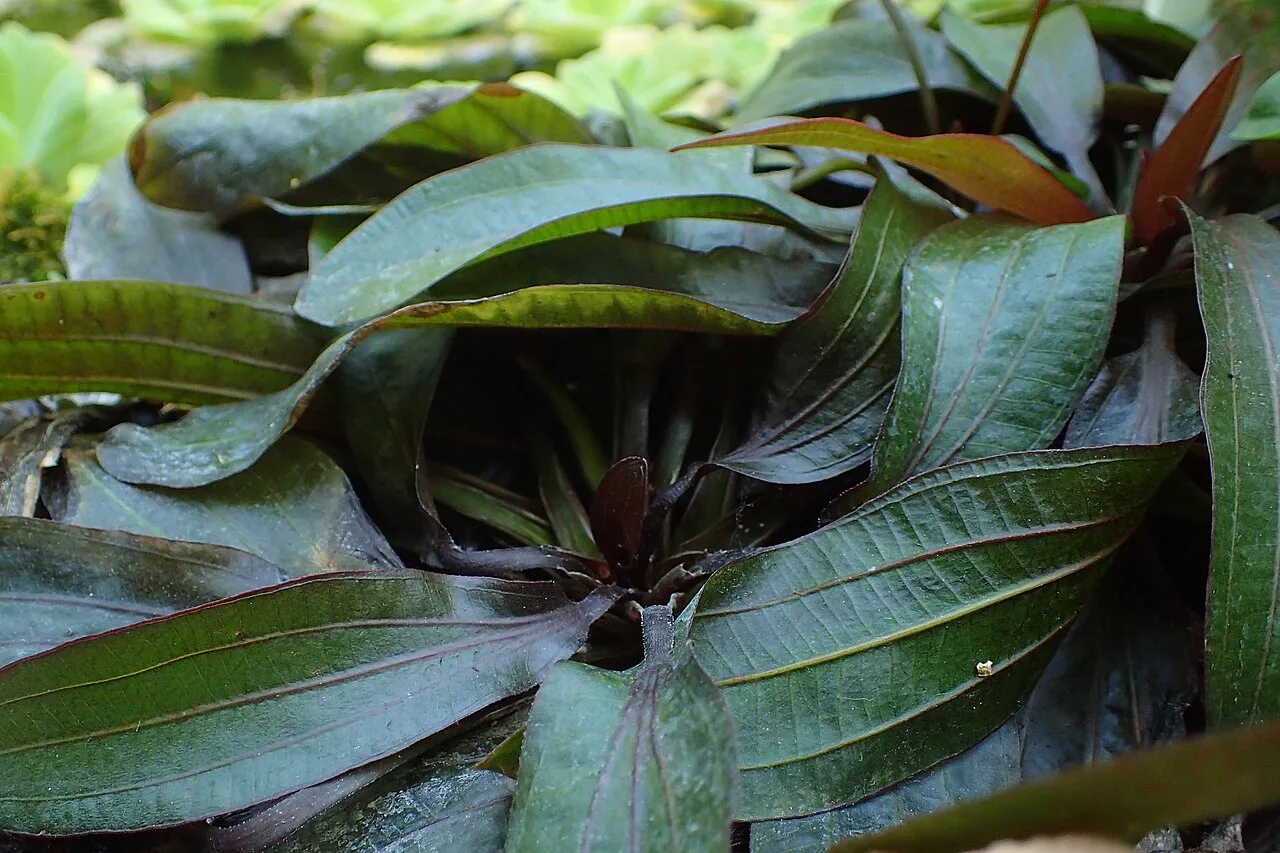
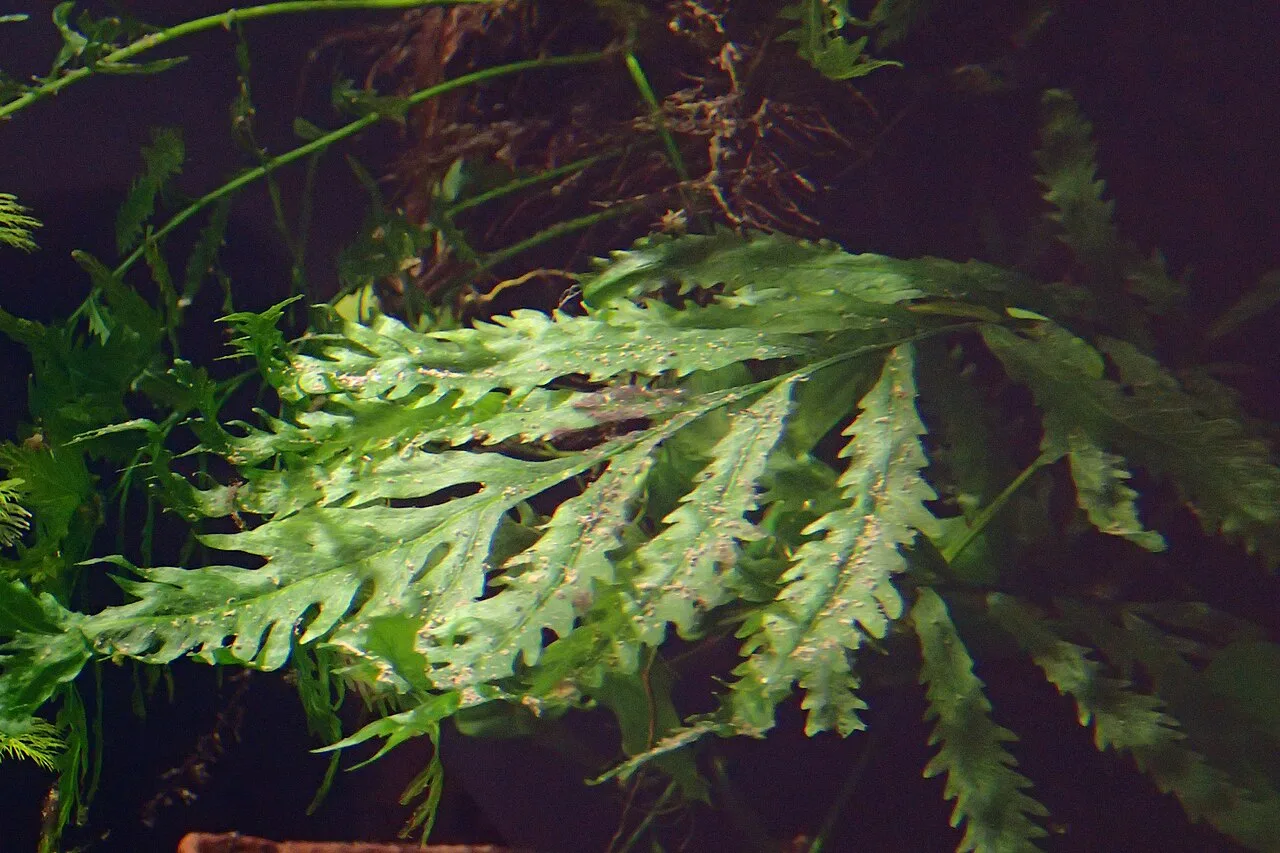
An epiphyte and a shallow-set plant from India, with divided leaves that are brown above and pink below. The colour comes with light. The shape comes with leaving the rhizome alone.
2 min read · 316 words
Care profile
The care profile is backed by one source.
Lighting
Medium lightThe profile says moderate light.
CO₂
Medium CO₂Added CO₂ is recommended for the described growth.
Growth rate
MediumThe profile describes moderate growth.
Nutrient demand
MediumNutrient demand is moderate.
Beginner friendly
ModerateThe published judgement sits between easy and demanding.
- Attach
- Rhizome
- Cuttings
Placement in the aquarium
Only the stored position or growth form is highlighted, not every possible layout.
- Midground
- On rock or wood
Home & range
Every named country gets a frame and a circle around known waters in or near that area. Hotspots are orientation, not collection sites. A filled area is the range only when the source names a particular water body.
Botanical overview
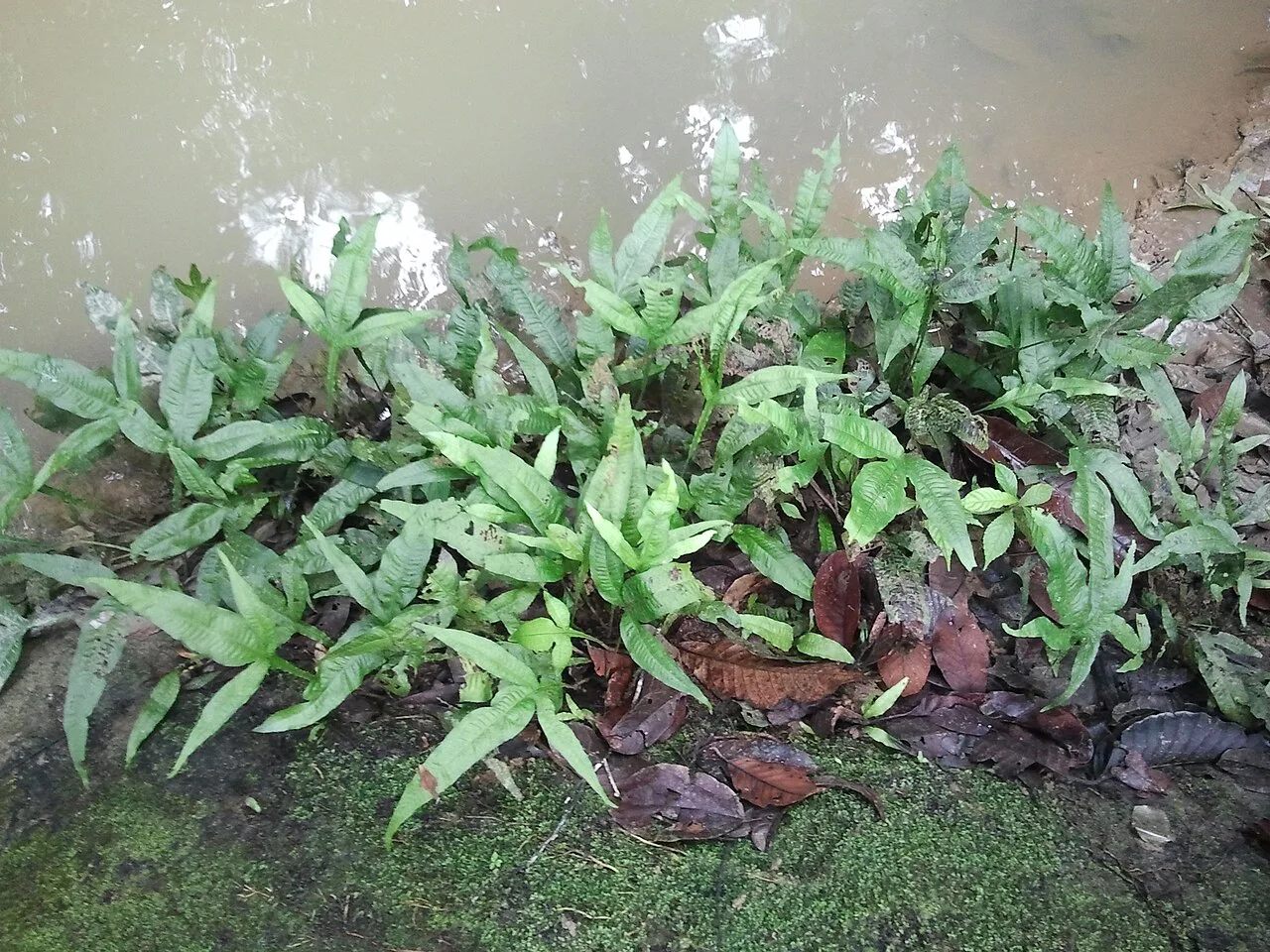
Hygrophila pinnatifida sends a creeping rhizome and divided leaves that turn bronze to brown under strong light. The underside stays reddish. In shade the leaves become greener and longer, and the division looks less clear. The plant can be tied to wood or stone and can also stand in the substrate, as long as the rhizome is not buried deep.
It is not a fast hygrophila like Hygrophila polysperma. Anyone who tops it every week like a stem plant loses the side shoots from which the clump is made.
Natural origin
This describes the origin, not how to furnish the aquarium.
Flowing, bright waters in India, on rock and along banks. The species holds fast and takes nutrients from the water and from what it clings to. India stays a coarse origin. The habit in the stream explains why current and light encourage the compact form.
Light, CO₂ and position
Light and place
Medium to high light, CO₂ clearly helpful, 22 to 28 °C. Tie it with nylon or a plant glue. The rhizome stays free. Or set it shallow, only the roots covered. Current keeps mulm off the leaves. Under a floating cover it turns green.
Company
Plant-eating cichlids rasp the soft new shoots. In a planted community tank with tetras and corydoras it stays. A single shoot in the furthest corner is overgrown by faster stems.
Growth and trimming
Growth is medium. Side shoots on the rhizome are left until the clump is dense. Single old leaves that get holes are taken off at the stalk. A hard cut back to the rhizome sets the plant back for weeks.
Fertilise regularly, not with a shock dose on the first day. Iron shortage shows as pale new shoots. Too little light shows as green, stretched leaves, not as iron shortage.
Propagation
Pieces of rhizome with at least one shoot are separated and tied on again. Tip cuttings work less well than with classic stem plants. The surest propagation is dividing a clump that has already attached.
More species in this group
Sources & assertions 1
Wikipedia (deutsch)
Texte in Aquarisma sind eigenständig formuliert. Zahlenbereiche folgen den verlinkten Wikipedia-Artikeln, Lizenz CC BY-SA.
- Haltungsbereich nach https://de.wikipedia.org/wiki/Hygrophila_pinnatifida