Lawn marshpennywort
Hydrocotyle sibthorpioides
3 views
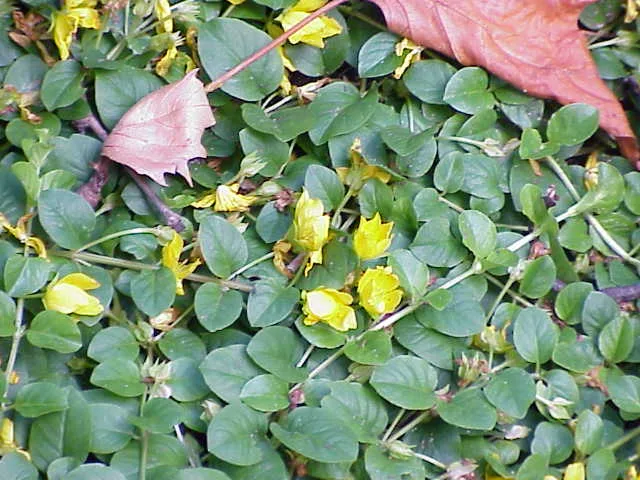
A creeping pennywort with small, lobed, round leaves. Under light, a dense pale green lawn.
- Temperature
- 18 – 28 °C
- pH
- 6 – 7.5 pH
- Lighting
- Medium light
- CO₂
- Low CO₂
- Growth rate
- Medium
- Placement
- Foreground
1 min read · 136 words
Care profile
Growth form
Ground coverPlanting and propagation
- Runners Forms runners in the substrate that grow into new plants. Separate them once they have their own roots.
Placement in the aquarium
Highlighted are the areas where the species is typically used.
- Foreground At the front of the tank, where the plant stays low and keeps the view open.
- Ground cover Spreads flat over the ground and can form a closed lawn.
Home & range
Hatched countries are where the species occurs. It lives in particular waters there, not across the whole country. The points name known waters for orientation, not collection sites.
- Country of origin
- Water for orientation
Native
Botanical overview
Hydrocotyle sibthorpioides creeps over the ground on thin runners and forms a small, round, lobed leaf at every node. In the trade it is also known as Hydrocotyle 'Japan' or 'Mini'. Under strong light it stays flat; under low light the leaf stalks grow upwards.
As a ground cover or as a creeper over stones and wood it looks natural and playful.
Natural origin
This describes the origin, not how to furnish the aquarium.
The species is widespread in East and Southeast Asia, from Japan, Korea and China through Indochina to India, Indonesia and Australia. It grows on damp lawns, ditch margins and wet soil.
Light, CO₂ and position
Light
Medium to high light.
CO₂ and fertiliser
CO₂ helps for a dense lawn.
Position
18 to 28 °C. Foreground or over hardscape.
Growth and trimming
Moderate to fast growth. Cut runners that head upwards and replant them flat.
Propagation
Divide runners. Every piece with a node keeps growing.