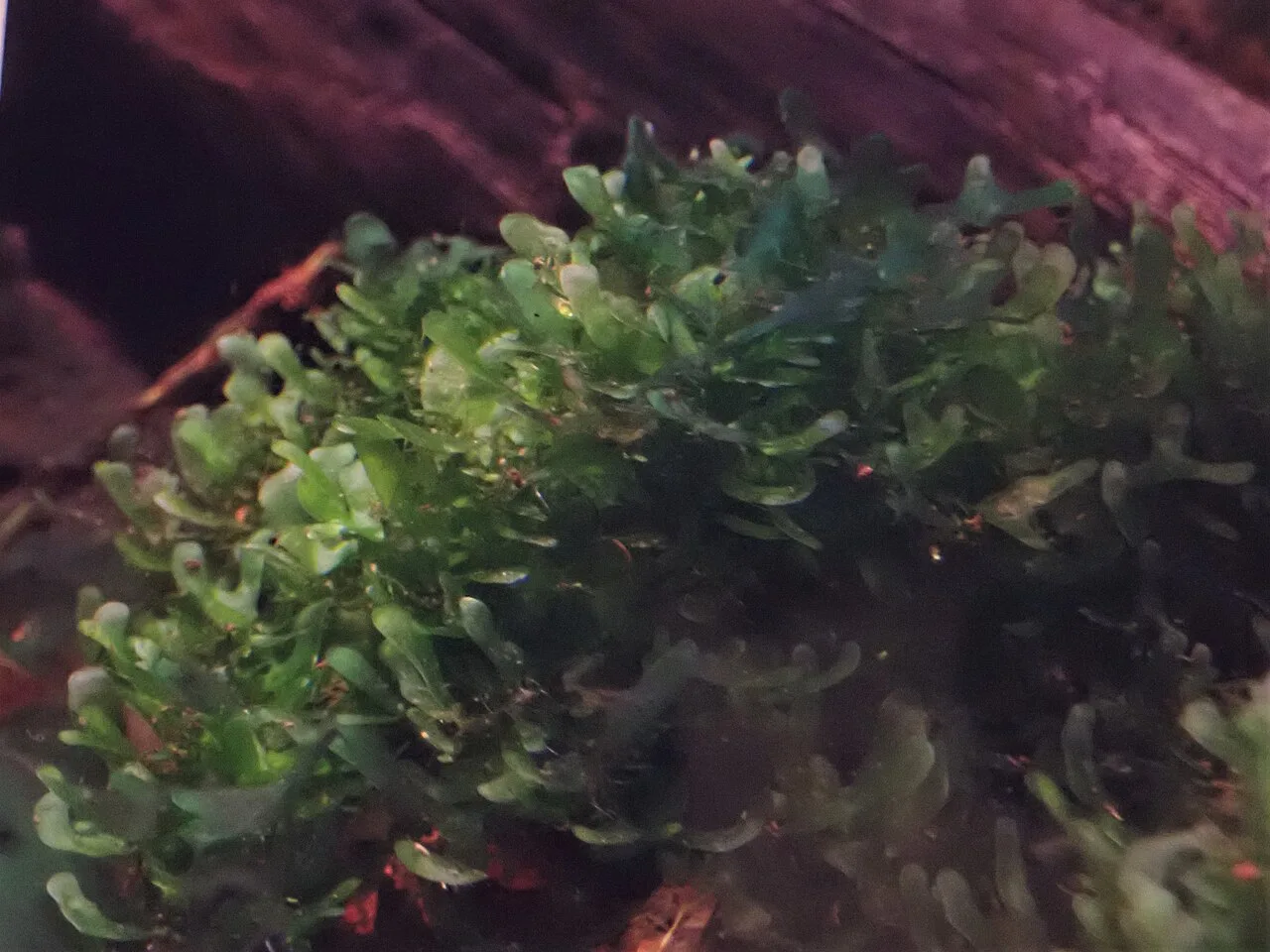
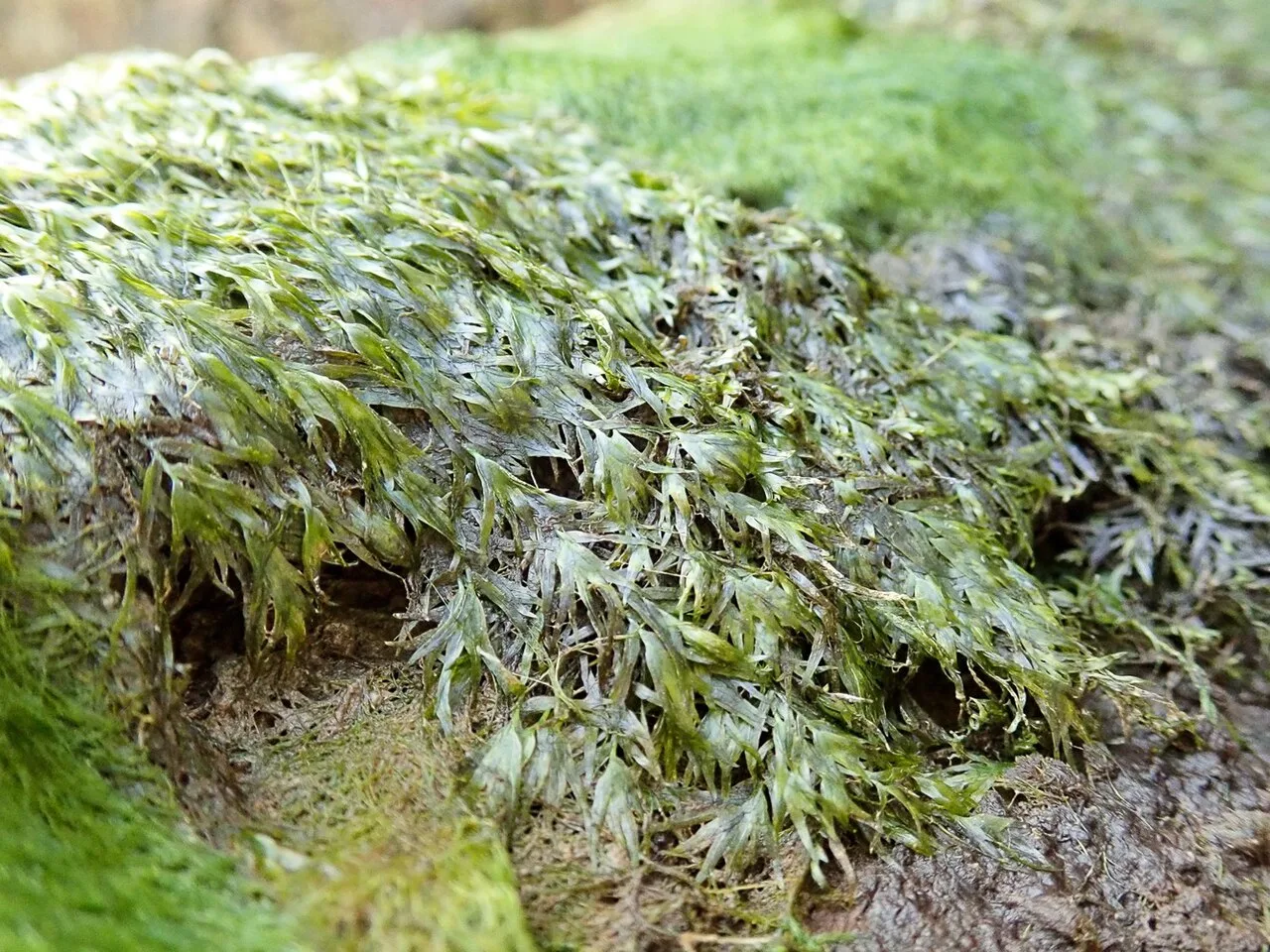
Singapore moss
Vesicularia dubyana
17 views
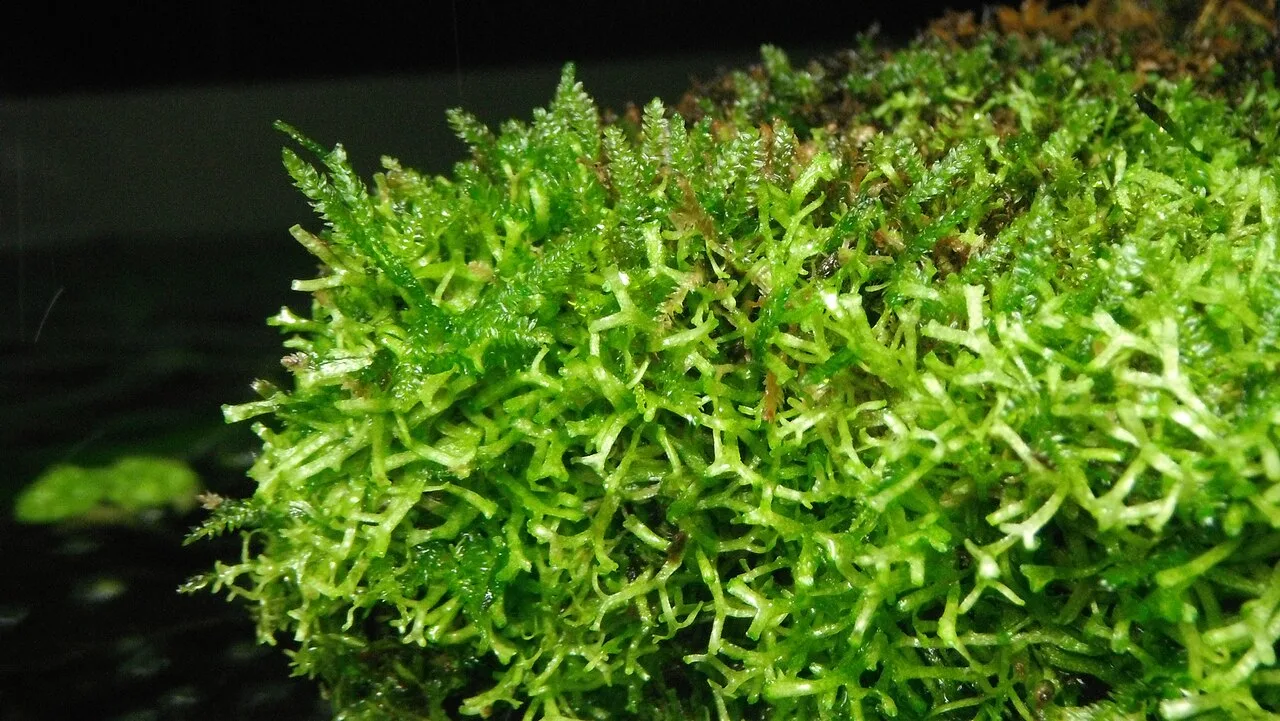
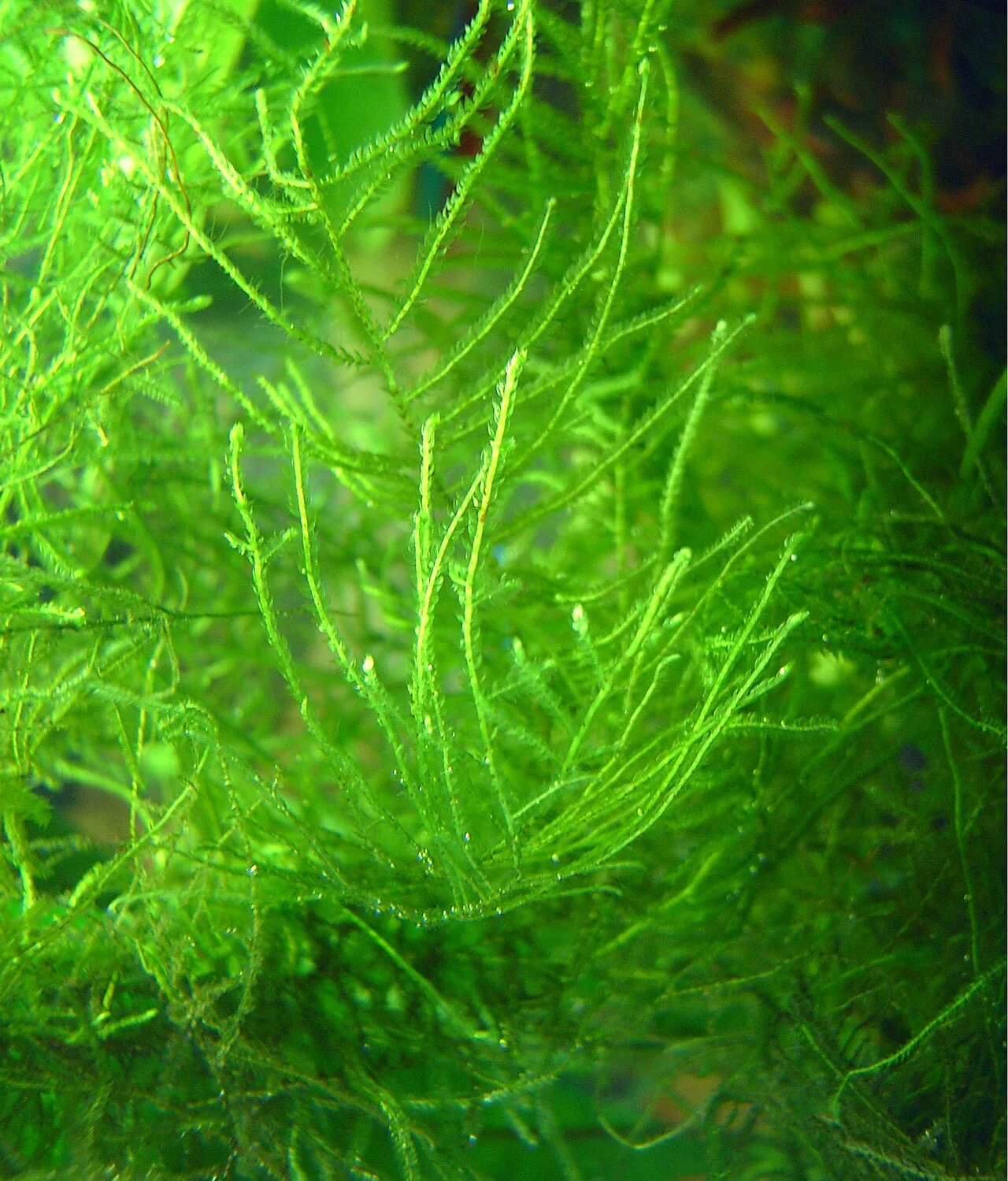
A moss with fine, irregularly branched shoots. It is tied to wood or stone and is not Java moss.
- Temperature
- 20 – 28 °C
- pH
- 6 – 8 pH
- Lighting
- Low light
- CO₂
- Low CO₂
- Growth rate
- Slow
- Placement
- Midground
2 min read · 250 words
Care profile
Growth form
MossesPlanting and propagation
- Attach Fix it to wood or stone with cotton thread, fishing line or plant glue. The roots attach on their own after a few weeks.
Placement in the aquarium
Highlighted are the areas where the species is typically used.
- Midground Between foreground and background. Hides transitions and frames stones and wood.
- On rock or wood Tied onto wood or stones rather than planted in the substrate.
Home & range
Hatched countries are where the species occurs. It lives in particular waters there, not across the whole country. The points name known waters for orientation, not collection sites.
- Country of origin
- Water for orientation
Native
Botanical overview
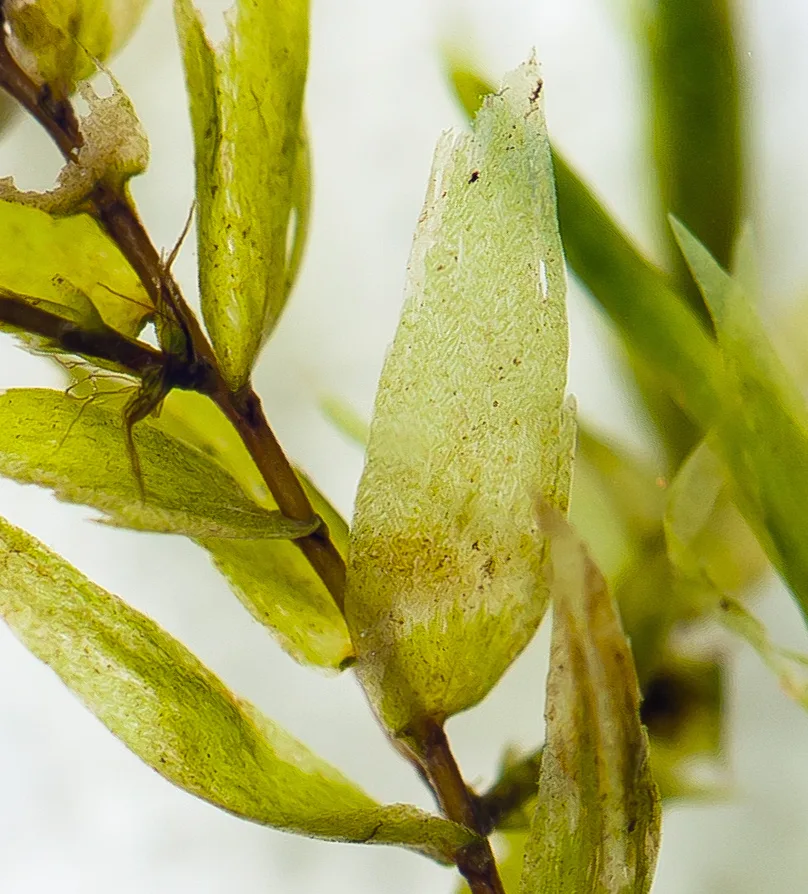
Vesicularia dubyana forms loose, pale green shoots that lie on surfaces and hang over edges. It was mixed for a long time with Taxiphyllum barbieri, Java moss. Java moss is tougher and more regular in the trade. Singapore moss stays finer and a little more demanding about clean water.
Thick cushions from the start turn brown inside. The moss wants a thin layer that the water washes around, not a ball in the gravel.
Natural origin
This describes the origin, not how to furnish the aquarium.
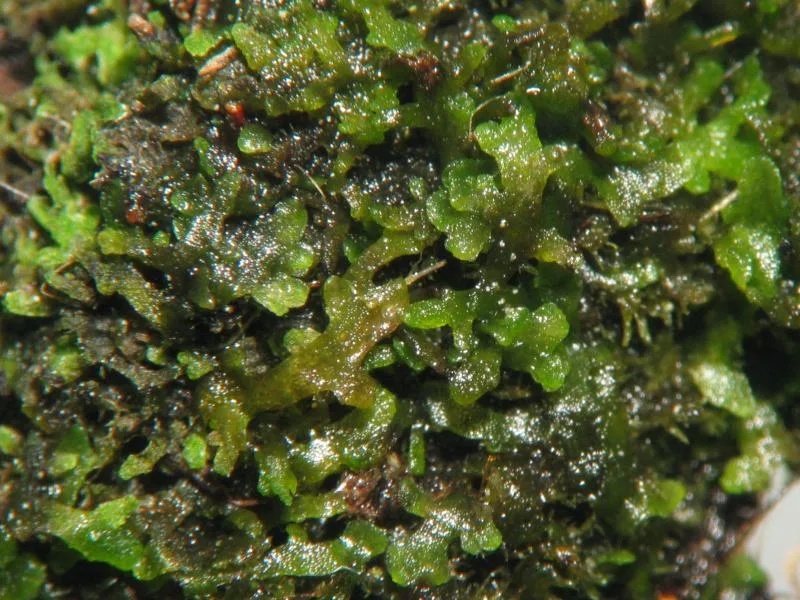
Damp rocks and banks in tropical Asia. The origin stays coarse. The aquarium growth stays submerged if mulm and still, dirty water stay away.
Light, CO₂ and position
Tying on
Low to medium light, CO₂ helpful but not the condition, 20 to 28 °C. Tie it on thinly to wood or stone. Moderate current. A hard jet tears the shoots off. Blow the mulm out at the water change.
Algae
Under a very strong lamp with little plant mass beside it, thread algae settle. Cut off infested parts. Medium light keeps the moss cleaner.
Layout and neighbours
Fine, regularly branched moss for roots, stones and moss trees. Gives shrimp and fry cover.
Common mistakes
Mulm collects in the moss. Shake out or siphon regularly.
Growth and trimming
The increase is slow. A tended cushion is thinned by taking the outer shoots and tying them on again. Substrate fertiliser hardly reaches it. What it needs is in the water, and it needs little of that.
Propagation
Tie small tufts on again and press them until the rhizoids hold. That takes time. In between, do not retie constantly.