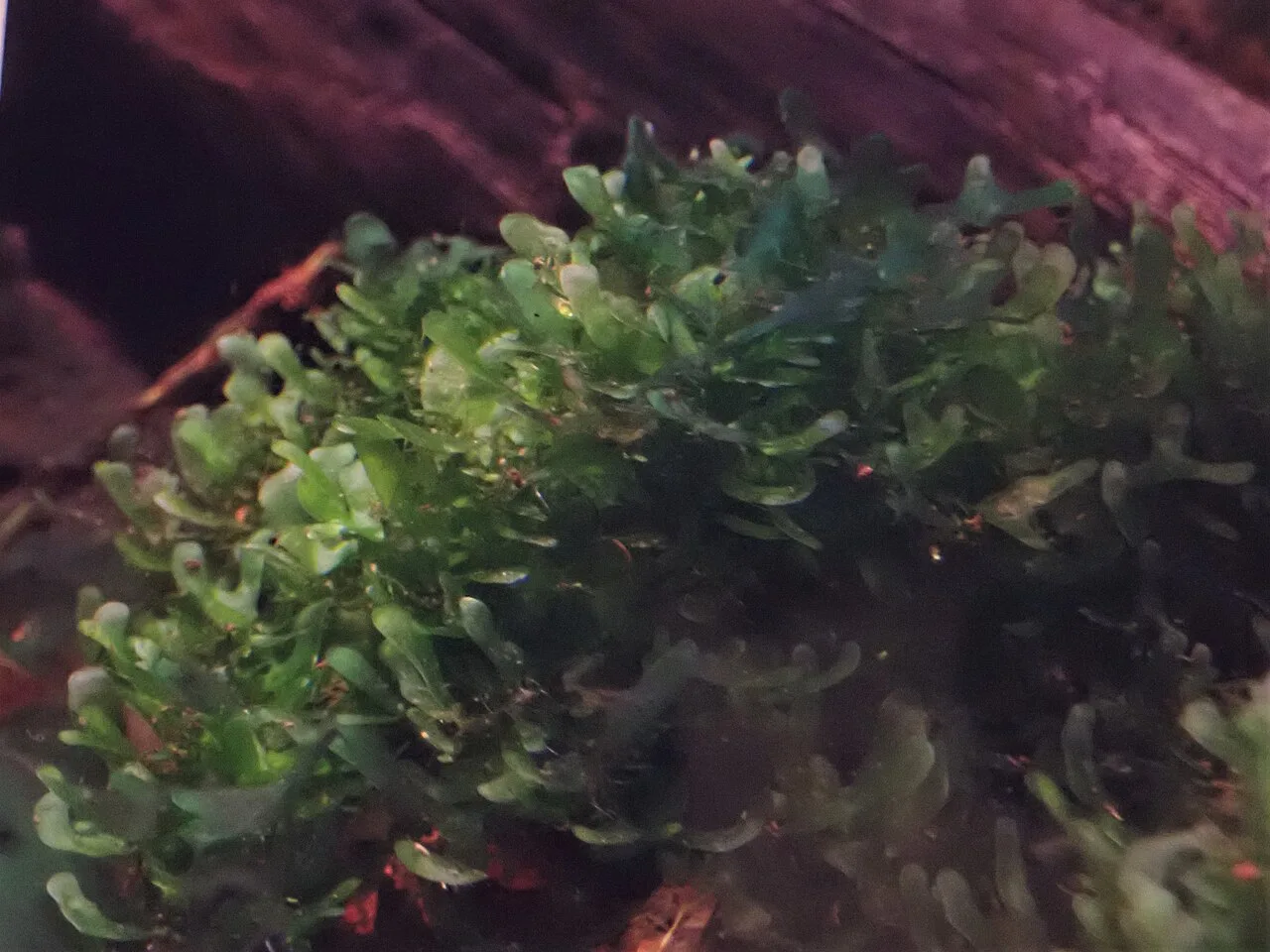
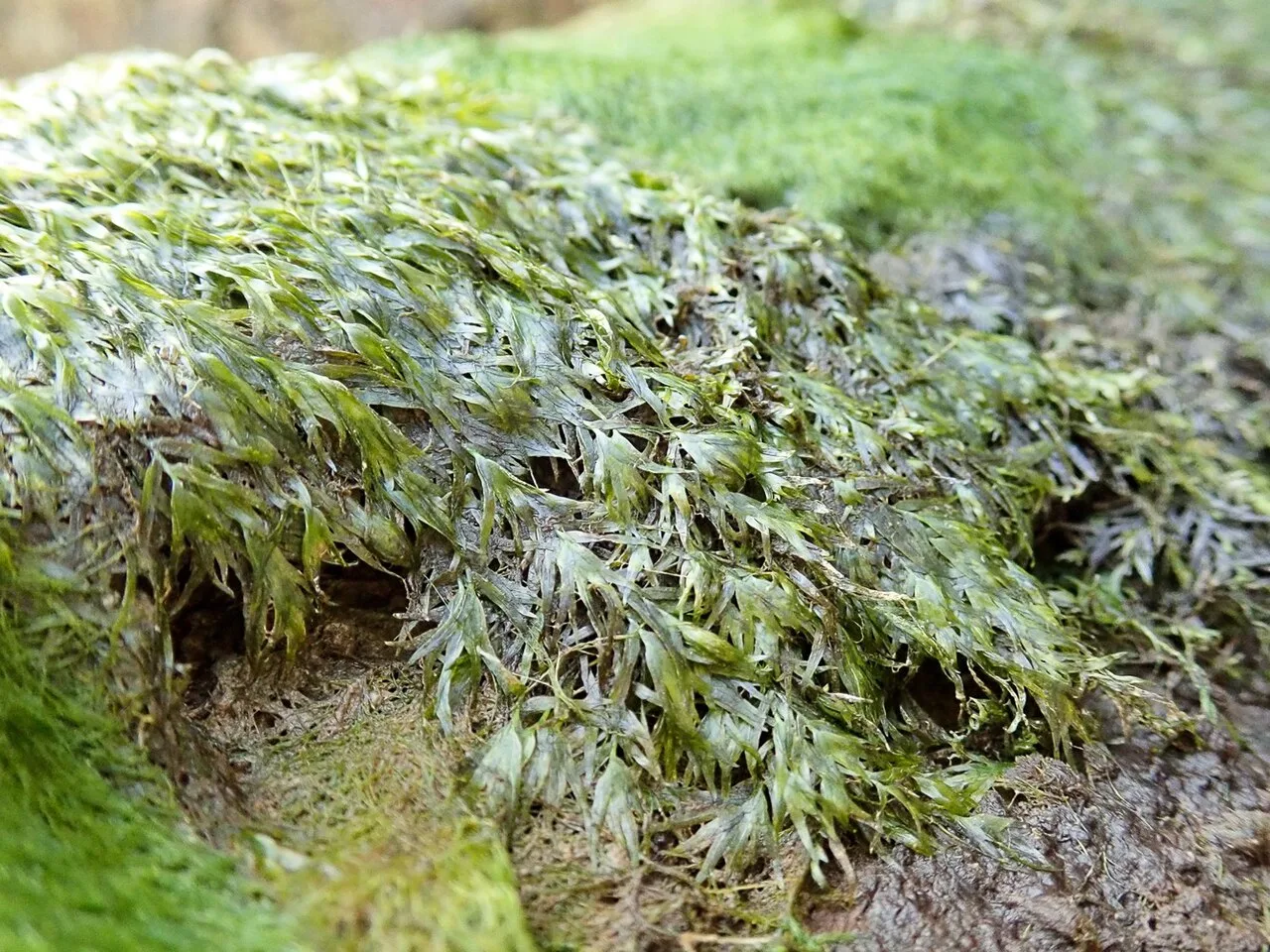
Stringy moss
Leptodictyum riparium
4 views
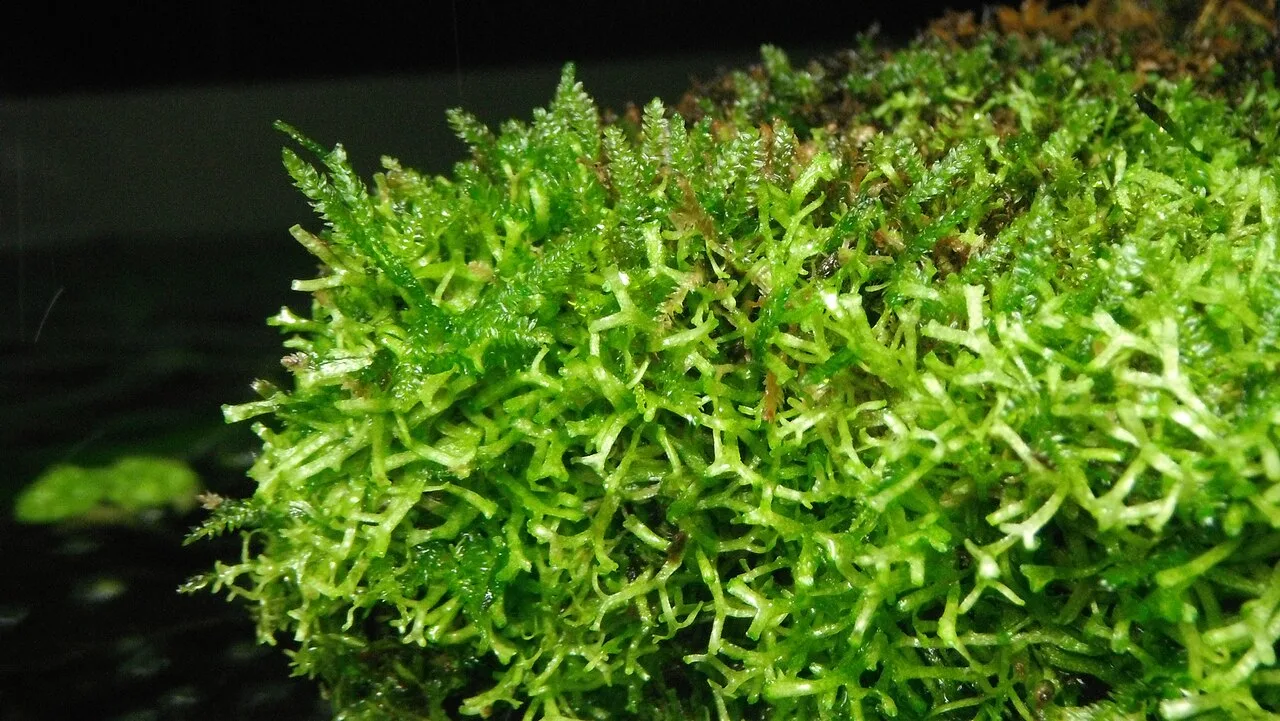
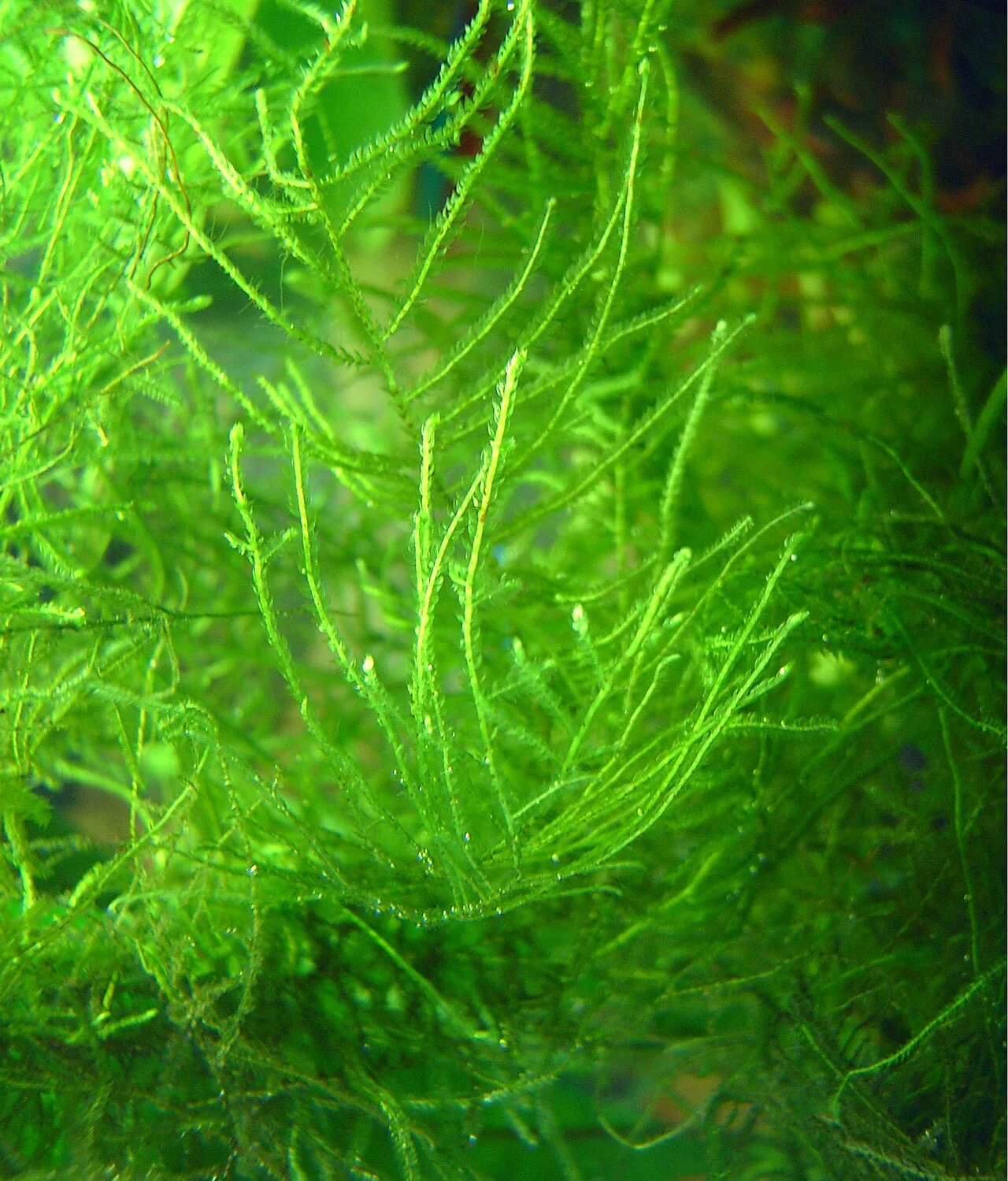
A native, very hardy moss with long, stringy shoots. Grows in cold and warm water.
- Temperature
- 10 – 28 °C
- pH
- 6 – 8 pH
- Lighting
- Low light
- CO₂
- No CO₂
- Growth rate
- Medium
- Placement
- Midground
1 min read · 113 words
Care profile
Growth form
MossesPlanting and propagation
- Attach Fix it to wood or stone with cotton thread, fishing line or plant glue. The roots attach on their own after a few weeks.
Placement in the aquarium
Highlighted are the areas where the species is typically used.
- Midground Between foreground and background. Hides transitions and frames stones and wood.
- On rock or wood Tied onto wood or stones rather than planted in the substrate.
Home & range
Hatched countries are where the species occurs. It lives in particular waters there, not across the whole country. The points name known waters for orientation, not collection sites.
- Country of origin
- Water for orientation
Native
Botanical overview
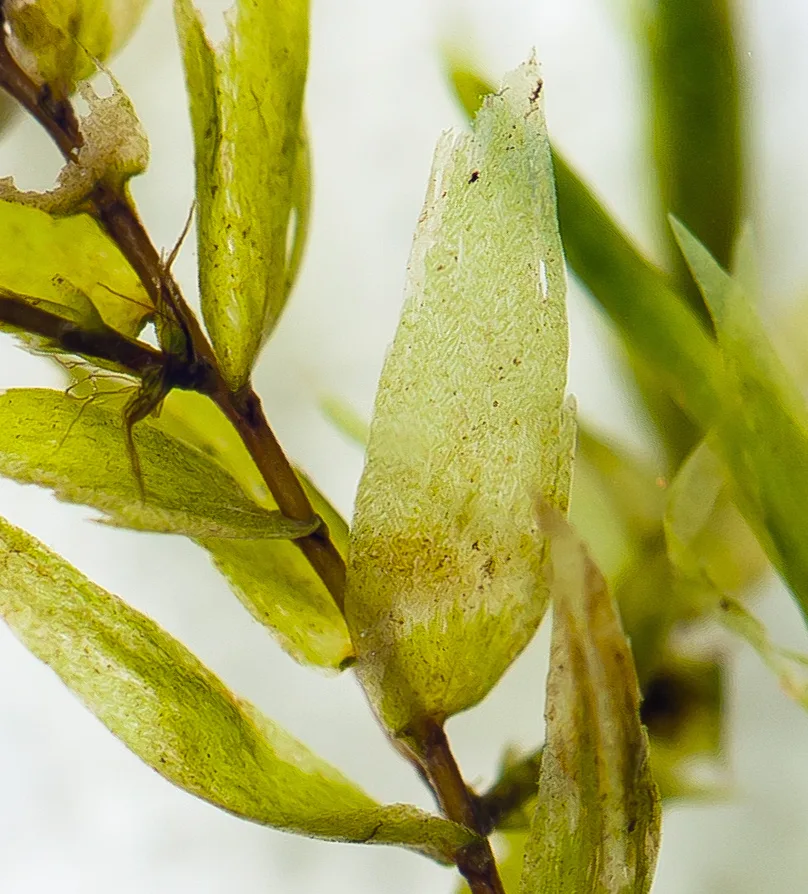
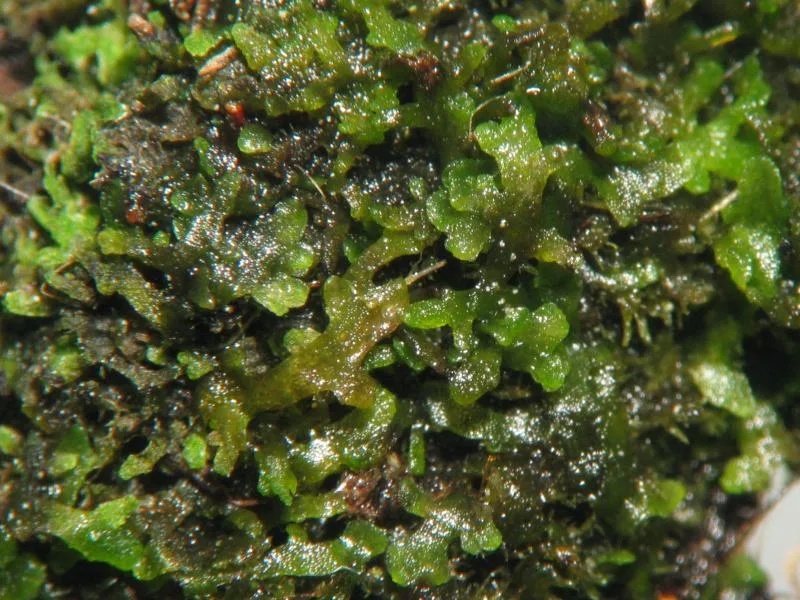
Leptodictyum riparium forms long, thin, pale green shoots with pointed leaflets. In the current it looks stringy and lively. It is one of the hardiest aquatic mosses and grows faster than Java moss.
Natural origin
This describes the origin, not how to furnish the aquarium.
The species is widespread in the northern hemisphere: Europe, Asia and North America. It grows on stones, wood and banks in streams, ponds and ditches, also in nutrient-rich water.
Light, CO₂ and position
Light
Low to medium light.
Fertiliser
Low.
Position
10 to 28 °C. On stone or wood.
Layout and neighbours
In stream tanks with flow it forms long, waving beards on stones. Also for cold-water tanks.
Common mistakes
In still water it collects mulm.
Growth and trimming
Faster growth than other mosses. Thin out regularly.