Tape grass
Vallisneria spiralis
19 views
Vallisneria spiralis is one of about 14 species in the genus and is regarded as invasive in some places.
- Temperature
- 20 – 28 °C
- pH
- 6.5 – 8.5 pH
- Lighting
- Medium light
- CO₂
- Low CO₂
- Growth rate
- Fast
- Placement
- Background
2 min read · 321 words
Care profile
Growth form
RosettesPlanting and propagation
- Rhizome The creeping rhizome stays free above the substrate. Buried, it rots.
- Runners Forms runners in the substrate that grow into new plants. Separate them once they have their own roots.
Placement in the aquarium
Highlighted are the areas where the species is typically used.
- Background Along the back wall and the sides. Forms the tall, dense backdrop.
Home & range
Hatched countries are where the species occurs. It lives in particular waters there, not across the whole country. The points name known waters for orientation, not collection sites.
- Country of origin
- Water for orientation
Native
Botanical overview
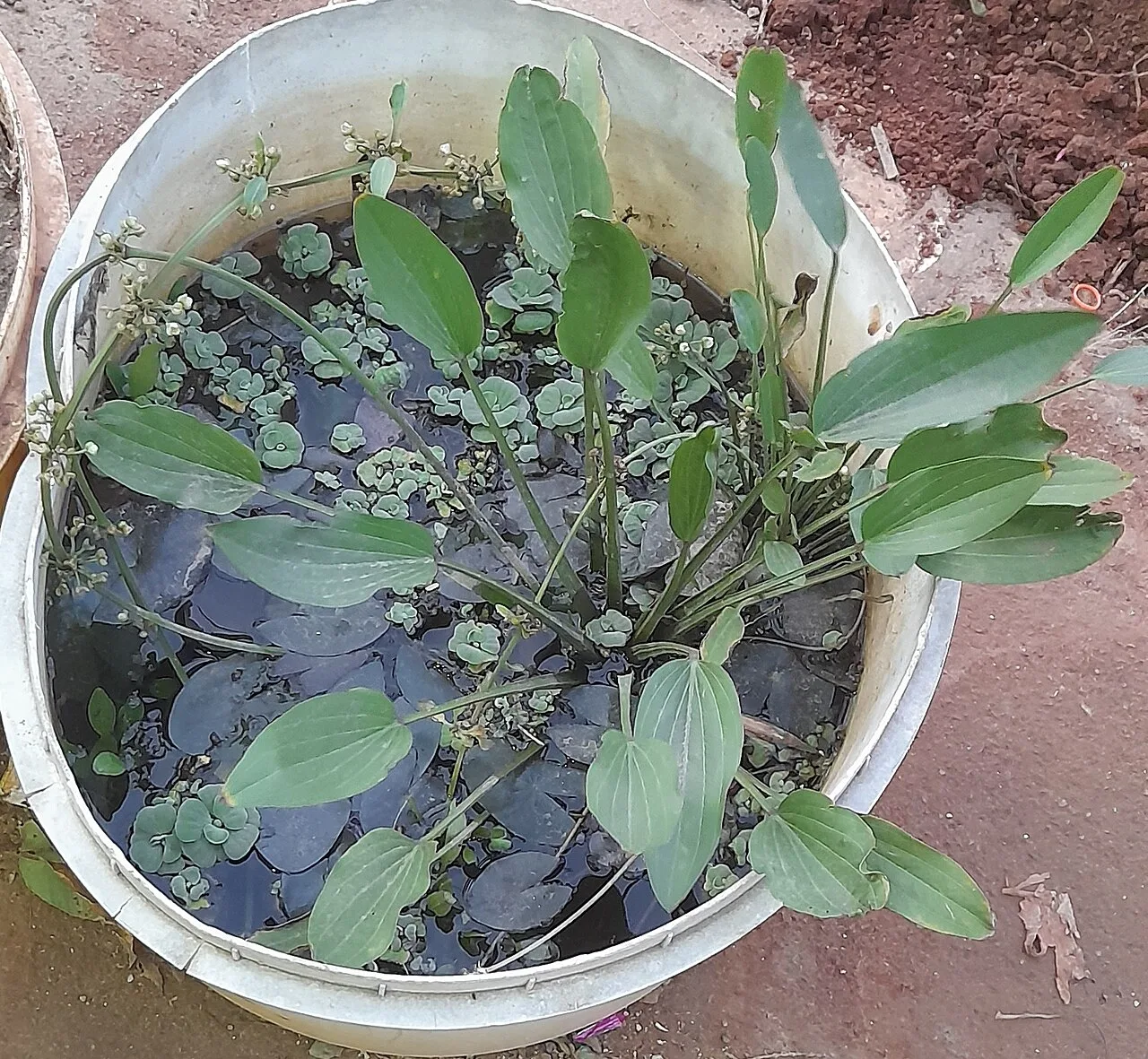
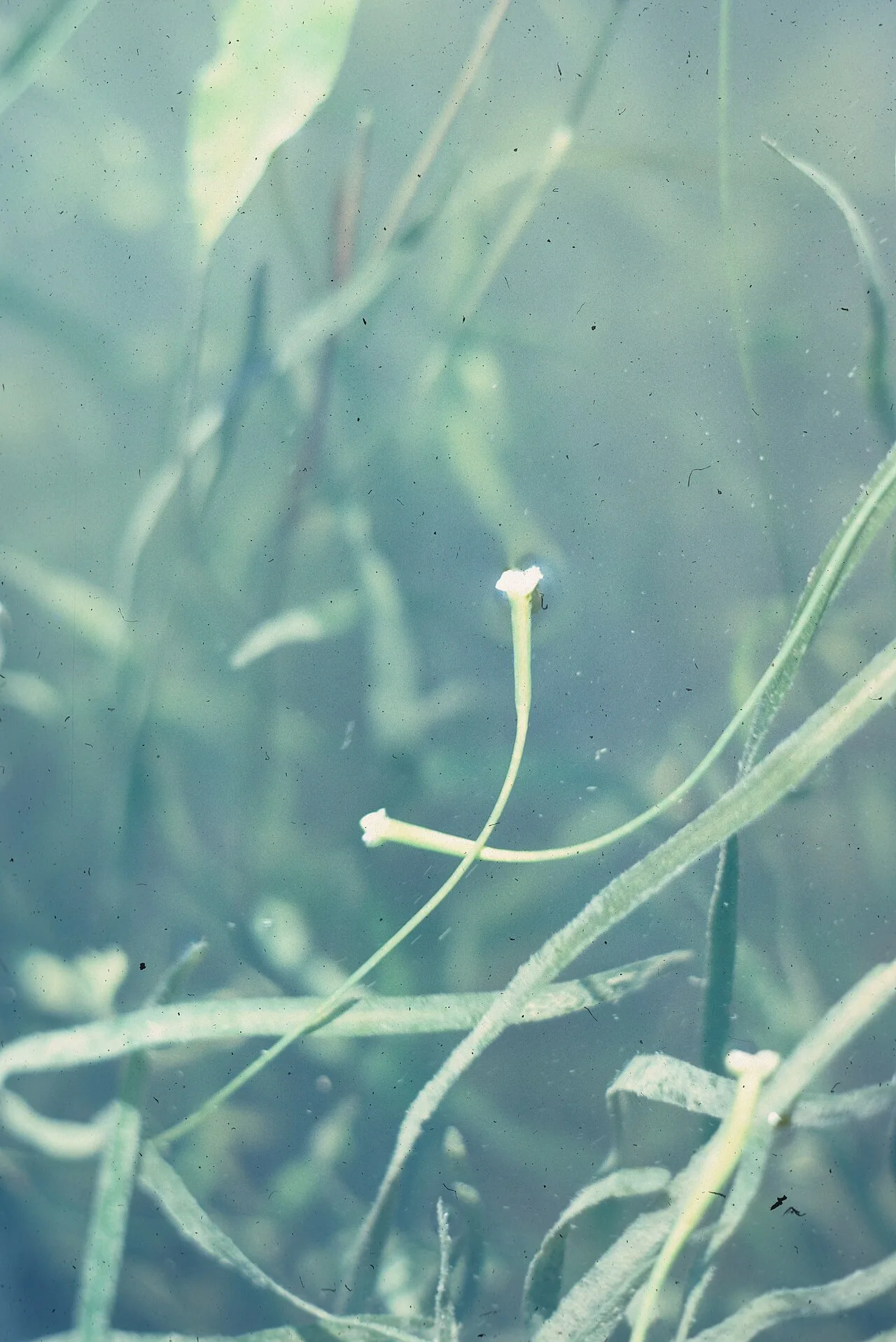
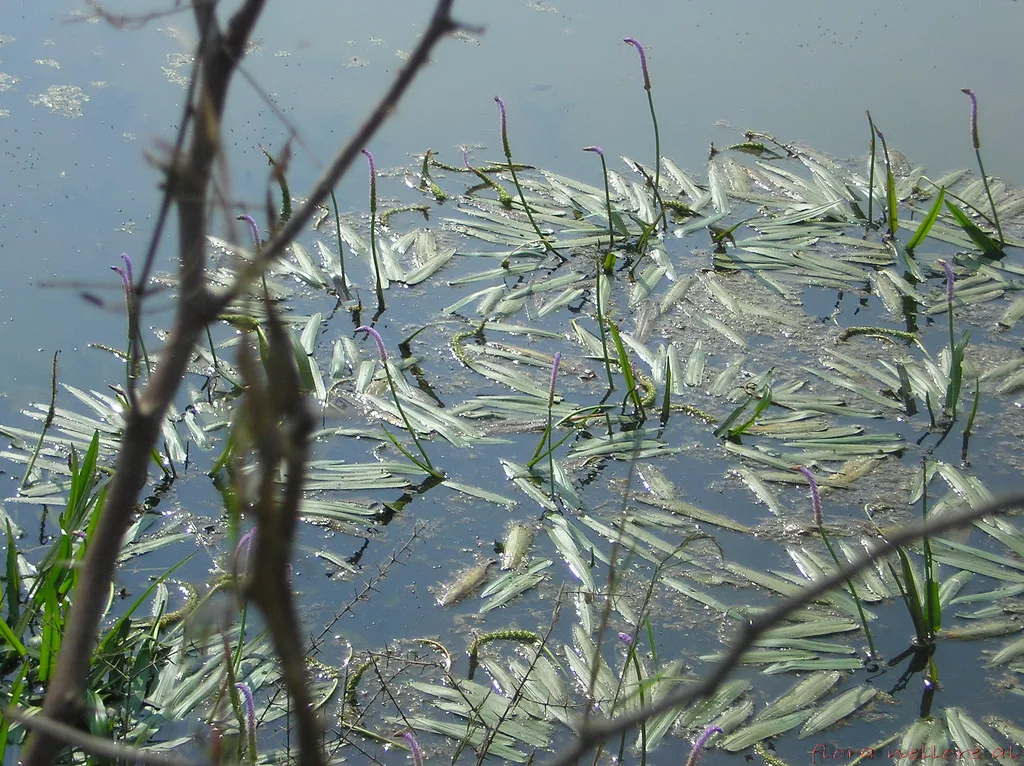
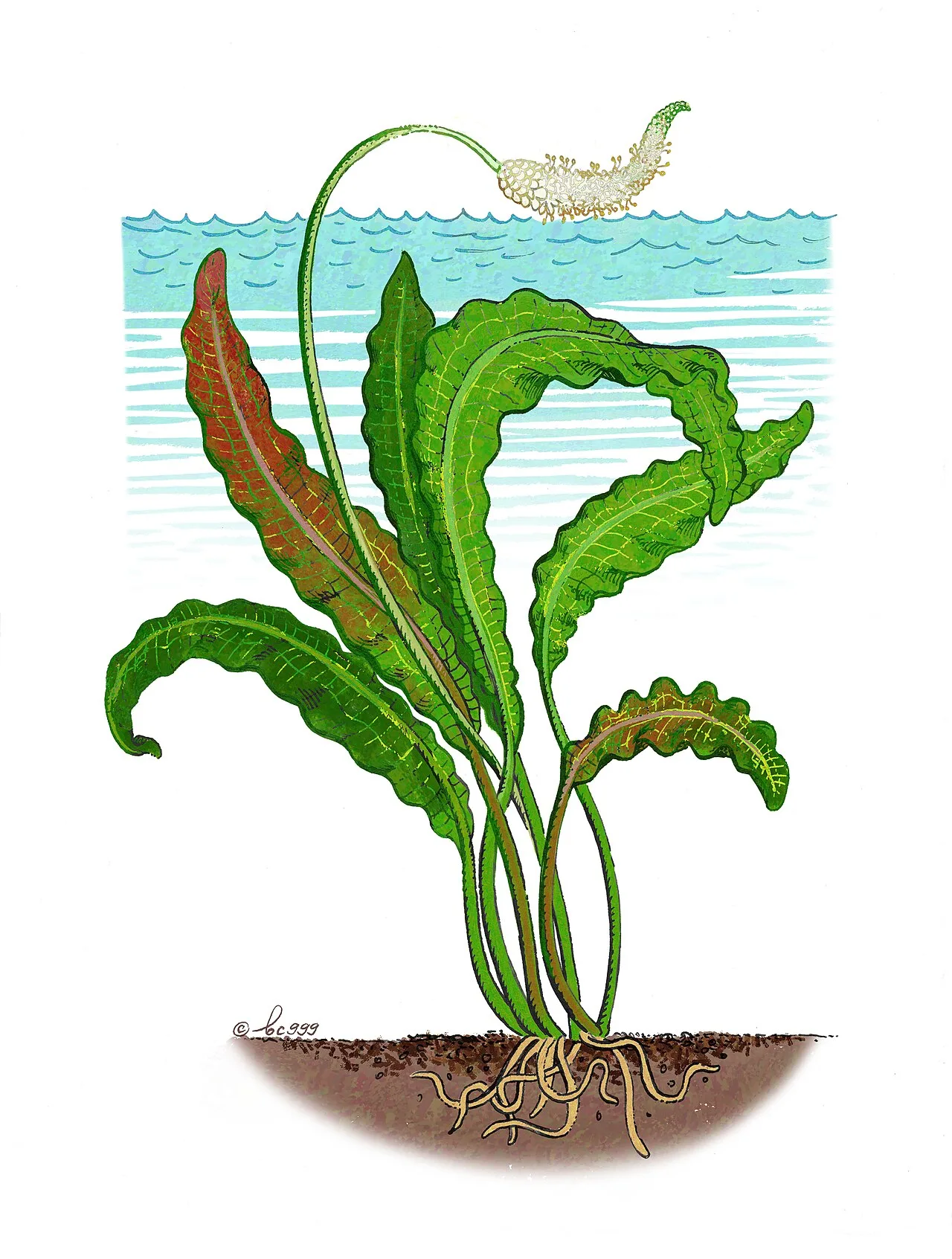
Vallisnerias are dioecious frogbit plants. The leaves are strap-shaped and basal. Stands form by rhizomes or runners. Male flowers detach and float to the surface. After fertilisation the scape coils and holds the fruit under the surface. That is the process the genus is named for, not a trimming measurement.
Natural origin
This describes the origin, not how to furnish the aquarium.
The genus grows submerged in fresh and brackish water of the subtropics and tropics almost worldwide. V. spiralis is named as invasive in places including Hawaii, New Zealand and Germany. Those are examples, not a complete country list and not a native map. No countries are added.
Light, CO₂ and position
20–28 °C, medium light and low CO₂ work well, and growth is fast. In some places the species is invasive and must not be released from the aquarium into natural waters.
Ribbon and runners
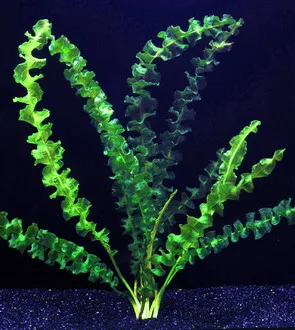
Tape grass is a background plant that forms a stand by runners. The leaves grow as long as the tank is high and then lie on the surface. That shades everything below. Anyone who wants the foreground clear pulls runners that wander forward in time, and does not shorten every leaf to an artificial height, because the cut edge turns brown and does not keep growing.
A nutrient-rich substrate matters more than a high dose of CO₂. Without food in the substrate the leaves stay narrow and pale, even in strong light.
Further care
Populations in Florida, Alabama, Mississippi and Central America can carry up to 30 female flowers in one spathe. The genus norm is one female flower. The sentence does not say this is V. spiralis.
Propagation
Runners and the described water pollination. In the aquarium, vegetative propagation is the practical route. A sowing guide is missing.
Limiting the stand
Daughter plants are separated once they have their own roots. An unlimited stand fills a tank in one summer. Surplus is pulled, not released into a natural water. The species has already been moved into warm regions outside its original range.