Uruguay sword
Echinodorus uruguayensis
1 view
A large sword plant with narrow, dark green to olive leaves. A specimen plant for the background of large tanks.
- Temperature
- 18 – 26 °C
- pH
- 6 – 8 pH
- Lighting
- Medium light
- CO₂
- Low CO₂
- Growth rate
- Slow
- Placement
- Background
2 min read · 283 words
Care profile
Growth form
RosettesPlanting and propagation
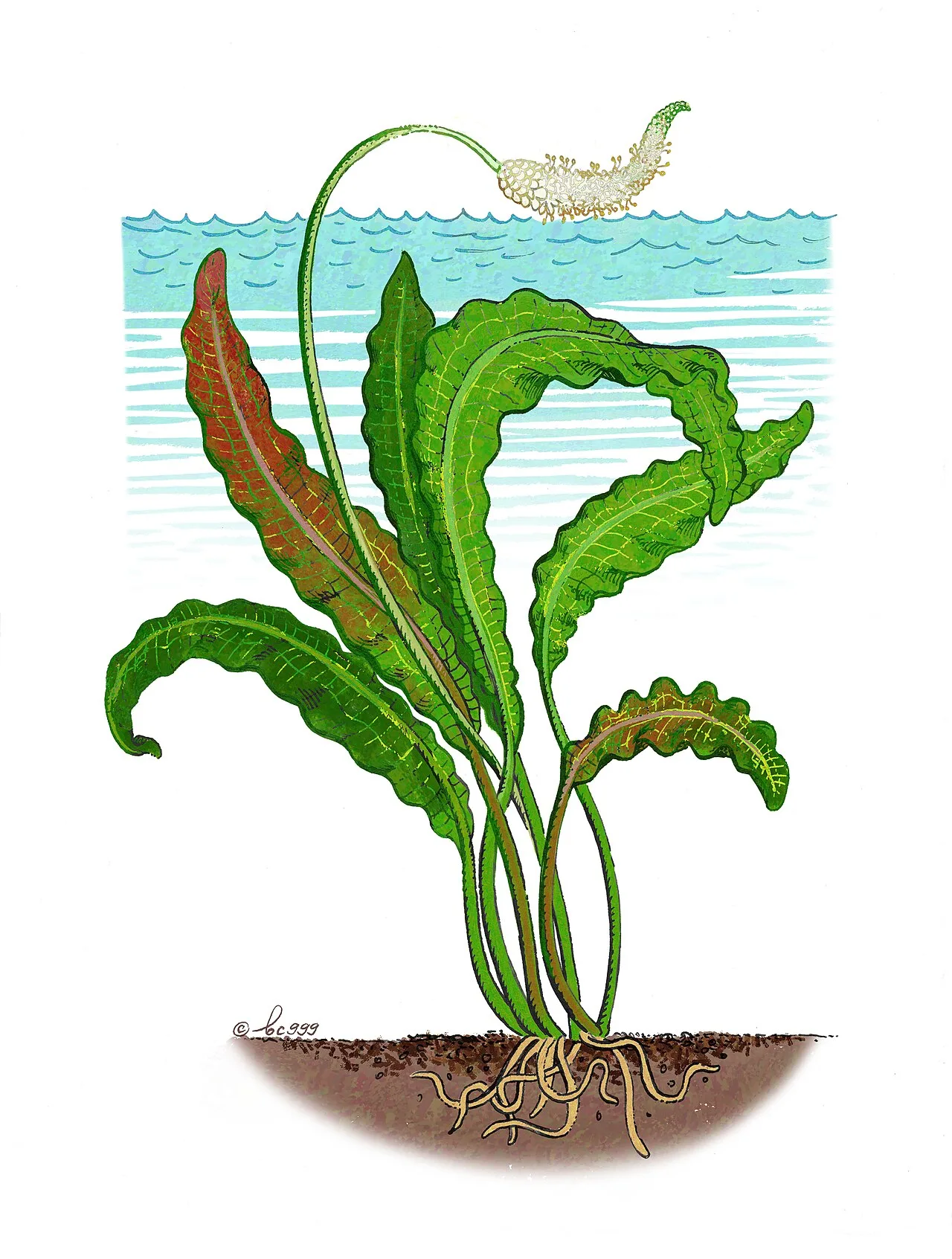
- Rhizome The creeping rhizome stays free above the substrate. Buried, it rots.
- Adventitious plantlets Forms daughter plants on leaves or rhizome. Remove them once they carry a few roots.
Placement in the aquarium
Highlighted are the areas where the species is typically used.
- Background Along the back wall and the sides. Forms the tall, dense backdrop.
Home & range
Hatched countries are where the species occurs. It lives in particular waters there, not across the whole country. The points name known waters for orientation, not collection sites.
- Country of origin
- Water for orientation
Native
Botanical overview
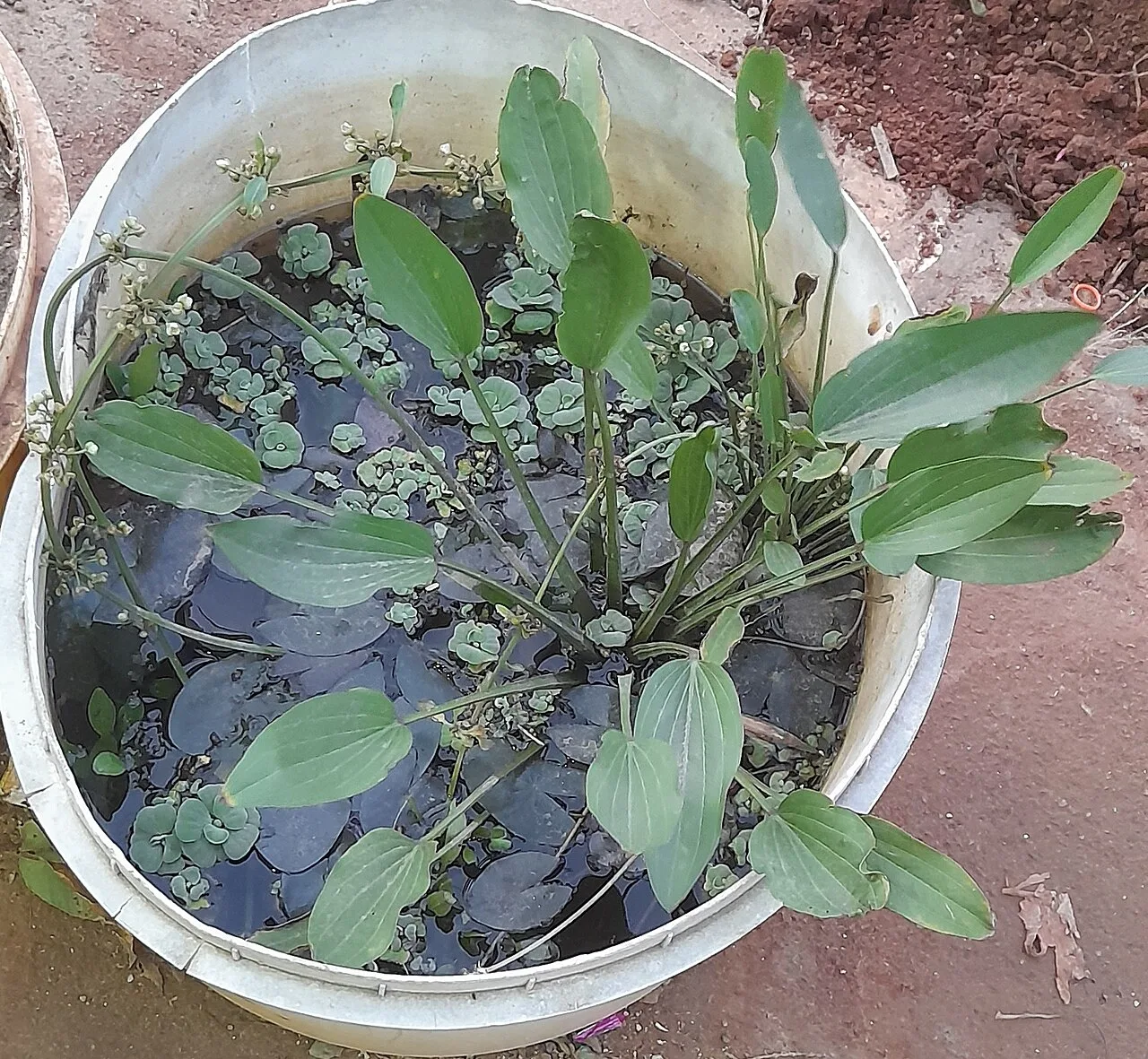
Echinodorus uruguayensis forms a sturdy rosette of long, narrowly lanceolate leaves that can reach 30 to 50 cm. The leaves are tough, dark green, sometimes olive-brown and slightly wavy. Young leaves are often flushed red. In the trade it was long sold as Echinodorus osiris or horemanii.
As a background specimen it looks calm and elegant. Because it rarely forms aerial leaves, it stays submersed for good.
Natural origin
This describes the origin, not how to furnish the aquarium.
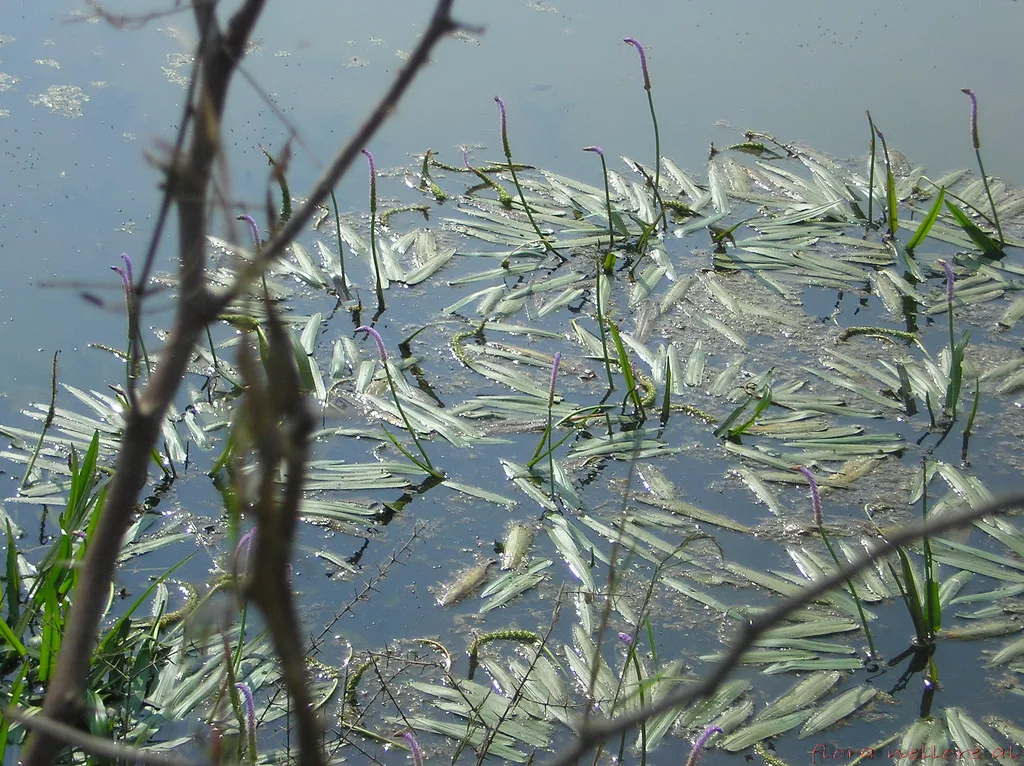
The species comes from southern Brazil (Rio Grande do Sul, Santa Catarina), Uruguay and north-eastern Argentina. It grows in clear, fast to moderately flowing rivers and streams, often submersed between stones and on sandy ground. The climate there is subtropical with cooler winters.
Light, CO₂ and position
Light
Medium light.
Fertiliser
A heavy root feeder. A nutrient-rich substrate and regular fertiliser tabs at the base matter more than liquid fertiliser.
Position
18 to 26 °C, soft to medium-hard water. Background or specimen in tanks from about 150 litres.
Layout and neighbours
As a single specimen in a corner or slightly off centre it forms the calm focal point of a South American tank. Low Echinodorus lawns or Lilaeopsis fit in front, fine stem plants behind. Angelfish, corydoras and larger tetras feel at home between the leaves.
Common mistakes
Too little nutrient reserve: after a year without root fertiliser the leaves become small and yellow.
Growth and trimming
Slow to moderate growth. Cut old, algae-covered outer leaves at the base. Holed, yellow leaves usually point to a lack of iron or potassium in the root zone.
After moving, the plant often drops leaves and needs weeks before new ones appear, so choose its spot once.
Propagation
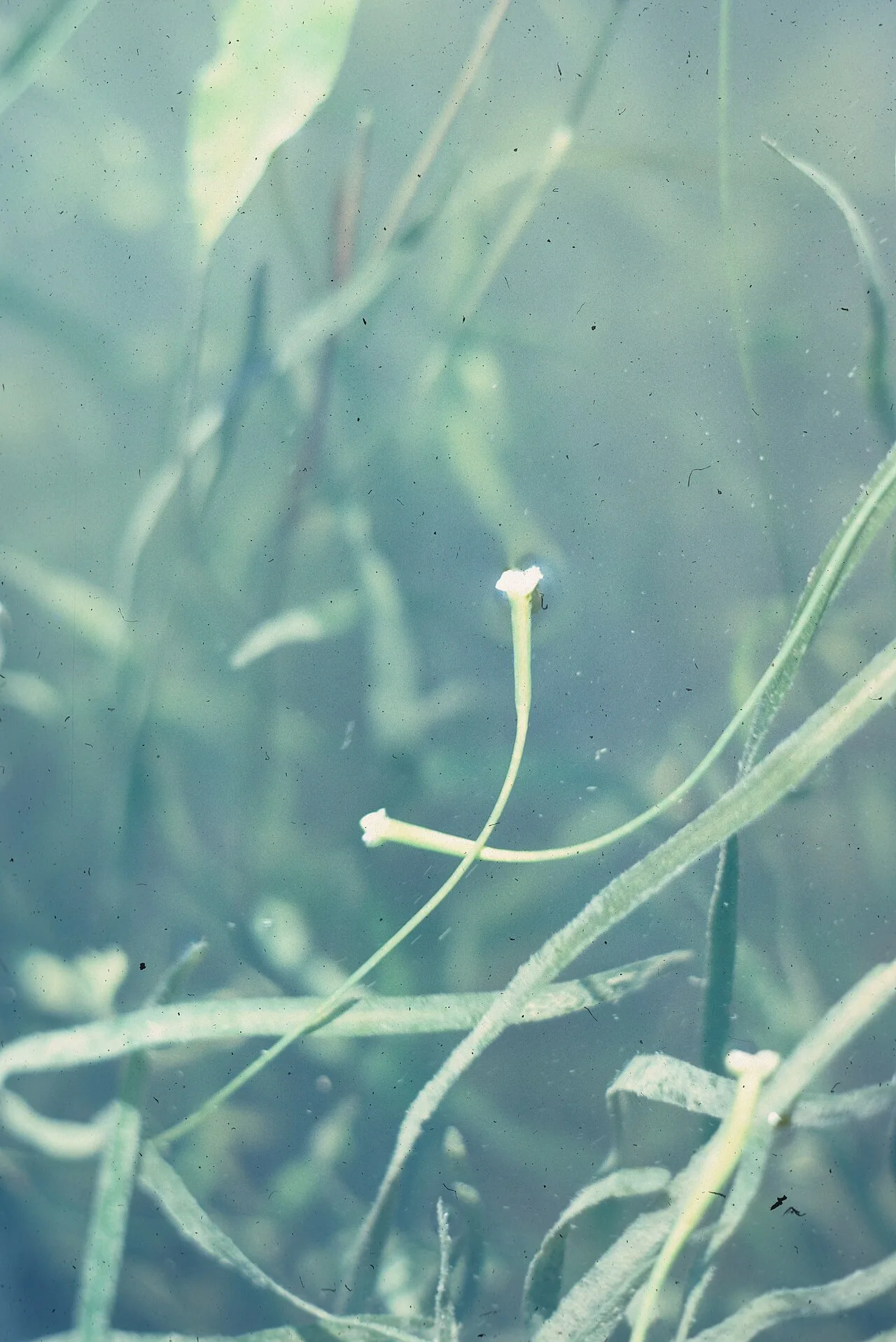
Adventitious plantlets on the flower stalk, which can form under water, and division of the rhizome in old plants.