Willow moss
Fontinalis antipyretica
18 views
A moss of cool, clear water. It grows on stone and wood and falls apart in a warm tropical tank.
- Temperature
- 10 – 20 °C
- pH
- 6 – 8 pH
- Lighting
- Low light
- CO₂
- No CO₂
- Growth rate
- Slow
- Placement
- Midground
2 min read · 248 words
Care profile
Growth form
MossesPlanting and propagation
- Attach Fix it to wood or stone with cotton thread, fishing line or plant glue. The roots attach on their own after a few weeks.
Placement in the aquarium
Highlighted are the areas where the species is typically used.
- Midground Between foreground and background. Hides transitions and frames stones and wood.
- On rock or wood Tied onto wood or stones rather than planted in the substrate.
Home & range
Hatched countries are where the species occurs. It lives in particular waters there, not across the whole country. The points name known waters for orientation, not collection sites.
- Country of origin
- Water for orientation
Native
Botanical overview
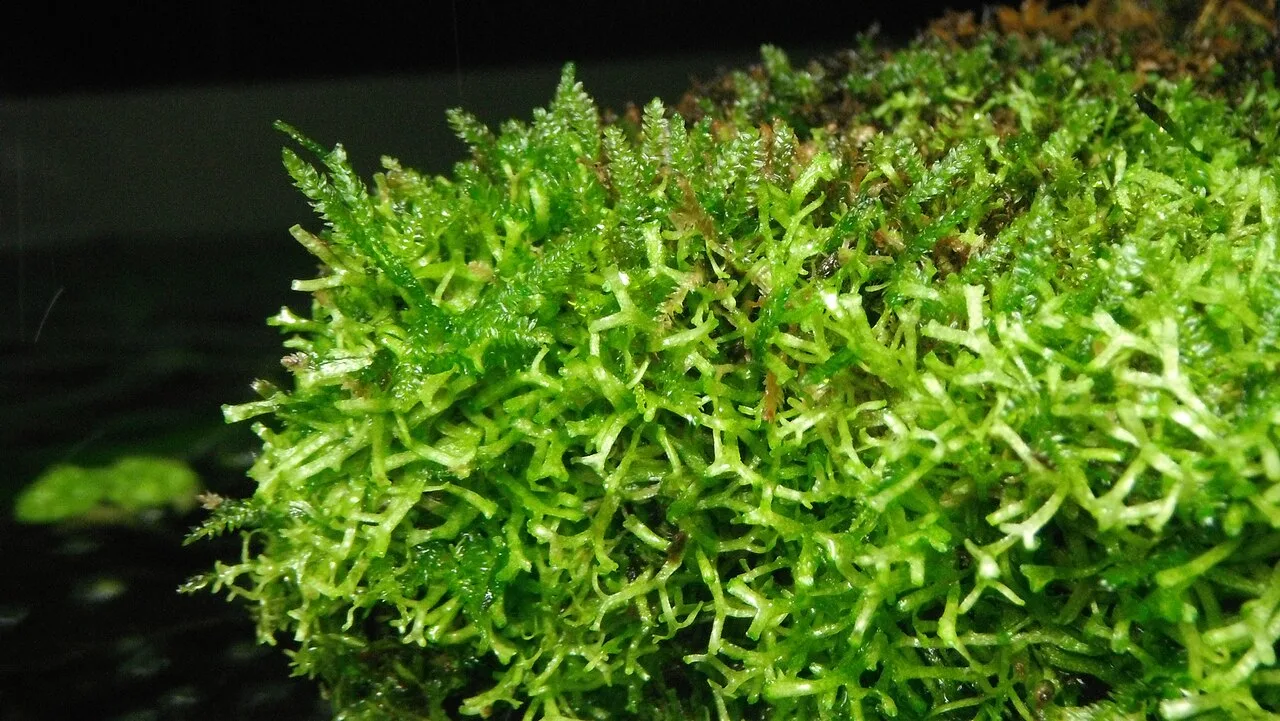
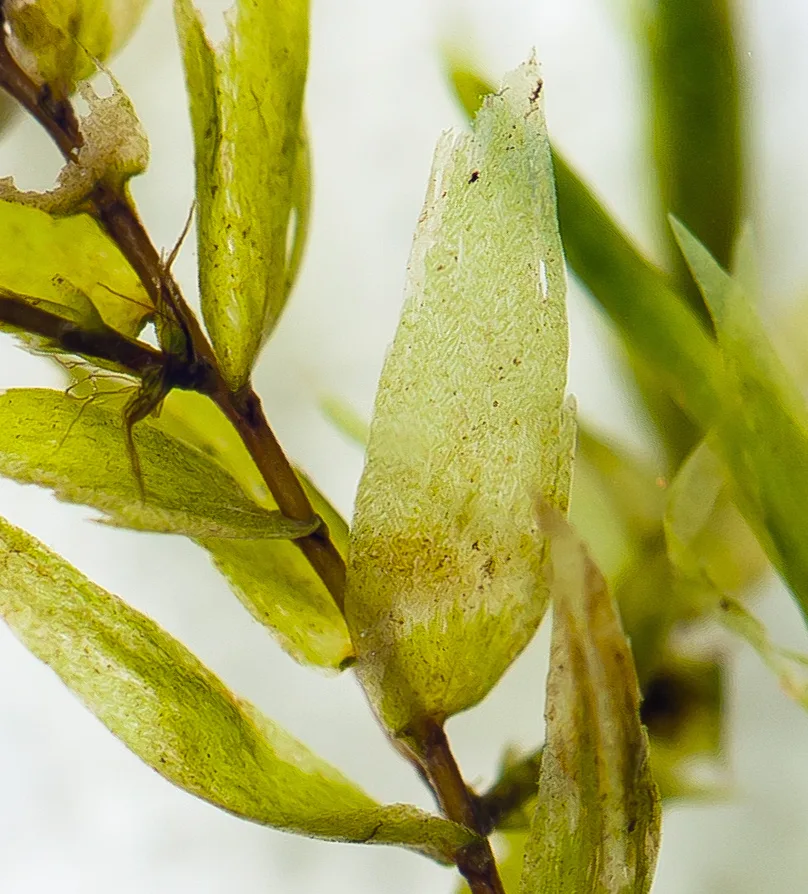
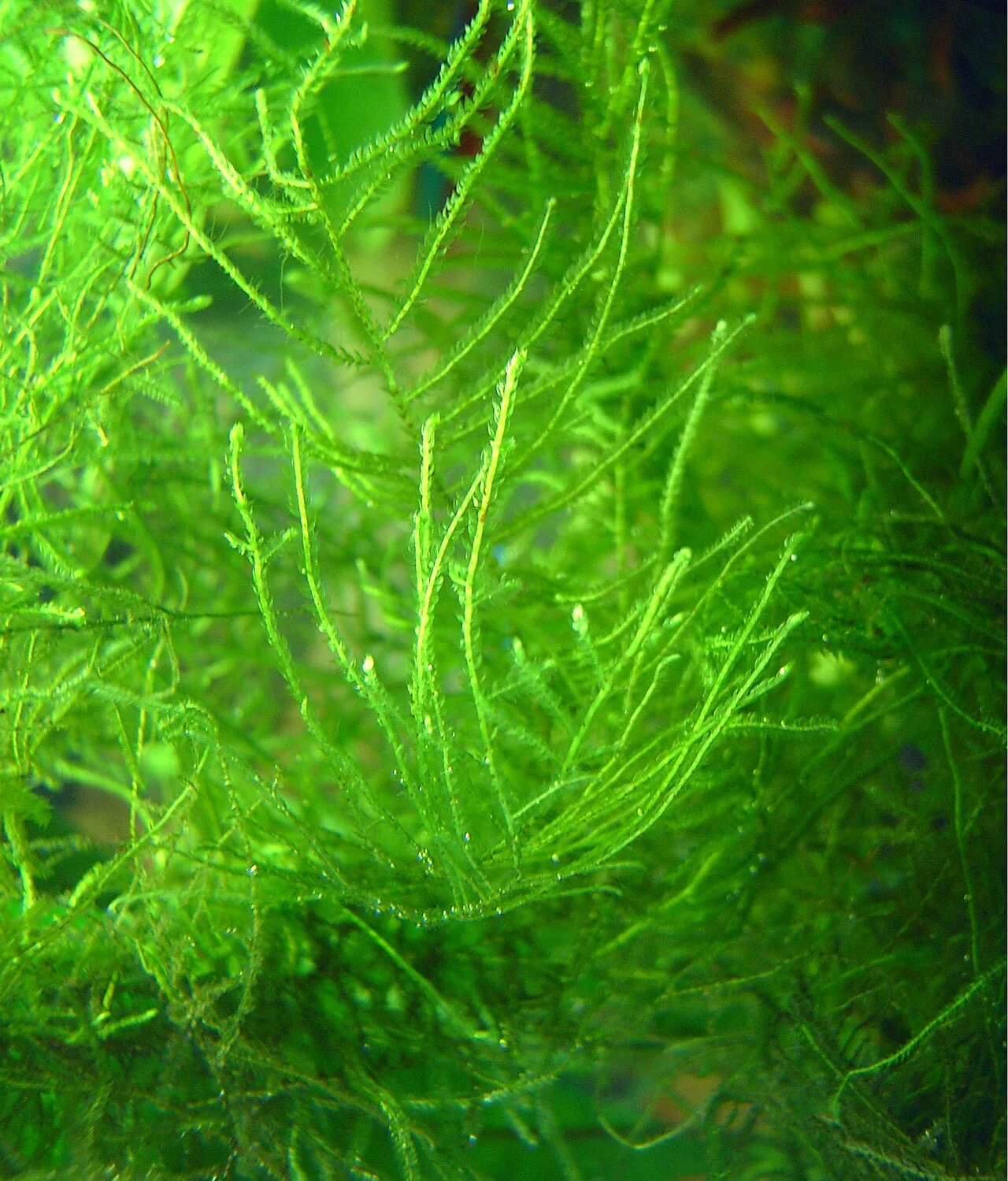
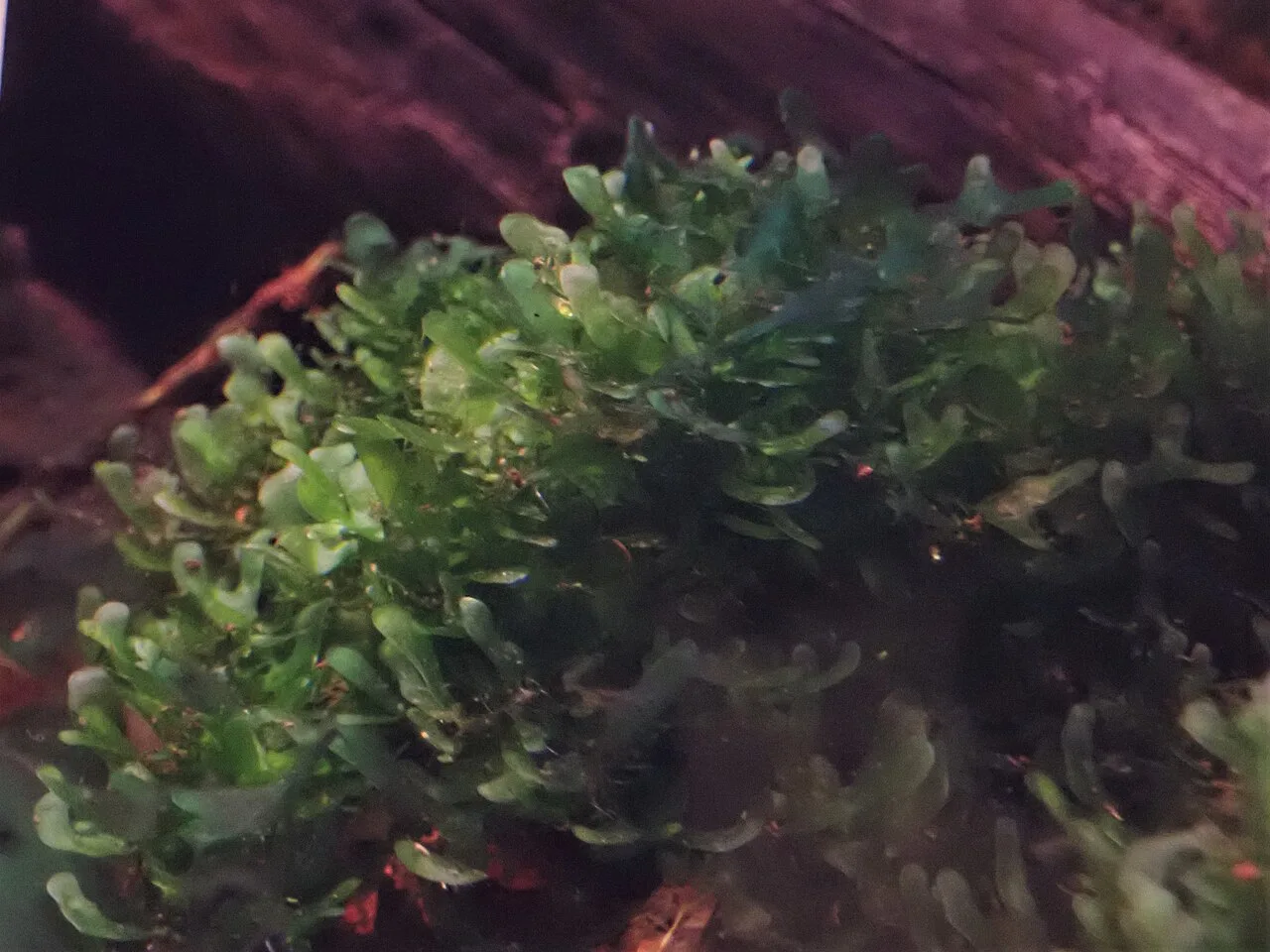
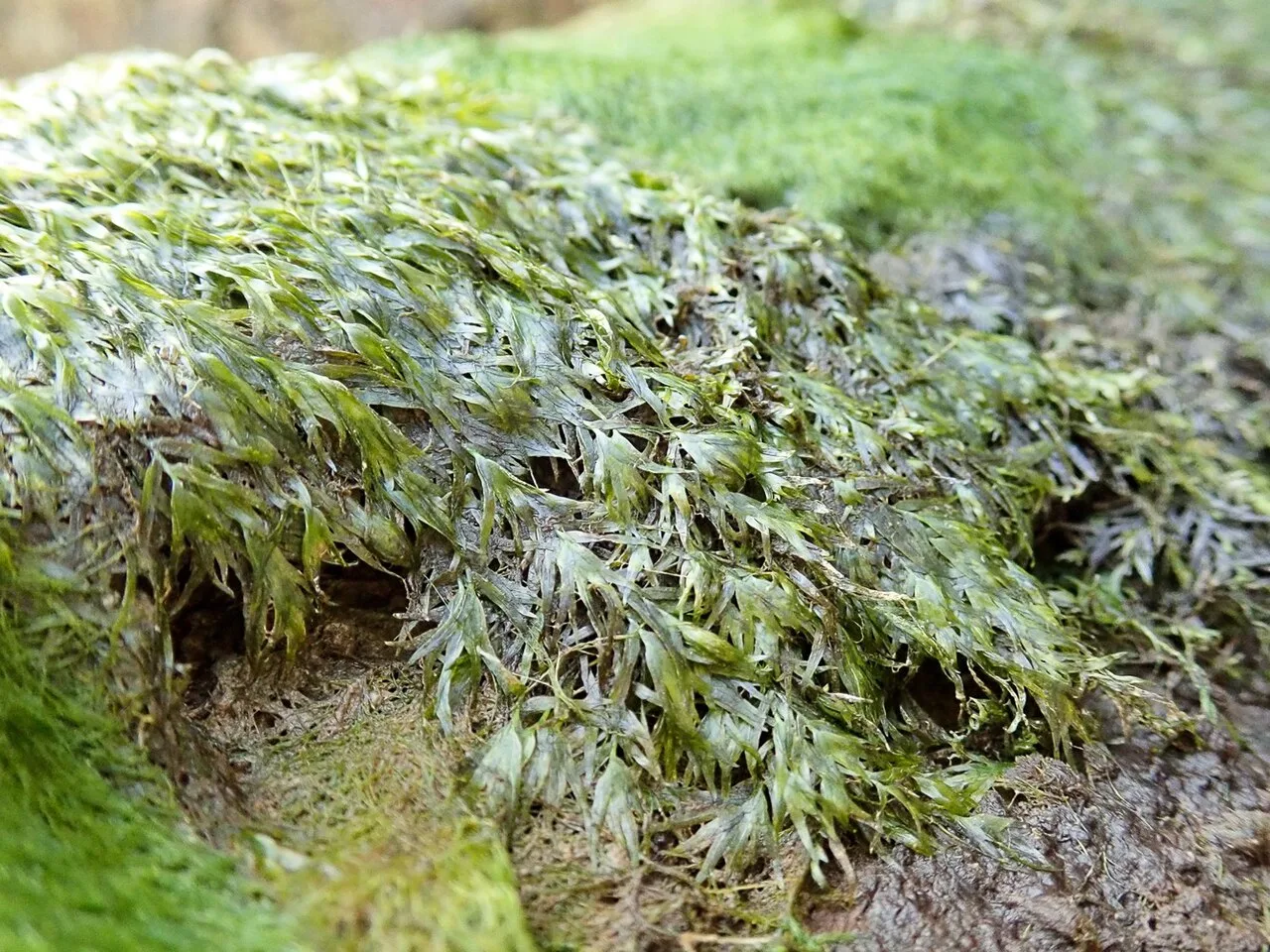
Fontinalis antipyretica forms long, dark green shoots with small leaves in three rows. It looks like a submerged twig. In cold, oxygen-rich water it stays firm. Above 24 °C, in still and nutrient-rich water, it turns brown and dissolves.
It is not Java moss. Java moss holds a tropical temperature. This moss does not. Anyone who ties it into a discus tank loses it.
Natural origin
This describes the origin, not how to furnish the aquarium.
Streams, lakes and springs of the northern hemisphere, often moving and cool. The origin stays coarse. Aquarium material from wild stocks is unnecessary. Captive-grown plants and the garden trade are enough.
Light, CO₂ and position
Temperature
10 to 20 °C, clear water, current, low to medium light. CO₂ is not required. Cleanliness is. Tie it to stone or wood. Do not push it into the gravel. An unheated tank with white clouds fits. A Malawi tank does not.
Mulm
The shoots collect detritus. Blow them out at the water change. If the mulm lies for weeks, the moss suffocates from the inside.
Layout and neighbours
The large, dark green moss belongs in cold-water and stream tanks with flow. It suits unheated aquariums with native fish.
Common mistakes
Permanently above 22 °C it dies.
Growth and trimming
Cut off brown shoots, tie the green ones on again. It needs little fertiliser. Too much nitrate and warmth are more harmful than too little fertiliser. Thread algae that have taken hold are removed with the shoot.
Propagation
Division of the cushions. Tie small twigs on again. They attach slowly. In between, do not retie constantly.