Yellow water-lily
Nuphar lutea
1 view
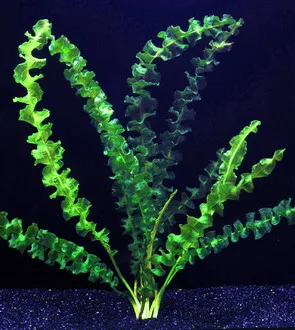
A native water-lily with delicate, wavy submersed leaves and yellow flowers. The submersed form suits large, cool tanks.
- Temperature
- 5 – 24 °C
- pH
- 6 – 8 pH
- Lighting
- Medium light
- CO₂
- Low CO₂
- Growth rate
- Slow
- Placement
- Background
1 min read · 150 words
Care profile
Growth form
RosettesPlanting and propagation
- Rhizome The creeping rhizome stays free above the substrate. Buried, it rots.
Placement in the aquarium
Highlighted are the areas where the species is typically used.
- Background Along the back wall and the sides. Forms the tall, dense backdrop.
Home & range
Hatched countries are where the species occurs. It lives in particular waters there, not across the whole country. The points name known waters for orientation, not collection sites.
- Country of origin
- Water for orientation
Native
Botanical overview
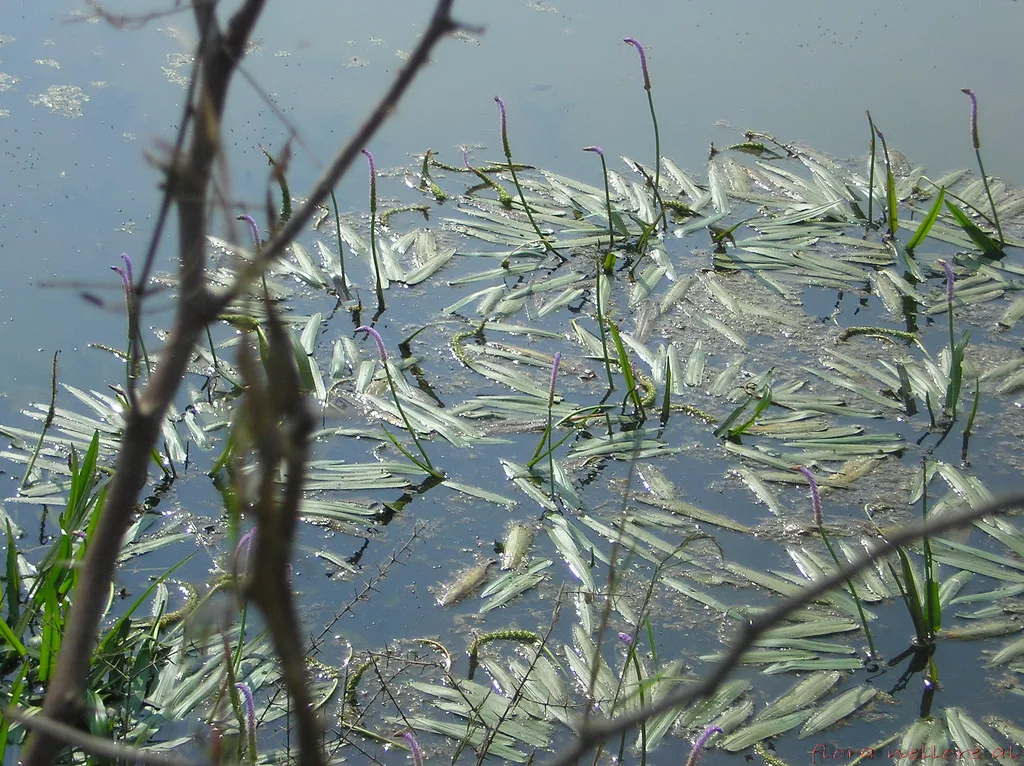
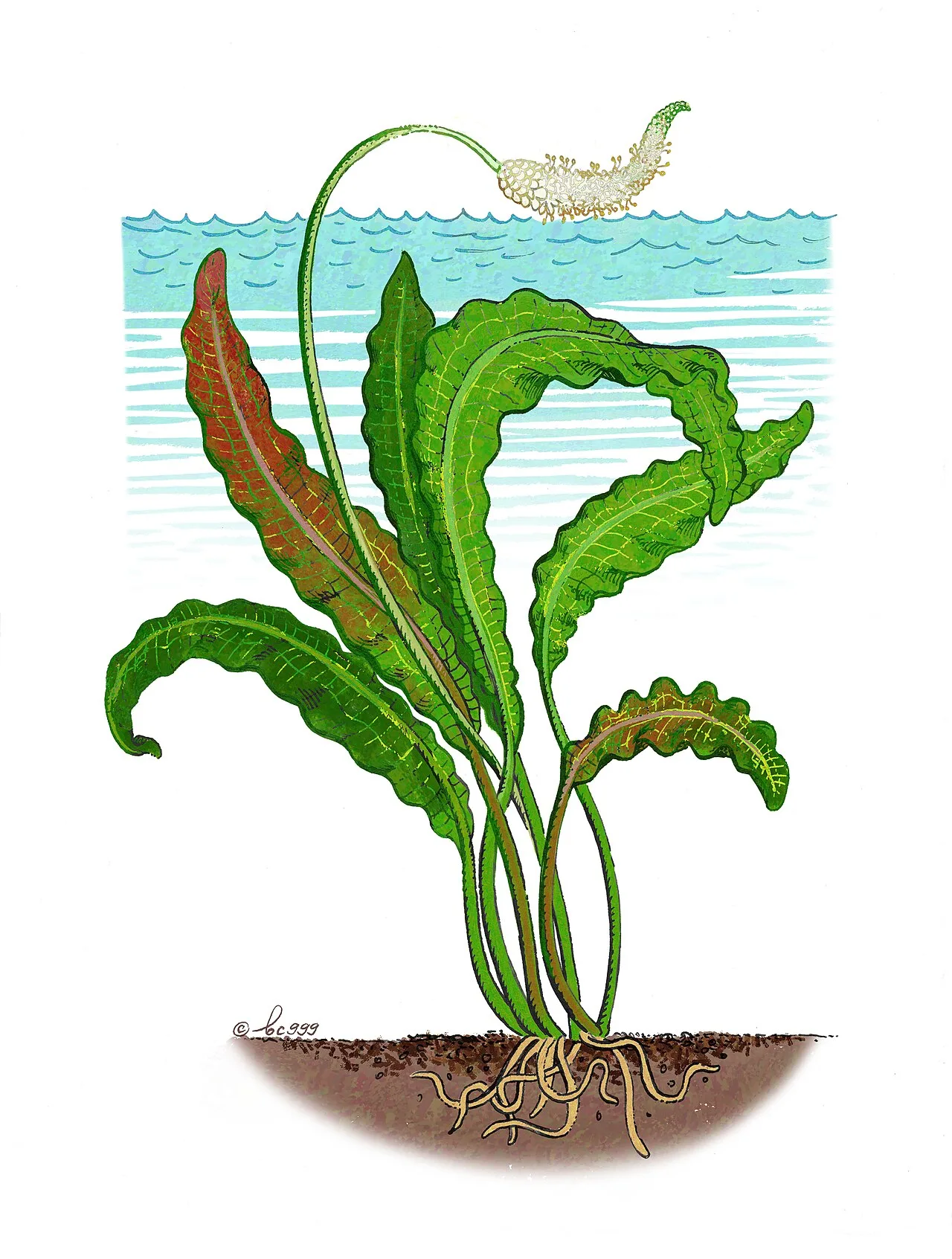
Yellow water-lily grows from a thick, creeping rhizome. It forms two leaf types: delicate, translucent, strongly wavy submersed leaves that recall lettuce, and large, leathery floating leaves. The yellow, globular flowers stand above the water and have a faint scent.
In the aquarium mainly the submersed form is kept. The floating leaves need a pond.
Natural origin
This describes the origin, not how to furnish the aquarium.
The species is native to Europe, North Africa and western Asia. It grows in still and slow waters with muddy ground, often at depths of one to three metres.
Light, CO₂ and position
Light
Medium light.
Fertiliser
Nutrient-rich substrate.
Position
5 to 24 °C. Background of large tanks; lay the rhizome flat.
Layout and neighbours
The lettuce-like submersed leaves form a bright, soft focal point in large cold-water tanks.
Common mistakes
Letting floating leaves grow: the plant puts its energy into them and the submersed leaves disappear.
Growth and trimming
Slow growth. Remove floating leaves so the submersed leaves remain.