Amazon frogbit
Limnobium laevigatum
37 views
A floating plant with round leaves and long water roots. It dims the light, pulls nutrients, and has to be limited, or it suffocates the tank.
- Temperature
- 20 – 28 °C
- pH
- 6 – 8 pH
- Lighting
- Medium light
- CO₂
- Low CO₂
- Growth rate
- Fast
- Placement
- Floating
3 min read · 388 words
Care profile
Growth form
Floating plantsPlanting and propagation
- Runners Forms runners in the substrate that grow into new plants. Separate them once they have their own roots.
Placement in the aquarium
Highlighted are the areas where the species is typically used.
- Water surface Floats at the surface and dims the light below.
Home & range
Hatched countries are where the species occurs. It lives in particular waters there, not across the whole country. The points name known waters for orientation, not collection sites.
- Country of origin
- Water for orientation
Native
Botanical overview
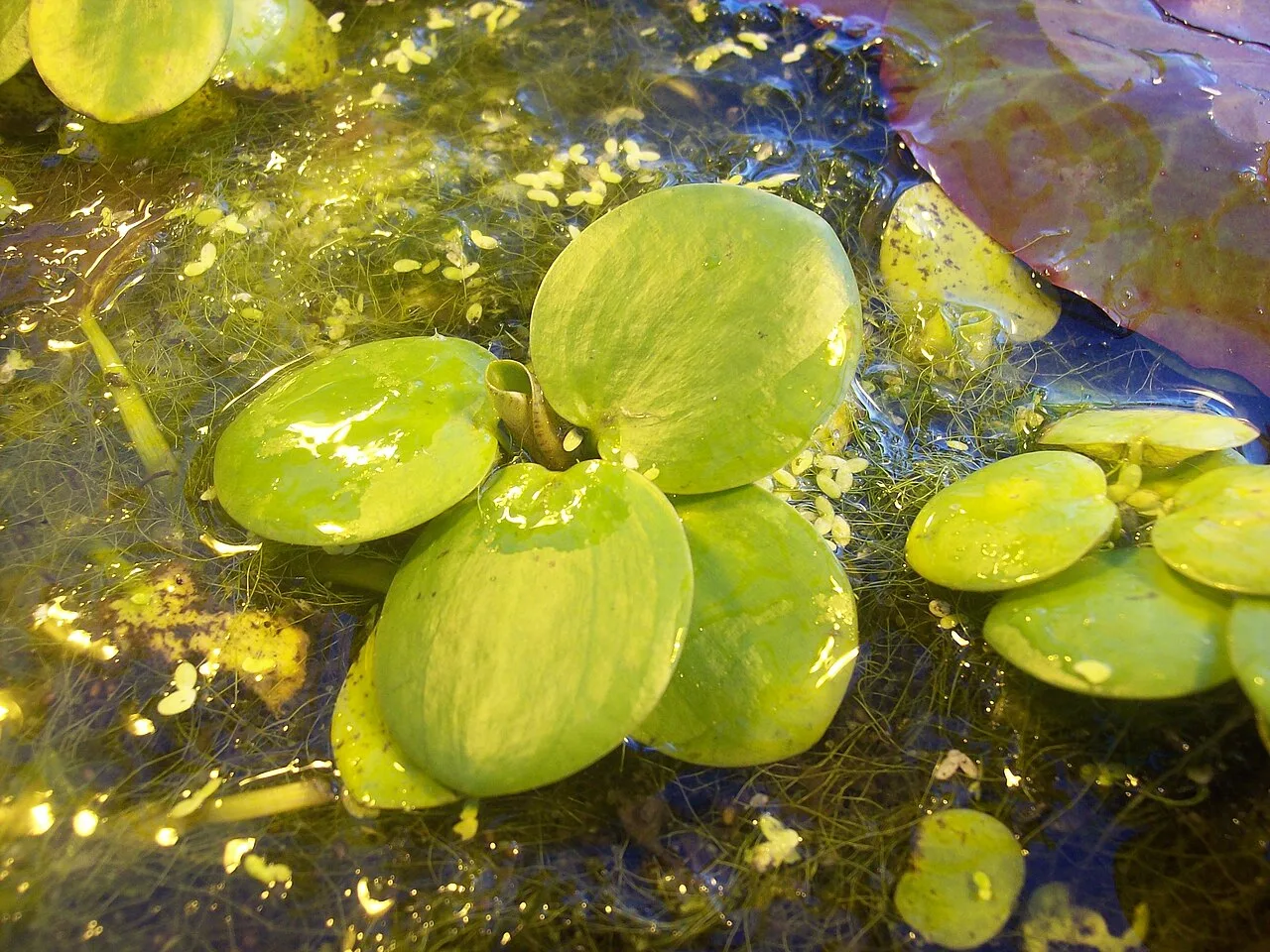
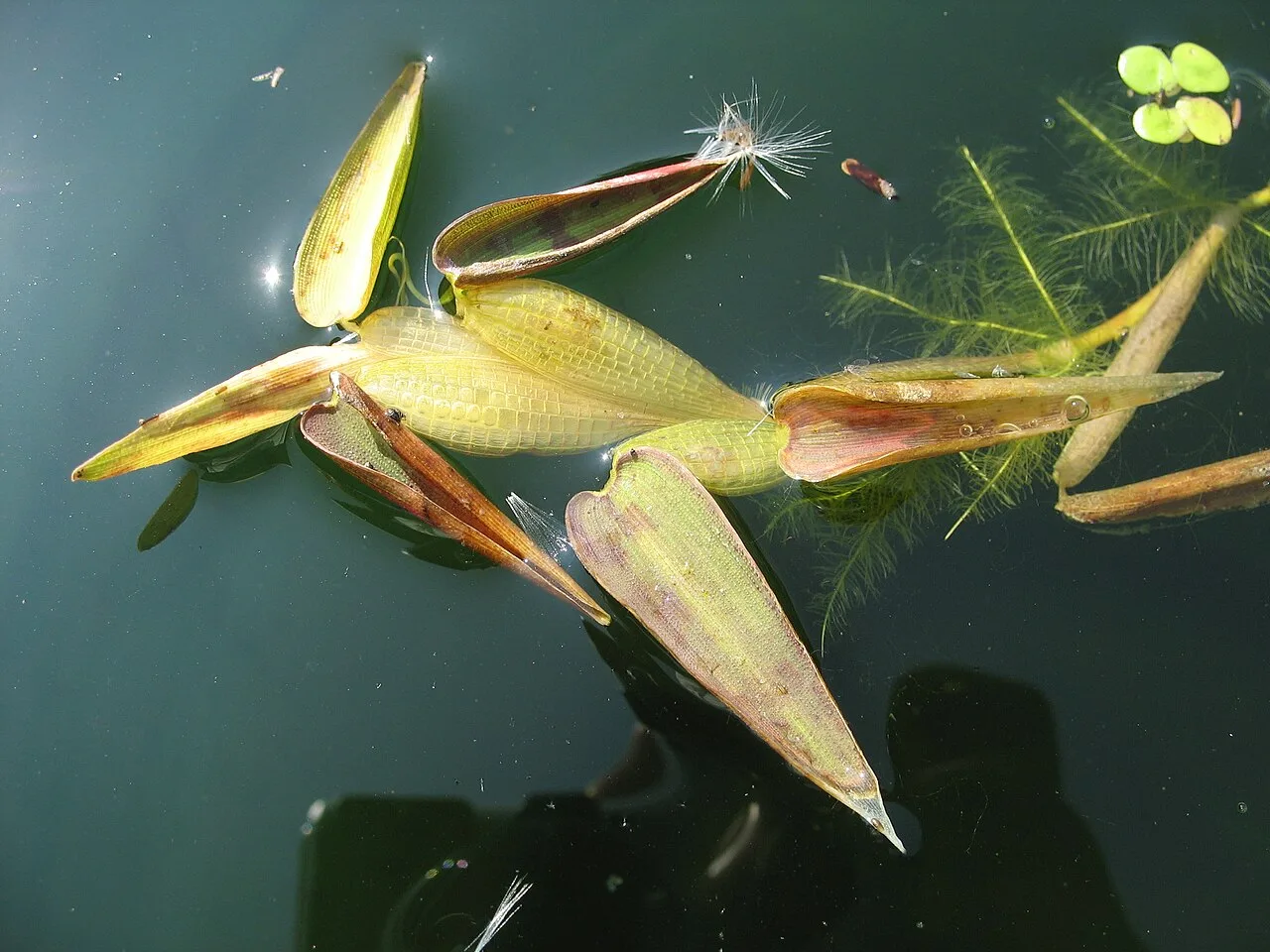
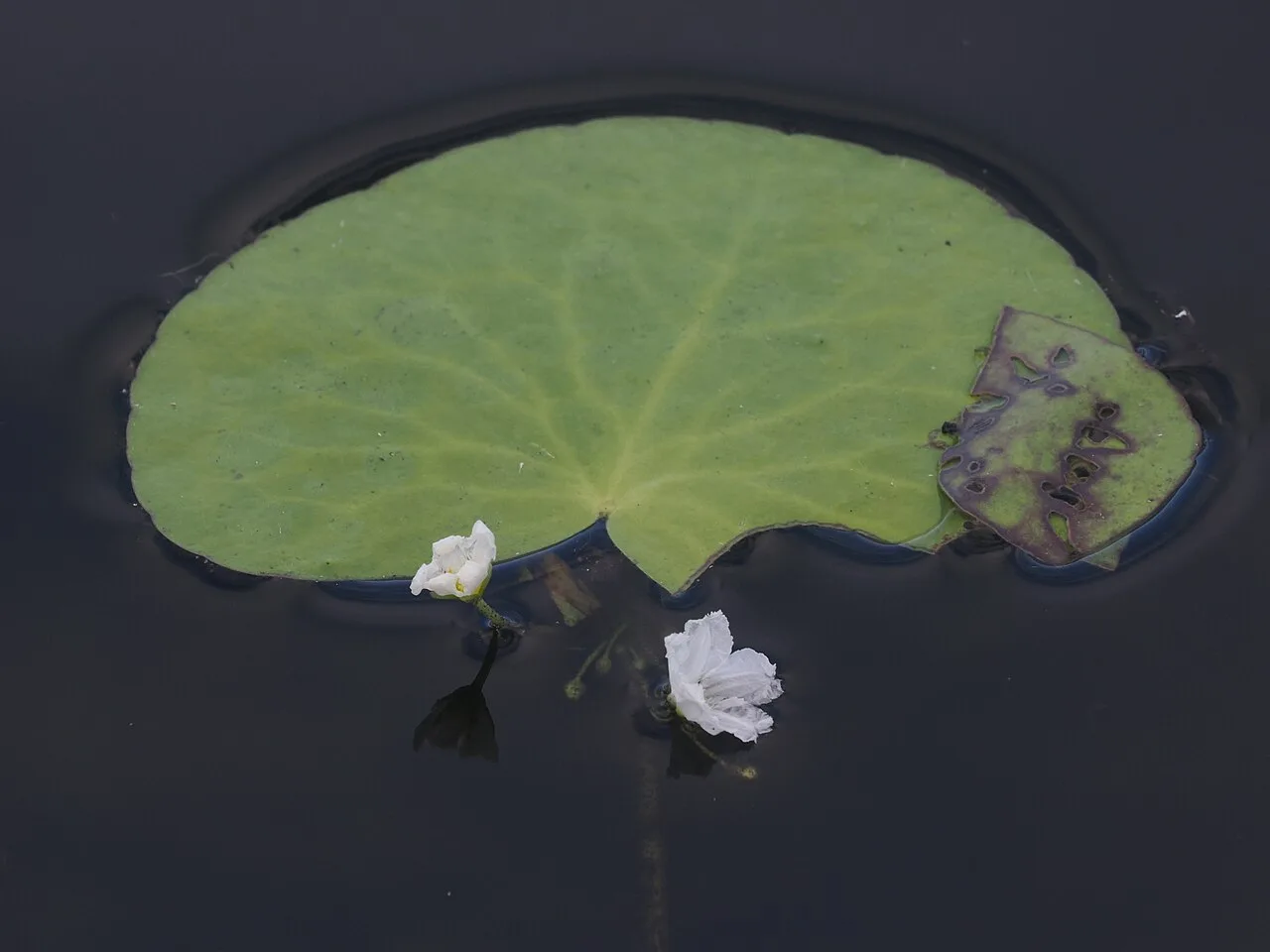
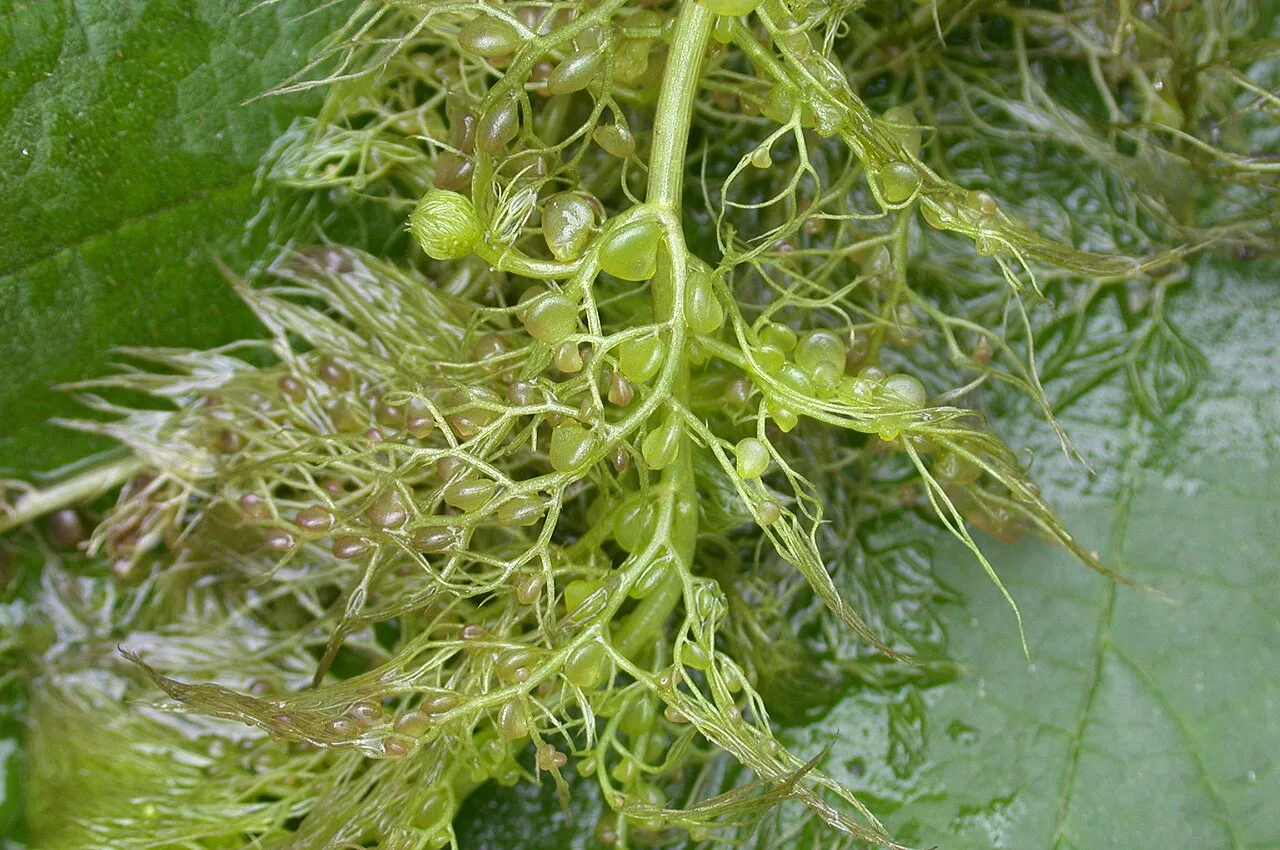
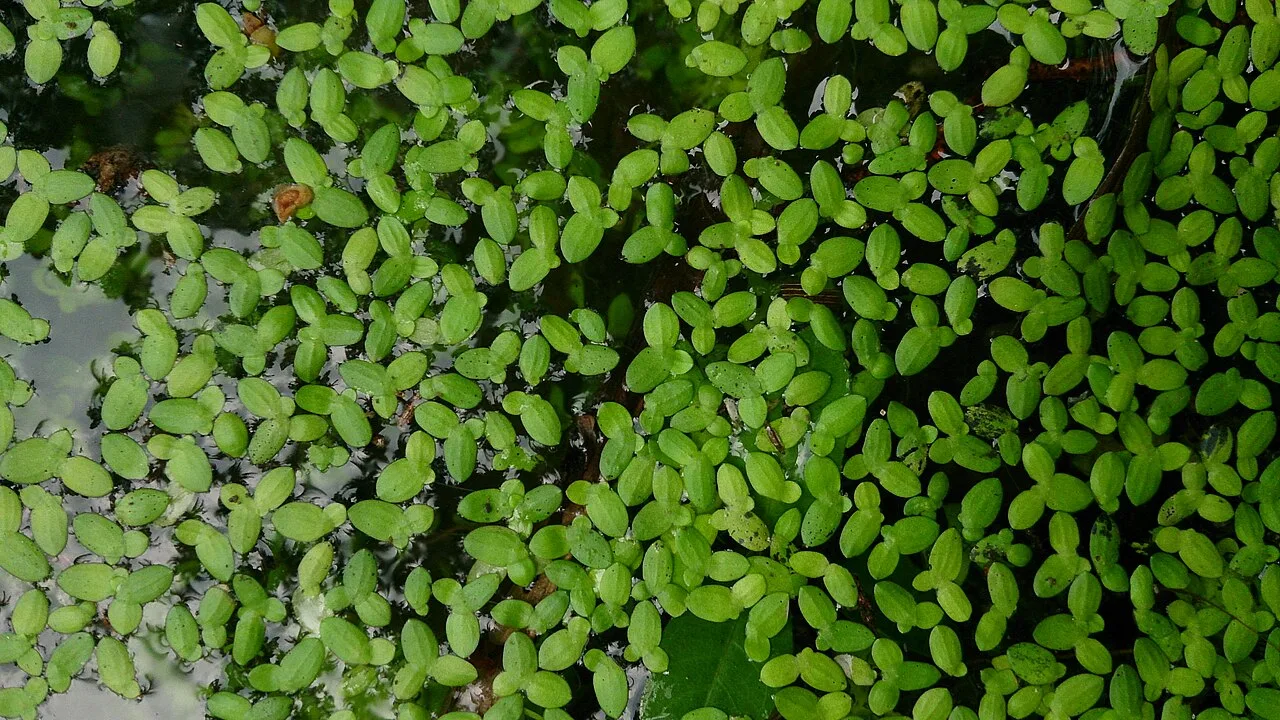
Limnobium laevigatum sends rosettes across the surface. The leaves are round, often with spongy tissue, and the roots hang down like a curtain. Young plants appear on runners and quickly form a closed cover. The species is not the European frogbit Hydrocharis, and not Pistia, whose leaves are hairy and ribbed.
Under the leaves a dusk appears that suits many fish and epiphytes and takes the light from ground covers. Both effects are the point, not an accident.
Natural origin
This describes the origin, not how to furnish the aquarium.
Still and slow waters of tropical America, nutrient-rich, full sun at the surface. The plant has since been moved further. It must not be released into natural waters. America stays the coarse origin of the species, not every ditch in which it now floats.
Light, CO₂ and position
Keeping
Medium light at the surface is enough. CO₂ is not required. 20 to 28 °C. The surface needs an open zone for labyrinth fish and for gas exchange. A ring of current or a piece of airline keeps a corner open. Cover glasses that the leaves lie wet against all the time make them rot. A gap or a slanted cover is better.
Use and limit
The roots are a spawning and grazing space and a hiding place for young livebearers. The same cover takes the light from Rotala and Monte Carlo. Anyone who wants both limits the floating plants to part of the surface.
Layout and neighbours
The round, spongy leaves float at the surface and the long roots hang deep into the water. Ideal over shrimp or breeding tanks, for gouramis and bettas.
Common mistakes
Condensation dripping from the lid onto the leaves makes them rot. Too strong a current pushes them under.
Growth and trimming
Surplus rosettes are taken off every week, not only when the tank is dark. Yellow leaves come with iron shortage or when the plant stands in its own shade. The roots are shortened when they grow into the filter or into the ground cover. That does not harm the mother plant.\n\nRemoving the entire cover at once changes light and nutrients in a day. Thin it in two steps.
Propagation
Separate the runners. Every young rosette with its own roots is a new plant. It multiplies faster than it is cared for. Surplus belongs in the organic waste or with other aquarists, not in the pond and not down the drain.