Common duckweed
Lemna minor
3 views
A tiny floating plant with one root per frond. Grows extremely fast and is hard to get rid of.
- Temperature
- 10 – 28 °C
- pH
- 6 – 8 pH
- Lighting
- Low light
- CO₂
- No CO₂
- Growth rate
- Fast
- Placement
- Floating
1 min read · 131 words
Care profile
Growth form
Floating plantsPlacement in the aquarium
Highlighted are the areas where the species is typically used.
- Water surface Floats at the surface and dims the light below.
Home & range
Botanical overview
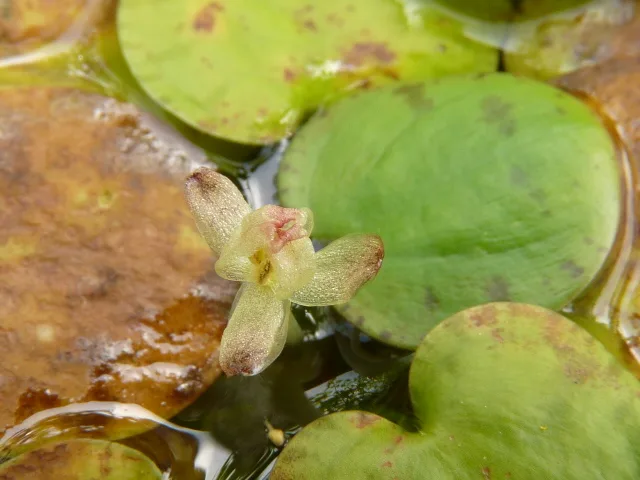
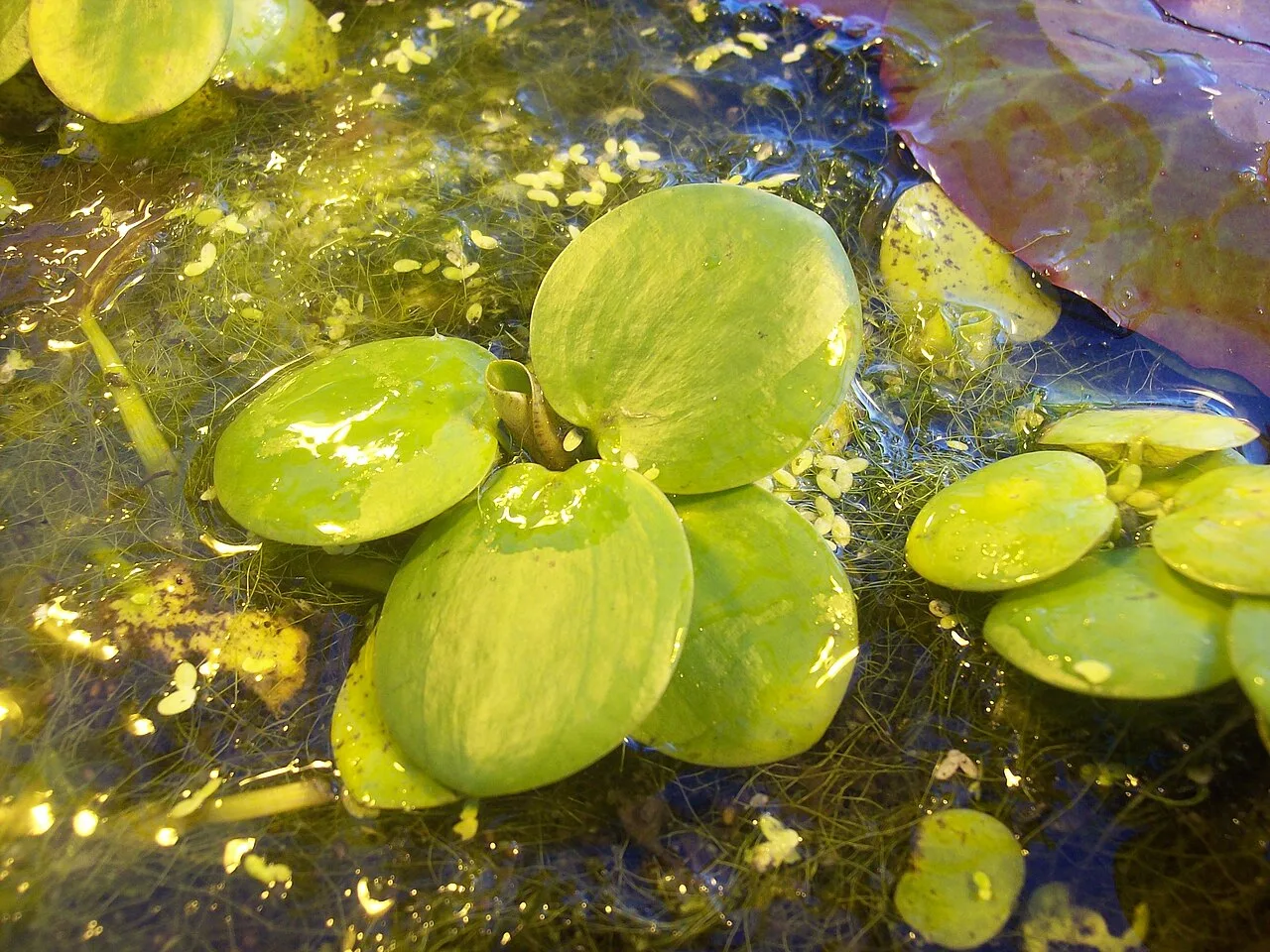
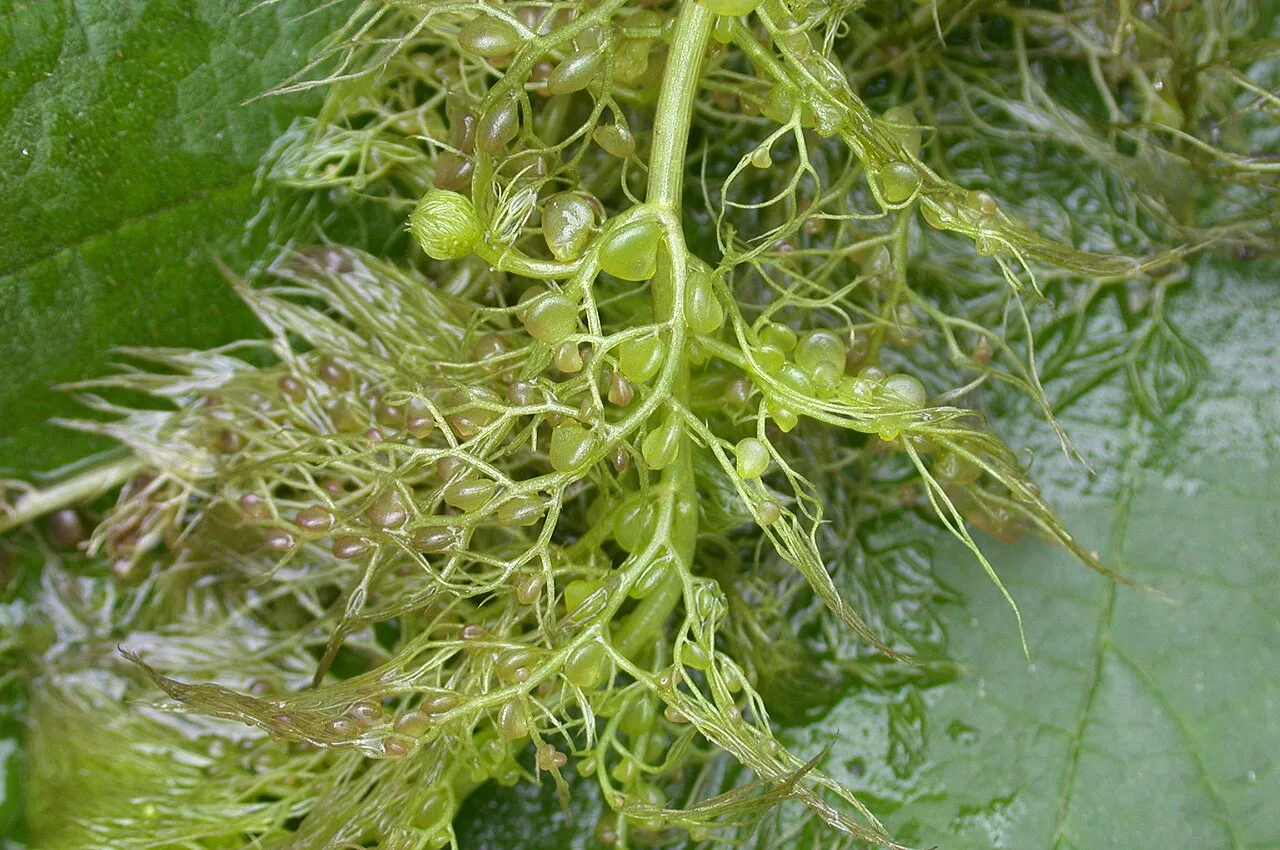
Common duckweed consists of flat, oval fronds 2 to 4 mm long with a single root. It multiplies by budding and can double its area in a short time. Many aquarists bring it in unintentionally with other plants.
It is useful as food for herbivores and snails and as a nutrient brake, but rather a nuisance in a well-kept tank.
Natural origin
This describes the origin, not how to furnish the aquarium.
The species is distributed almost worldwide except in polar regions. It grows on still and slow waters, especially nutrient-rich ones.
Light, CO₂ and position
Light
Low to medium light.
Position
10 to 28 °C. Water surface.
Layout and neighbours
Useful as food for herbivores and in breeding tanks. In designed tanks rather unwanted.
Common mistakes
Bringing it in unintentionally with plants.
Growth and trimming
Extremely fast. Net it out regularly. To get rid of it, every frond must be removed.