Banana plant
Nymphoides aquatica
26 views
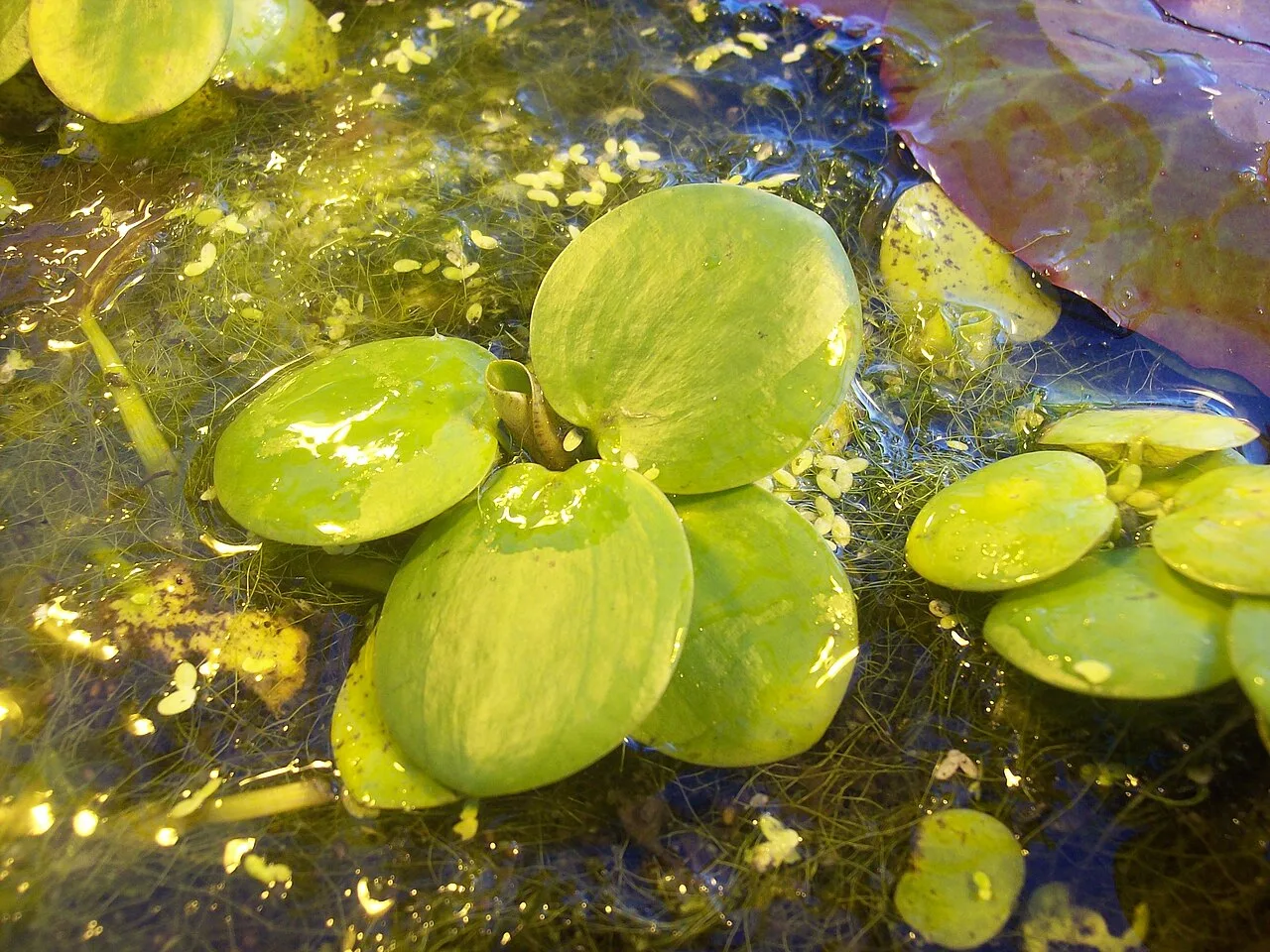
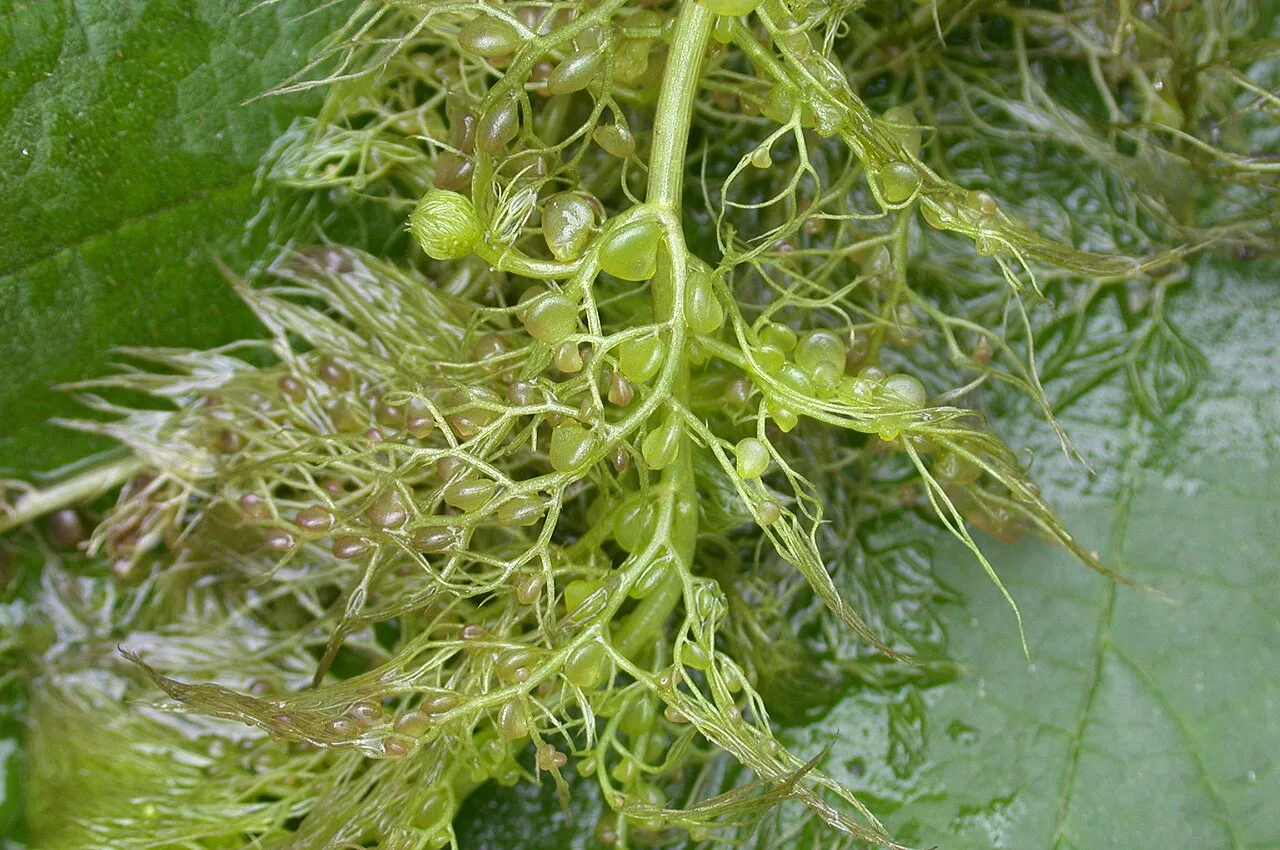
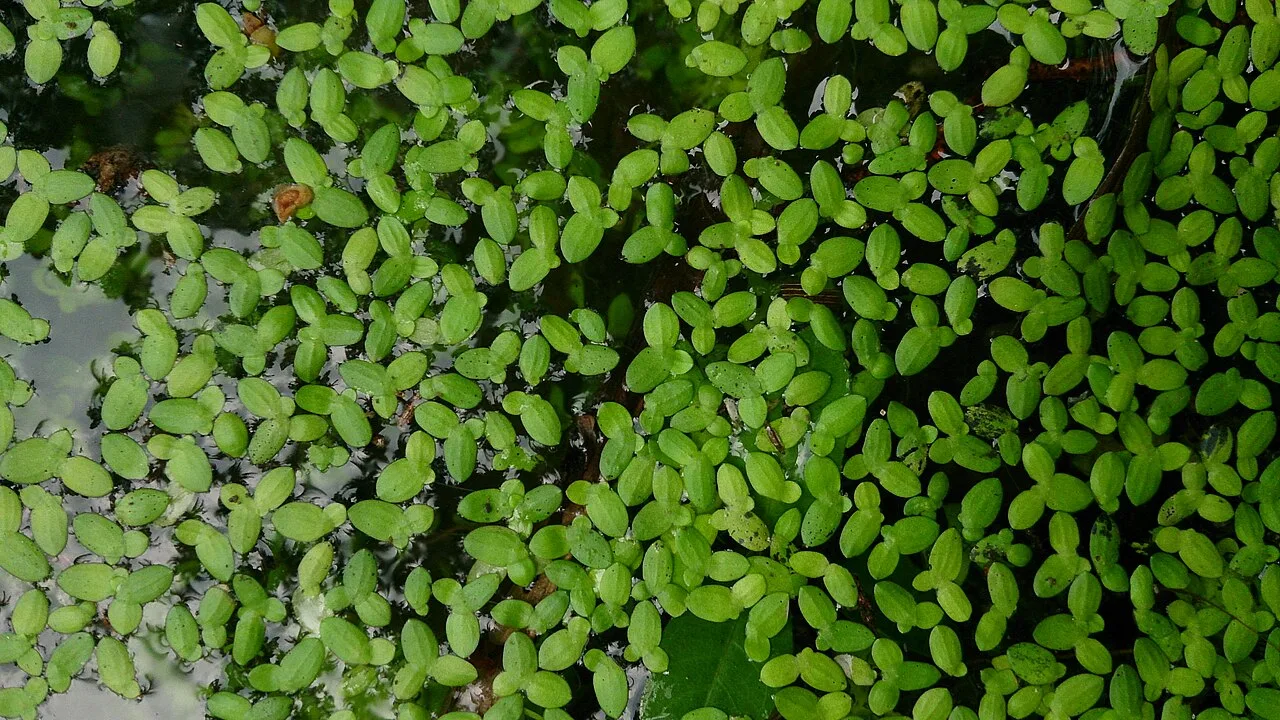
A rosette with banana-shaped storage roots and round leaves that grow toward the surface. The tubers stay visible.
- Temperature
- 20 – 28 °C
- pH
- 6 – 7.5 pH
- Lighting
- Medium light
- CO₂
- Low CO₂
- Growth rate
- Medium
- Placement
- Midground
2 min read · 259 words
Care profile
Growth form
Floating plantsPlanting and propagation
- Runners Forms runners in the substrate that grow into new plants. Separate them once they have their own roots.
Placement in the aquarium
Highlighted are the areas where the species is typically used.
- Midground Between foreground and background. Hides transitions and frames stones and wood.
- Water surface Floats at the surface and dims the light below.
Home & range
Hatched countries are where the species occurs. It lives in particular waters there, not across the whole country. The points name known waters for orientation, not collection sites.
- Country of origin
- Water for orientation
Native
Botanical overview
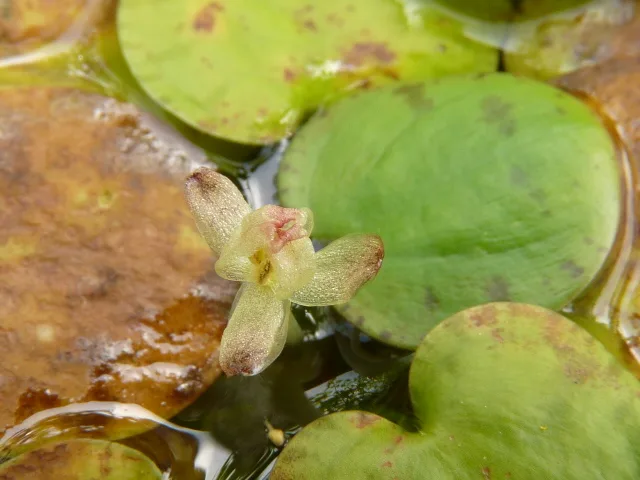
Nymphoides aquatica sends from a short shoot a rosette and, below it, thick, banana-like tubers. The leaves are round and sit on long stalks. They want the surface. Under water they stay smaller. Once a floating leaf reaches the surface it becomes larger and shades.
The tubers are storage and must not be buried. Only the fine roots belong in the substrate. A buried tuber rots.
Natural origin
This describes the origin, not how to furnish the aquarium.
Slow and still waters in the south-eastern United States. The origin stays coarse. The plant is a specimen, not a ground cover.
Light, CO₂ and position
Planting
Medium to high light, CO₂ helpful, 20 to 28 °C. Tubers above the substrate, fine roots in the substrate. Midground with a free path upward. Do not set it under an already closed floating cover.
Floating leaves
Anyone who wants to keep the smaller underwater leaves cuts the floating leaves off. The plant makes new ones. That is its strategy for reaching the light, not a mistake.
Layout and neighbours
The banana-shaped storage roots lie on the substrate, the leaves grow towards the surface. An eye-catcher in the foreground, especially for children.
Common mistakes
The bananas are buried and rot. They stay lying on the substrate.
Growth and trimming
Cut old, holed leaves at the stalk. Do not pull on the tubers. Soft, black tubers are removed. Firm ones stay. Fertiliser in the substrate helps the fine roots. The tubers themselves are not a fertiliser one cuts open.
Propagation
Daughter plants appear on runners and are taken off when they have their own tubers and leaves. That takes time. Seed is slow.