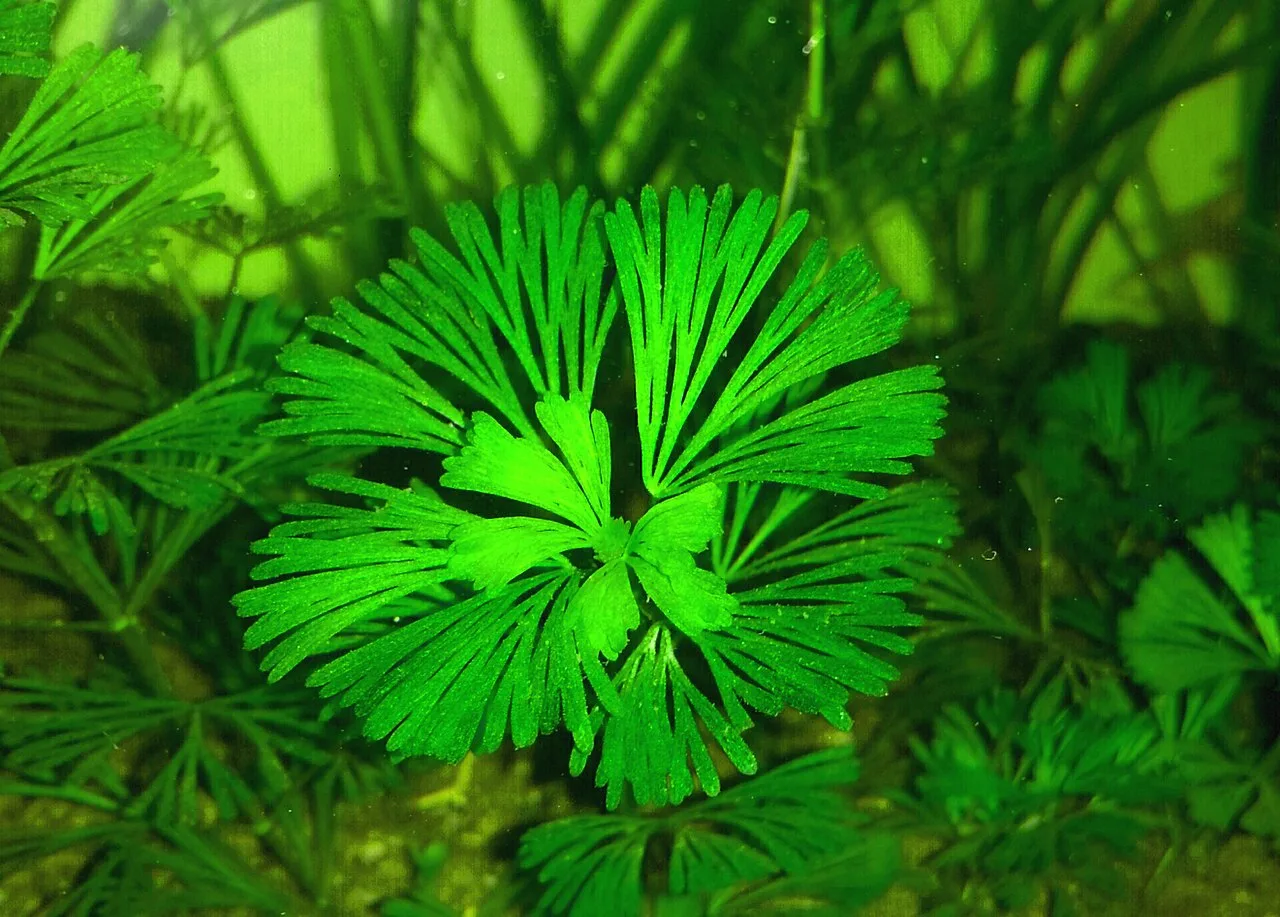
Curled pondweed
Potamogeton crispus
1 view
A pondweed with strongly wavy, finely toothed leaves. Grows mainly in the cool half of the year.
- Temperature
- 8 – 22 °C
- pH
- 6.5 – 8.5 pH
- Lighting
- Medium light
- CO₂
- Low CO₂
- Growth rate
- Medium
- Placement
- Background
2 min read · 179 words
Care profile
Growth form
Stem plantsPlanting and propagation
- Cuttings Cut off shoot tips and replant them. This keeps the stand dense and propagates it at the same time.
Placement in the aquarium
Highlighted are the areas where the species is typically used.
- Background Along the back wall and the sides. Forms the tall, dense backdrop.
Home & range
Hatched countries are where the species occurs. It lives in particular waters there, not across the whole country. The points name known waters for orientation, not collection sites.
- Country of origin
- Water for orientation
Native
Botanical overview
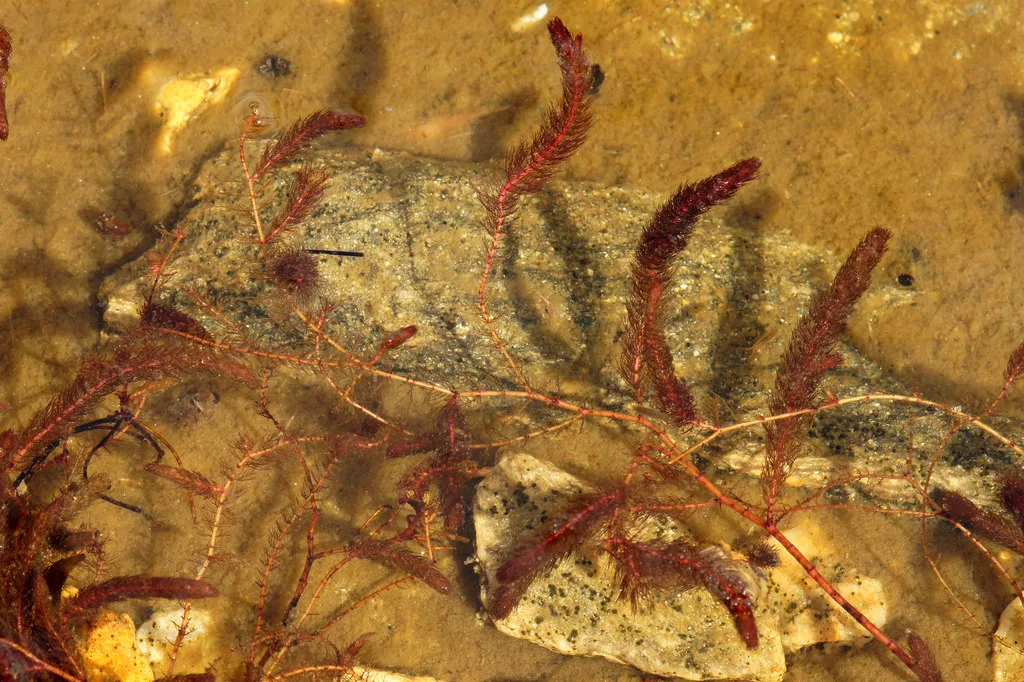
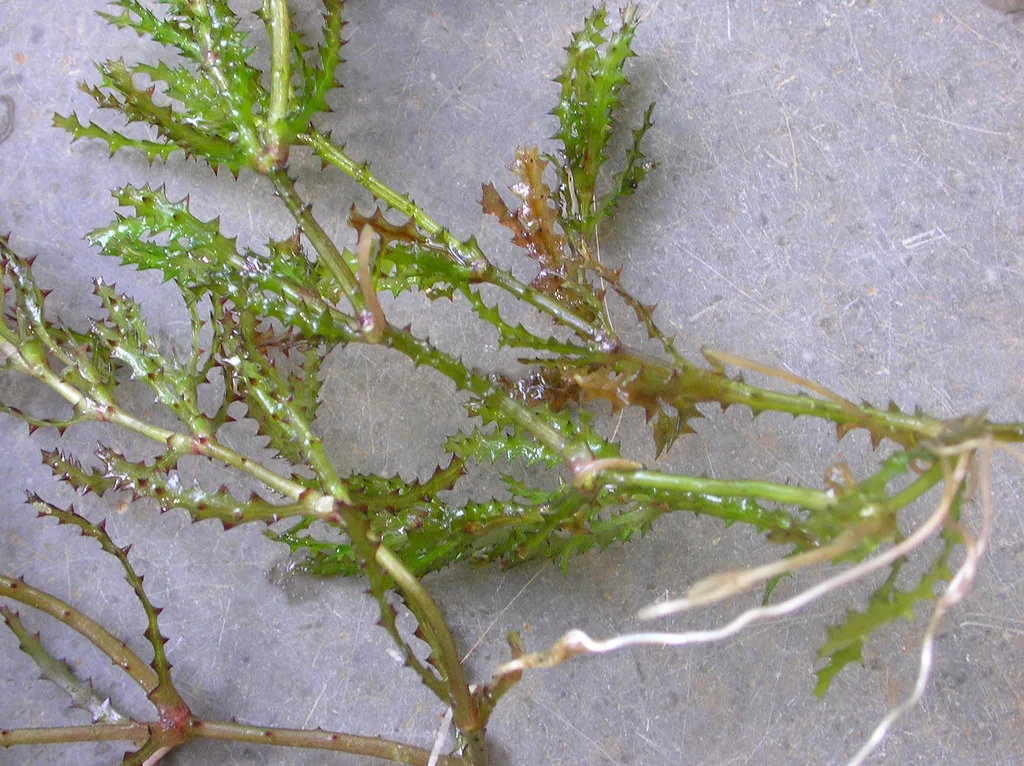
Curled pondweed carries alternate, oblong, strap-shaped leaves 3 to 10 cm long on flattened stems. The leaf margin is strongly wavy and finely serrated; the colour ranges from green to reddish brown. Unlike many aquatic plants it grows mainly in autumn, winter and spring. In early summer it forms hard winter buds and often dies back in the summer heat.
In a cold-water tank its wavy leaves make a striking background.
Natural origin
This describes the origin, not how to furnish the aquarium.
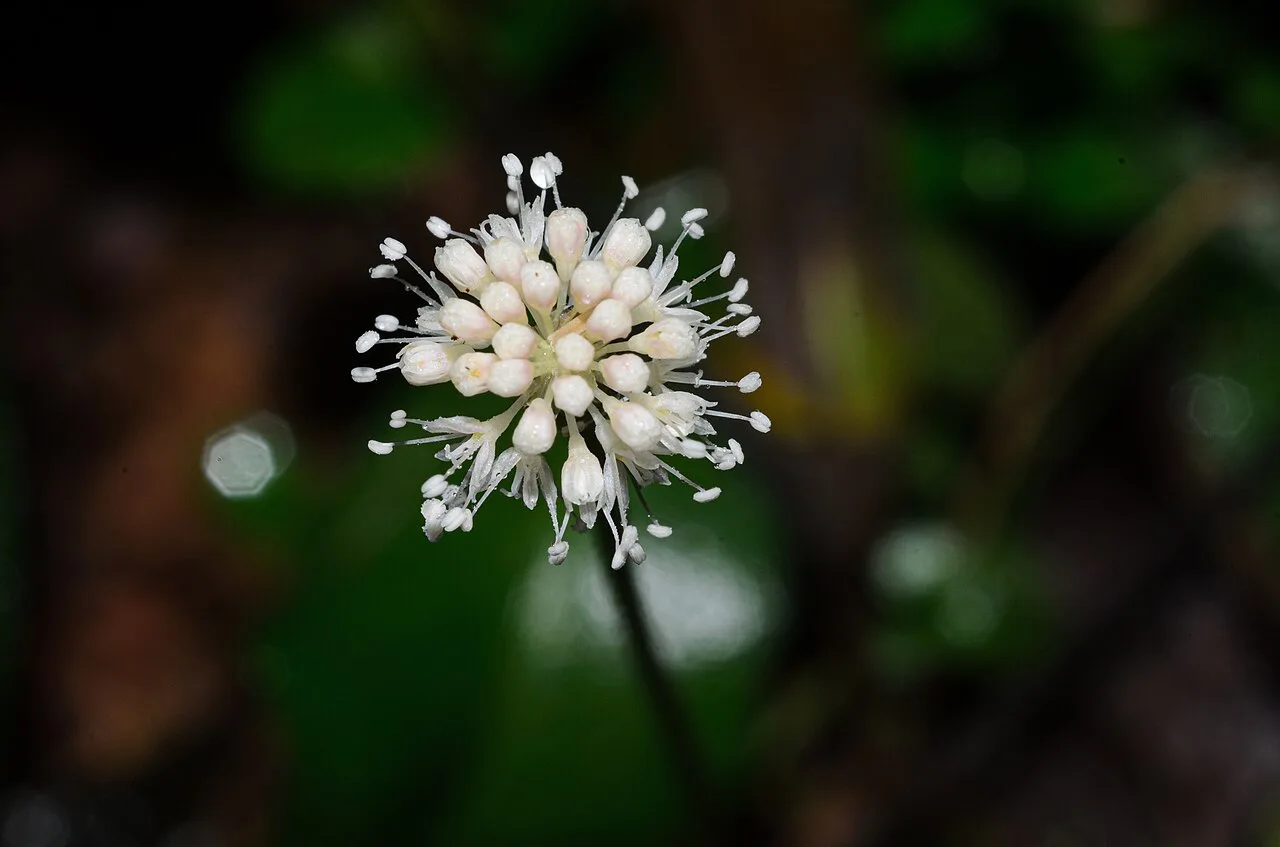
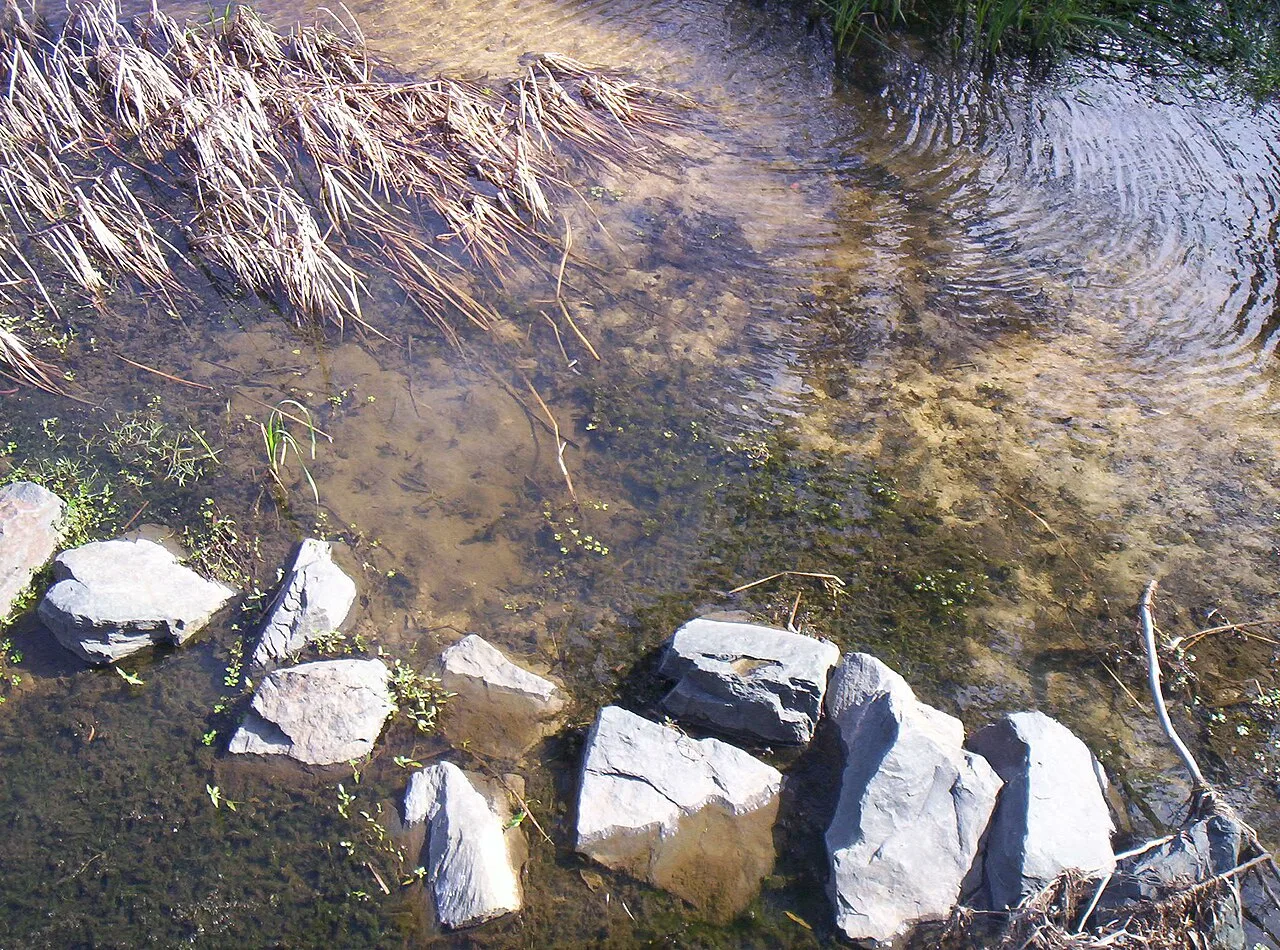
The species is native to Europe, Asia, Africa and Australia. It was introduced to North America. It grows in nutrient-rich lakes, ponds, ditches and slow rivers.
Light, CO₂ and position
Light
Medium light.
Temperature
8 to 22 °C. It does not tolerate permanently warm water.
Position
Background, nutrient-rich substrate.
Layout and neighbours
The wavy, often reddish-brown leaves add a colour accent in a cold-water tank. Works well with fine-leaved water-milfoils.
Common mistakes
Mistaking the summer die-back for the end and throwing the plant away. The winter buds sprout again in autumn.
Growth and trimming
Moderate growth. After dying back in summer, the winter buds sprout again as the temperature drops.