No reviewed photograph has been published for this species.
European frog-bit
Hydrocharis morsus-ranae
4 views
A native floating plant with round, heart-shaped leaves. For cold-water tanks and ponds.
- Temperature
- 10 – 25 °C
- pH
- 6 – 8 pH
- Lighting
- Medium light
- CO₂
- No CO₂
- Growth rate
- Medium
- Placement
- Floating
1 min read · 132 words
Care profile
Growth form
Floating plantsPlanting and propagation
- Runners Forms runners in the substrate that grow into new plants. Separate them once they have their own roots.
Placement in the aquarium
Highlighted are the areas where the species is typically used.
- Water surface Floats at the surface and dims the light below.
Home & range
Hatched countries are where the species occurs. It lives in particular waters there, not across the whole country. The points name known waters for orientation, not collection sites.
- Country of origin
- Water for orientation
Native
Botanical overview
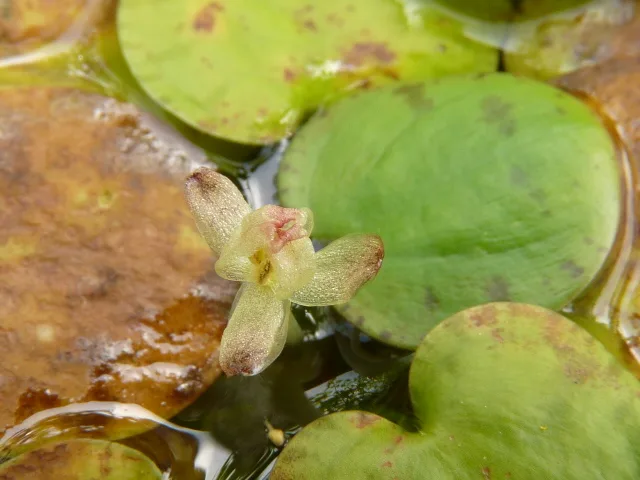
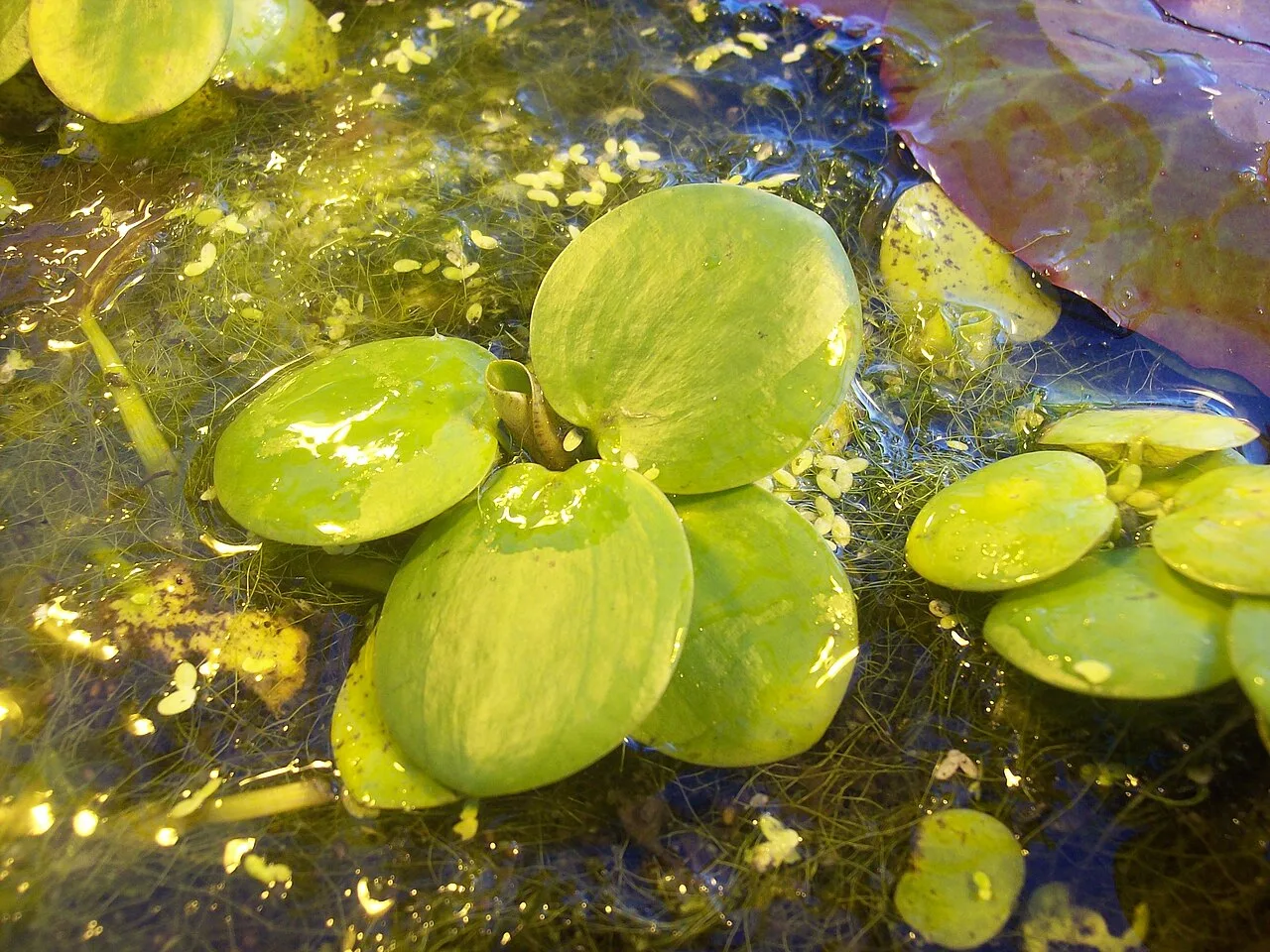
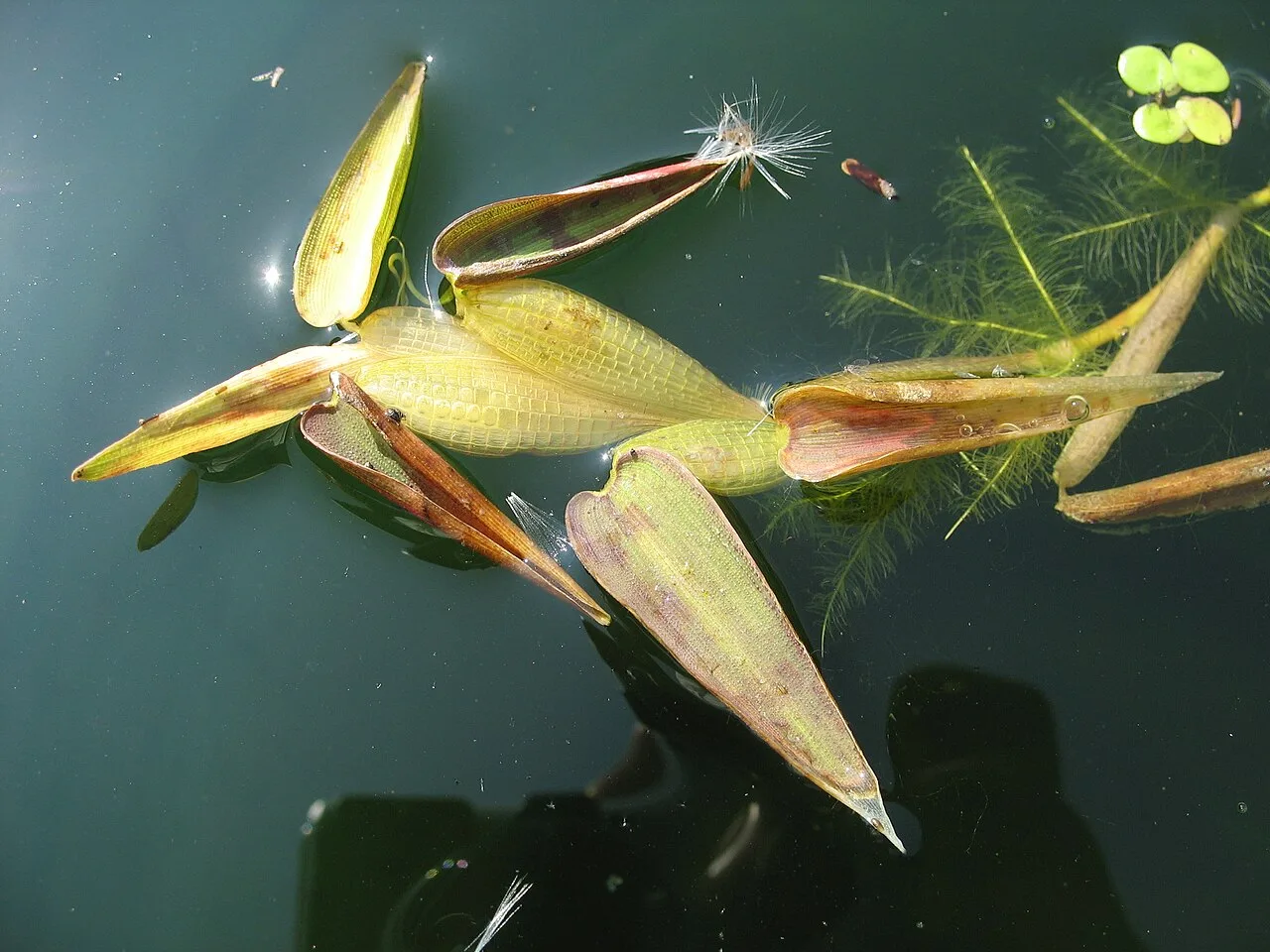
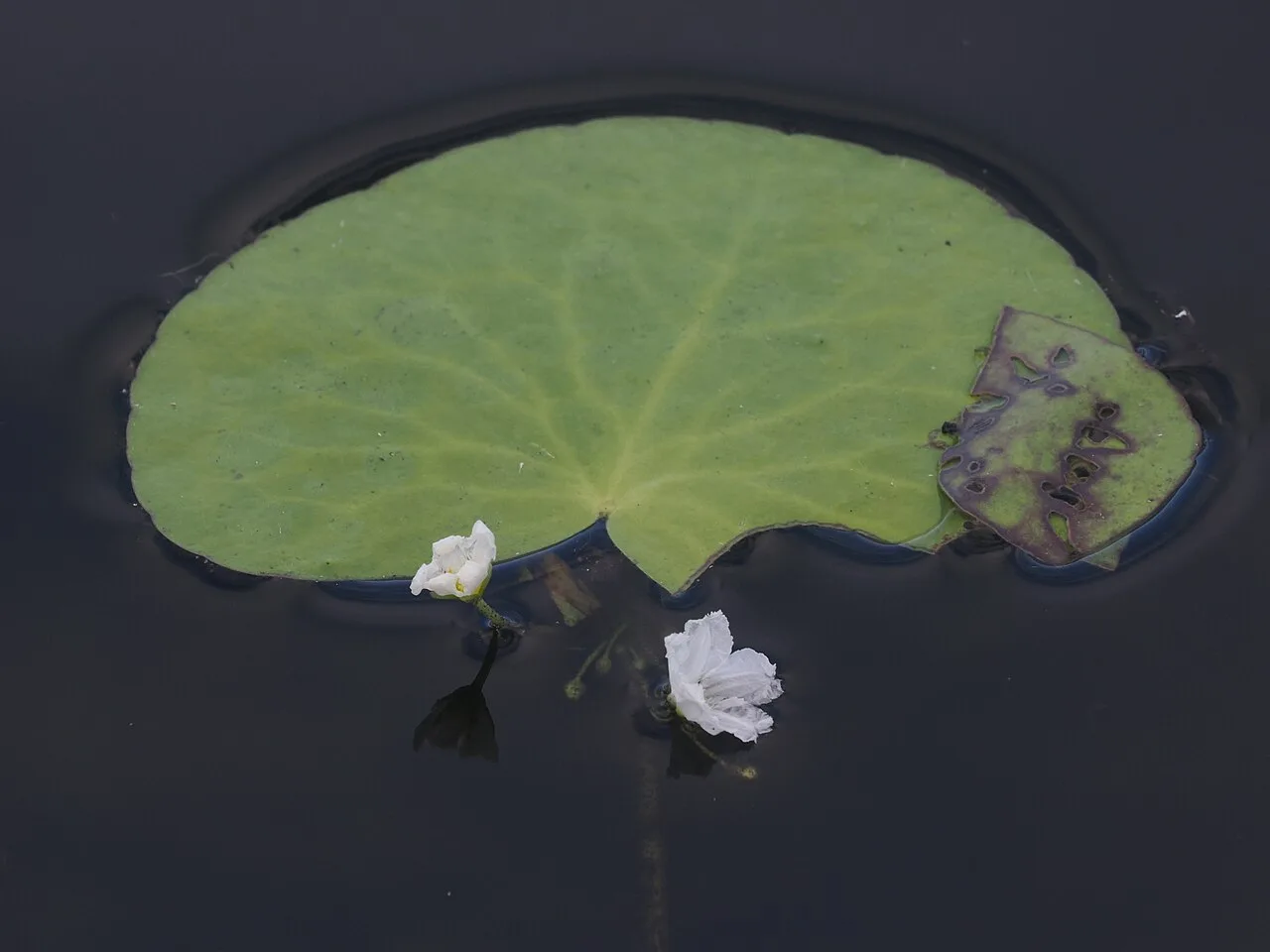
European frog-bit forms rosettes of round floating leaves, heart-shaped at the base, 2 to 5 cm across. Long roots hang beneath the leaves. In summer white, three-petalled flowers appear. In autumn it forms winter buds that sink to the bottom.
Natural origin
This describes the origin, not how to furnish the aquarium.
The species is native to Europe and western Asia. It grows on still, nutrient-rich waters, in ditches, oxbows and ponds. In North America it was introduced and is invasive.
Light, CO₂ and position
Light
Medium to high light.
Temperature
10 to 25 °C. It only lasts a limited time in warm water.
Position
Water surface, calm water.
Layout and neighbours
For cold-water tanks with native fish and for ponds. The winter buds overwinter on the bottom.
Common mistakes
Trying to keep it permanently in a tropical tank.
Growth and trimming
Moderate growth. The plants die back in autumn.