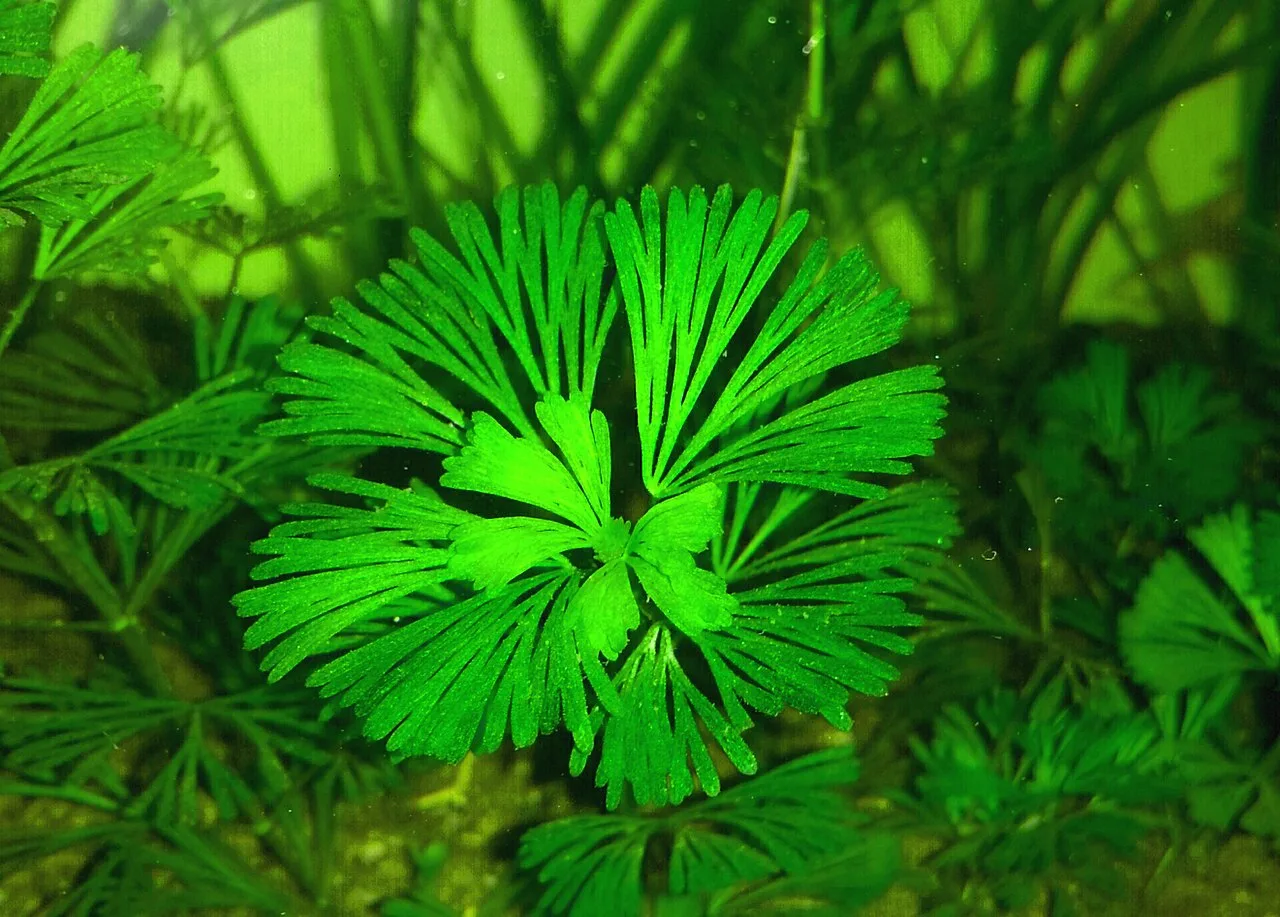
Glenwood hygrophila
Hygrophila costata
3 views
A large, sturdy hygrophila from the Americas with clearly ribbed leaves. A background plant for larger tanks.
- Temperature
- 20 – 28 °C
- pH
- 6 – 8 pH
- Lighting
- Medium light
- CO₂
- Low CO₂
- Growth rate
- Fast
- Placement
- Background
1 min read · 134 words
Care profile
Growth form
Stem plantsPlanting and propagation
- Cuttings Cut off shoot tips and replant them. This keeps the stand dense and propagates it at the same time.
Placement in the aquarium
Highlighted are the areas where the species is typically used.
- Background Along the back wall and the sides. Forms the tall, dense backdrop.
Home & range
Hatched countries are where the species occurs. It lives in particular waters there, not across the whole country. The points name known waters for orientation, not collection sites.
- Country of origin
- Water for orientation
Native
Botanical overview
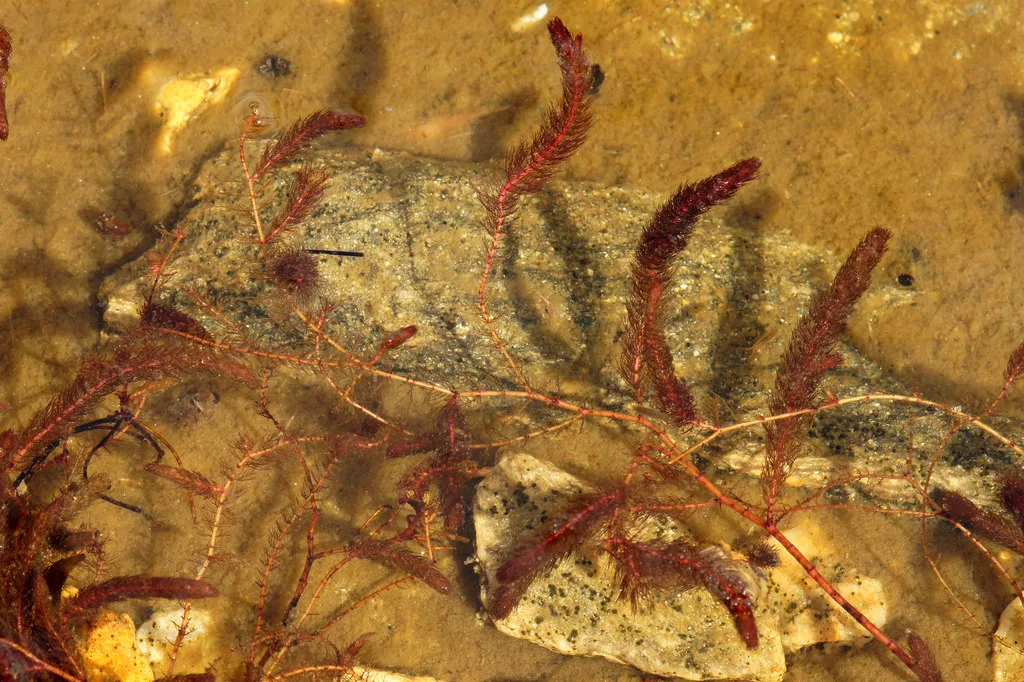
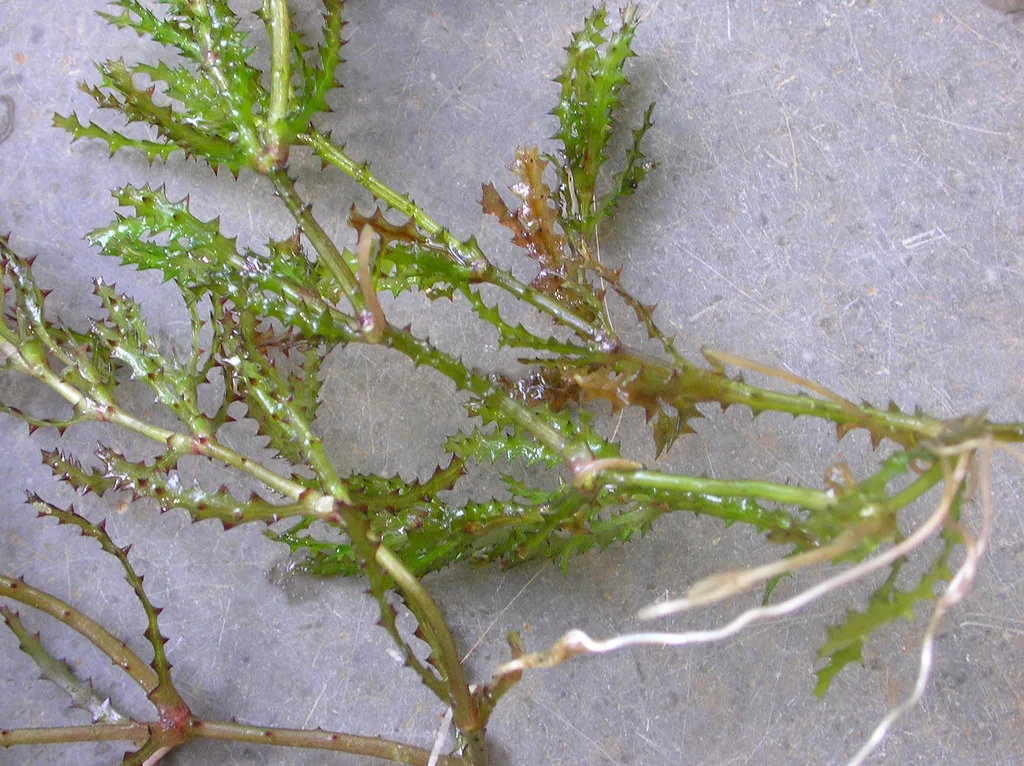
Hygrophila costata grows tall and strong. The leaves are broadly lanceolate with a prominent midrib. Under water the plant stays green. In the trade it is sometimes confused with Hygrophila corymbosa, which comes from Asia.
In large tanks it forms a dense green curtain. In small tanks it quickly outgrows the frame.
Natural origin
This describes the origin, not how to furnish the aquarium.
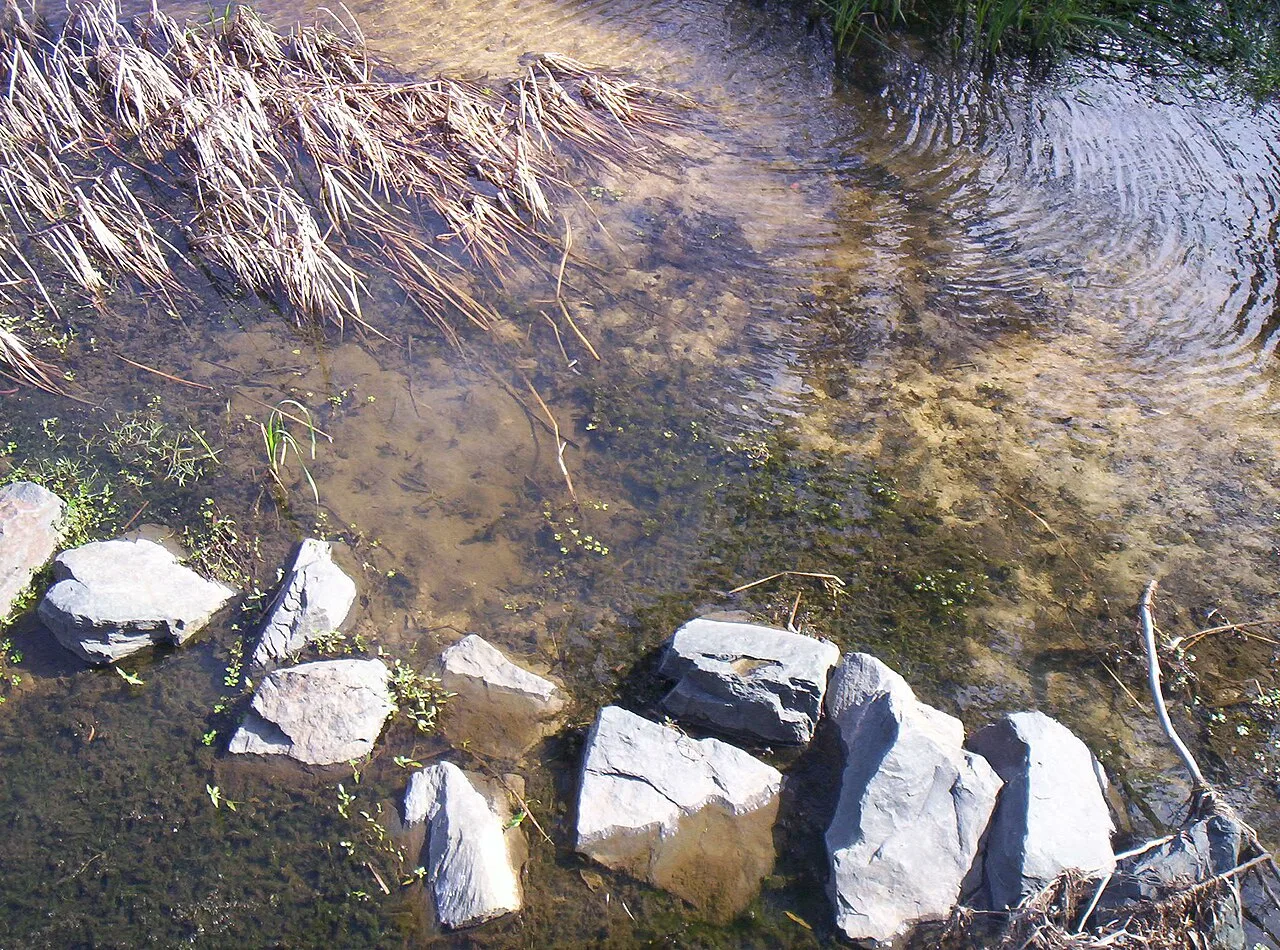
Its range runs from the southern United States (Florida, Louisiana, Texas) through Mexico and Central America into South America, Argentina included. It grows on water margins, in swamps and damp forests, often emersed.
Light, CO₂ and position
Light
Medium light.
CO₂ and fertiliser
Possible without CO₂. High nutrient demand; substrate fertiliser at the base helps.
Position
20 to 28 °C. Background of large tanks from about 100 litres.
Growth and trimming
Vigorous, trim regularly. Lower leaves lose colour when dense tops take the light. Then shorten the stems and replant the heads.