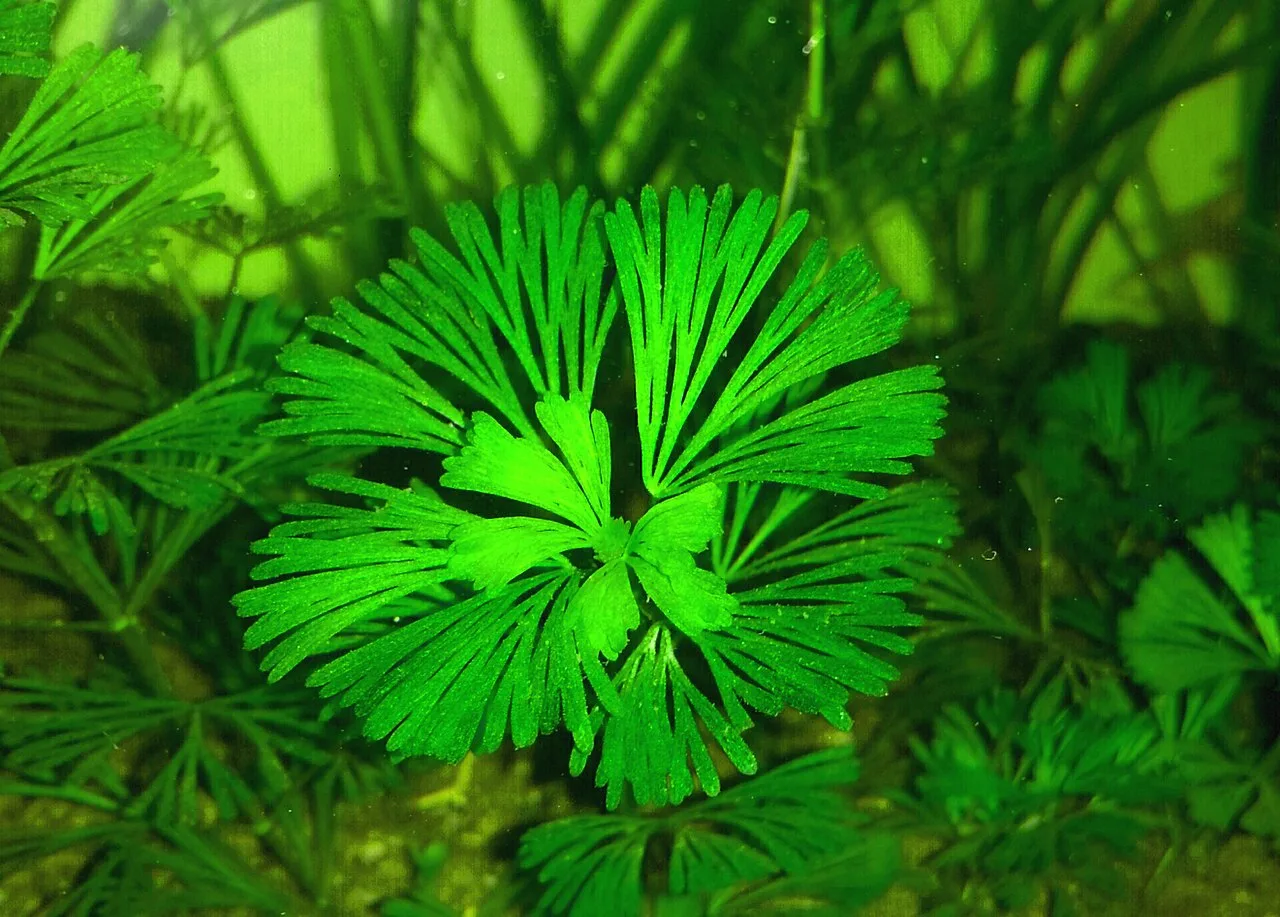
Hydrilla
Hydrilla verticillata
2 views
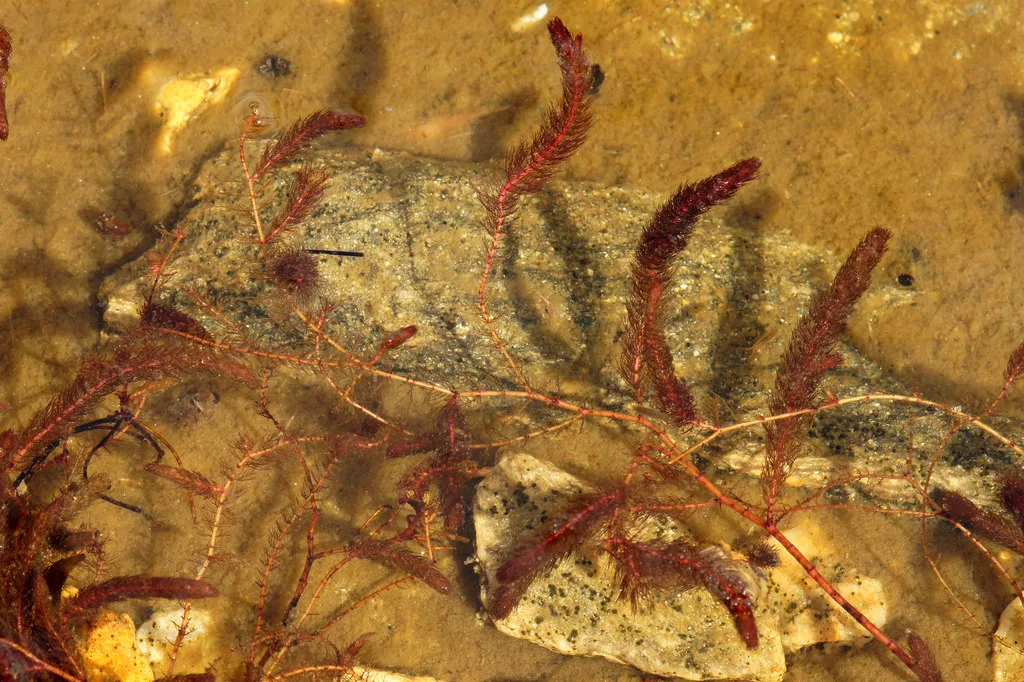
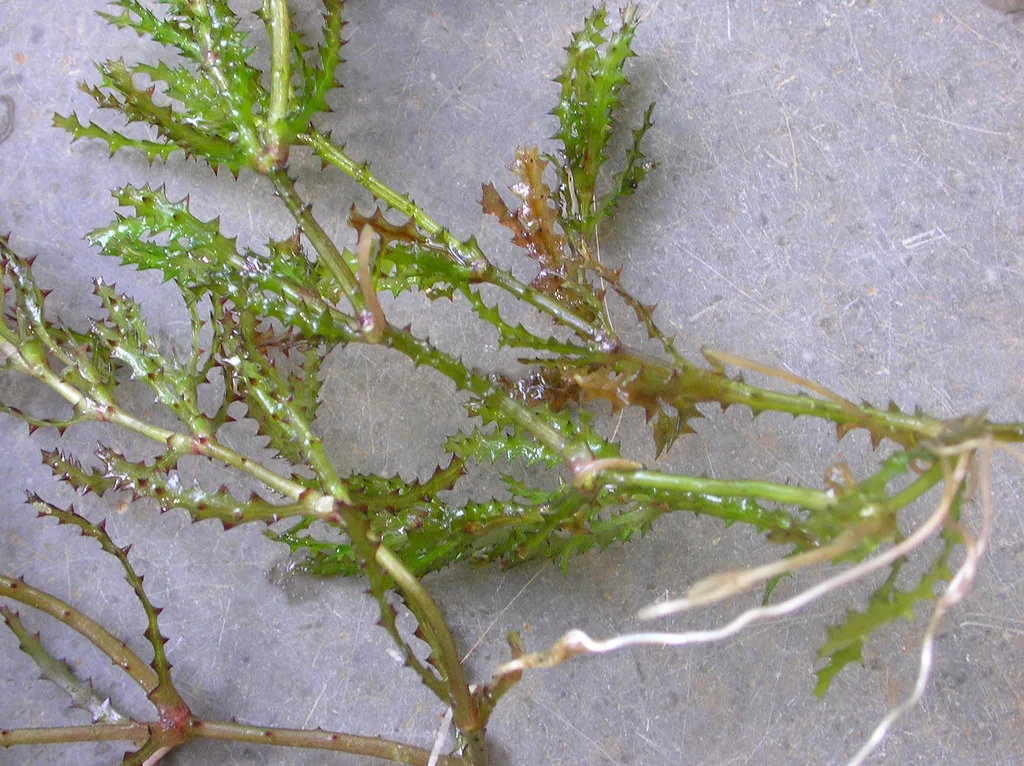
A waterweed-like plant with toothed, rough-feeling leaves. Grows very fast and is a dreaded weed outside its native range.
- Temperature
- 12 – 28 °C
- pH
- 6.5 – 8.5 pH
- Lighting
- Medium light
- CO₂
- Low CO₂
- Growth rate
- Fast
- Placement
- Background
2 min read · 182 words
Care profile
Growth form
Stem plantsPlanting and propagation
- Cuttings Cut off shoot tips and replant them. This keeps the stand dense and propagates it at the same time.
- Runners Forms runners in the substrate that grow into new plants. Separate them once they have their own roots.
Placement in the aquarium
Highlighted are the areas where the species is typically used.
- Background Along the back wall and the sides. Forms the tall, dense backdrop.
Home & range
Hatched countries are where the species occurs. It lives in particular waters there, not across the whole country. The points name known waters for orientation, not collection sites.
- Country of origin
- Water for orientation
Native
Botanical overview
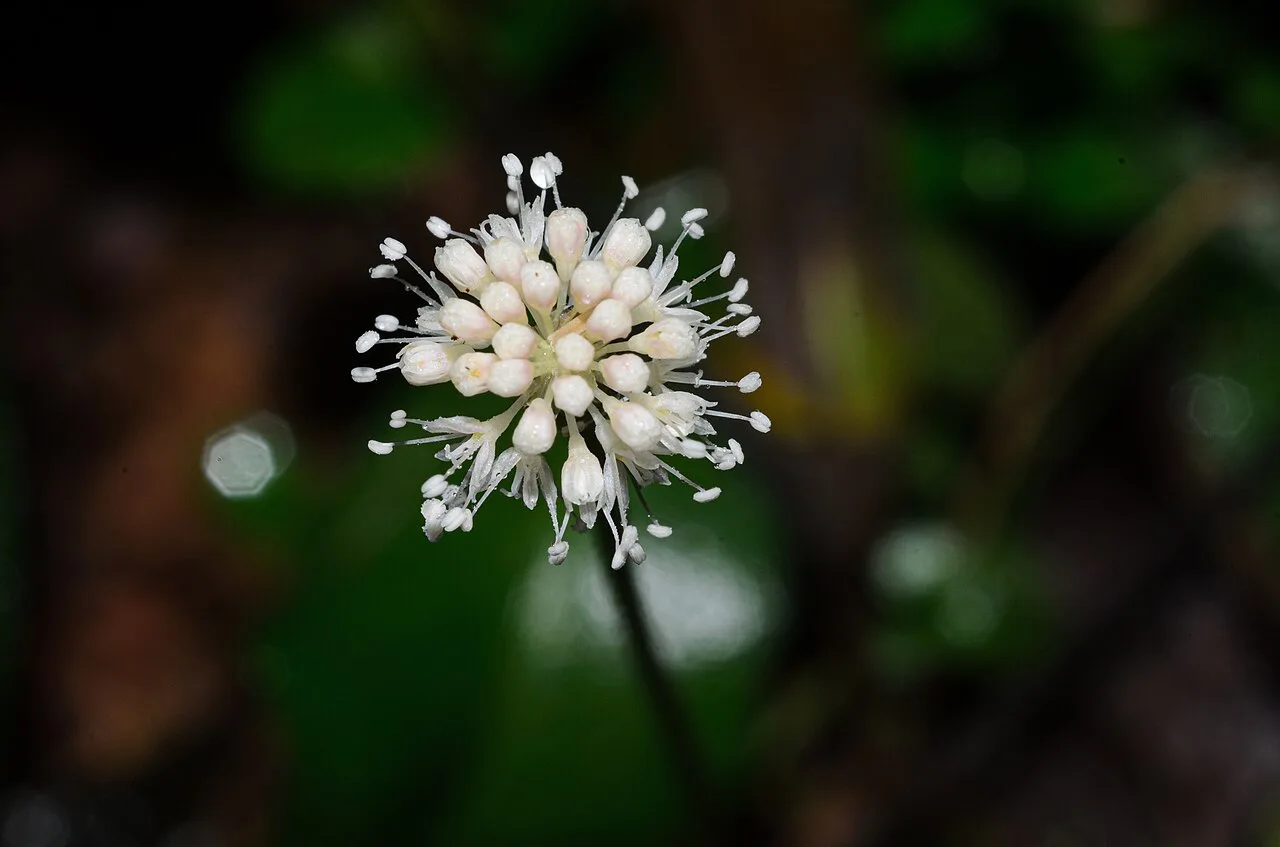
Hydrilla forms long, branched stems with whorls of three to eight narrow leaves. The leaf margin is clearly toothed, and small spines often sit on the midrib underneath, which makes the plant feel rough. It forms winter buds in the leaf axils and small tubers on runners in the substrate.
In the aquarium it is an undemanding, fast-growing background plant. It differs from Egeria and Elodea by its toothed leaves.
Natural origin
This describes the origin, not how to furnish the aquarium.
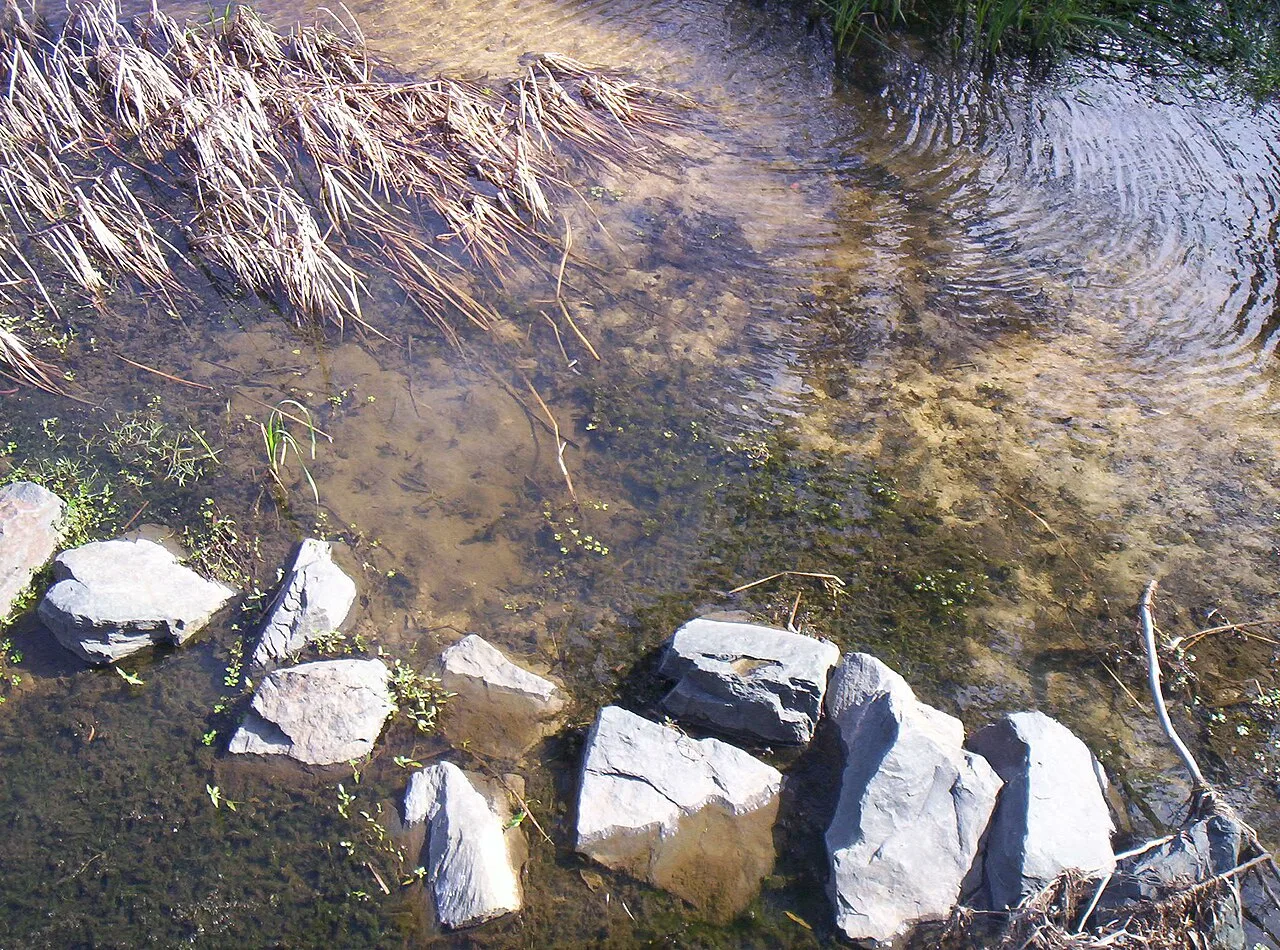
The species is native to the Old World, in Asia, Africa and Australia, with small relict populations in northern and central Europe. It grows in lakes, ponds, canals and rivers. In the United States and other countries it was introduced and displaces native plants there.
Light, CO₂ and position
Light
Medium light.
Position
12 to 28 °C. Background.
Layout and neighbours
A robust background plant for tanks with herbivores and for the start-up phase. Works well next to vallisnerias.
Common mistakes
Trimmings put into the garden pond or the drain: even small pieces start new stands.
Growth and trimming
Fast growth. Thin out often. Never put trimmings into open water or down the drain; even small fragments keep growing.