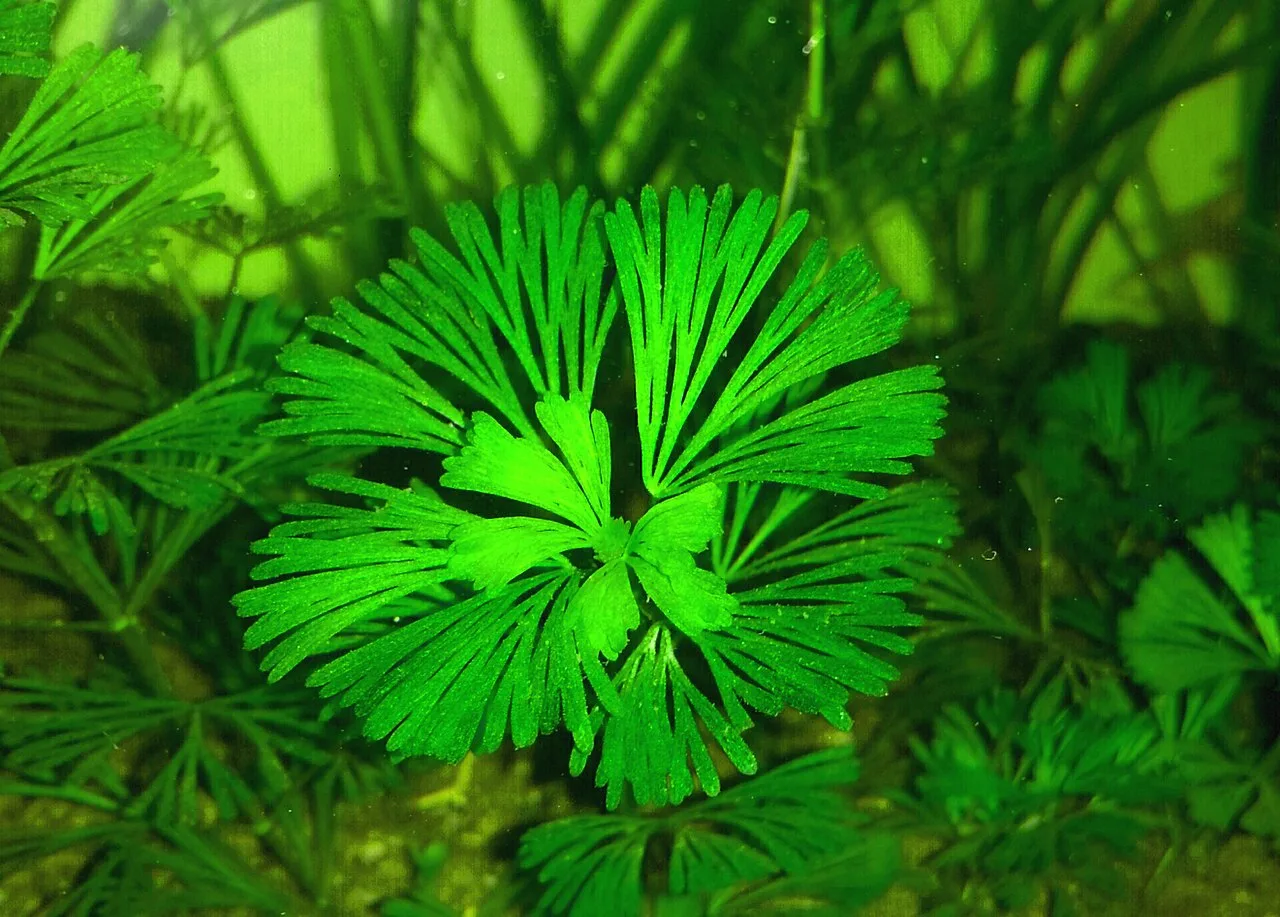
Indian marshweed
Limnophila indica
2 views
A widespread ambulia with finely divided water leaves. Grows fast and tolerates a wide range of conditions.
- Temperature
- 22 – 30 °C
- pH
- 6 – 7.5 pH
- Lighting
- Medium light
- CO₂
- Low CO₂
- Growth rate
- Fast
- Placement
- Background
1 min read · 162 words
Care profile
Growth form
Stem plantsPlanting and propagation
- Cuttings Cut off shoot tips and replant them. This keeps the stand dense and propagates it at the same time.
Placement in the aquarium
Highlighted are the areas where the species is typically used.
- Background Along the back wall and the sides. Forms the tall, dense backdrop.
Home & range
Hatched countries are where the species occurs. It lives in particular waters there, not across the whole country. The points name known waters for orientation, not collection sites.
- Country of origin
- Water for orientation
Native
Botanical overview
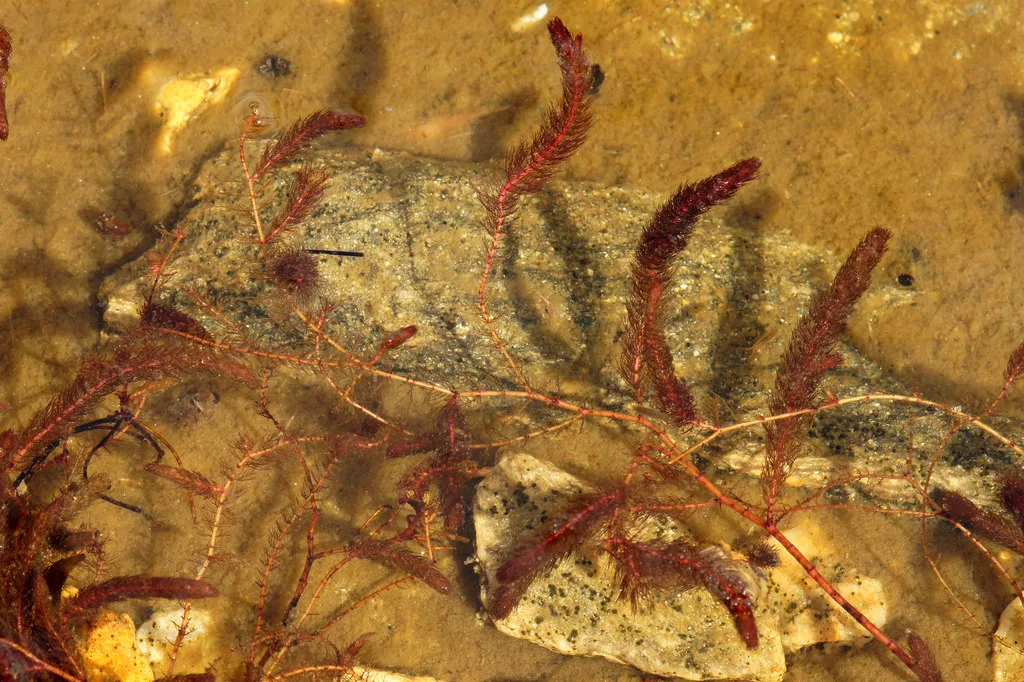
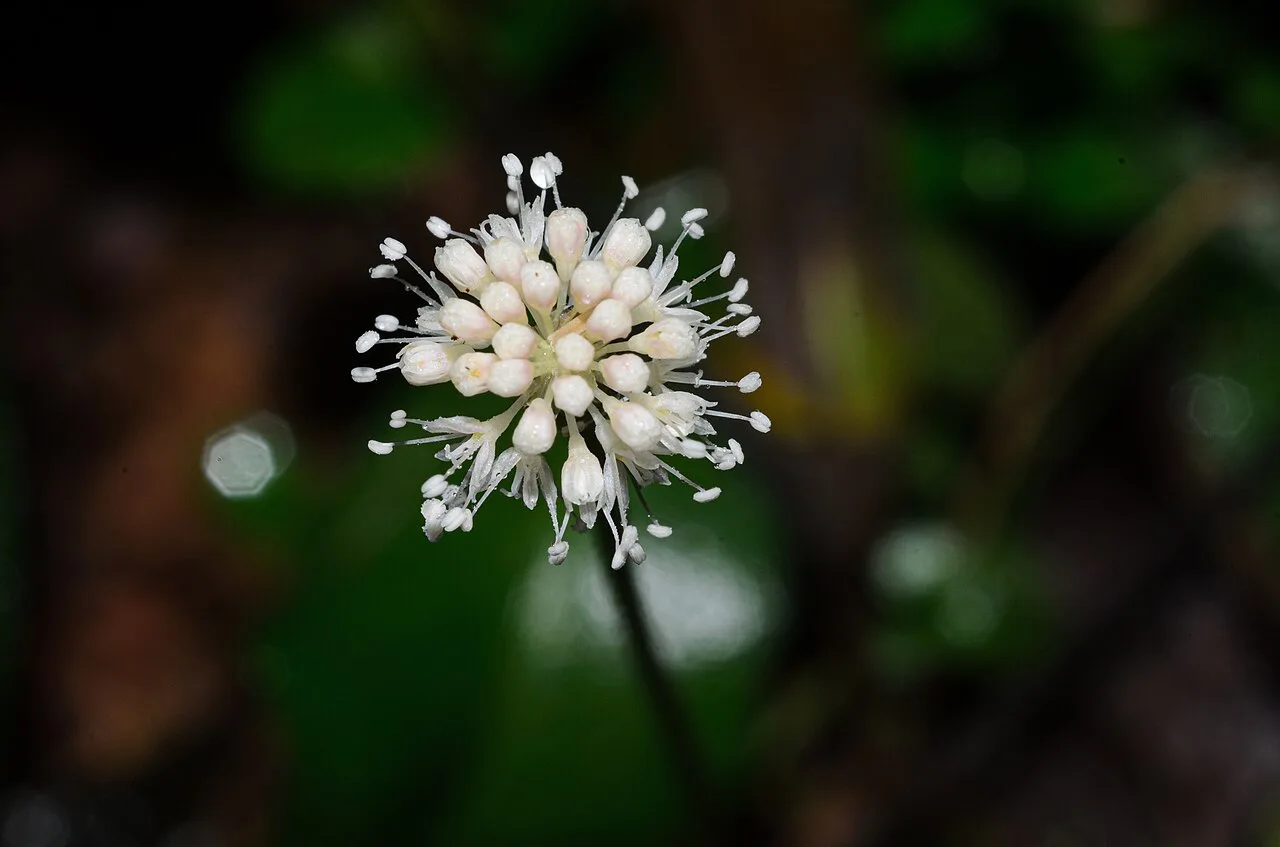
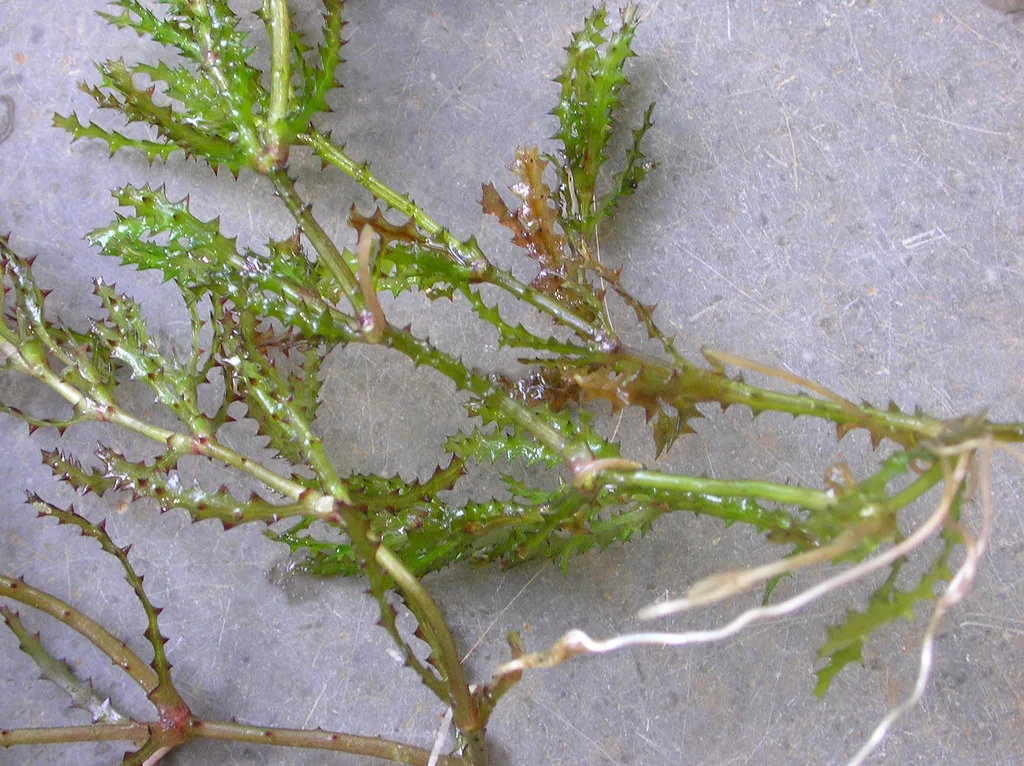
Under water Limnophila indica forms whorls of finely pinnate, pale green leaves. Above water it carries hairy, toothed leaves and pale violet flowers. Submersed it is hard to tell apart from other ambulias. The shoots grow long and tend to bend over at the surface.
It suits large, low-maintenance tanks and works as a fast-growing nitrogen consumer.
Natural origin
This describes the origin, not how to furnish the aquarium.
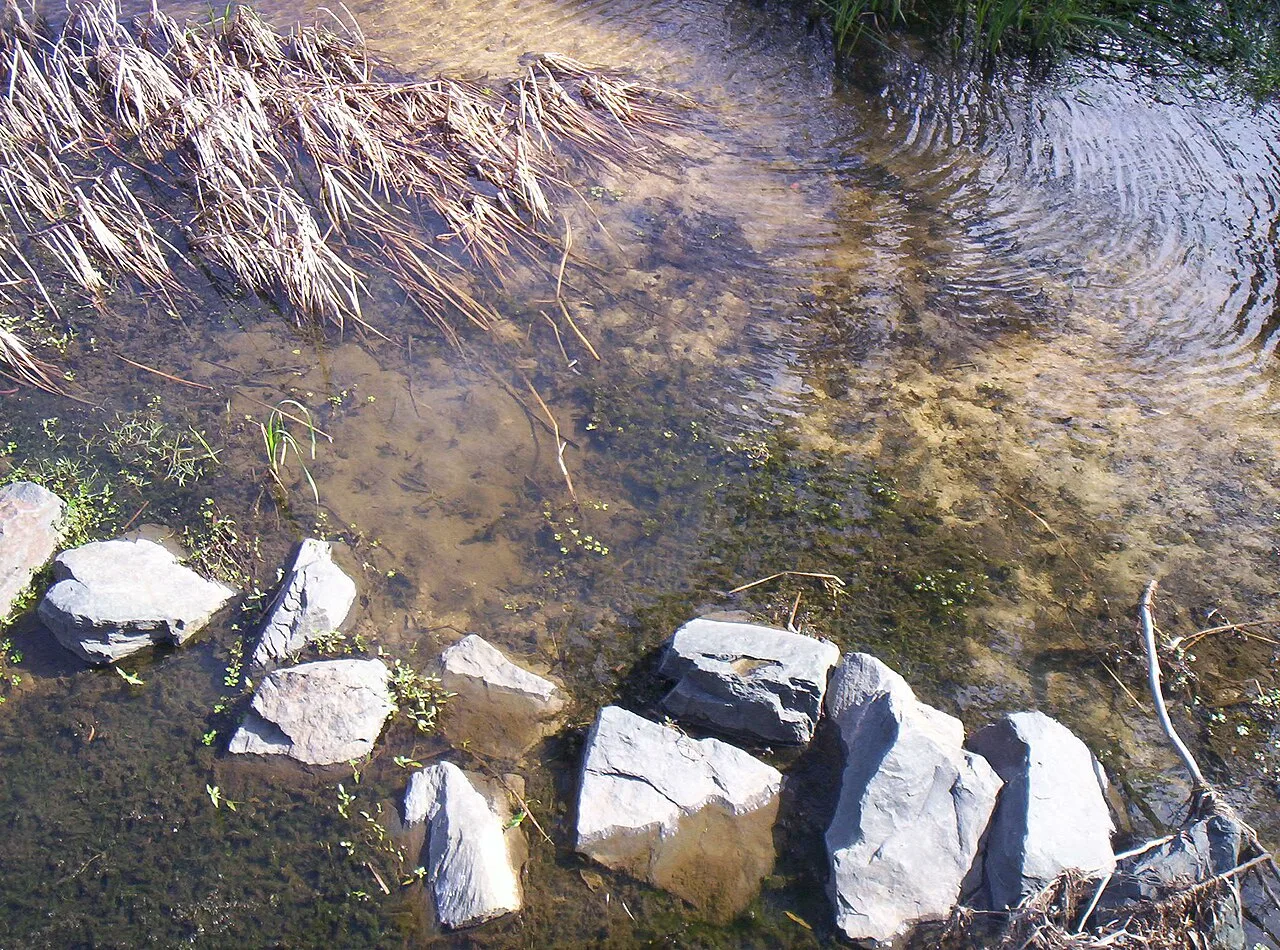
Its range is unusually large for an aquatic plant: tropical Africa and Madagascar, South and Southeast Asia, southern China, New Guinea and northern Australia. It grows in rice paddies, ditches, ponds and floodplains, often in sunny, warm shallows.
Light, CO₂ and position
Light
Medium to high light.
CO₂ and fertiliser
Grows without CO₂, denser with it. High nutrient use, fertilise regularly.
Position
22 to 30 °C, soft to hard. Background of large tanks.
Growth and trimming
Trim weekly. Do not let it grow too dense, or the lower whorls yellow. Shoots that grow above the surface form land leaves, which are cut off.
Propagation
Tip cuttings. The plant forms plenty of side shoots.