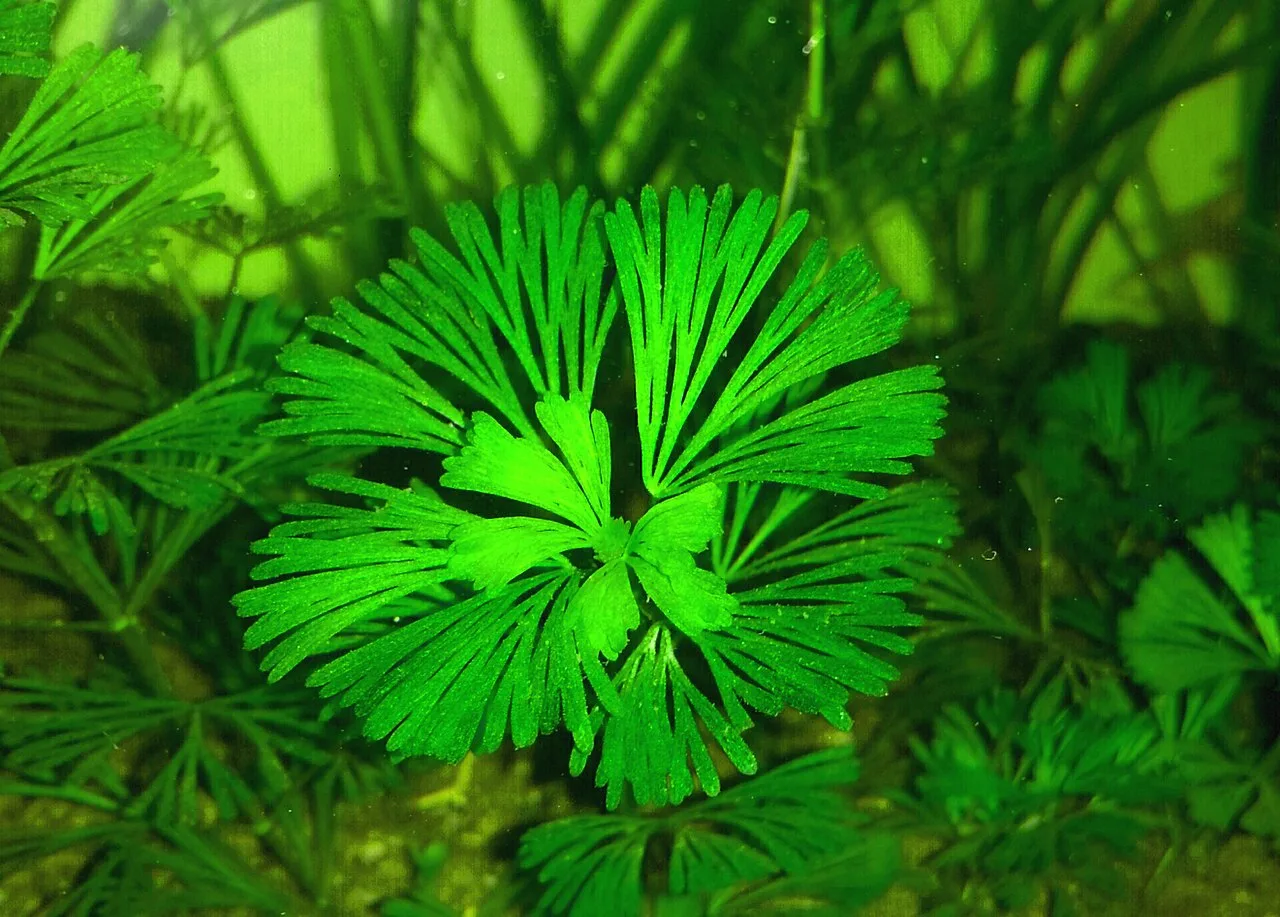
Rotala indica
Rotala indica
20 views
A small stem plant that is often confused in the trade with Rotala rotundifolia. The true species stays more compact and is more demanding.
- Temperature
- 22 – 28 °C
- pH
- 6 – 7.5 pH
- Lighting
- High light
- CO₂
- High CO₂
- Growth rate
- Medium
- Placement
- Foreground
2 min read · 241 words
Care profile
Growth form
Stem plantsPlanting and propagation
- Cuttings Cut off shoot tips and replant them. This keeps the stand dense and propagates it at the same time.
Placement in the aquarium
Highlighted are the areas where the species is typically used.
- Foreground At the front of the tank, where the plant stays low and keeps the view open.
Home & range
Hatched countries are where the species occurs. It lives in particular waters there, not across the whole country. The points name known waters for orientation, not collection sites.
- Country of origin
- Water for orientation
Native
Botanical overview
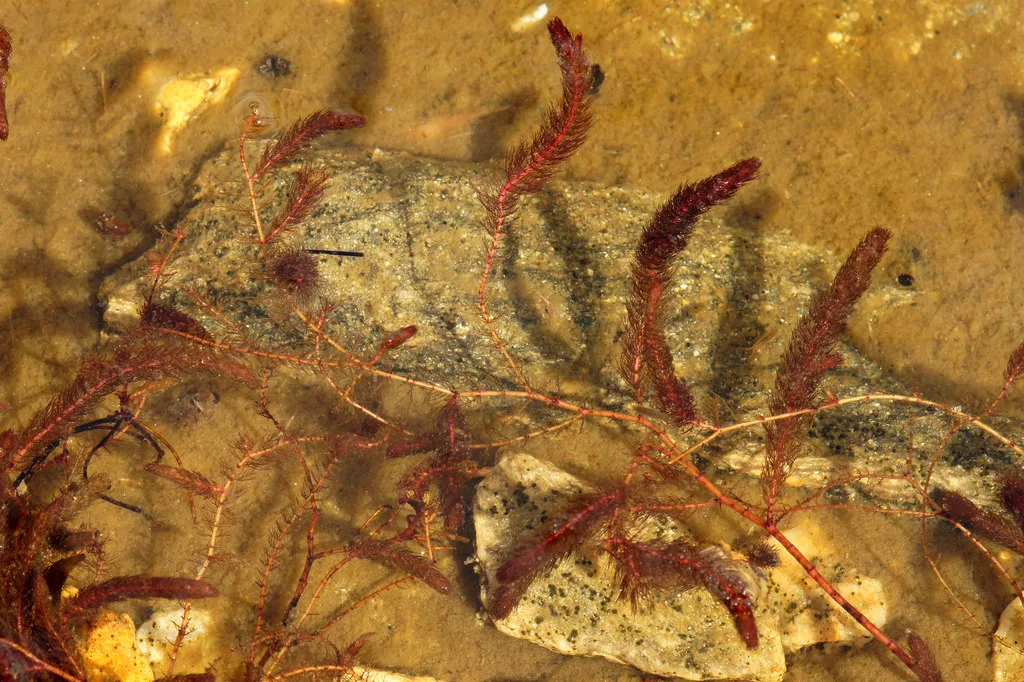
Rotala indica carries small, opposite leaves under water that can become reddish in strong light. It stays lower than the round-leaved rotala, which is often sold under the name indica. The true indica is the more compact, more sensitive plant. Anyone who wants a fast, forgiving rotala usually has rotundifolia and not this species.
The stems are delicate. A lump from the pot is divided, or the middle rots.
Natural origin
This describes the origin, not how to furnish the aquarium.
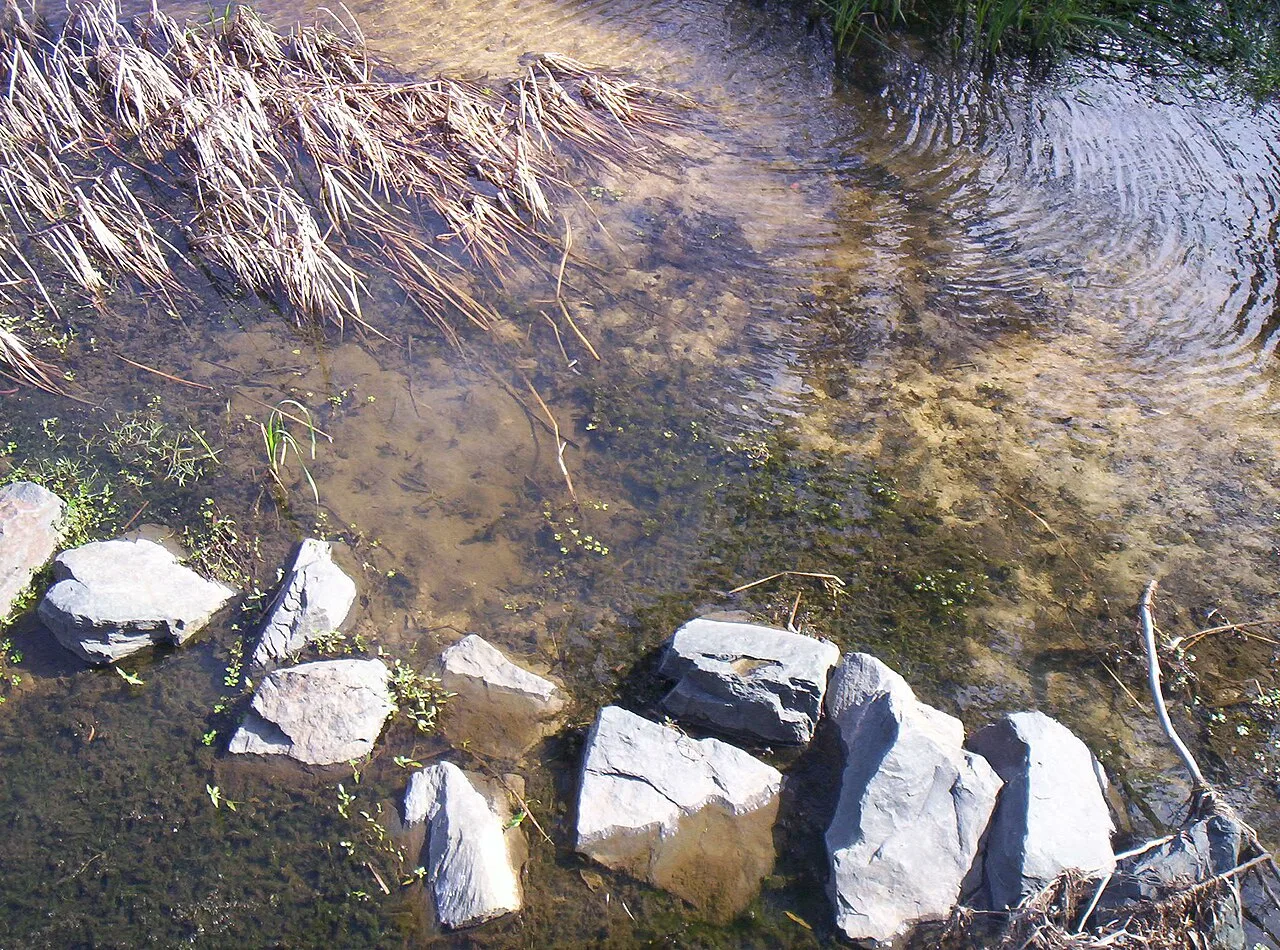
Shallow, bright, often seasonally dry waters in India and the neighbouring region. The origin stays coarse. The compact form is light and CO₂, not the name on the label alone.
Light, CO₂ and position
Conditions
High light, CO₂, 22 to 28 °C, steady fertilising. Foreground to midground, stems spaced, trimmed regularly. Without CO₂ it stretches or struggles. Floating plants overhead take the light that keeps it low.
The mix-up
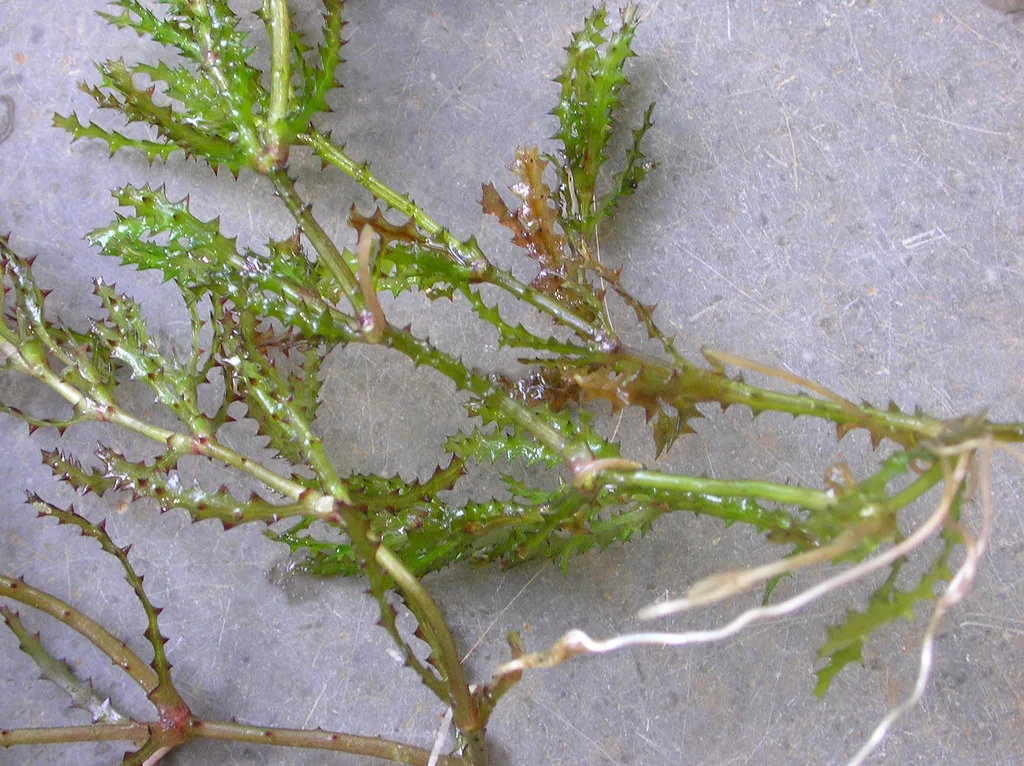
If the plant shoots to the surface in a few weeks and forms round emersed leaves, it is usually rotundifolia. This species stays stockier under good conditions.
Layout and neighbours
Small, roundish leaves, pink under light. Easy and hardy, a good start with red stem plants.
Common mistakes
Too little light: green and long.
Growth and trimming
Replant tips often, before the base goes bare. Do not crush the small leaves. Yellow tips under strong light are often a nitrogen or iron shortage. First make the fertilising steady.
Propagation
Tip cuttings with two nodes in the substrate. They root if light and CO₂ are already right. The trim is the propagation.