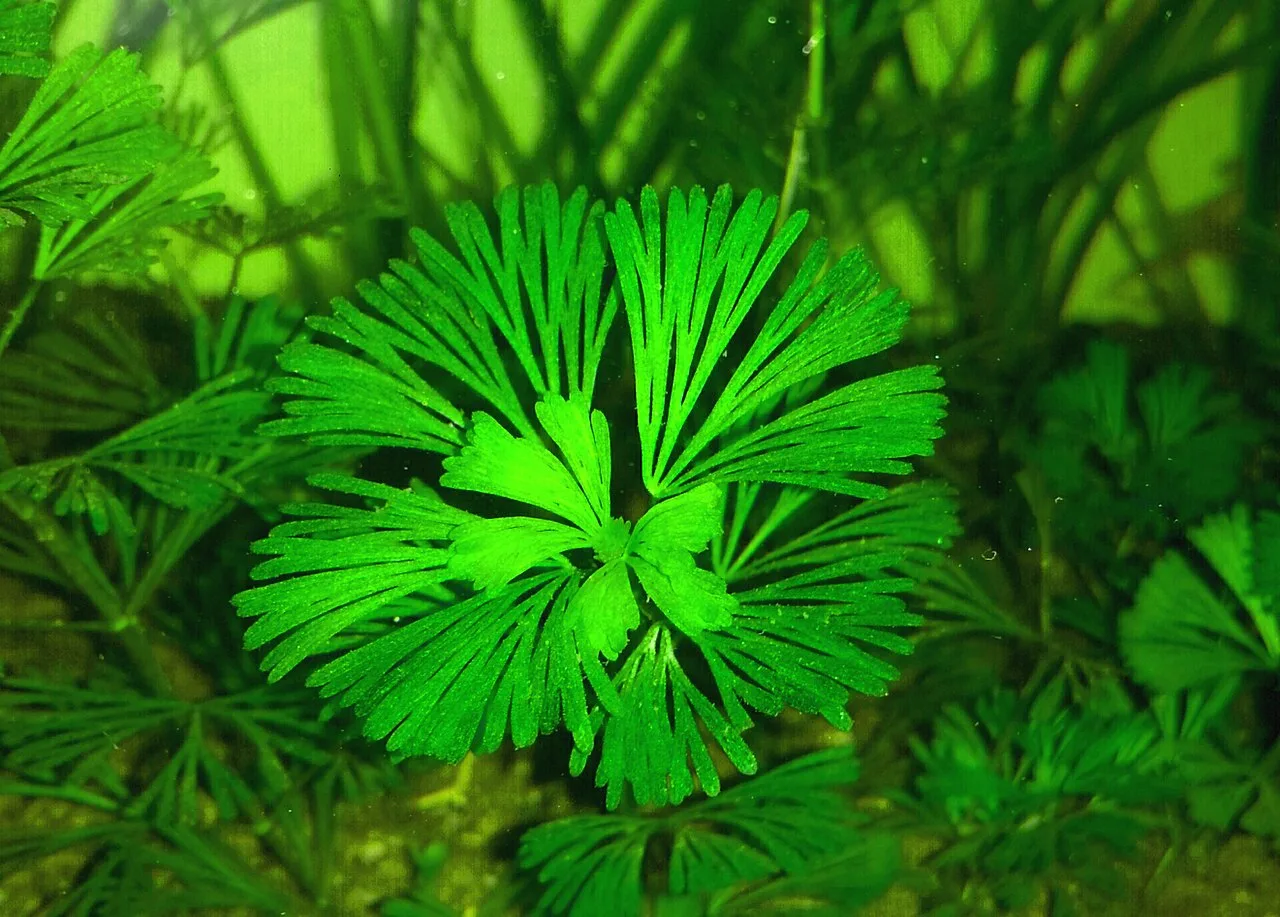
Roundleaf rotala
Rotala rotundifolia
29 views
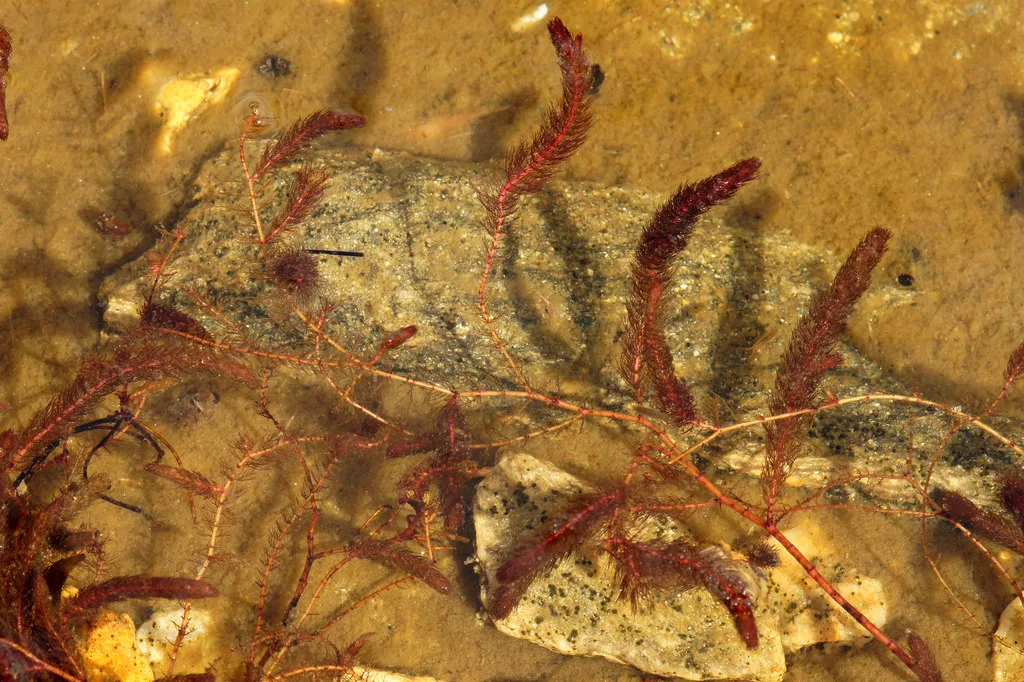
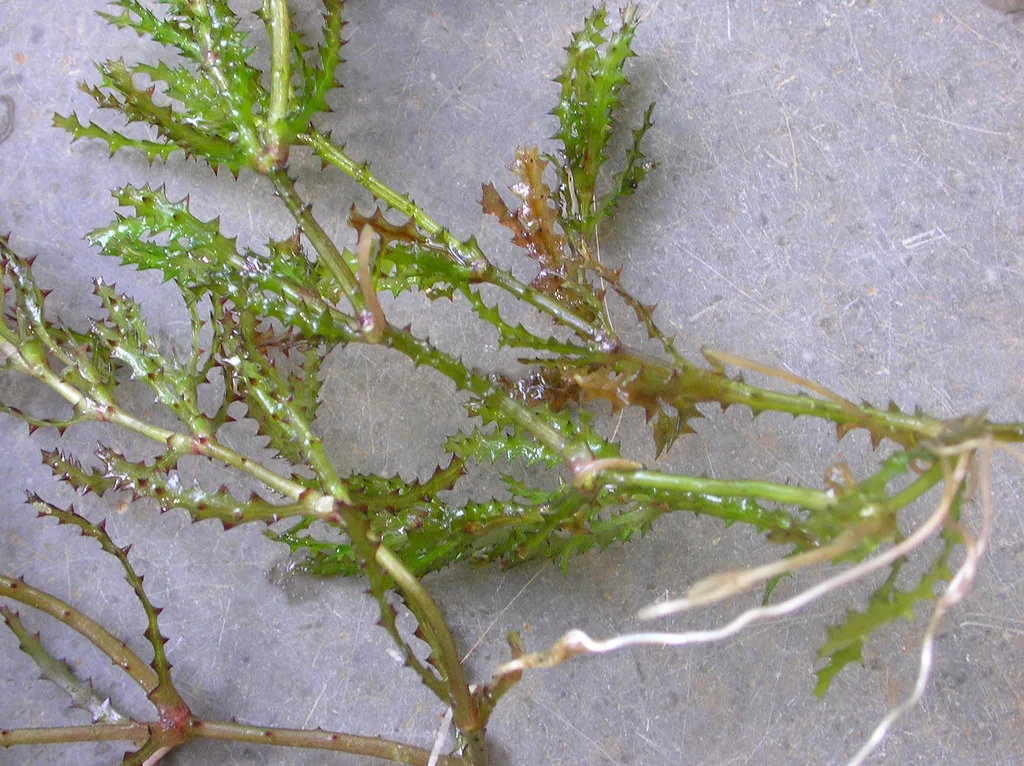
A stem plant from rice fields of South and East Asia. Rounded leaves belong to the emersed form, narrow leaves to the submerged form.
- Temperature
- 22 – 28 °C
- pH
- 5 – 8 pH
- Lighting
- High light
- CO₂
- Medium CO₂
- Growth rate
- Fast
- Placement
- Background
2 min read · 304 words
Care profile
Growth form
Stem plantsPlanting and propagation
- Cuttings Cut off shoot tips and replant them. This keeps the stand dense and propagates it at the same time.
Placement in the aquarium
Highlighted are the areas where the species is typically used.
- Background Along the back wall and the sides. Forms the tall, dense backdrop.
Home & range
Hatched countries are where the species occurs. It lives in particular waters there, not across the whole country. The points name known waters for orientation, not collection sites.
- Country of origin
- Water for orientation
Native
Botanical overview
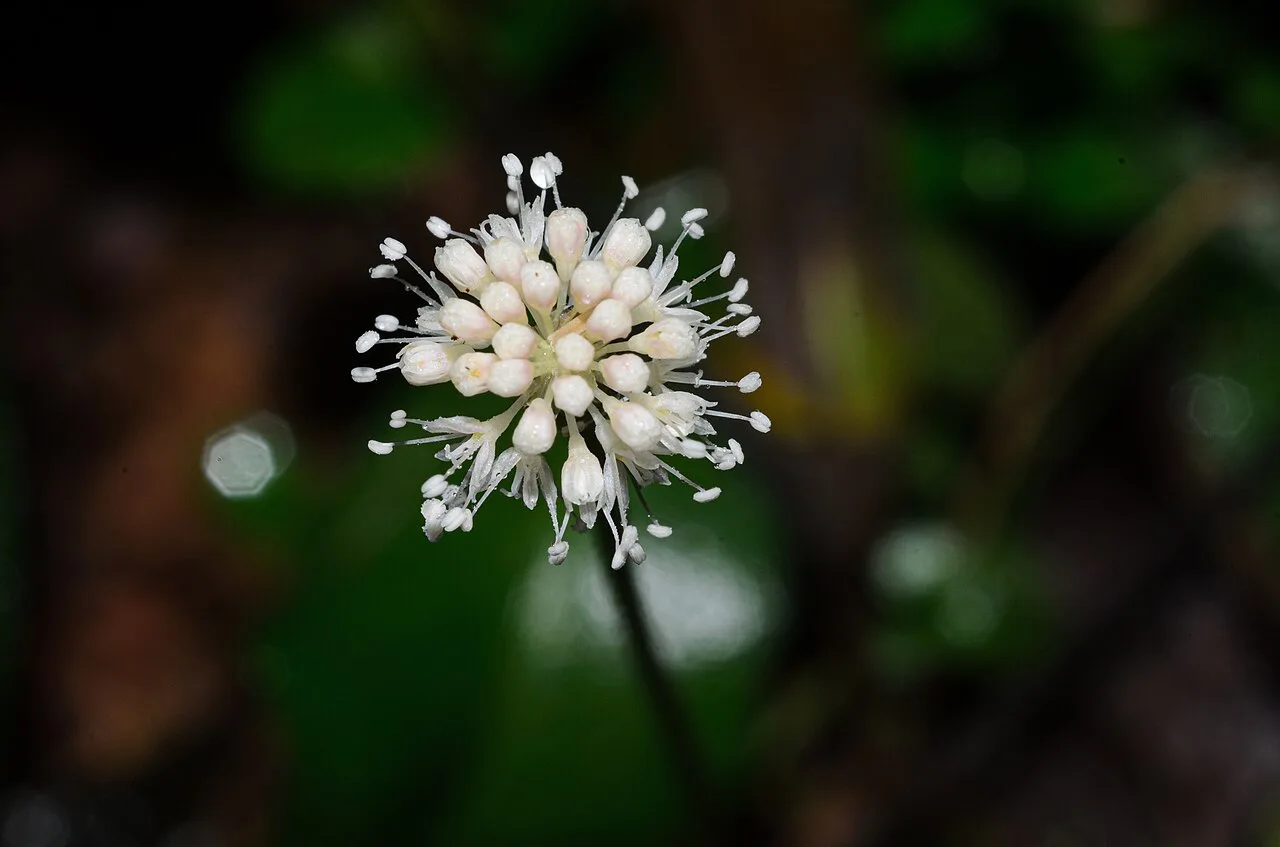
Rotala rotundifolia is confused with Rotala indica. The difference is the inflorescence: R. rotundifolia bears groups of terminal flowers, R. indica solitary flowers in the leaf axils. Emersed leaves are rounded, submerged leaves narrow and lanceolate. The flowers are pale pink. Form and colour change with light and conditions. In strong light the leaves can become almost wine red. Which plants in the trade truly belong to this species is uncertain.
Natural origin
This describes the origin, not how to furnish the aquarium.
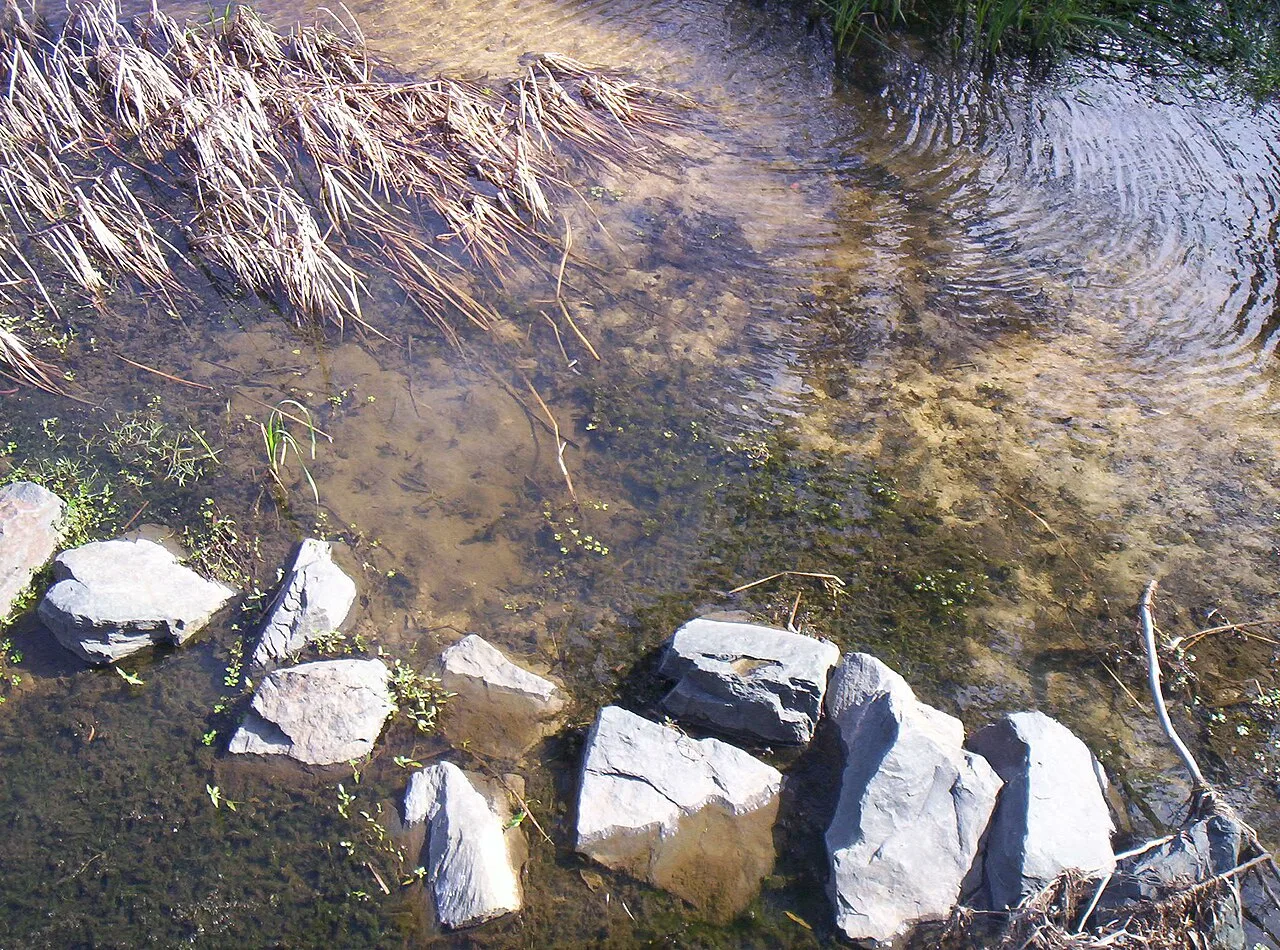
A common weed in rice fields and wet places in India, China, Taiwan, Thailand, Laos and Vietnam. Introduced to the United States. That introduction is not drawn as a country outline.
Light, CO₂ and position
In the aquarium it is undemanding but needs light. It can withstand relatively cool temperatures. Loss of the lower leaves usually means too little light. Emersed in shallow water it flowers. High light, medium CO₂ and 22–28 °C work well.
Round and narrow
The round leaves belong to the emersed form. Under water they become narrow. Anyone who buys a freshly submerged bunch still sees round leaves for the first days and then the change. The reddish tips come with light and a nitrate load that is not too high. A lot of nitrate and little light make it green and long.
Set in a group, with a regular trim, it forms the dense cushions it is bought for. A single stem does not show that.
Growth and trimming
Trimming is not described in centimetres. A bare base is explained as a lack of light, not as normal age.
Cushions
Cut before the cushion goes bare below. The cut layer can be replanted. If the cushion is already a matted mass, the healthy top is saved and the rest is pulled. CO₂ is recommended for this dense form, not mandatory for mere survival.
Further care
The emersed and submerged forms look different. That is not a second species.