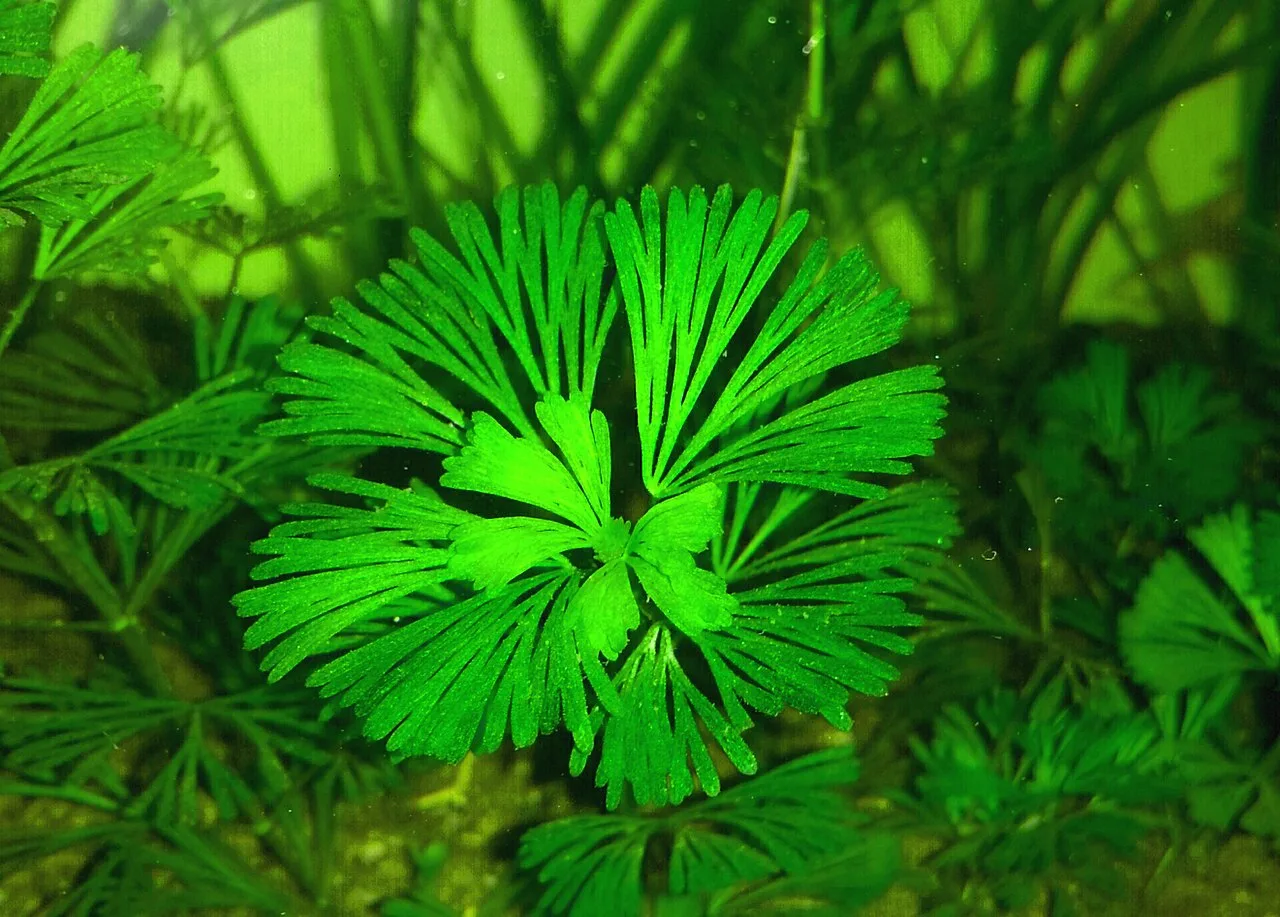
Stargrass
Heteranthera zosterifolia
18 views
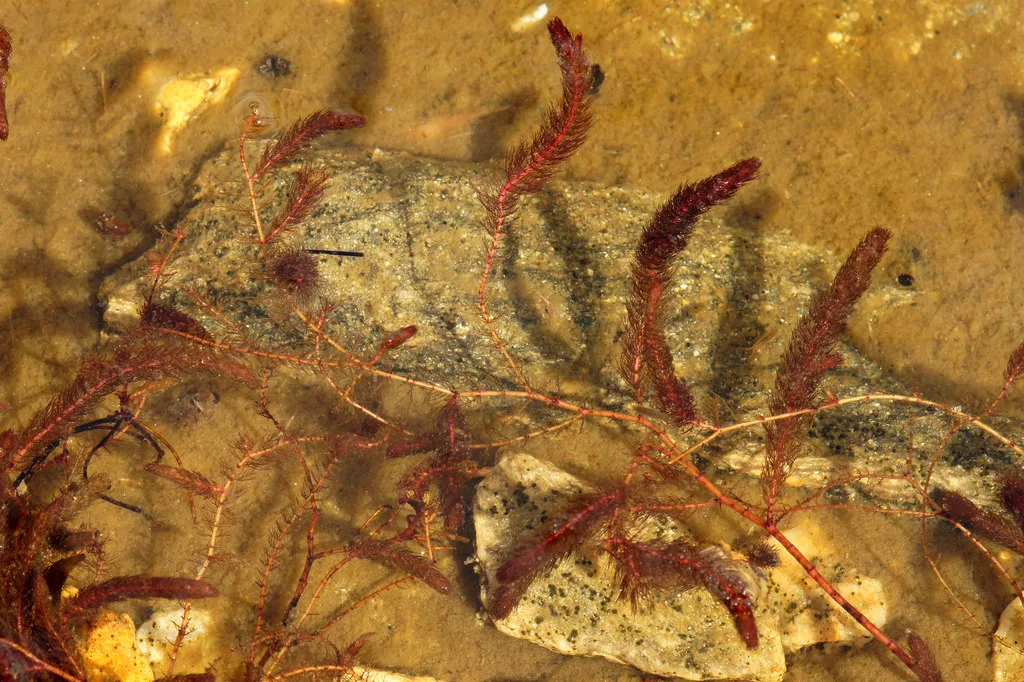
A pale green stem plant with narrow leaves that quickly becomes bushy and has to be trimmed regularly.
- Temperature
- 22 – 28 °C
- pH
- 6 – 7.5 pH
- Lighting
- Medium light
- CO₂
- Medium CO₂
- Growth rate
- Fast
- Placement
- Midground
2 min read · 235 words
Care profile
Growth form
Stem plantsPlanting and propagation
- Cuttings Cut off shoot tips and replant them. This keeps the stand dense and propagates it at the same time.
Placement in the aquarium
Highlighted are the areas where the species is typically used.
- Midground Between foreground and background. Hides transitions and frames stones and wood.
Home & range
Hatched countries are where the species occurs. It lives in particular waters there, not across the whole country. The points name known waters for orientation, not collection sites.
- Country of origin
- Water for orientation
Native
Botanical overview
Heteranthera zosterifolia carries narrow, pale green leaves that often stand in a star at the top of the shoot. Growth is fast. Uncut, it reaches the surface and goes bare below. With a frequent trim it stays a dense bush in the midground.
It is not a Vallisneria and not a milfoil. The leaves are soft and undivided. Under strong light the green stays pale. In shade the shoot becomes long and thin.
Natural origin
This describes the origin, not how to furnish the aquarium.
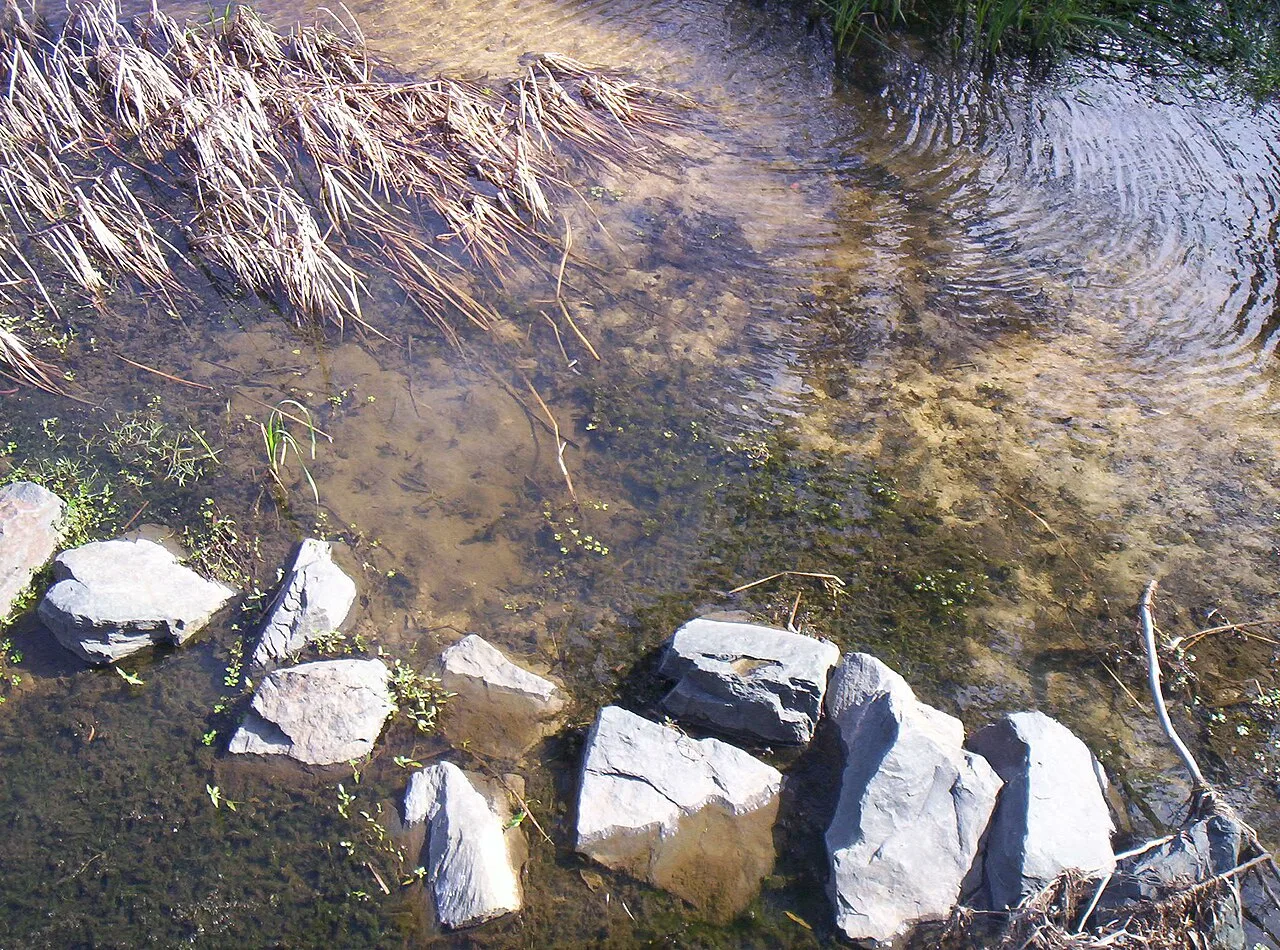
Slow and still waters in South America, bright and nutrient-rich. The origin stays coarse. The plant must not be released.
Light, CO₂ and position
Keeping
Medium to high light, CO₂ helpful, 22 to 28 °C. Midground, in a group, with a gap. Without a trim it lies on the neighbours within a few weeks. Without CO₂ it keeps growing, but more loosely.
A trim plan
Topping once a week is normal for this species, not excessive. The tips are replanted. The bare stumps are pulled.
Layout and neighbours
The grassy leaves on long stems look like seagrass in the background. Under strong light it also creeps and can lie in the foreground.
Common mistakes
Too little light: long, bare stems.
Growth and trimming
Soft, transparent lower leaves are the sign that the trim is overdue. Yellow tips with fast growth are often a nutrient gap. The plant takes fertiliser from the water well.
Propagation
Tip cuttings with two nodes in the substrate. They root willingly. The surplus belongs in the waste.