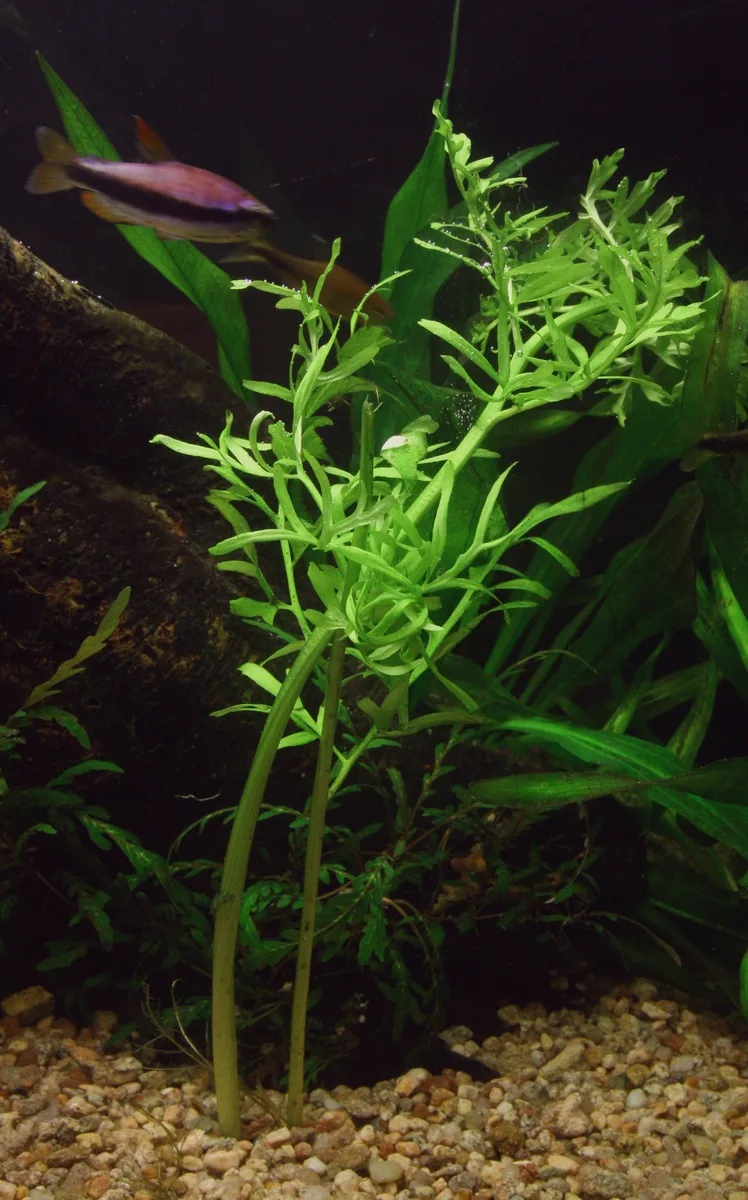
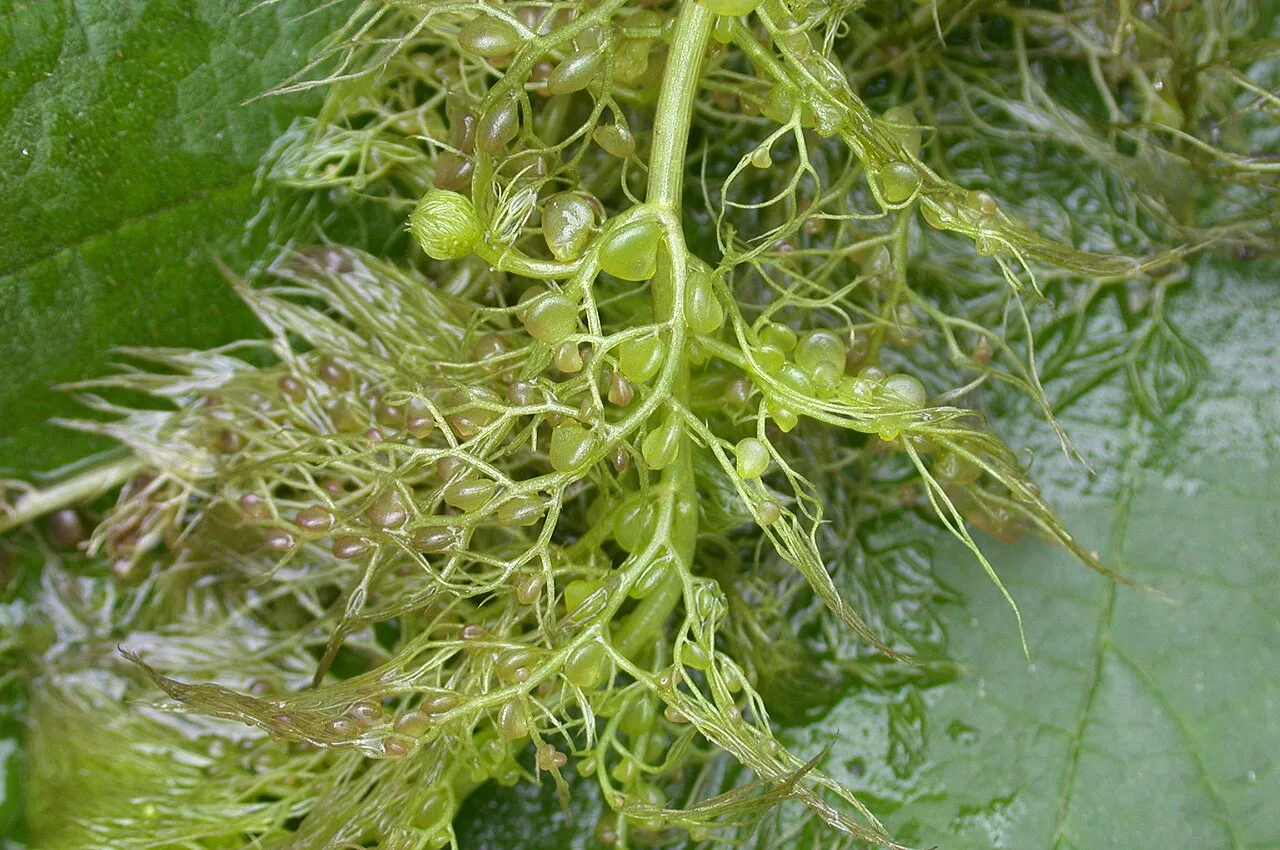
Water soldier
Stratiotes aloides
1 view
A native floating plant with stiff, spiny-toothed leaves like an aloe. Rises in summer and sinks in autumn.
- Temperature
- 5 – 24 °C
- pH
- 6.5 – 8.5 pH
- Lighting
- Medium light
- CO₂
- No CO₂
- Growth rate
- Medium
- Placement
- Floating
1 min read · 162 words
Care profile
Growth form
Floating plantsPlanting and propagation
- Runners Forms runners in the substrate that grow into new plants. Separate them once they have their own roots.
Placement in the aquarium
Highlighted are the areas where the species is typically used.
- Water surface Floats at the surface and dims the light below.
Home & range
Hatched countries are where the species occurs. It lives in particular waters there, not across the whole country. The points name known waters for orientation, not collection sites.
- Country of origin
- Water for orientation
Native
Botanical overview
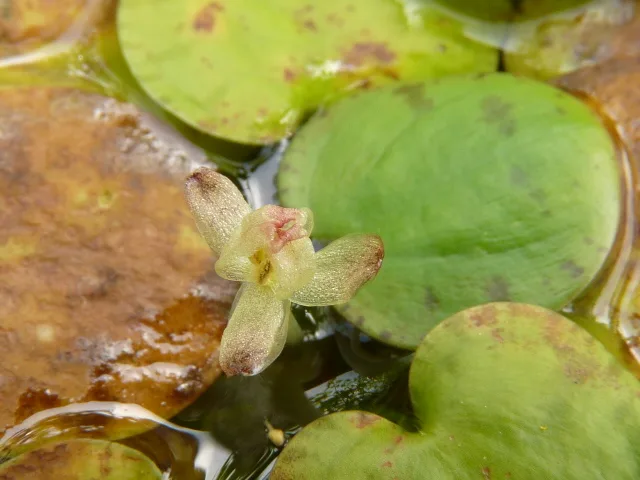
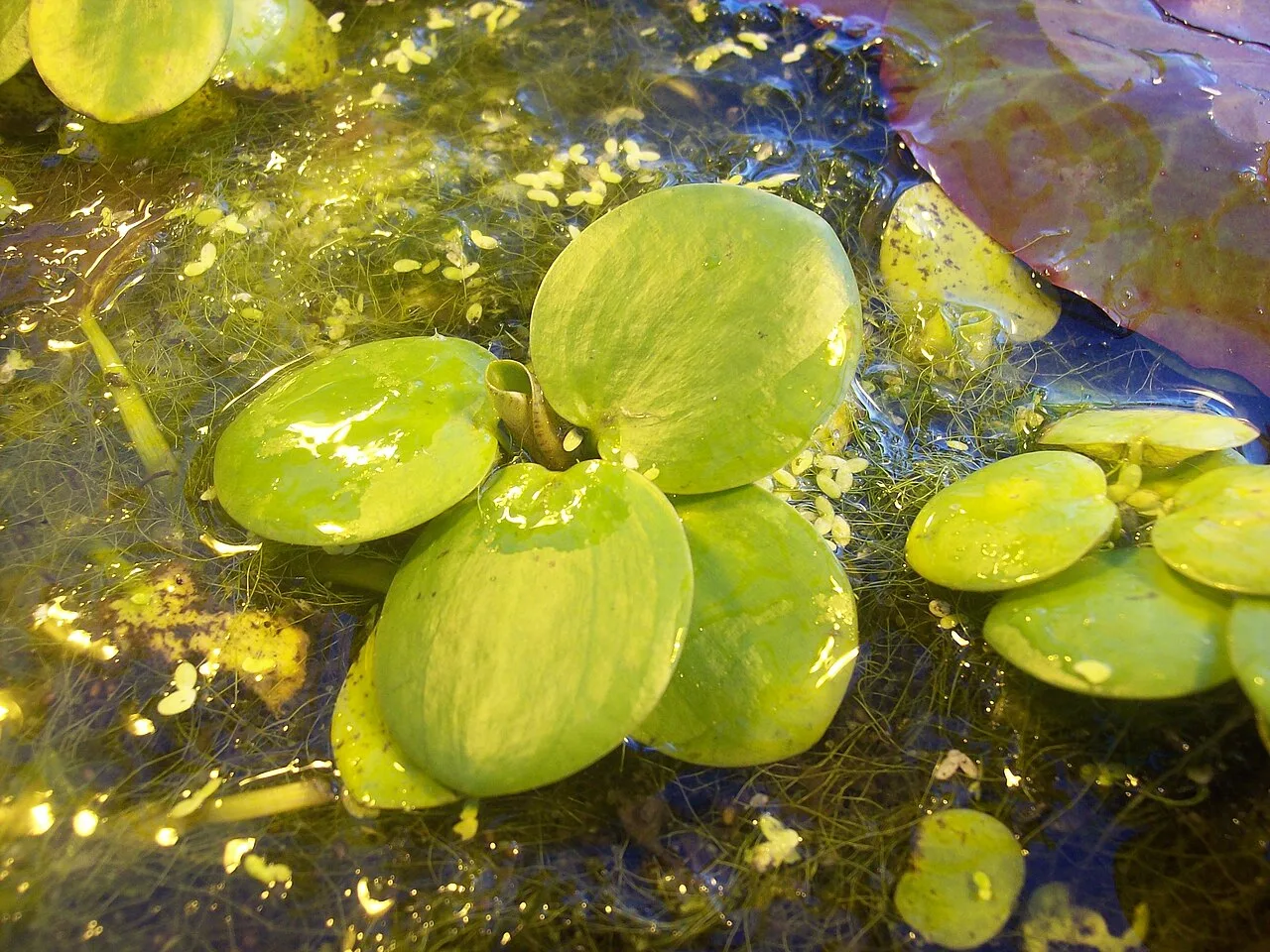
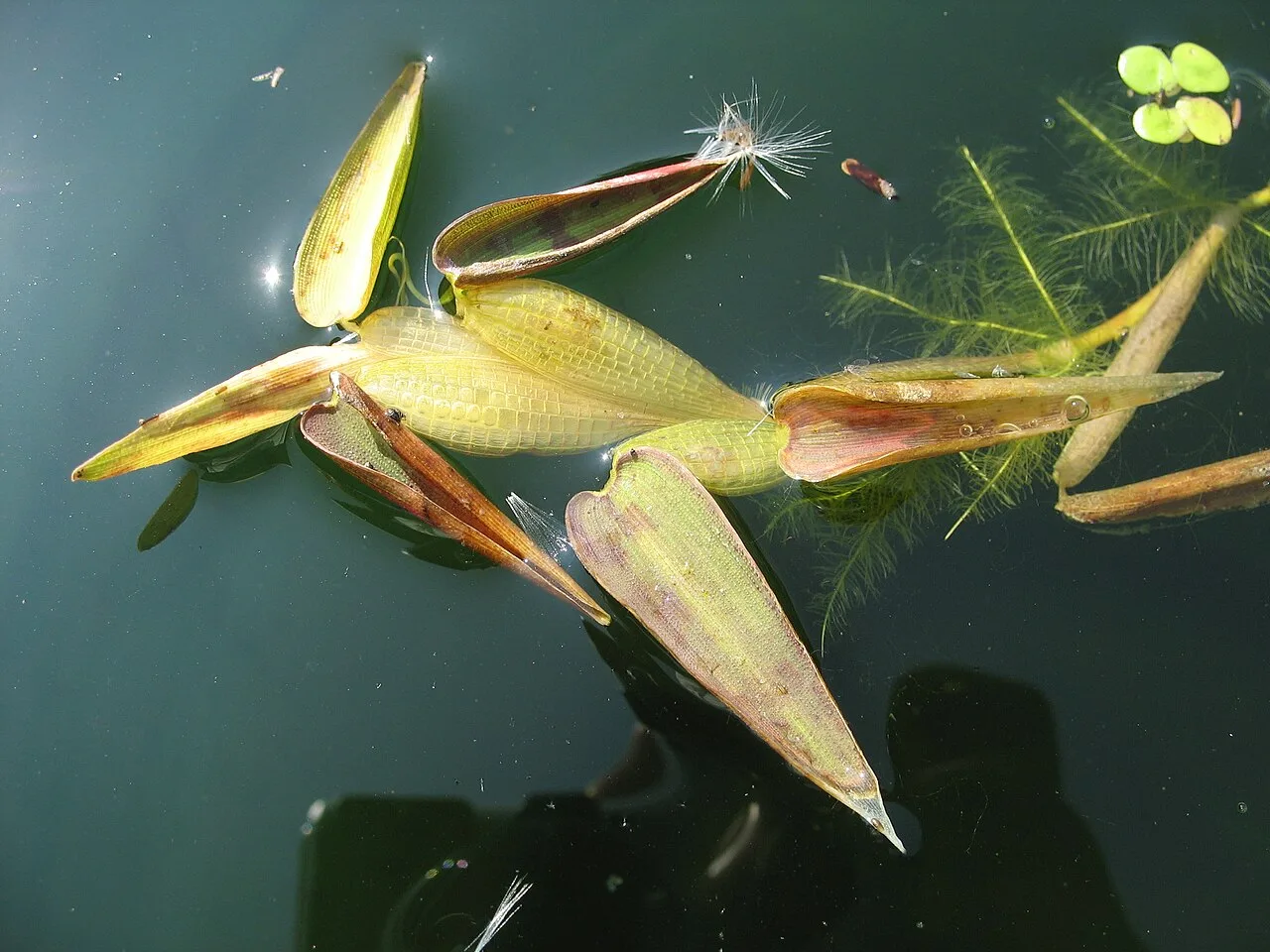
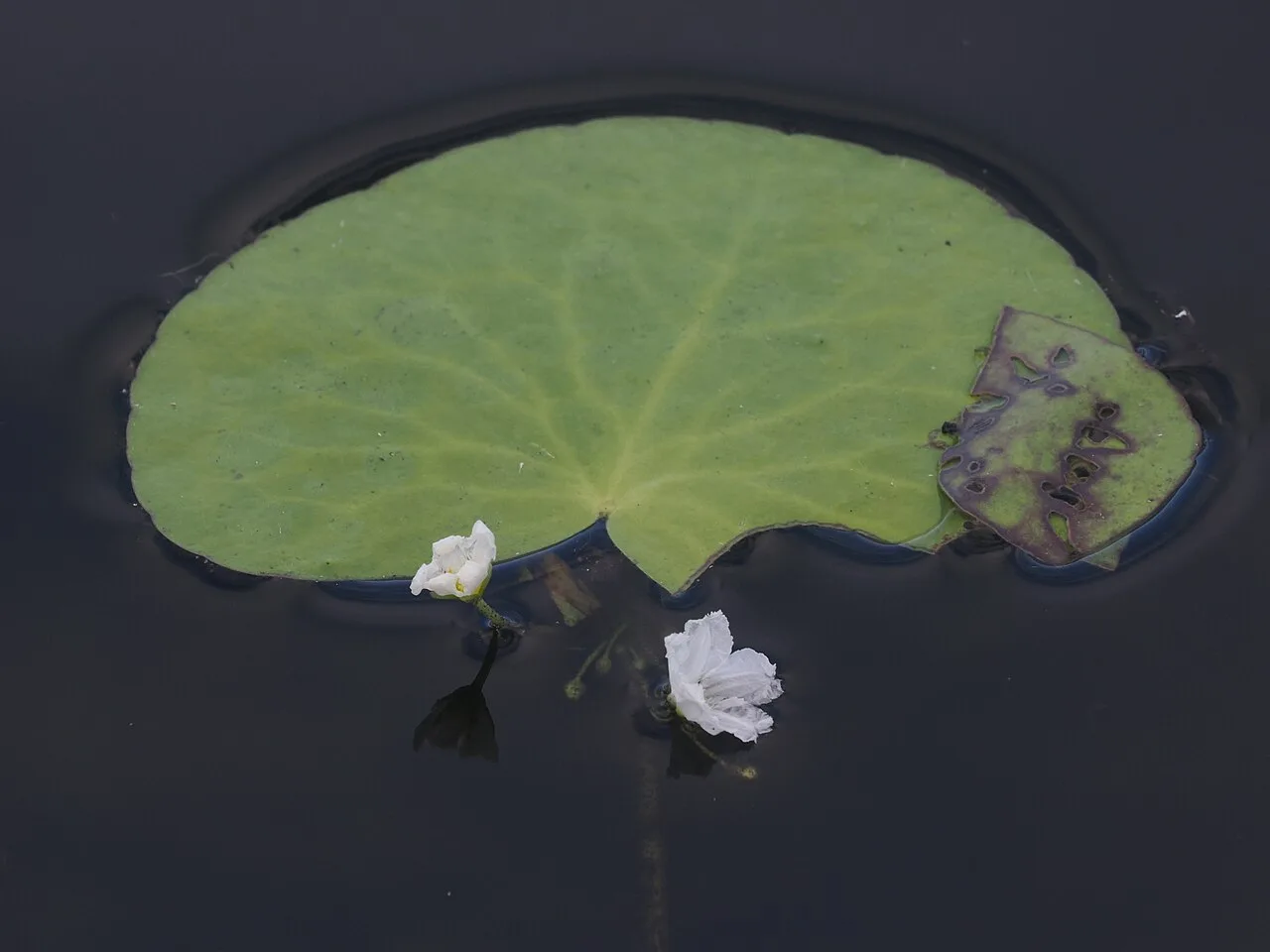
Water soldier forms large rosettes of stiff, sword-shaped leaves with sharply toothed margins. In spring the rosettes rise to the surface; in autumn they sink to the bottom. The white, three-petalled flowers appear in summer. The plants are mostly dioecious; in central Europe almost only female plants occur.
For the aquarium it is only suitable in large, cool tanks. In a pond it is a habitat for dragonflies.
Natural origin
This describes the origin, not how to furnish the aquarium.
The species is native to Europe and north-western Asia. It grows in still, nutrient-rich, calcareous waters, in oxbows, ditches and ponds. In Germany it is endangered and protected.
Light, CO₂ and position
Light
Medium to high light.
Temperature
5 to 24 °C.
Position
Water surface of large tanks or ponds.
Layout and neighbours
In a garden pond or large cold-water tank. Dragonfly larvae and small animals find shelter between the leaves.
Common mistakes
In a tropical tank: the plant does not tolerate lasting warmth.
Growth and trimming
Moderate growth. Wear gloves when moving it; the leaf margin cuts.