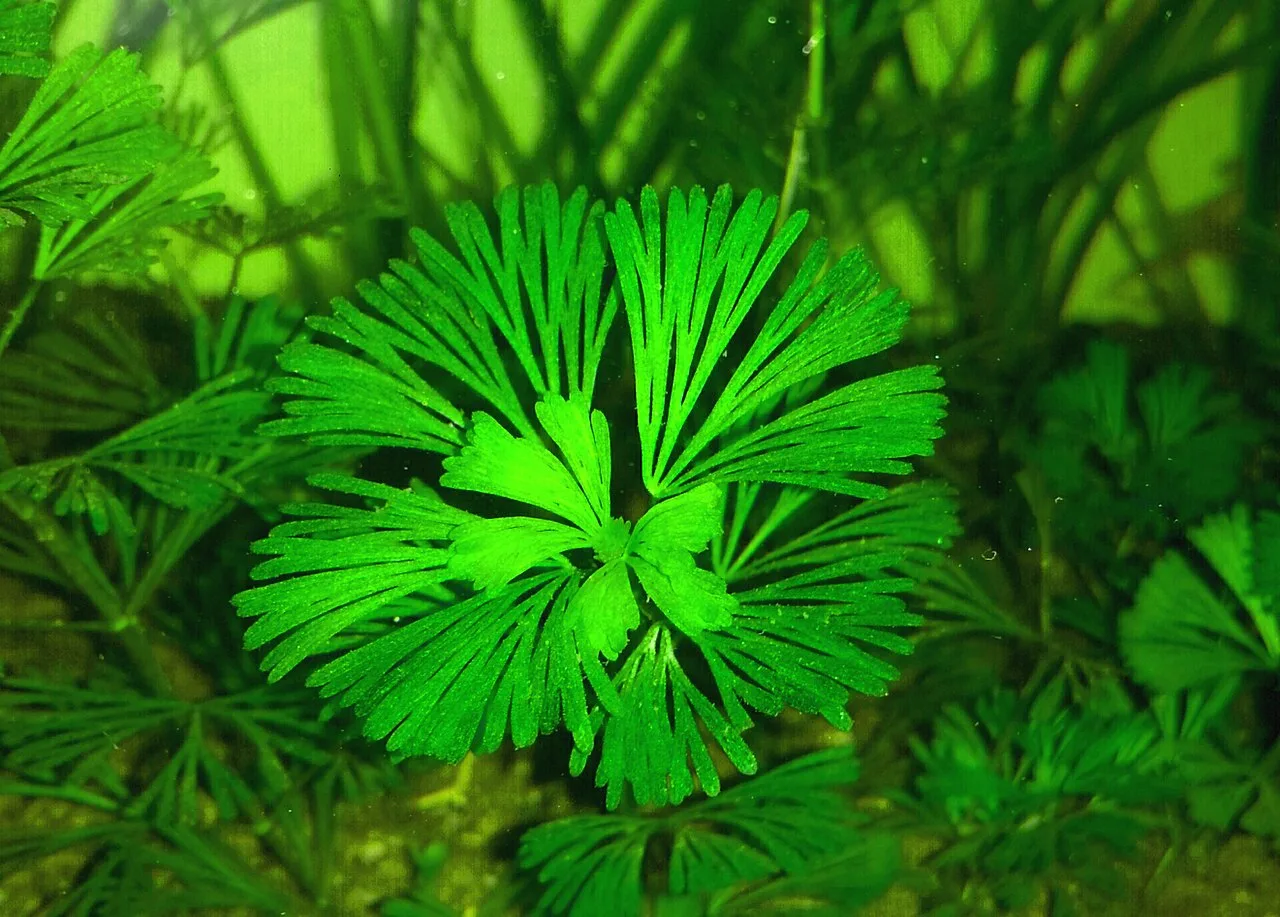
Whorled water-milfoil
Myriophyllum verticillatum
2 views
A native water-milfoil with finely pinnate leaves in whorls. Forms winter buds in autumn.
- Temperature
- 10 – 24 °C
- pH
- 6.5 – 8.5 pH
- Lighting
- Medium light
- CO₂
- Low CO₂
- Growth rate
- Medium
- Placement
- Background
1 min read · 170 words
Care profile
Growth form
Stem plantsPlanting and propagation
- Cuttings Cut off shoot tips and replant them. This keeps the stand dense and propagates it at the same time.
Placement in the aquarium
Highlighted are the areas where the species is typically used.
- Background Along the back wall and the sides. Forms the tall, dense backdrop.
Home & range
Hatched countries are where the species occurs. It lives in particular waters there, not across the whole country. The points name known waters for orientation, not collection sites.
- Country of origin
- Water for orientation
Native
Botanical overview
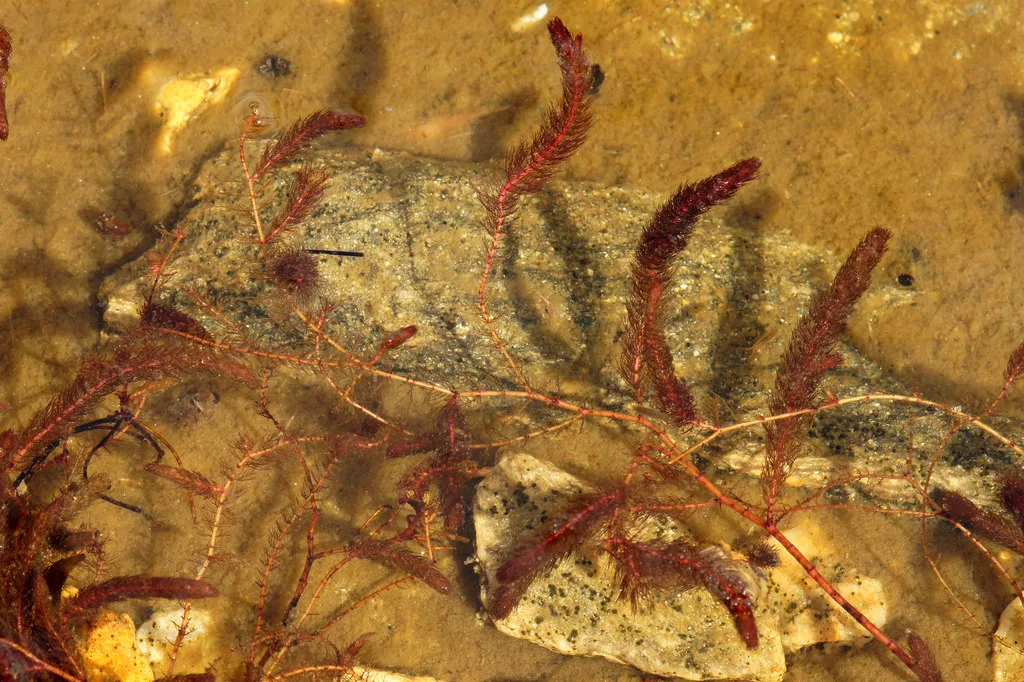
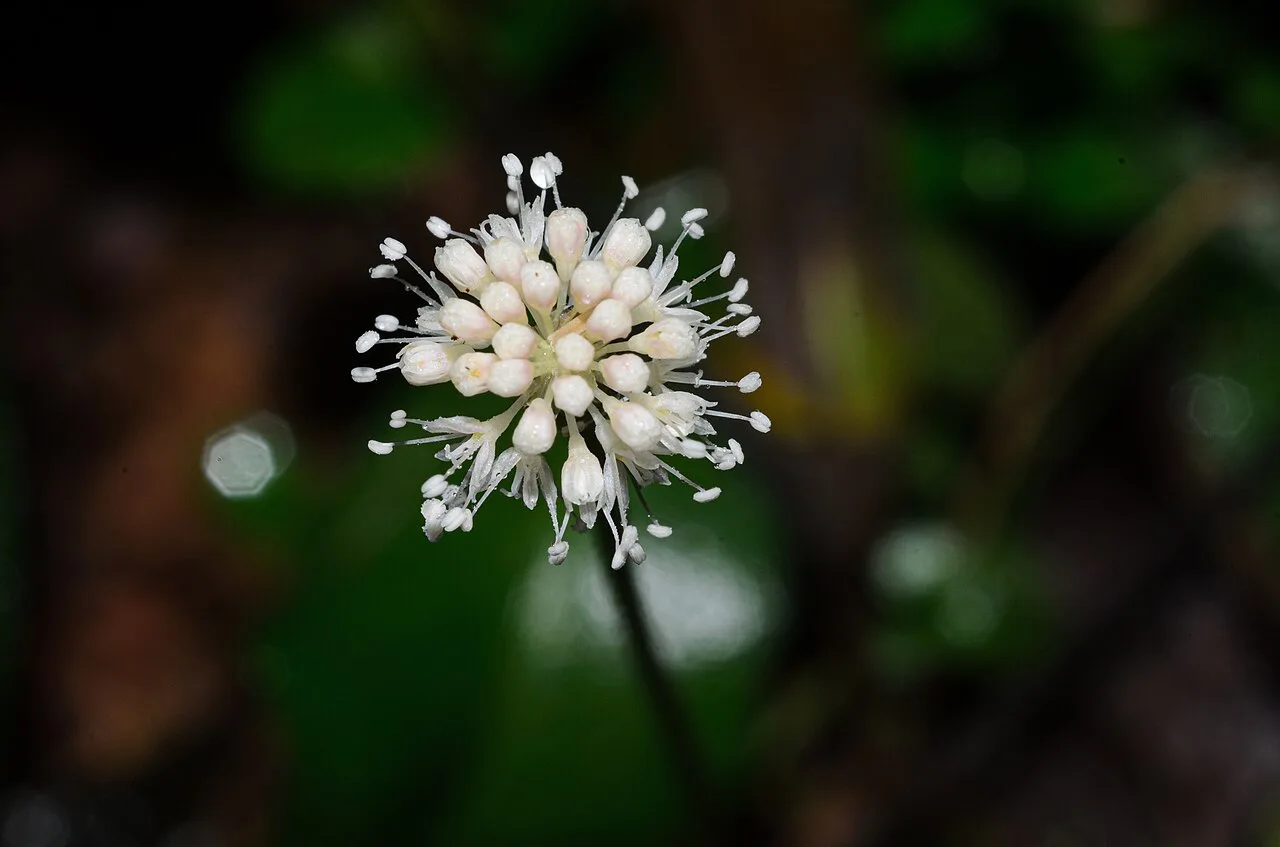
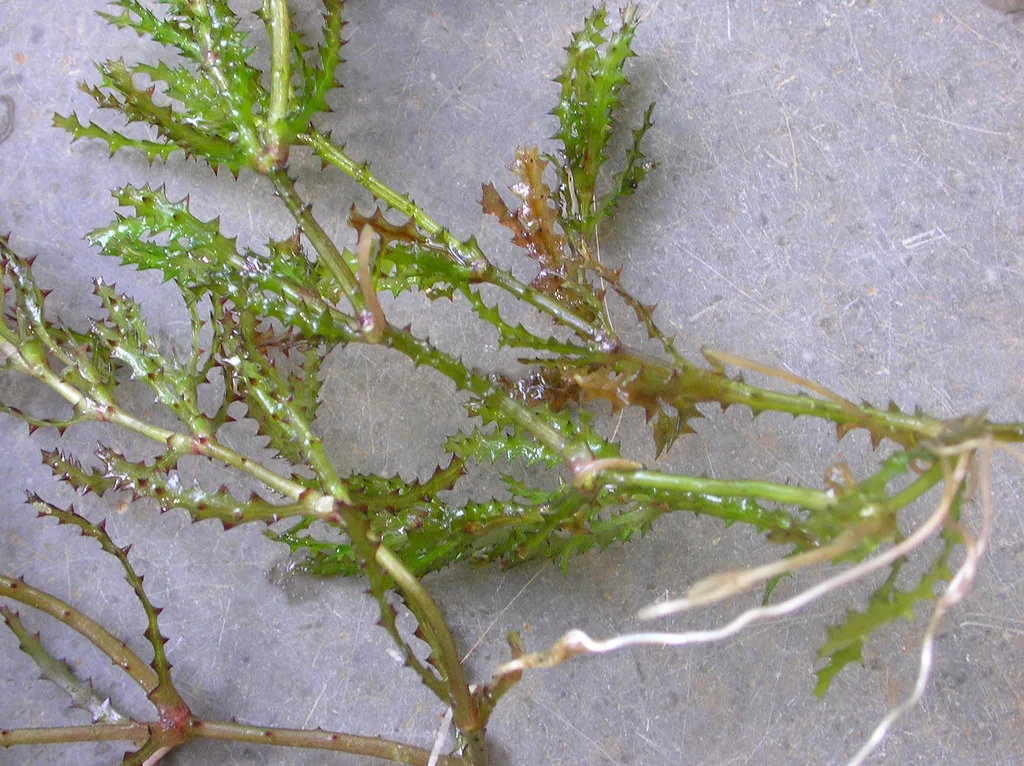
Whorled water-milfoil carries whorls of usually five comb-like, pinnate leaves on long stems. The segments are hair-fine and soft. Above water small flowers appear in the axils of bracts that are longer than the flowers. In autumn club-shaped winter buds form at the shoot tips and sink to the bottom.
In the aquarium it makes a fine green background for cold-water and pond tanks.
Natural origin
This describes the origin, not how to furnish the aquarium.
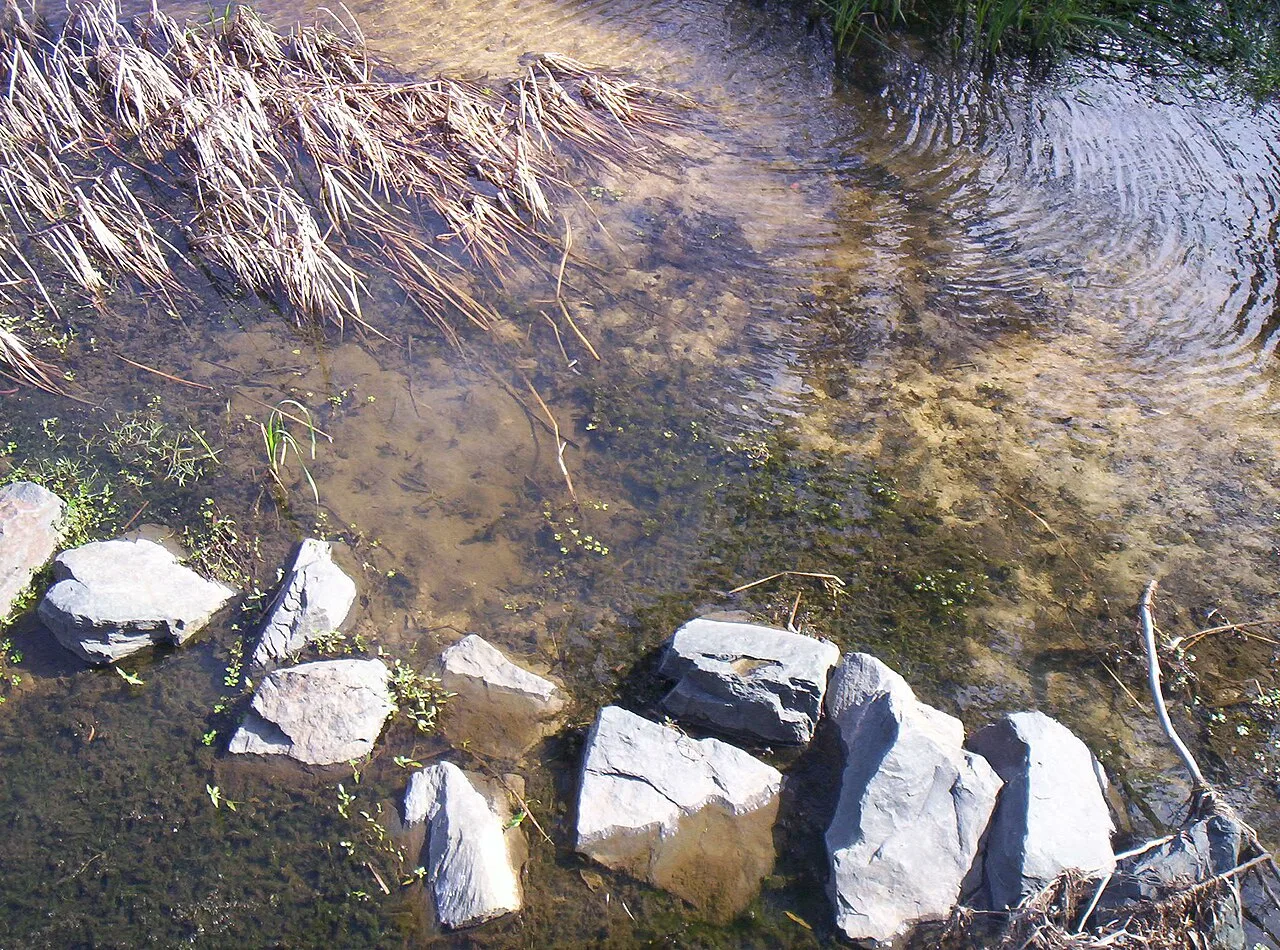
The species is widespread in the northern hemisphere: in Europe, North Africa, Asia and North America. It grows in still and slow, mostly nutrient-rich waters, oxbows and ditches.
Light, CO₂ and position
Light
Medium to high light.
Temperature
10 to 24 °C. Keep cooler in winter.
Position
Background.
Layout and neighbours
As a fine background in groups of five to ten shoots. Broad-leaved plants such as pondweeds fit in front as a contrast.
Common mistakes
Strong current carrying a lot of debris: the fine leaves clog up.
Growth and trimming
Moderate growth. The fine leaves trap mulm; gentle flow keeps them clean. Constant warmth makes the shoots thin.