
 Single source
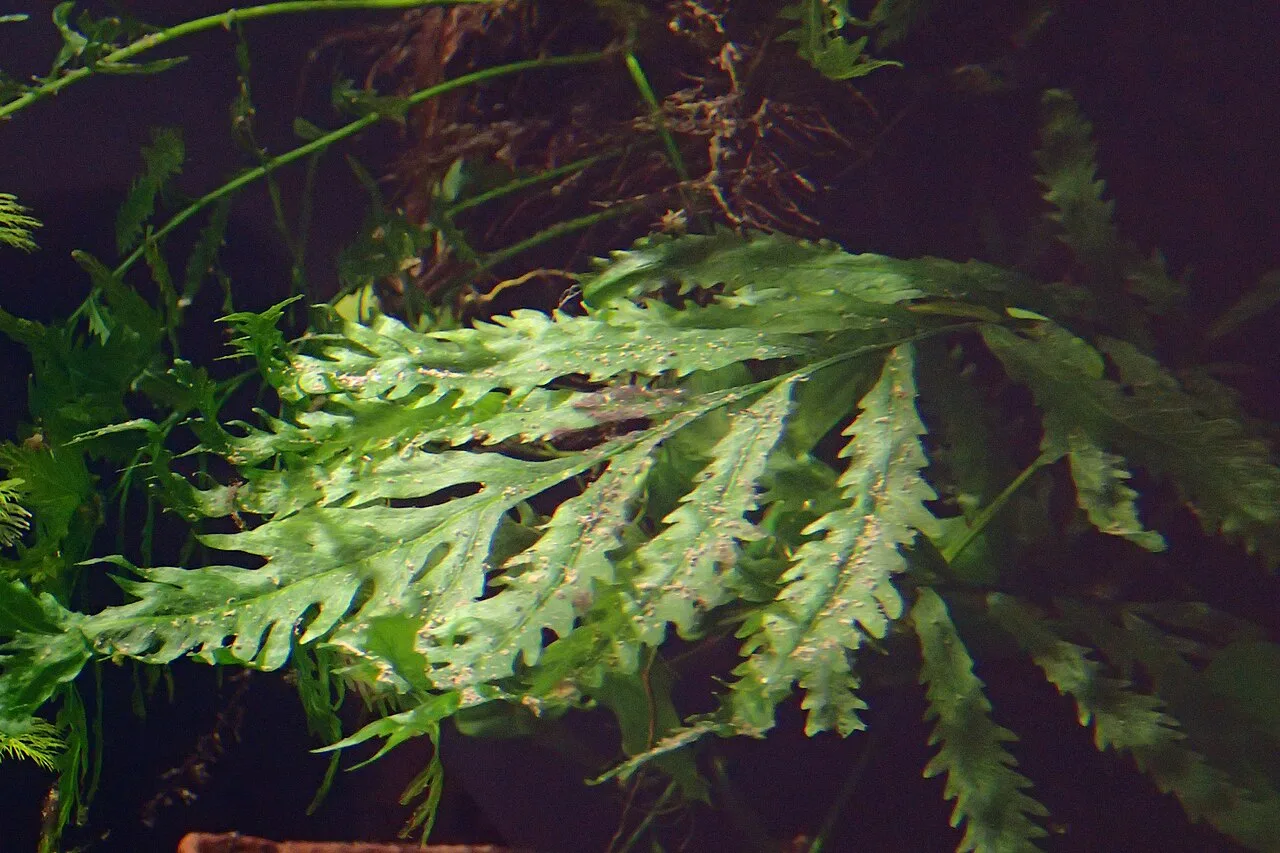
Bolbitis heudelotii
African water fern
An epiphytic fern from rivers of tropical and subtropical Africa. The English article gives 20 to 28 °C for the aquarium.
- Placement Midground
- Lighting Low light
- CO₂ Low CO₂
Encyclopedia
Aquarium plants by position, light and what the profile really states.
Random species No CO₂ requirement For beginners Fast growing
35 species
Single source
Bolbitis heudelotii
An epiphytic fern from rivers of tropical and subtropical Africa. The English article gives 20 to 28 °C for the aquarium.
 Single source
Ammannia gracilis
A stem plant from West Africa whose leaves turn orange to red under strong light and CO₂.
 Single source
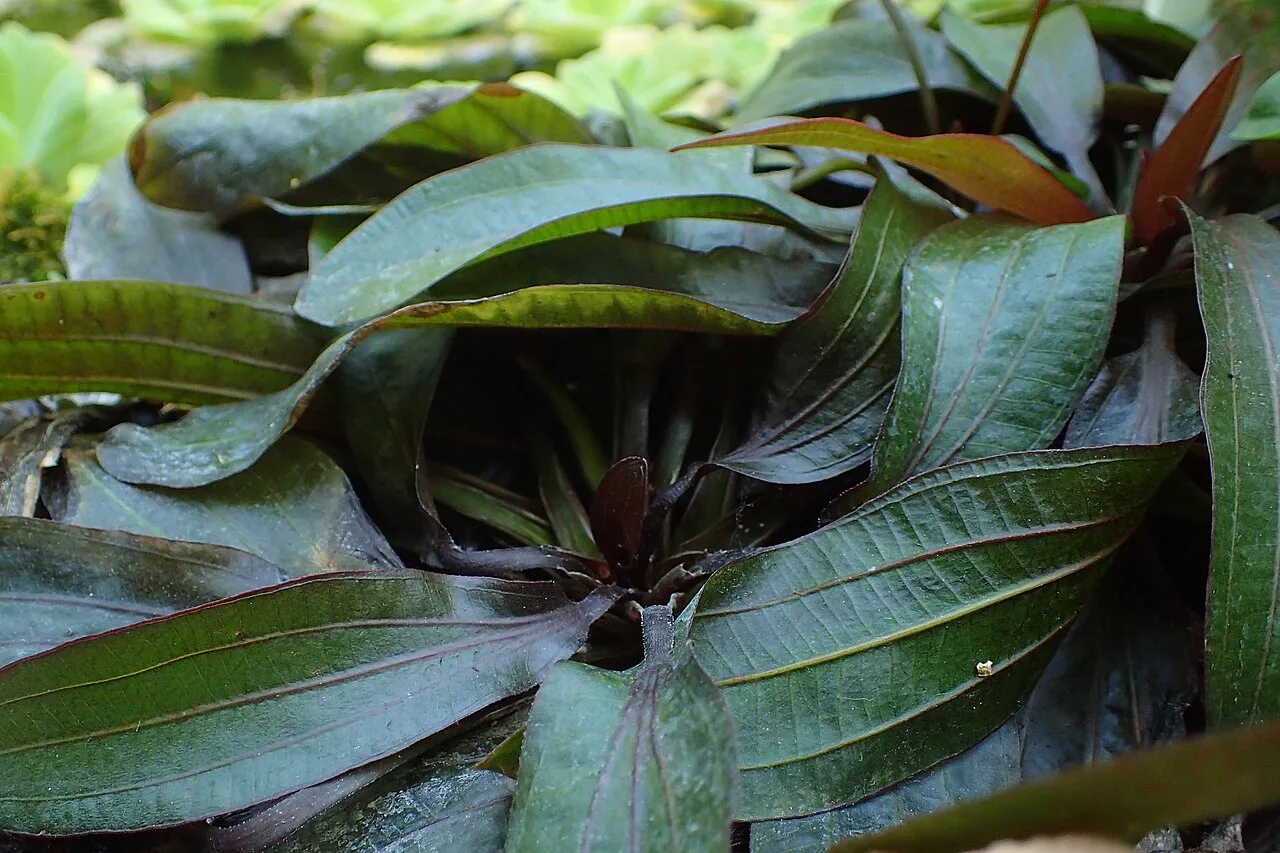
Anubias barteri
A rhizome plant from West Africa. The text that was read is the genus article. Anubias barteri comprises several varieties there, not a single trade form.
 Single source
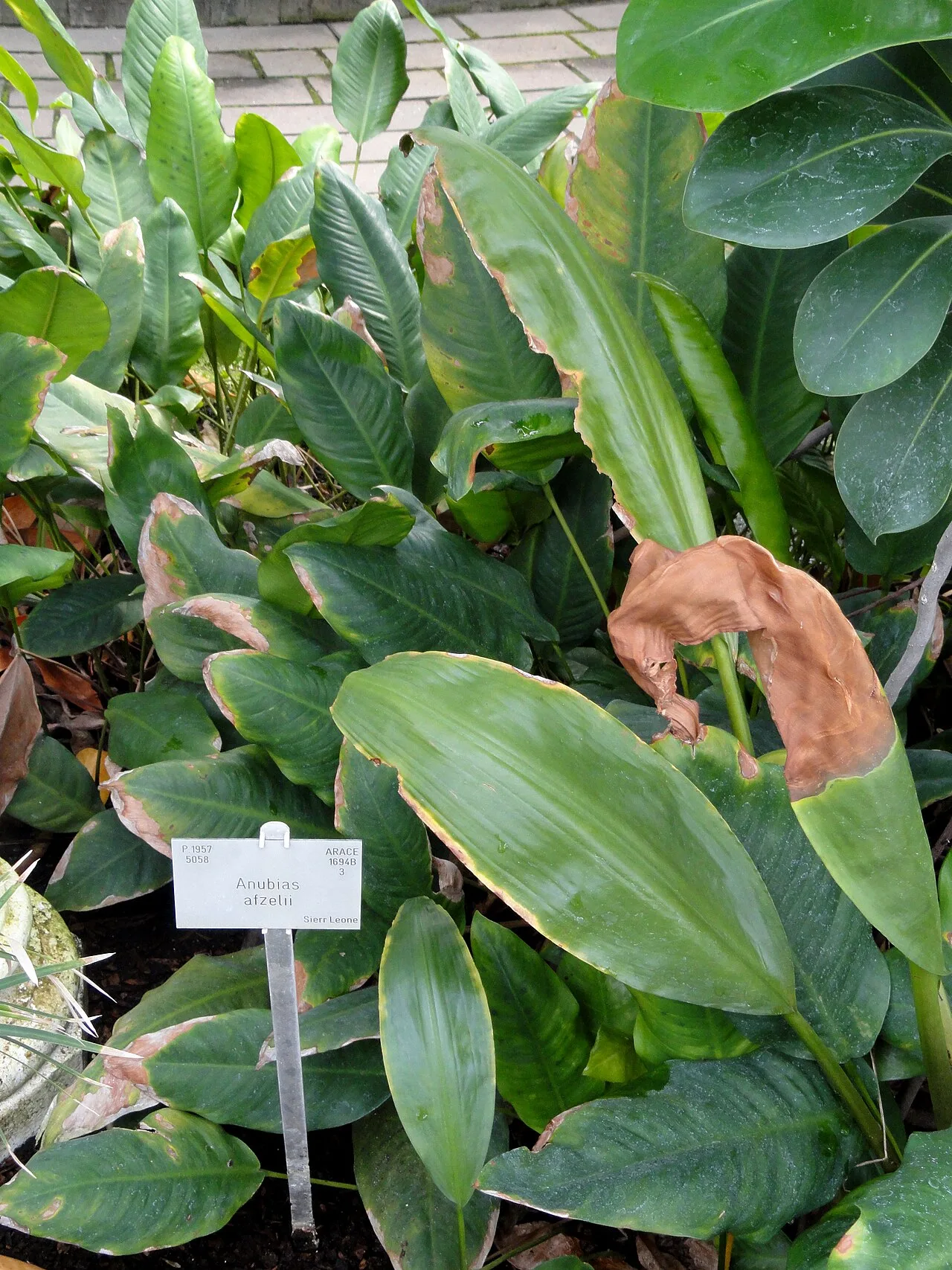
Anubias afzelii
A large Anubias with long, narrow leaves. The rhizome stays free, growth is slow, and the space it needs is greater than that of the dwarf forms.
 Single source
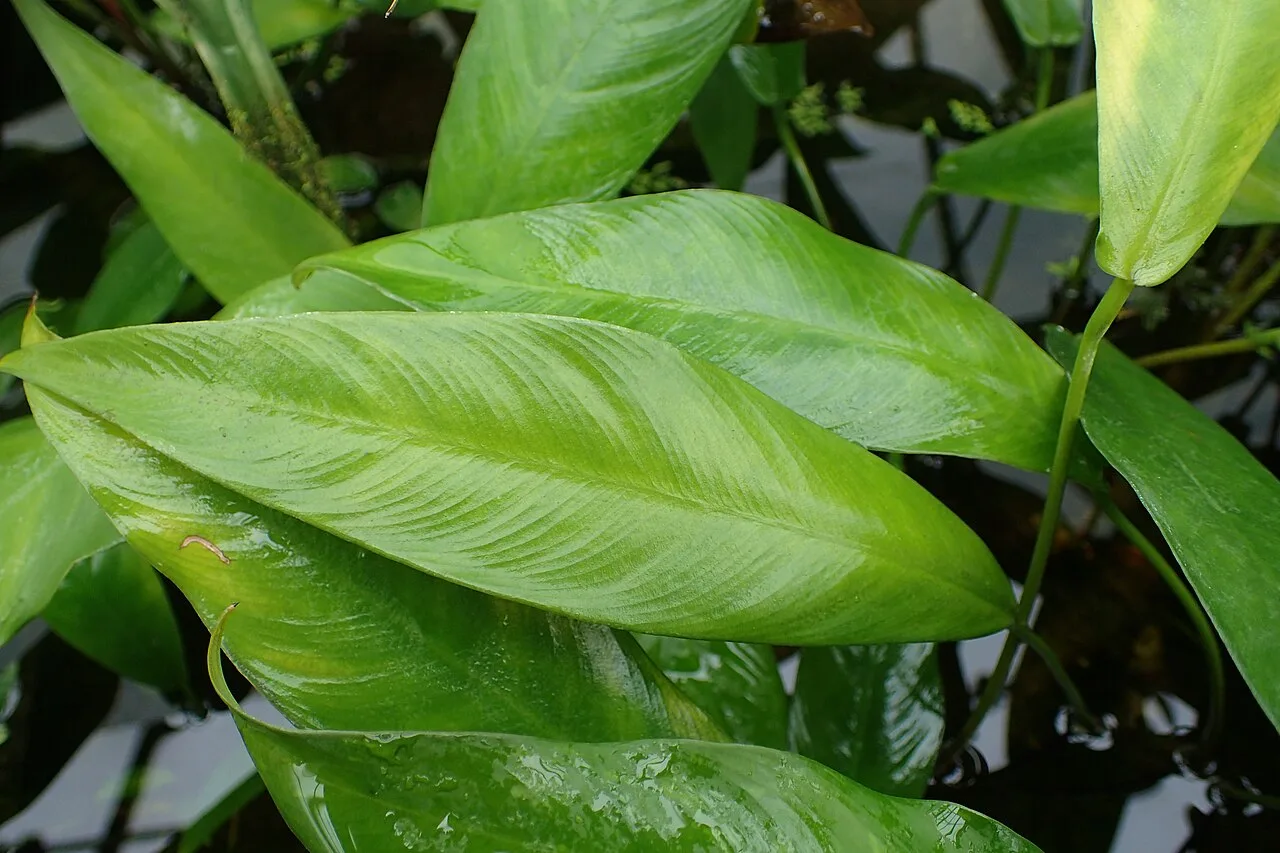
Anubias gracilis
An Anubias with triangular to arrow-shaped leaves. The rhizome stays free, growth is slow, and the plant needs more room than the dwarf forms.
 Single source
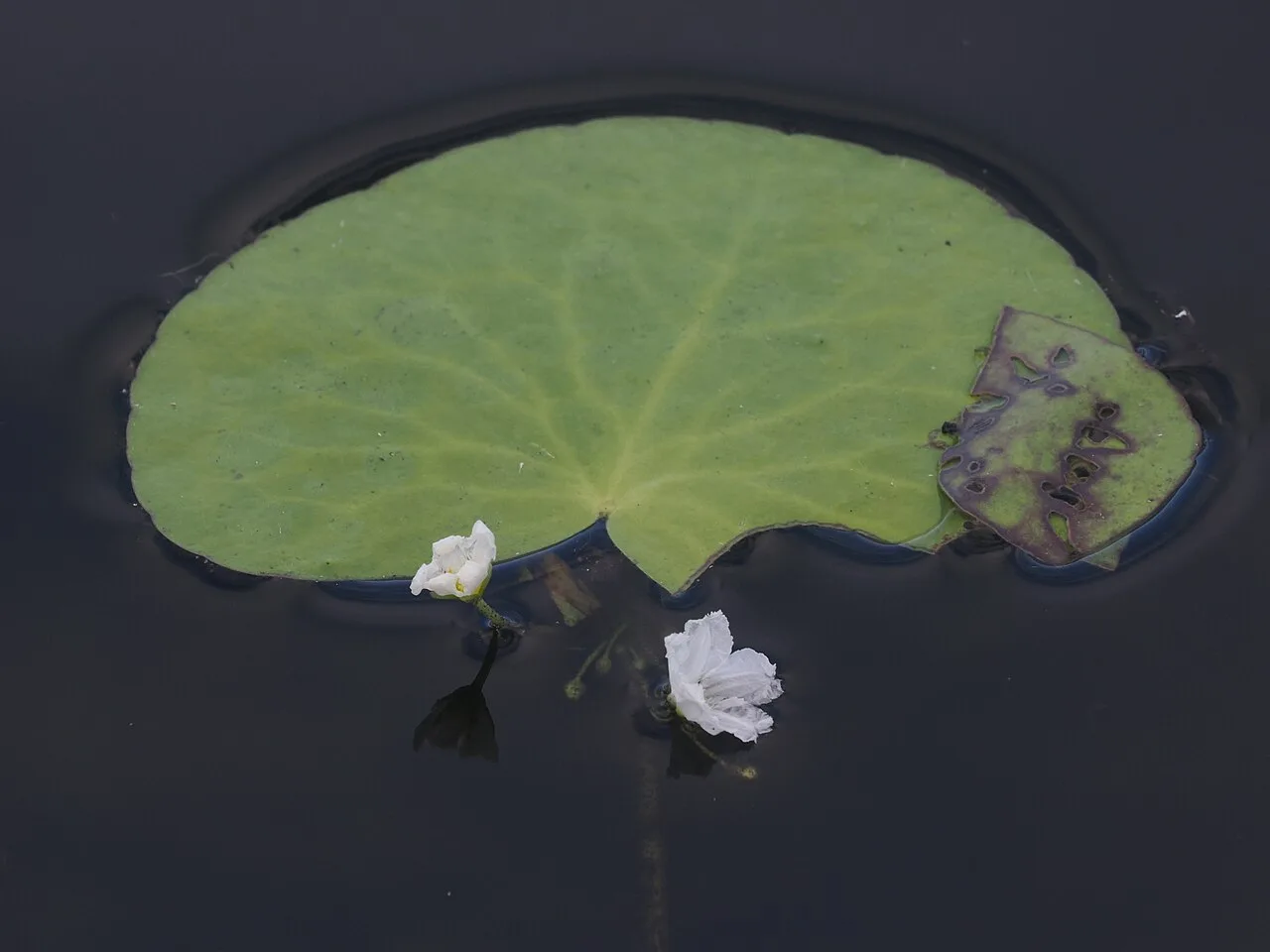
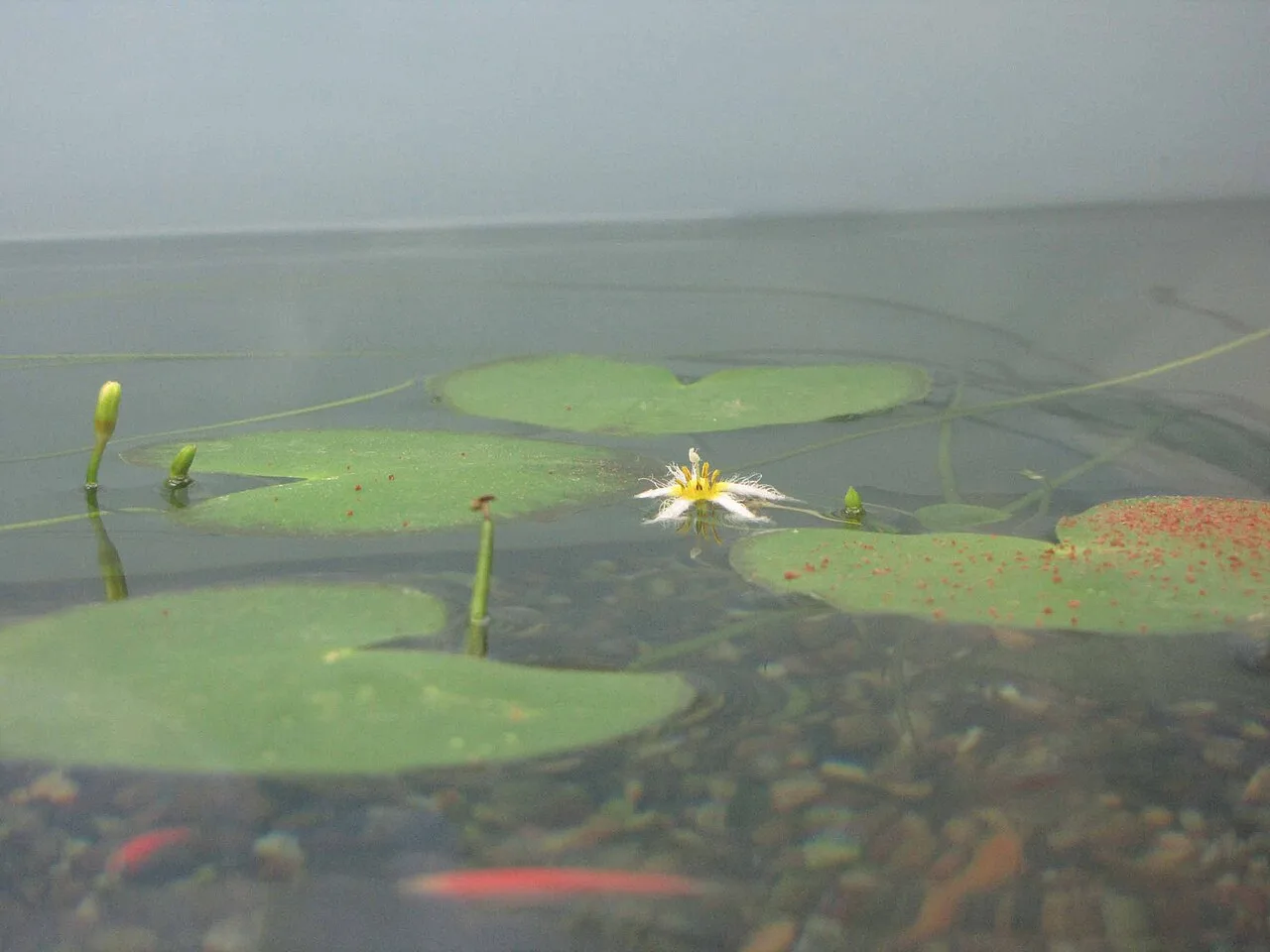
Nymphoides aquatica
A rosette with banana-shaped storage roots and round leaves that grow toward the surface. The tubers stay visible.
 Single source
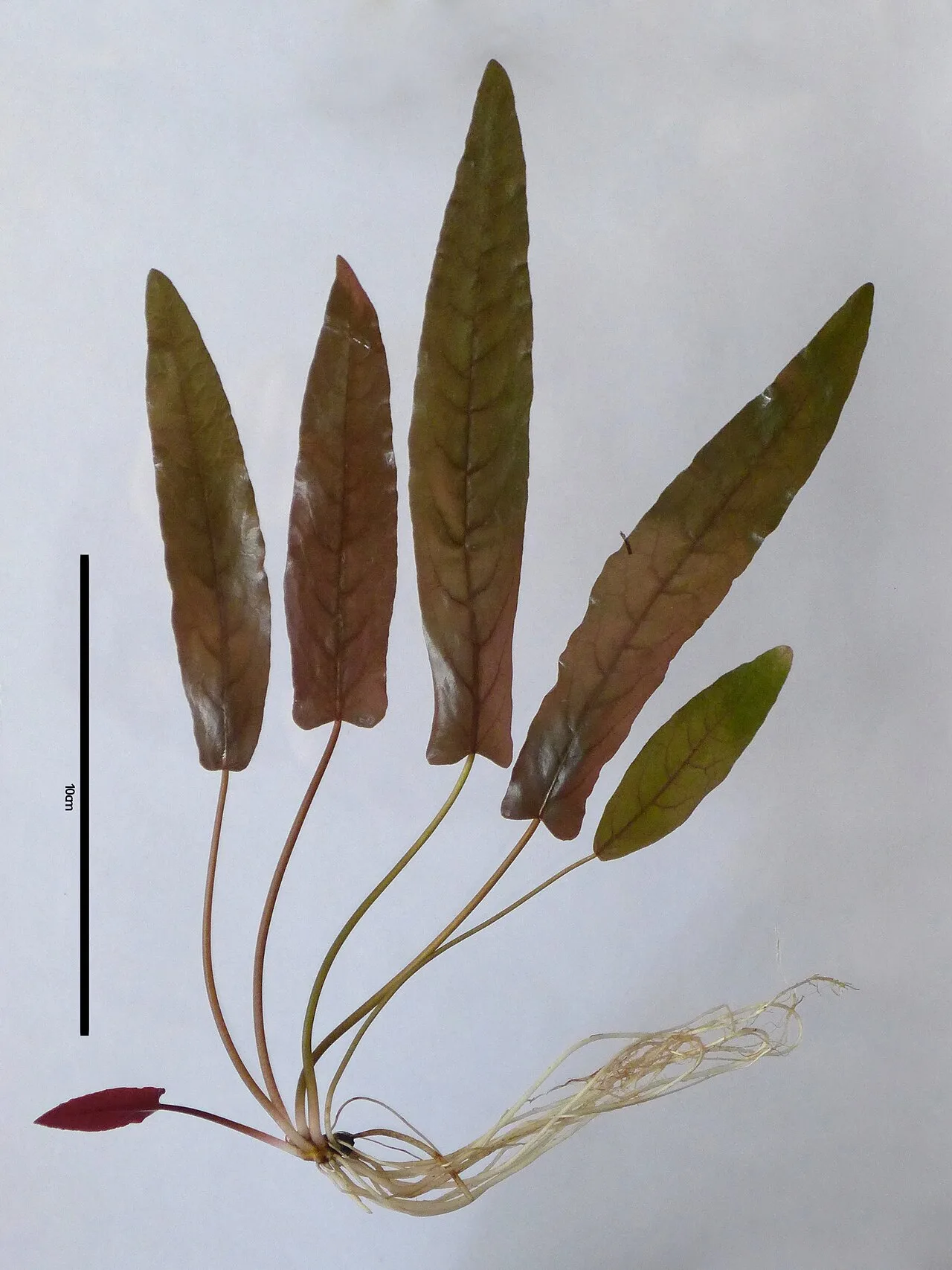
Barclaya longifolia
A bulb plant with long, often red or green leaves. It becomes a specimen and takes pauses.
 Single source
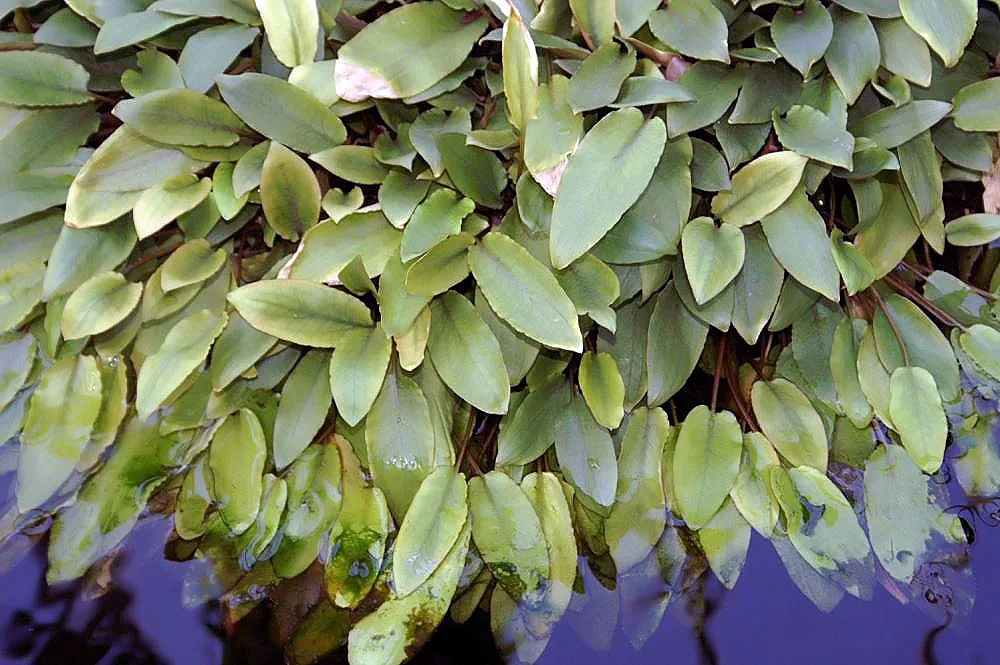
Cryptocoryne beckettii
A rosette from Sri Lanka that forms a stand by runners and often drops every leaf after planting.
 Single source
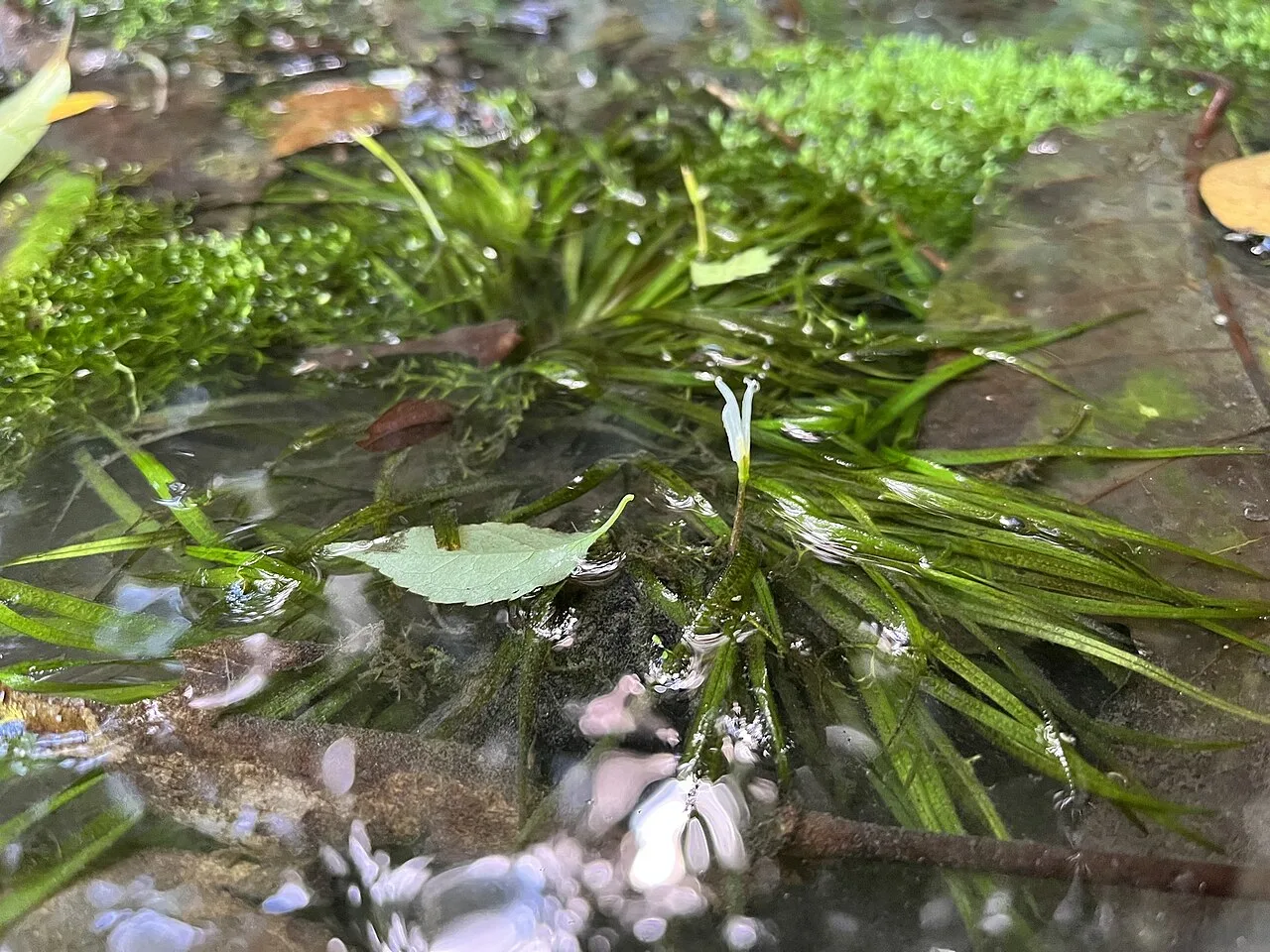
Blyxa japonica
A grass-like rosette from East Asia that turns bronze under strong light and falls apart without CO₂.
 Single source
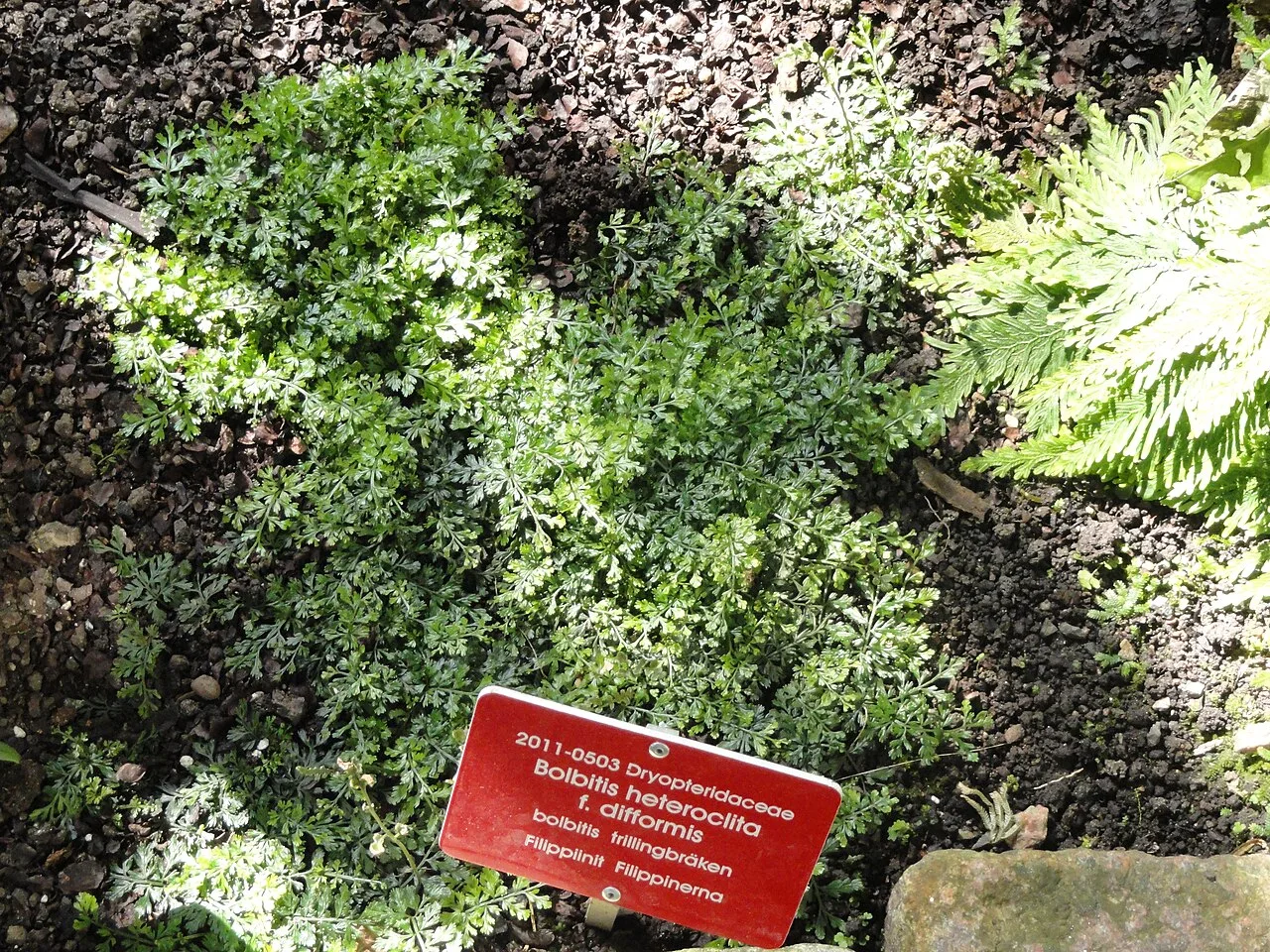
Bolbitis heteroclita
A smaller epiphytic fern than the African water fern, with a creeping rhizome. It wants less light than the red stems and a free rhizome.
 Single source
Sagittaria platyphylla
A rosette with broader leaves than the dwarf arrowhead. It stays in the midground and sends runners.
 Single source
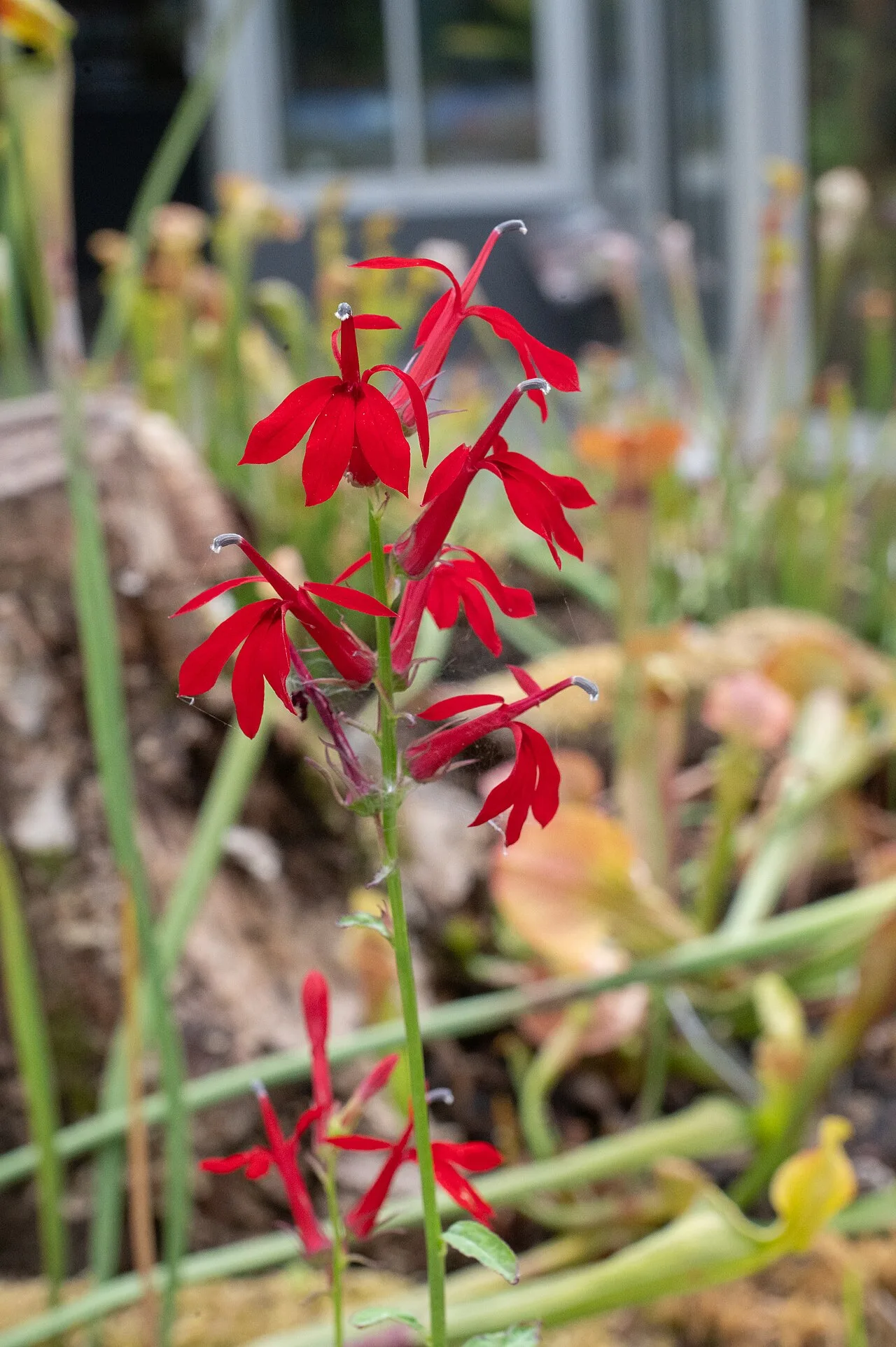
Lobelia cardinalis
A stem plant with elongate leaves that stays green under water. The red flower belongs to the emersed form, not to a closed tank.
 Single source
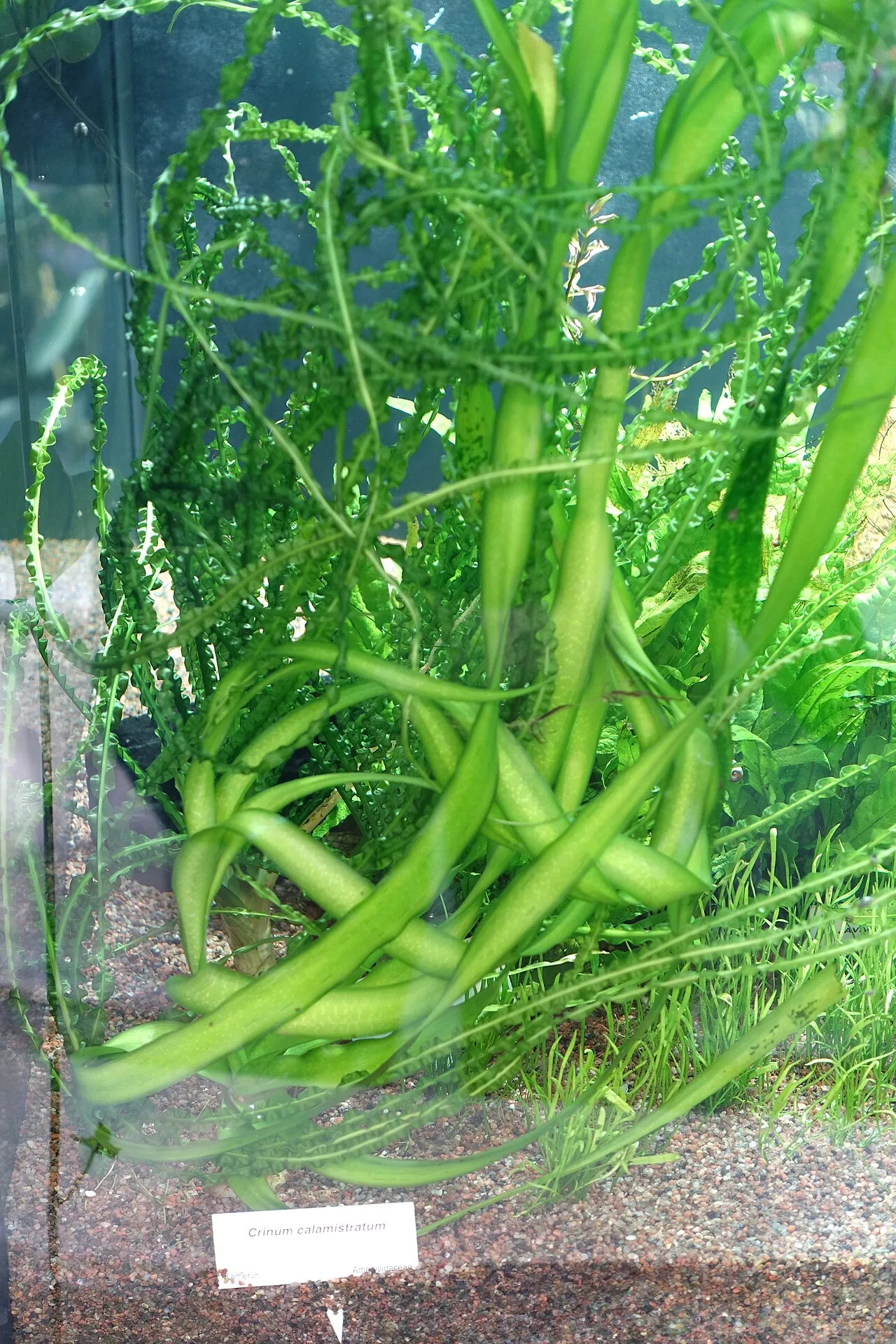
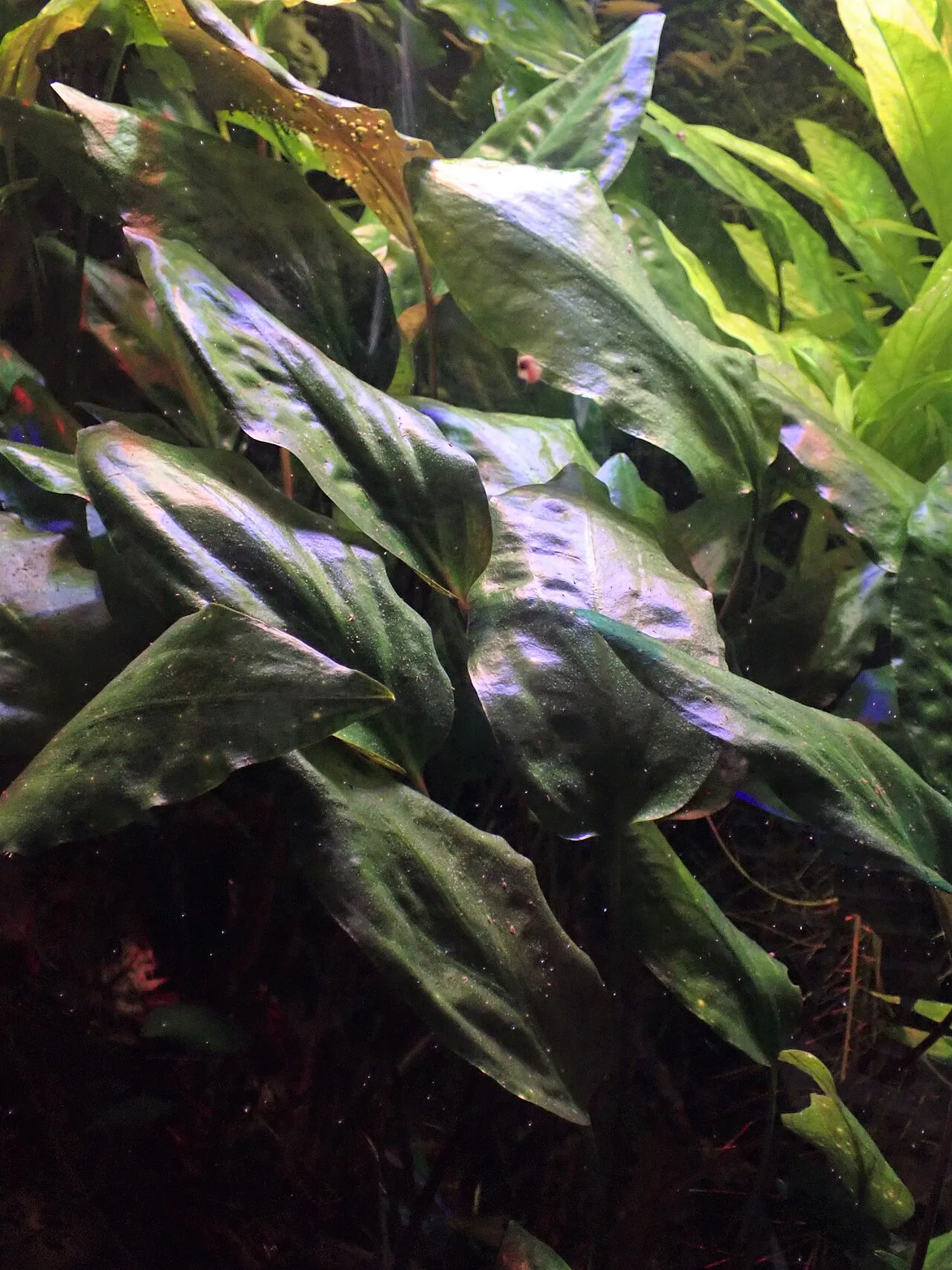
Crinum calamistratum
A bulb plant from West Africa with long, crinkled, dark green leaves. It grows slowly and becomes a fixed specimen over the years.
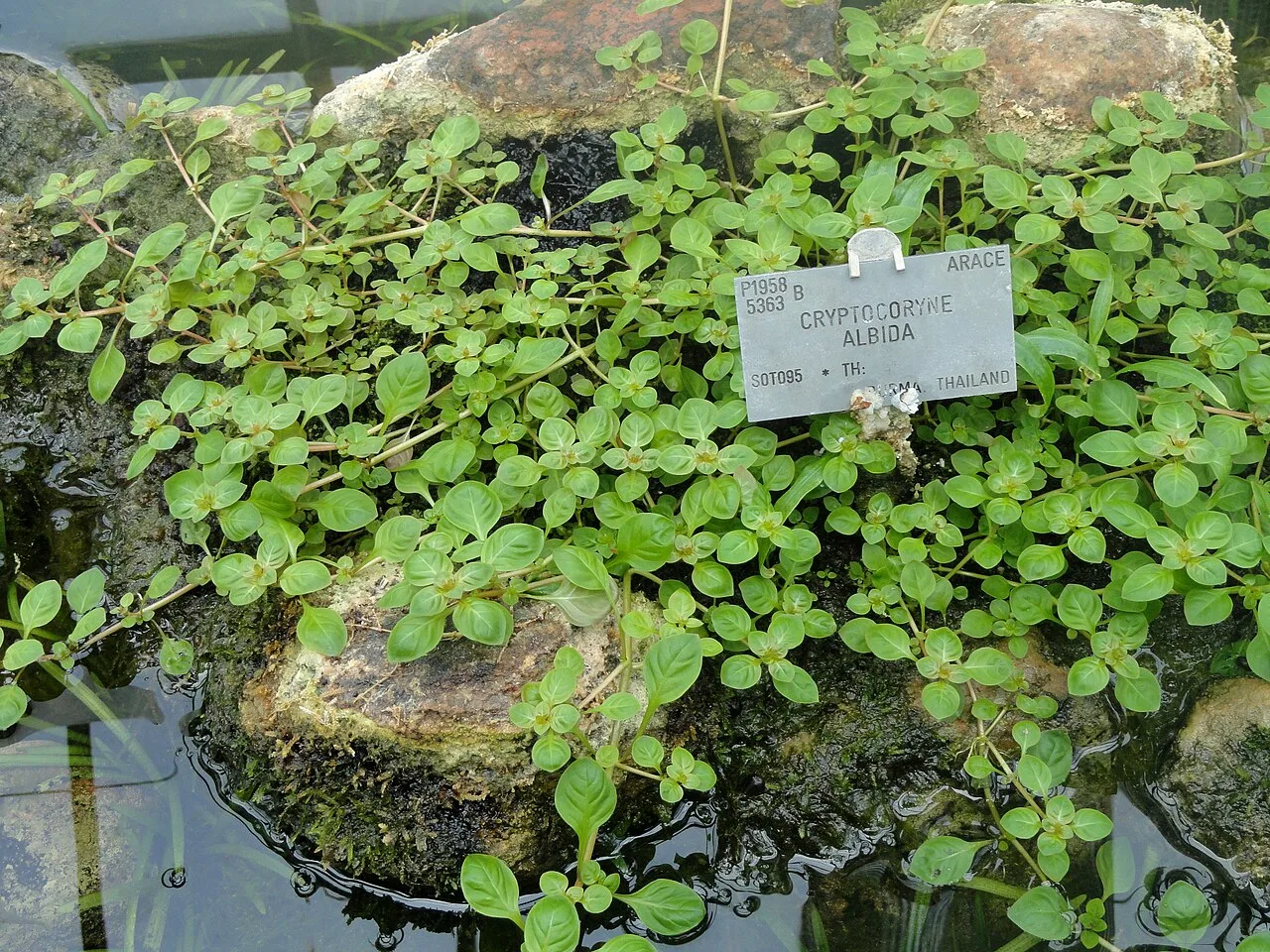 Single source
Cryptocoryne albida
A narrow-leaved crypt with often brownish markings. It stays put once it is set, and drops its leaves after a hard change.
 Single source
Cryptocoryne cordata
A medium crypt with an often heart-shaped leaf base. It stays if it is planted once, and it drops the leaves after a hard change.
 Single source
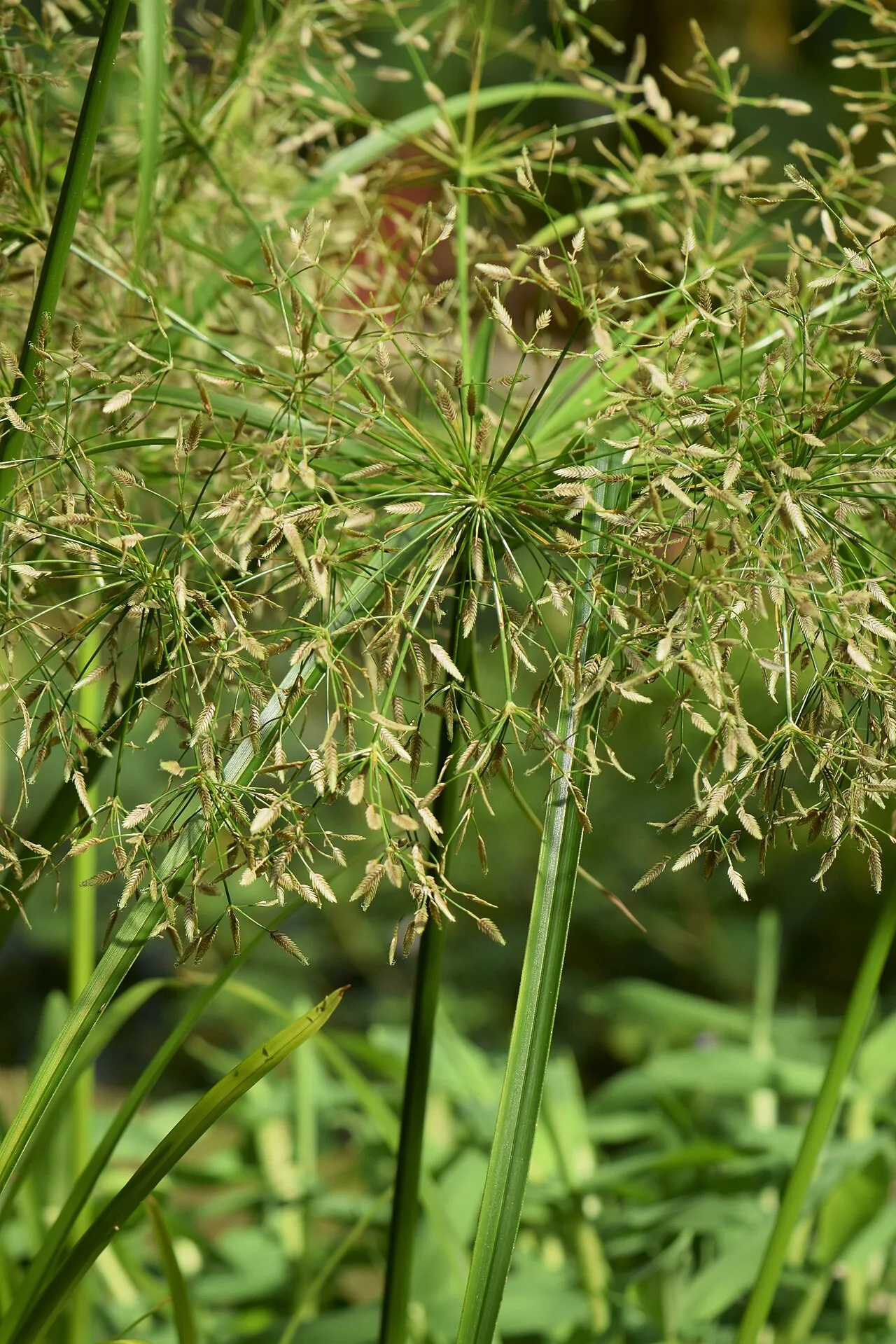
Cyperus helferi
A grass-like rosette for the midground, whose long leaves move in the current. It grows slowly and wants a nutrient-rich substrate.
 Single source
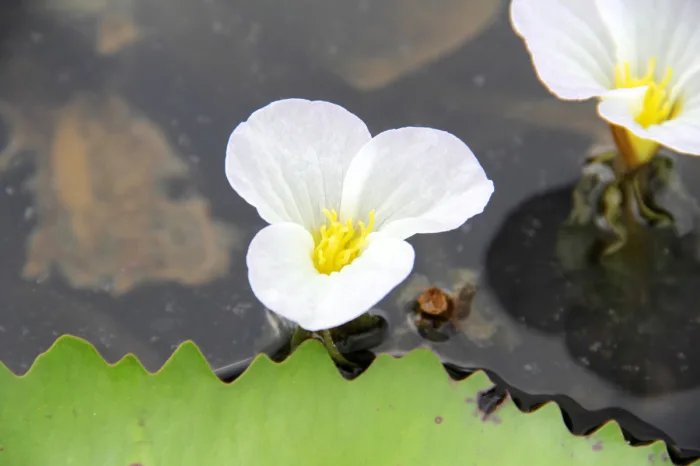
Ottelia alismoides
A rosette with broad, often translucent leaves and a flower that can grow above the surface. It becomes a specimen plant.
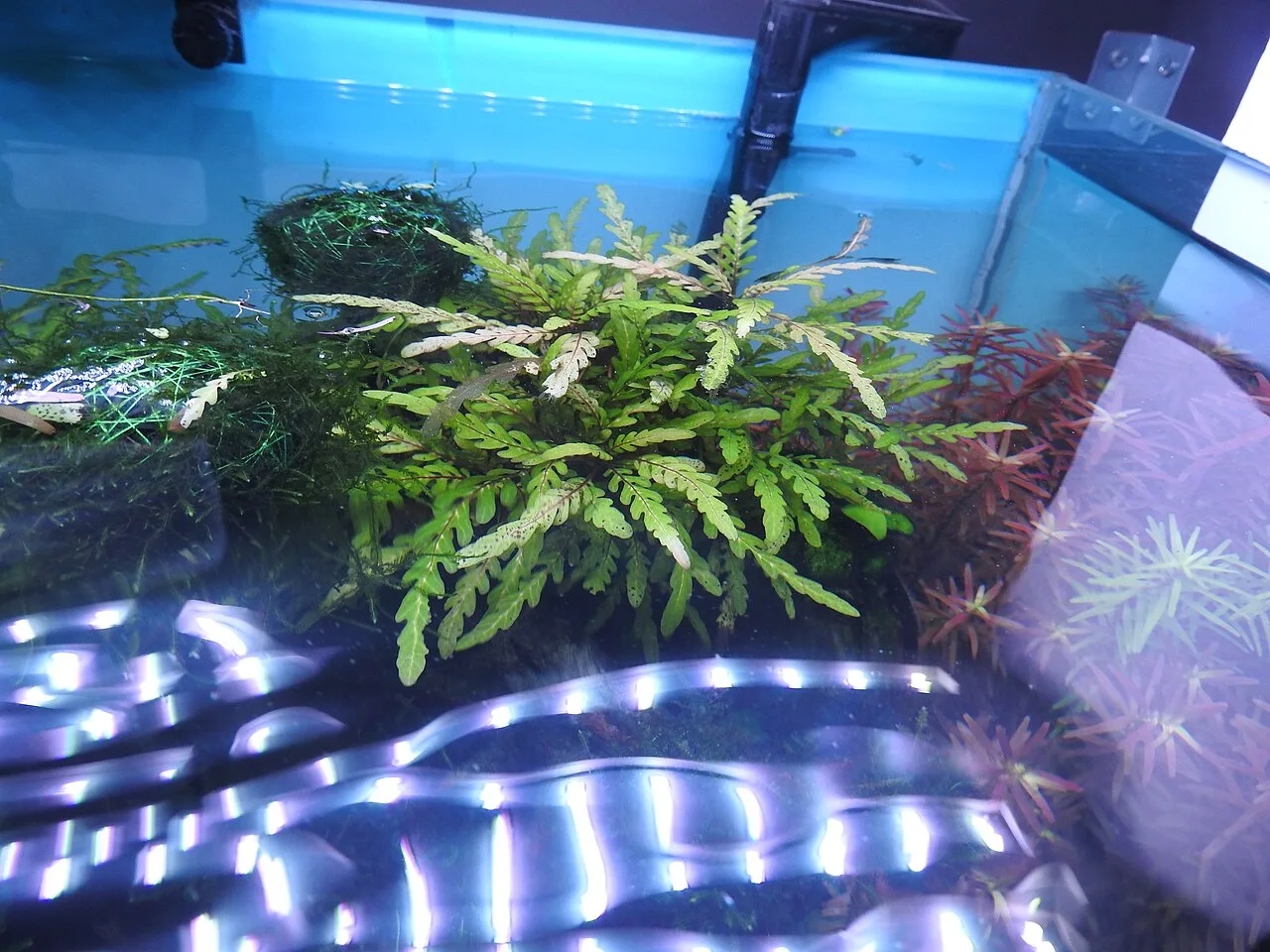 Single source
Hygrophila pinnatifida
An epiphyte and a shallow-set plant from India, with divided leaves that are brown above and pink below. The colour comes with light. The shape comes with leaving the rhizome alone.
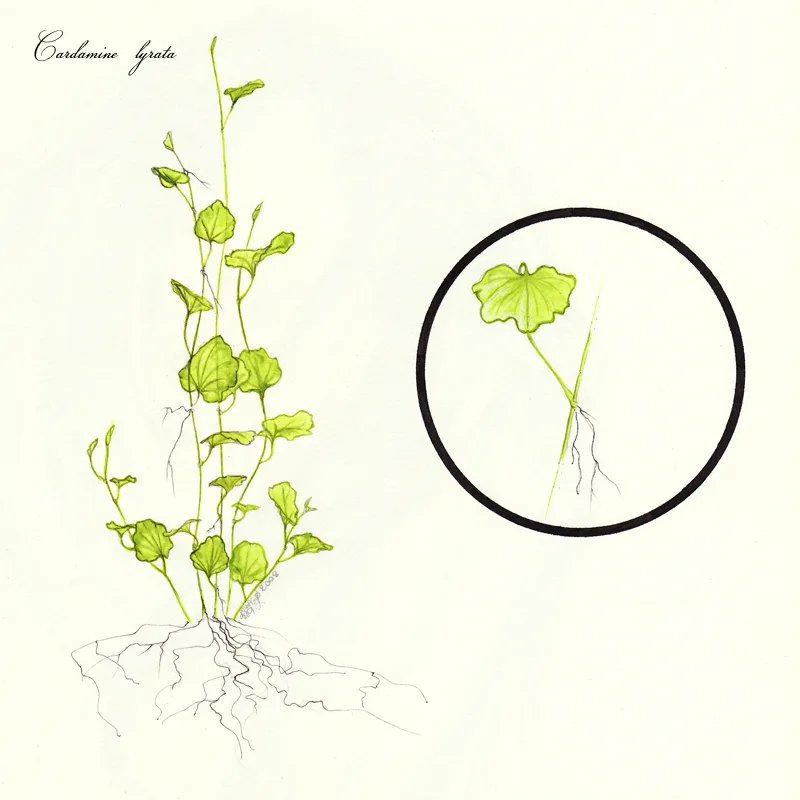 Single source
Cardamine lyrata
A delicate stem plant with rounded leaves. It stays dense in cool water and becomes long and holey in a warm tank.
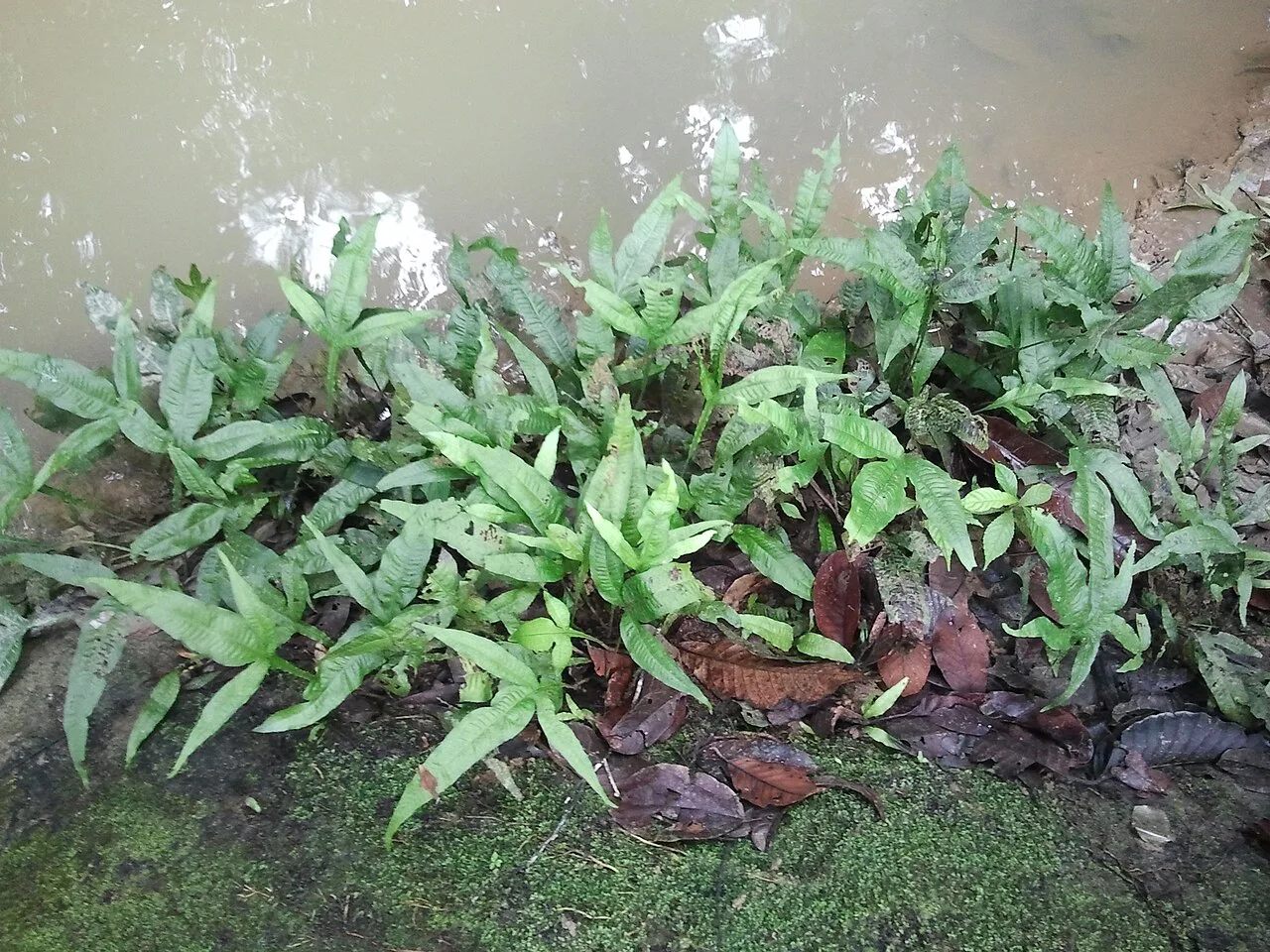 Single source
Microsorum pteropus
An epiphytic fern, listed in the article as Leptochilus pteropus. Microsorum pteropus is treated there as outdated. The catalogue name remains Microsorum pteropus.
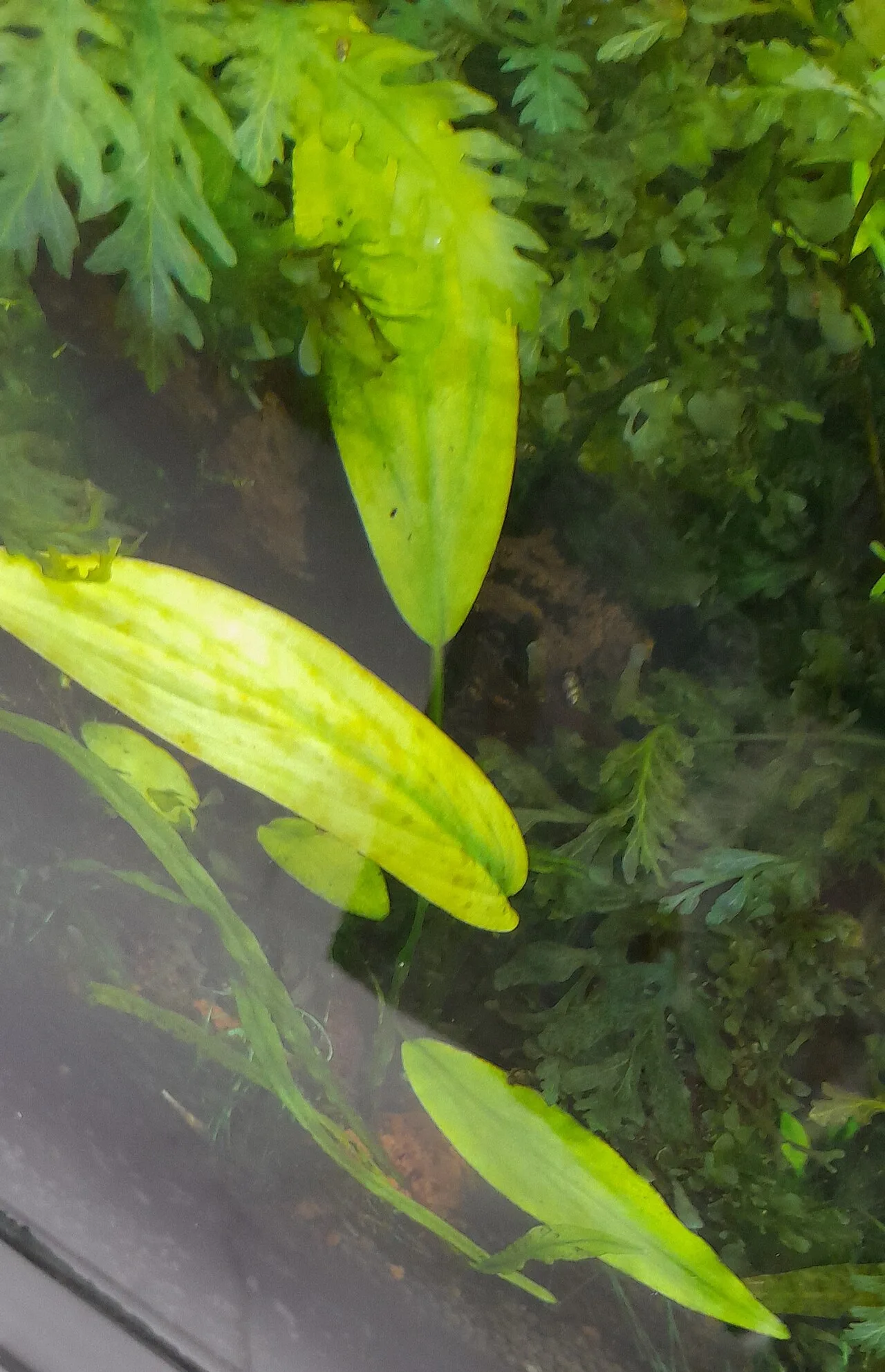 Single source
Lagenandra meeboldii
A rosette from India with tough, often silvery marked leaves. It grows slowly and wants quiet at the rhizome.
 Single source
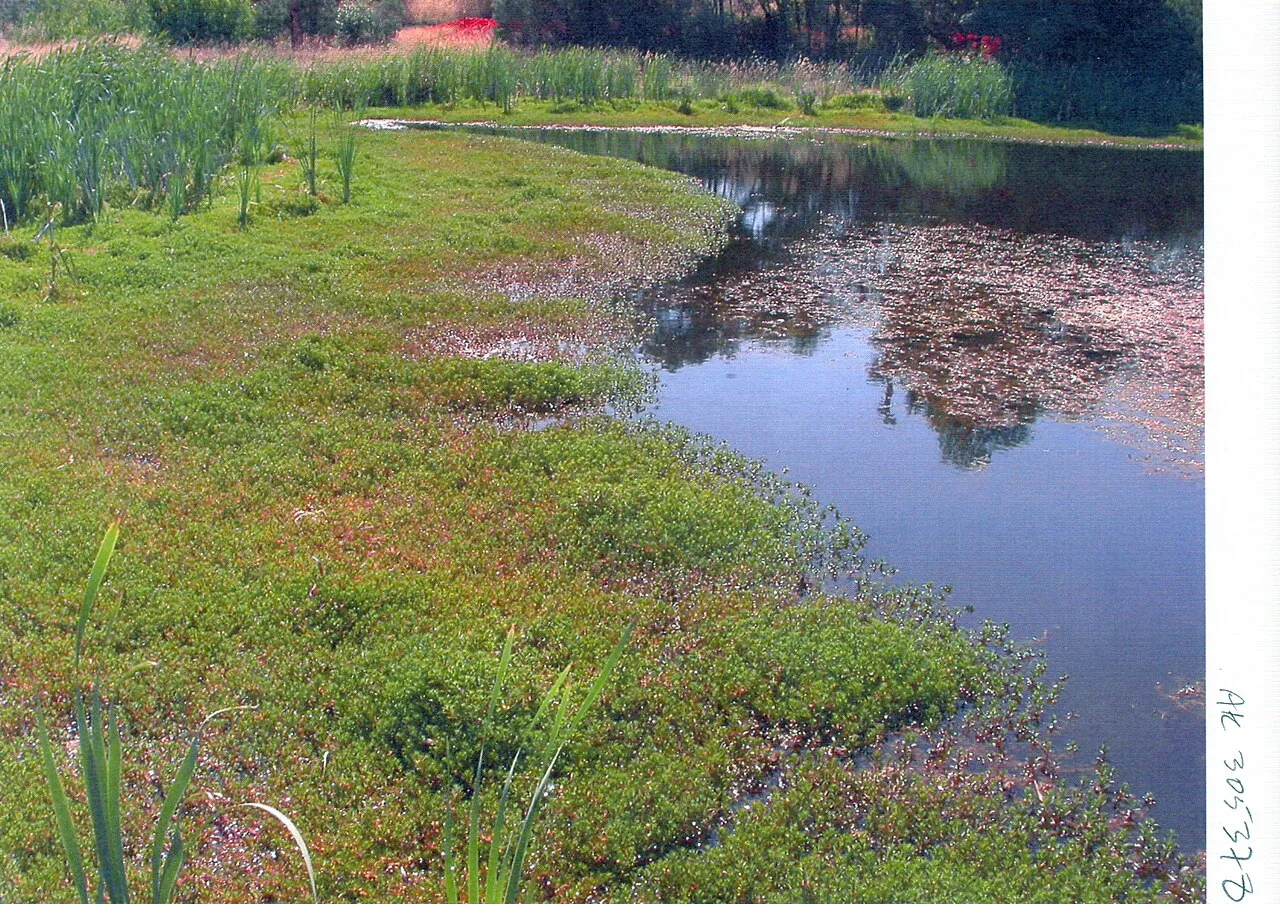
Ludwigia arcuata
A very narrow-leaved Ludwigia that turns orange under light and CO₂. It is more delicate than Ludwigia repens.
 Single source
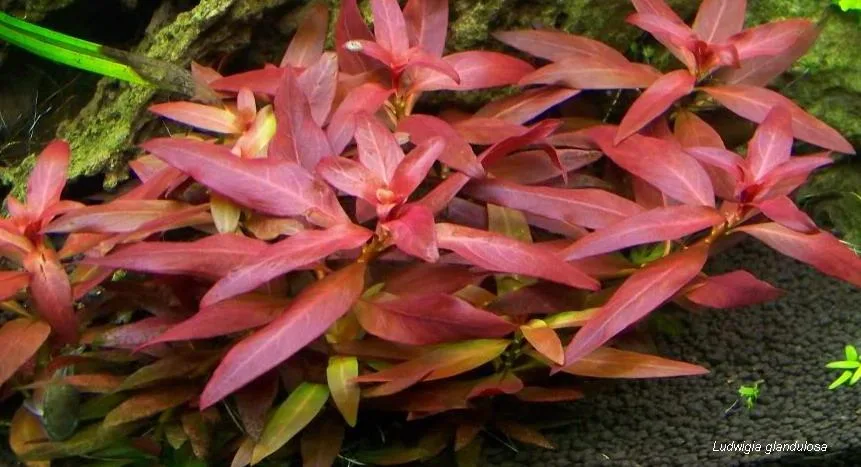
Ludwigia glandulosa
A dark red stem plant that holds the colour only under strong light and CO₂. In shade it turns green and drops the lower leaves.
 Single source
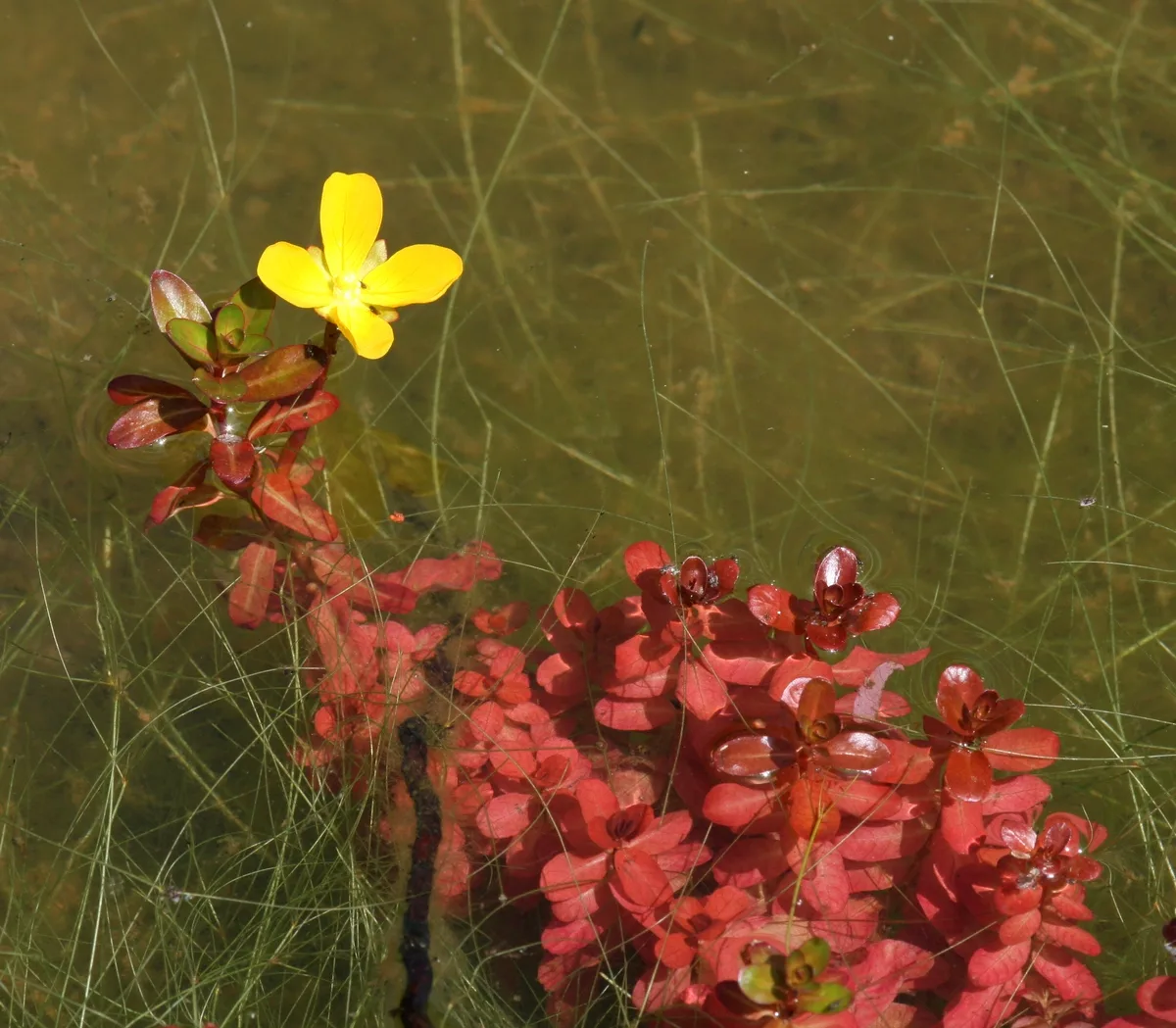
Ludwigia inclinata
A narrow-leaved Ludwigia that turns orange to red under strong light and CO₂. Without both it stays green and long.
 Single source
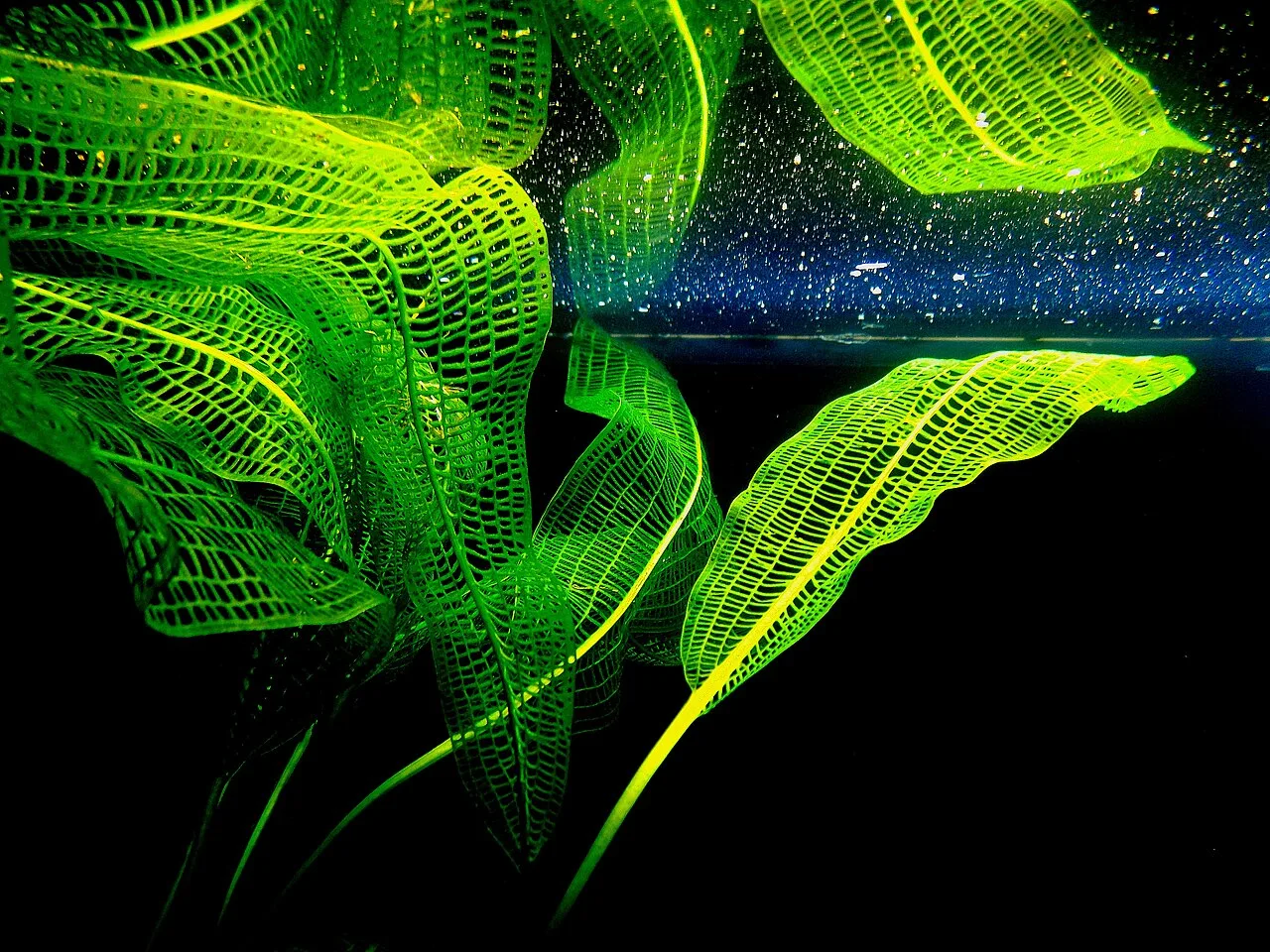
Aponogeton madagascariensis
A bulb plant from Madagascar whose leaves keep only the net of veins. It is demanding, takes rests and is not a beginner sword.
 Single source
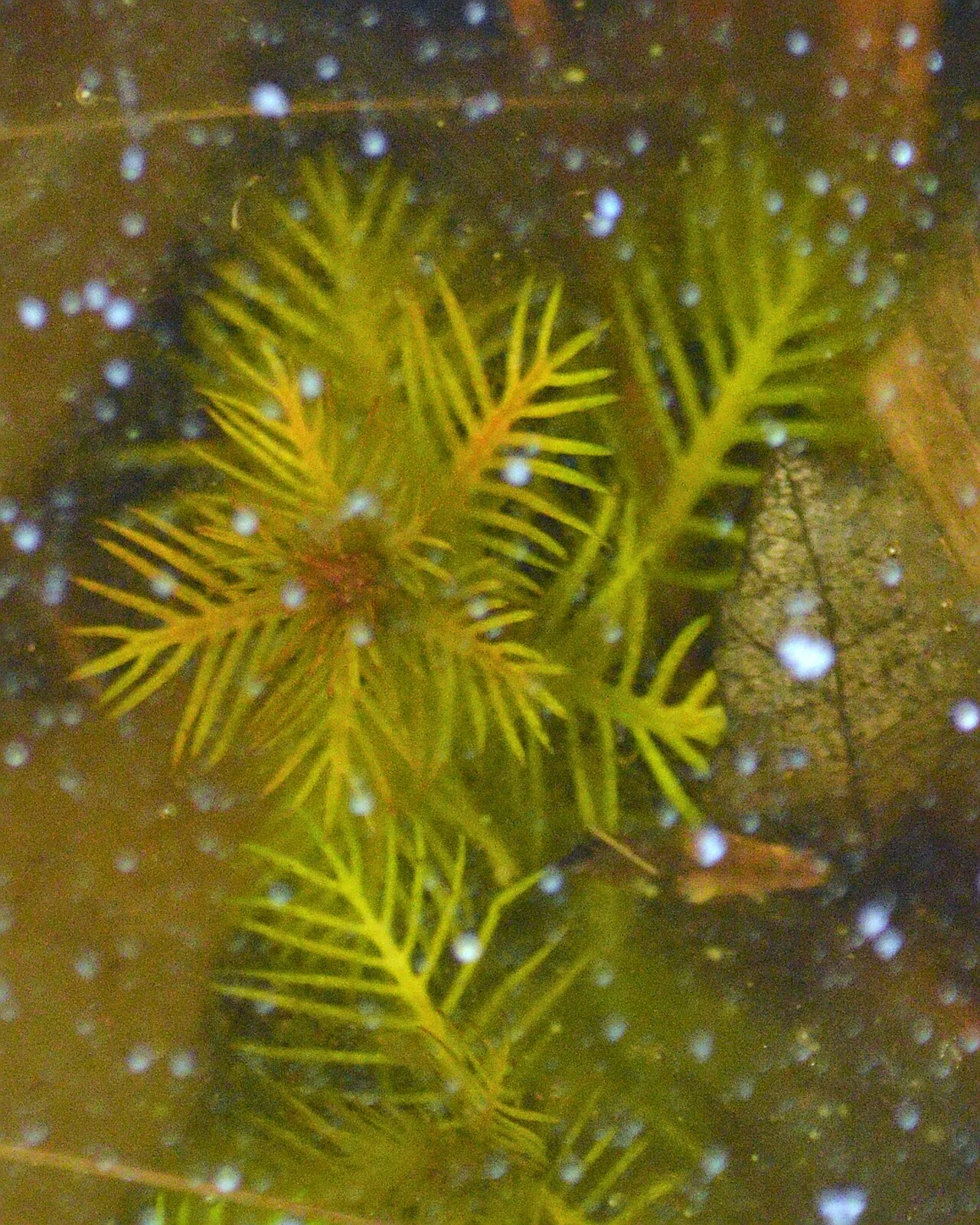
Proserpinaca palustris
A stem plant whose underwater leaves are slit like a comb. The form appears only after it is submerged, not on the emersed pot.
 Single source
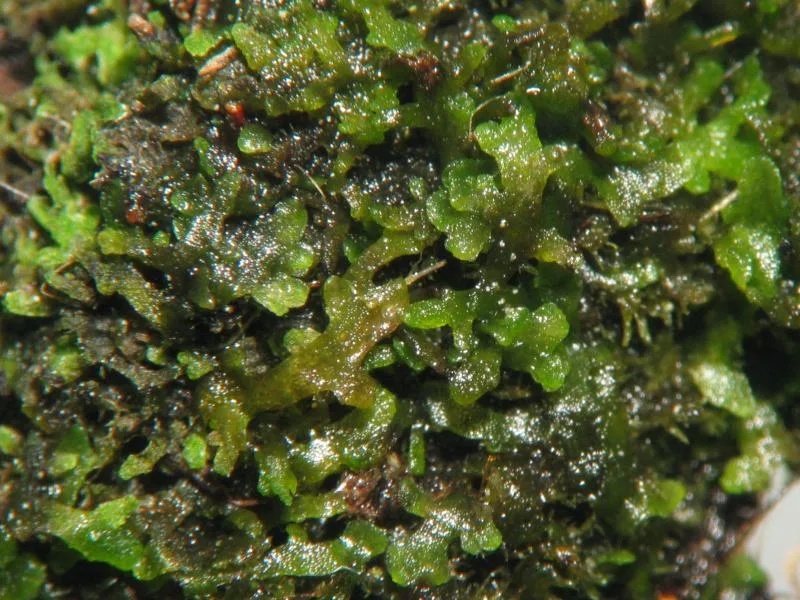
Riccardia chamedryfolia
A liverwort that grows flat and branched over wood and stone. It is tied on thinly and not planted in the gravel.
 Single source
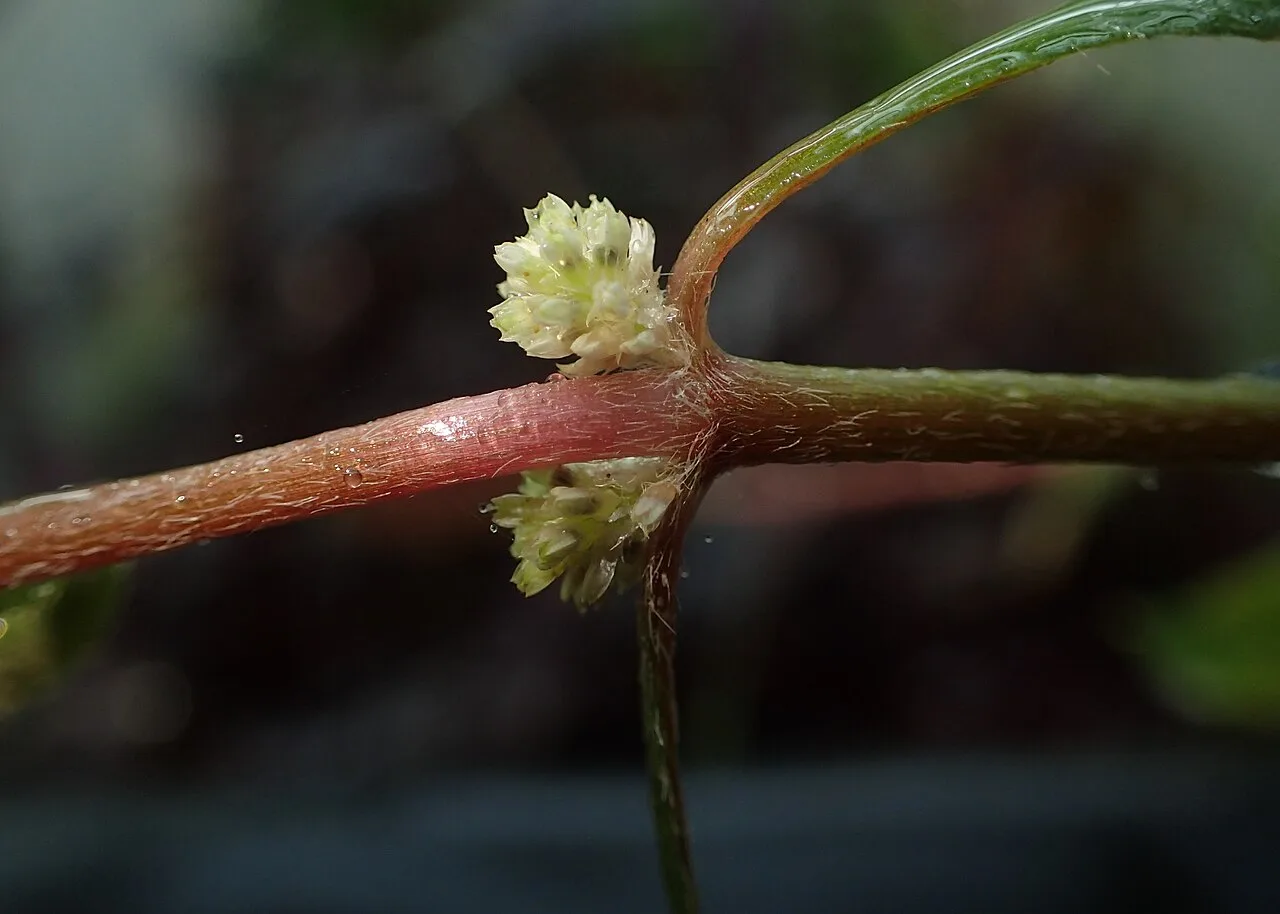
Alternanthera reineckii
A reddish stem plant from South America. The English article is short and states no light or CO₂ step.
 Single source
Vesicularia dubyana
A moss with fine, irregularly branched shoots. It is tied to wood or stone and is not Java moss.
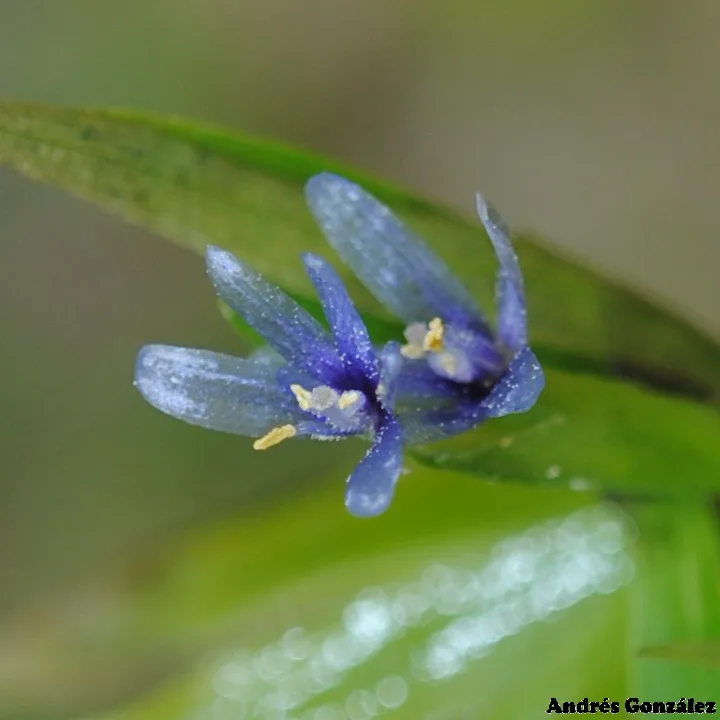 Single source
Heteranthera zosterifolia
A pale green stem plant with narrow leaves that quickly becomes bushy and has to be trimmed regularly.
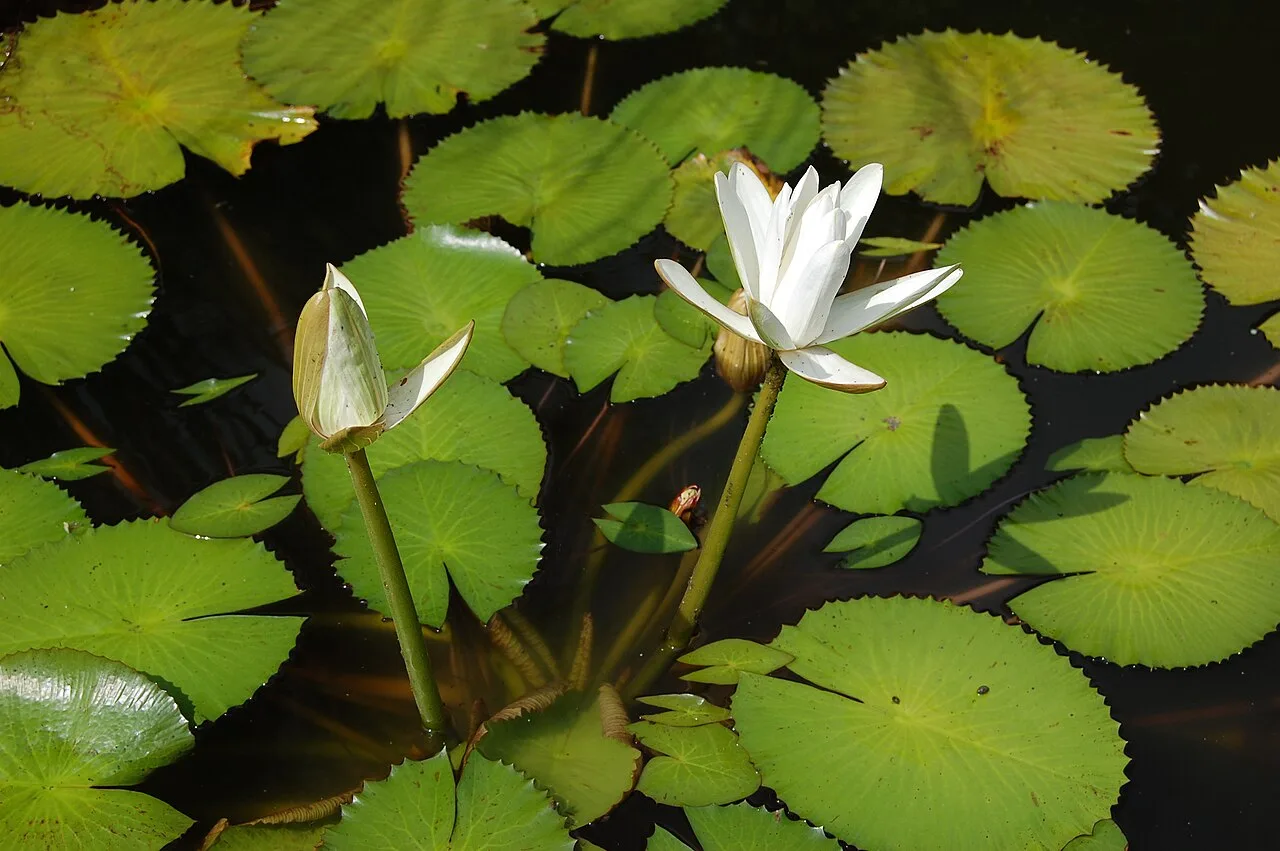 Single source
Nymphaea lotus
A bulb plant with large, spotted underwater leaves and occasional floating leaves. It becomes a specimen, not background mass.
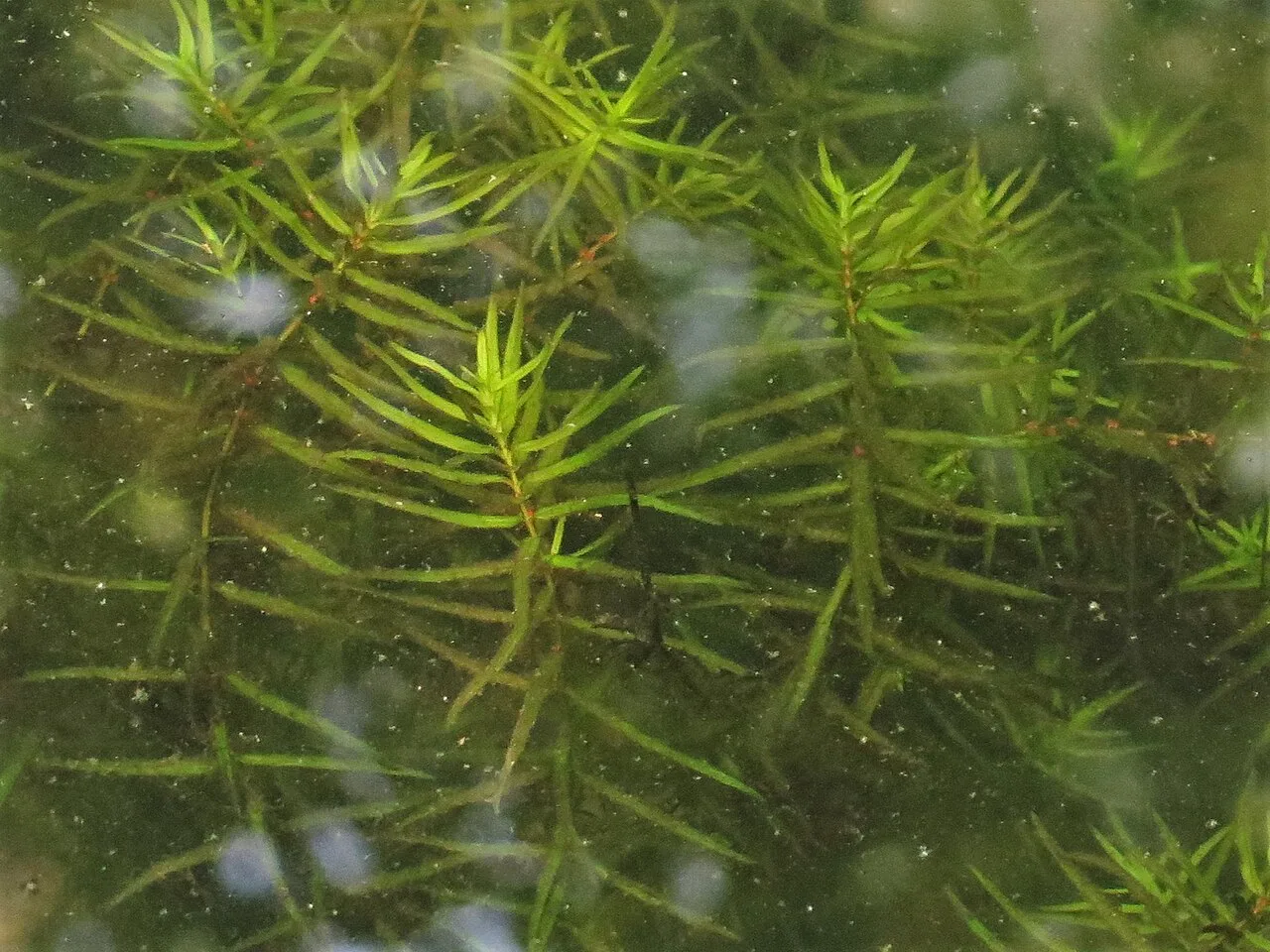 Single source
Didiplis diandra
A fine stem plant with very narrow leaves. Under strong light it stays dense and can show copper tips.
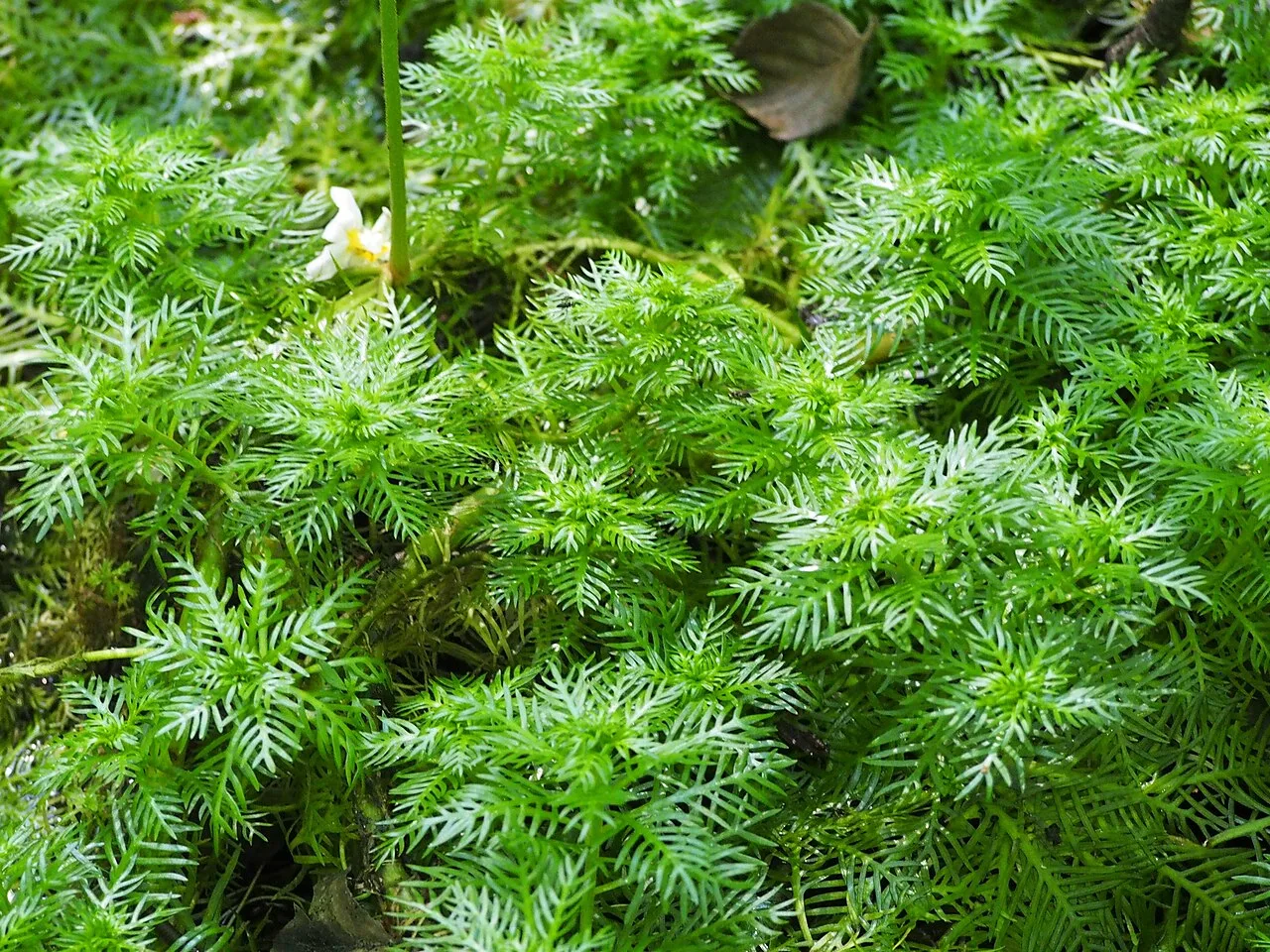 Single source
Hottonia palustris
A finely divided plant of cool, clear water. In a warm tropical tank it falls apart. A flower can grow above the surface.
 Single source
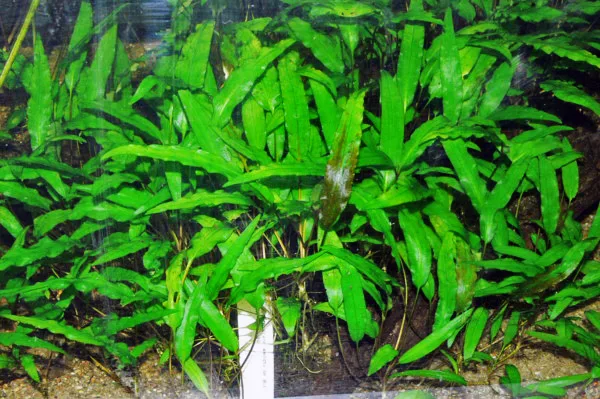
Cryptocoryne wendtii
A rosette from Sri Lanka, named after Albert Wendt. There is no German species page. The German genus article on Cryptocoryne adds crypt melt.
 Single source
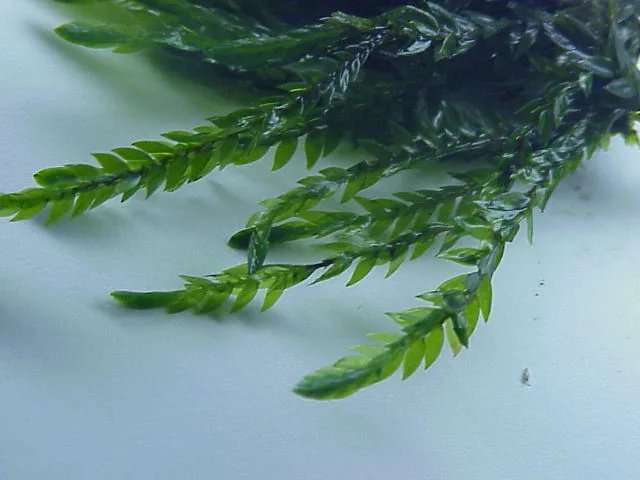
Fontinalis antipyretica
A moss of cool, clear water. It grows on stone and wood and falls apart in a warm tropical tank.