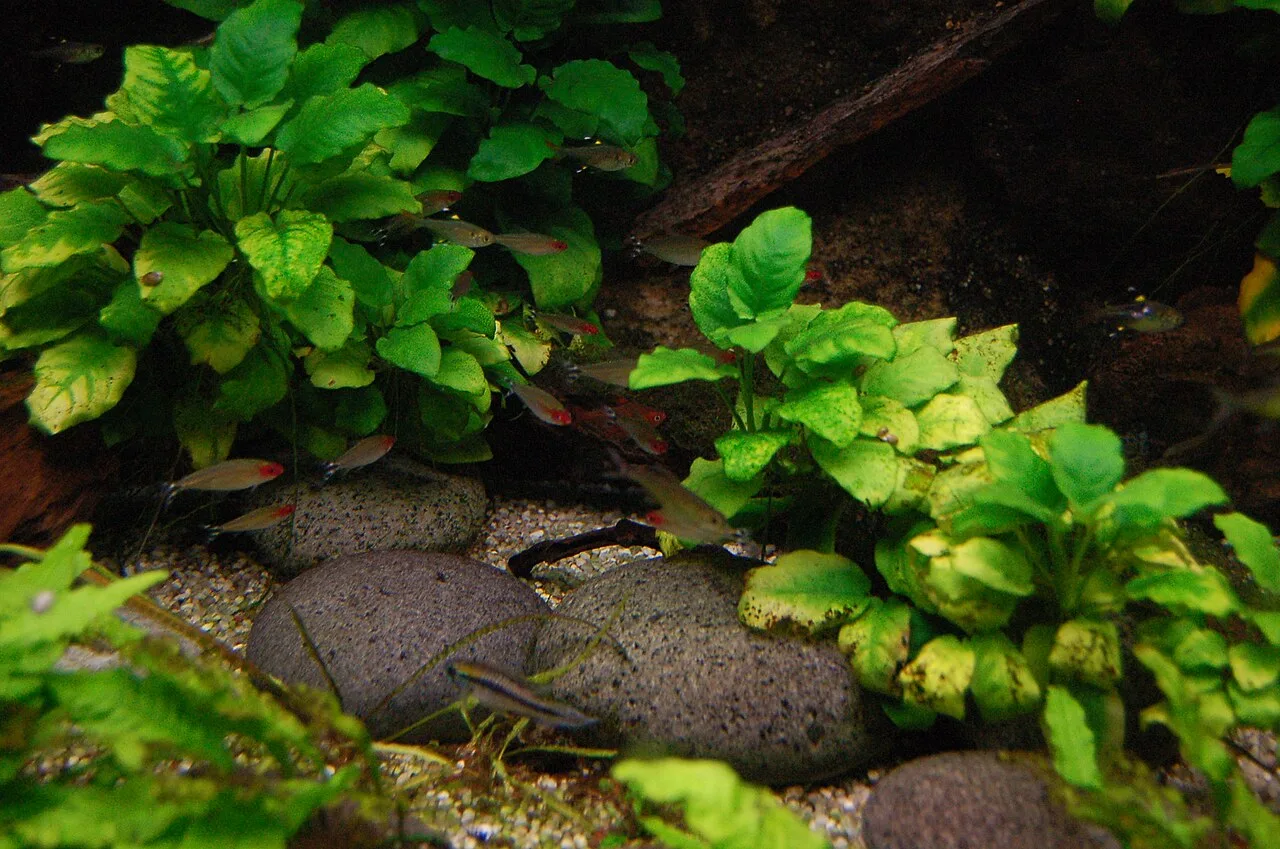
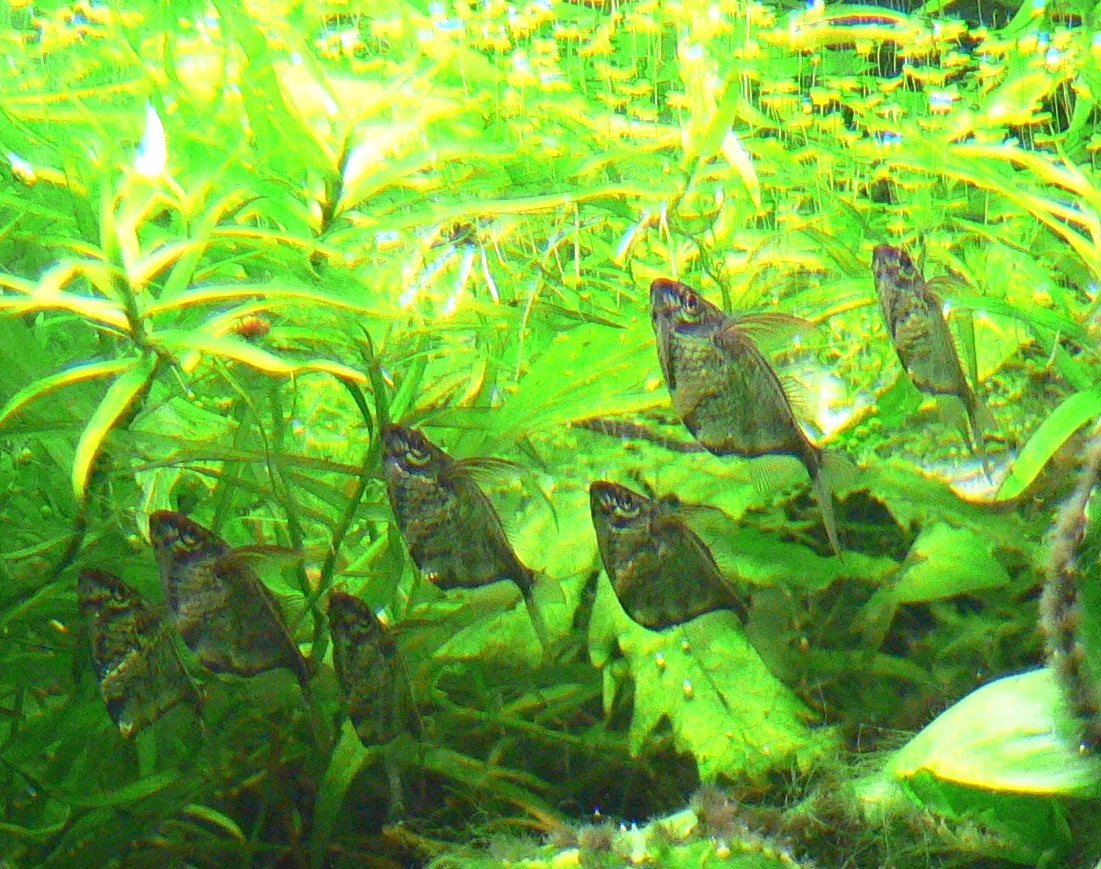
Gold tetra
Hemigrammus rodwayi
2 views
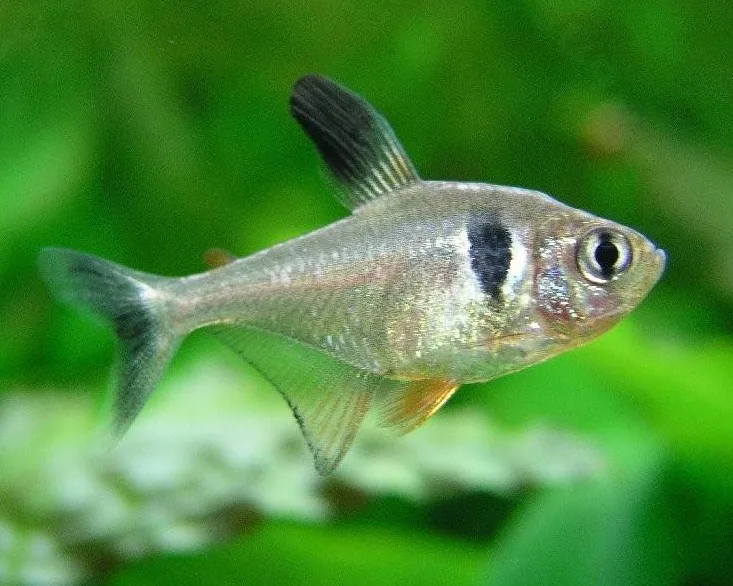
A small tetra with a golden sheen and a dark spot at the tail base. Captive-bred fish are usually paler than wild ones.
- Temperature
- 24 – 28 °C
- pH
- 5.5 – 7.5 pH
- General hardness
- 2 – 12 °dH
- Maximum size
- 5 cm
- Minimum group size
- 8
- Minimum tank size
- 80 L
2 min read · 202 words
Quick facts
Place in the aquarium
Highlighted are the water layer and the spots where the species usually stays in the tank.
- Middle water Usually stays in the middle of the tank, between bottom and surface.
- Open swimming space Needs an open area without plants or decor to swim at length. Tank length matters more than height.
Shrimp in the tank
Shrimplets at risk
- Not shrimp safe
- Dwarf shrimp at risk
- Shrimplets at risk
- Shrimp safe
- Adult dwarf shrimp
- Safe
- Shrimplets
- Get eaten
- Safe from shrimp size
- about 1.5 cm
Adult dwarf shrimp are safe with the gold tetra. It reaches about 5 cm, the mouth is small, and it feeds in midwater. Shrimp from about 1.5 cm are too large. Newly hatched juvenile shrimp are eaten, however, when they drift freely in the water.
With moss, fine plants and leaf litter on the bottom, enough young grow up to keep a group of Neocaridina or Caridina going.
Home & range
Hatched countries are where the species occurs. It lives in particular waters there, not across the whole country. The points name known waters for orientation, not collection sites.
- Country of origin
- Water for orientation
Native
Overview
Hemigrammus rodwayi reaches about 5 cm. The body is pale with a dark spot on the caudal peduncle, and the fins carry red tips. Many wild fish carry a golden layer on the scales. It forms as the skin's defence against a skin parasite and is not a cultivated form. Captive-bred fish without that infection stay silvery.
The fish is not ill just because it shines golden, and it has not lost colour just because it turns paler in the tank.
Origin & habitat
This describes the origin, not how to furnish the aquarium.
Coastal waters in northern South America and parts of the Amazon basin. The countries stay a coarse origin. Soft, slightly acidic water and plants match that.
Care
School
24 to 28 °C, pH 5.5 to 7.5. A group from eight, tanks from about 80 litres. Plants, subdued light, a dark bottom.
Company
Small, peaceful tetras, corydoras, dwarf cichlids. Very fast fish push it away from the food.
Diet
Omnivore. Flakes, fine granules, brine shrimp, cyclops, mosquito larvae. Several small feeds.
Behavior
A peaceful school in midwater. Single fish or groups that are too small stand shyly in the plant thicket.
Reproduction
Egg scatterer without brood care. The eggs are laid in fine plants and eaten by the parents. Young can be raised in a separate setup with soft water.
Gallery
More species in this group
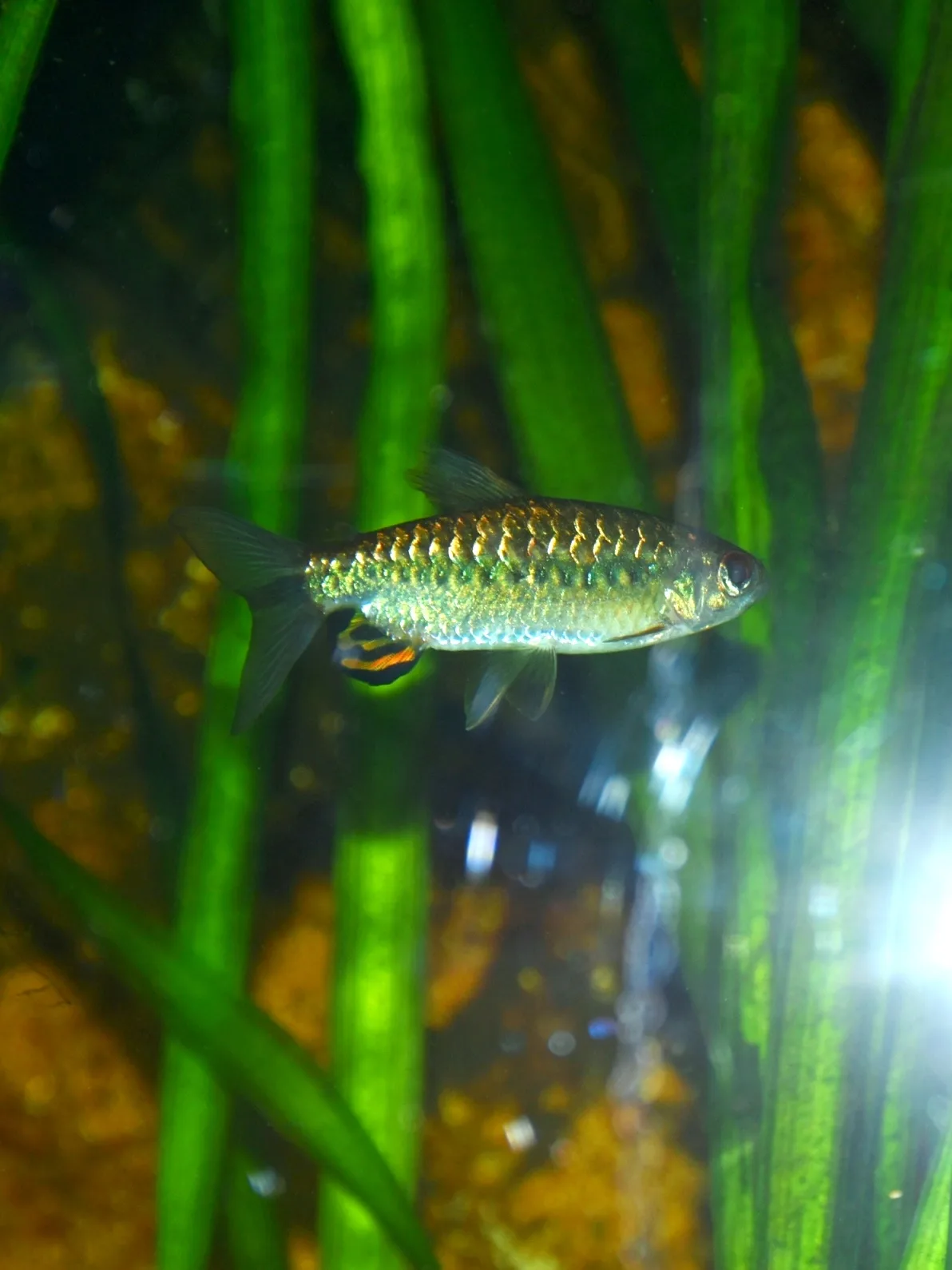
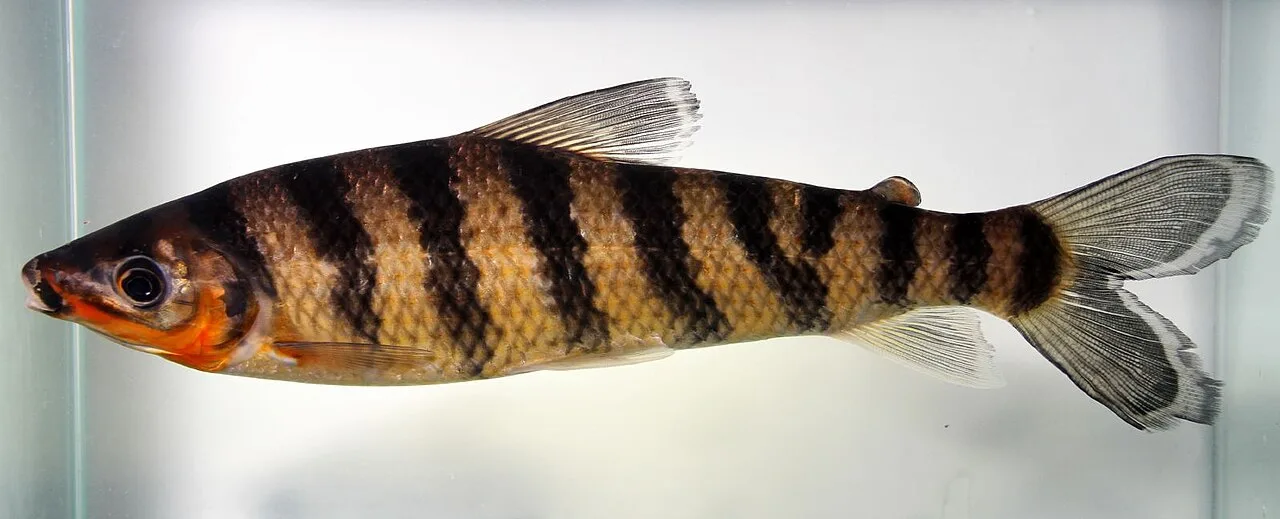



Similar water needs
Species with a similar temperature, a similar pH and a comparable adult size. Whether their behaviour fits as well is what the compatibility check is for.