
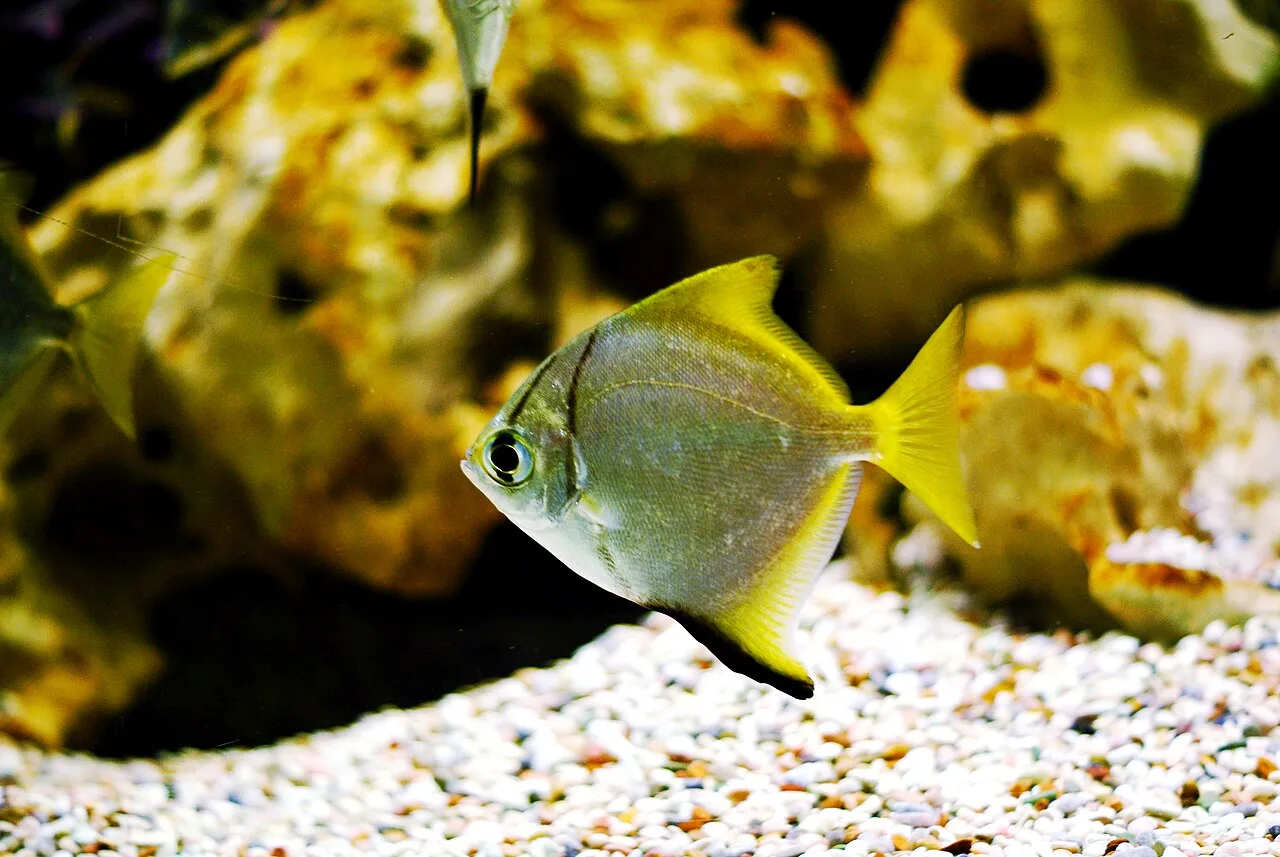
 Single source
Monodactylus argenteus
Silver moony
A schooling fish to 25 cm. Too large for a usual home tank if the school is missing.
- Maximum size 25 cm
- Social behavior Schooling
Encyclopedia
Published aquarium profiles with a photo, an origin and the values a source actually gives.
219 species
Single source
Monodactylus argenteus
A schooling fish to 25 cm. Too large for a usual home tank if the school is missing.
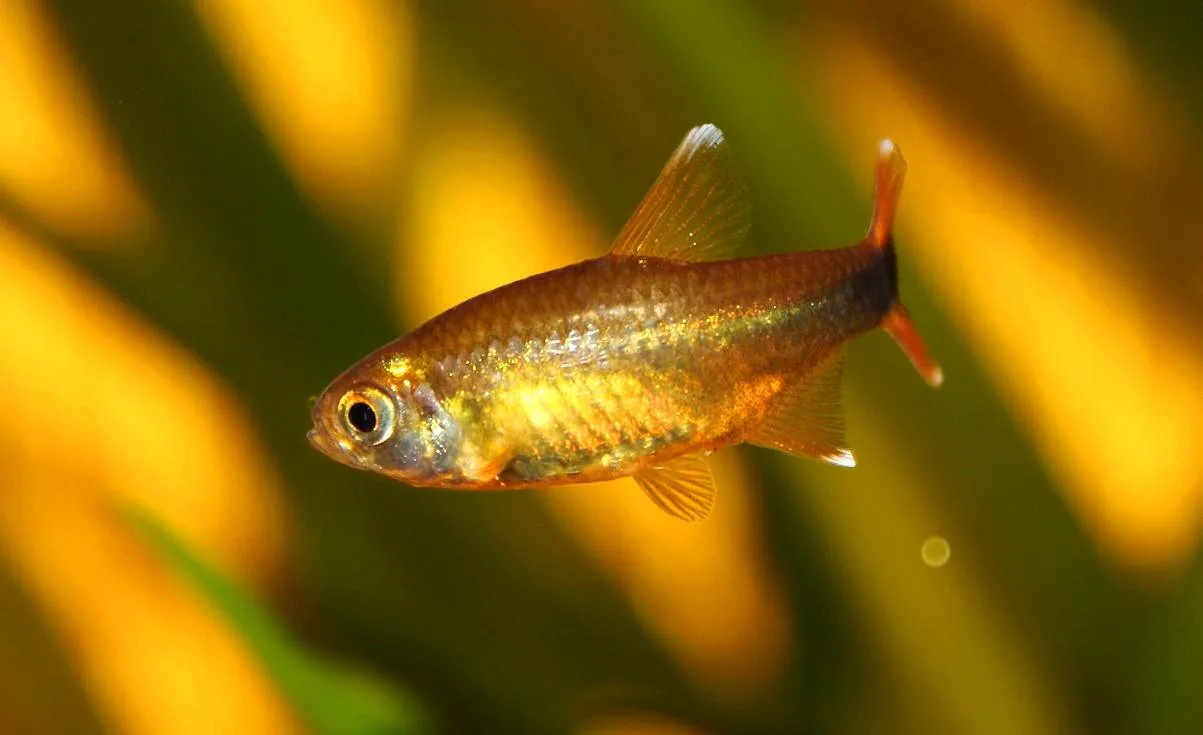 Single source
Hasemania nana
A peaceful schooling tetra to about 5 cm. Males show the copper sheen the species is named for.
 Single source
Paracheirodon simulans
A small tetra with a blue-green stripe along the whole body. Shops often call it the green neon. In this catalogue that is a different fish.
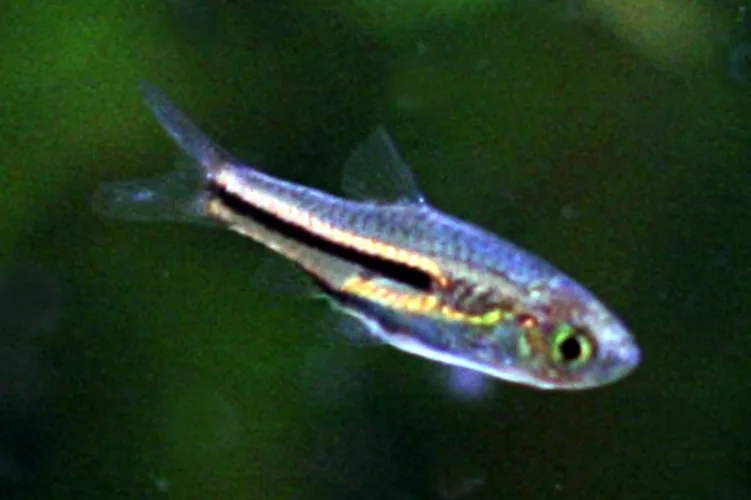 Single source
Trigonostigma somphongsi
A rasbora from Thailand, to 3 cm, males smaller. Not Trigonostigma heteromorpha.
 Single source
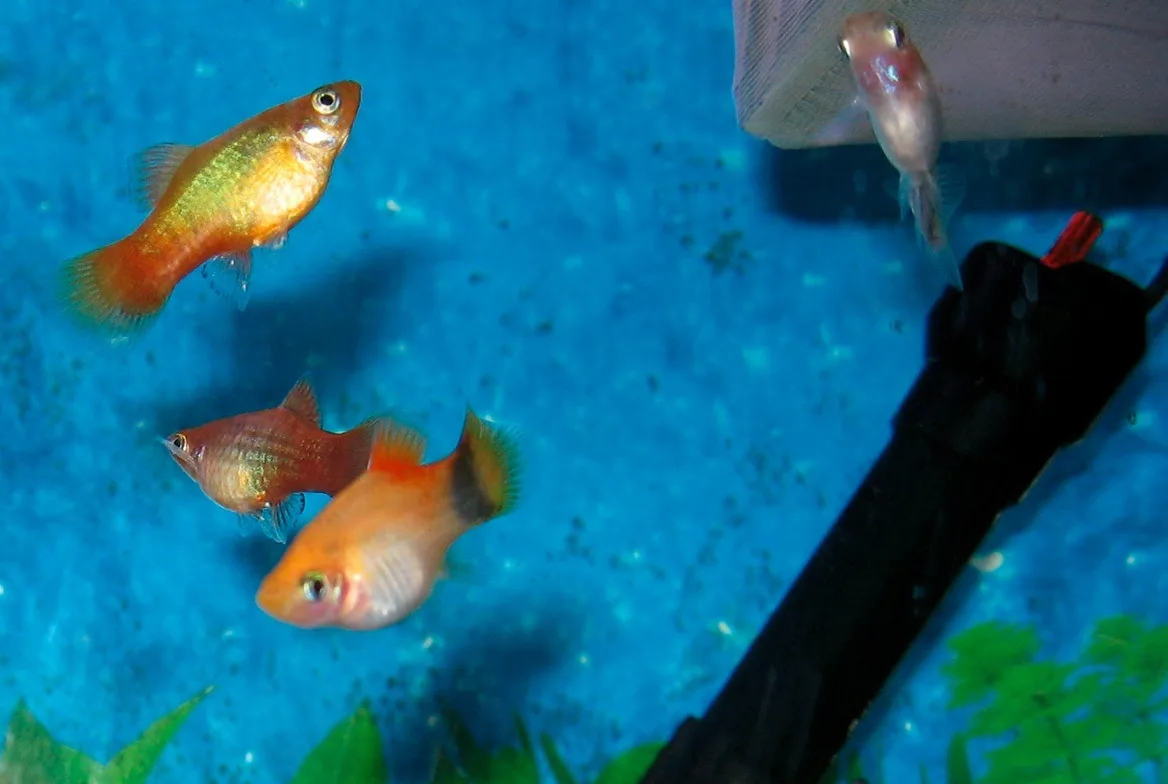
Xiphophorus maculatus
Livebearing toothcarp from the Atlantic side of Central America. Many fish in the trade are not pure wild strains.
 Single source
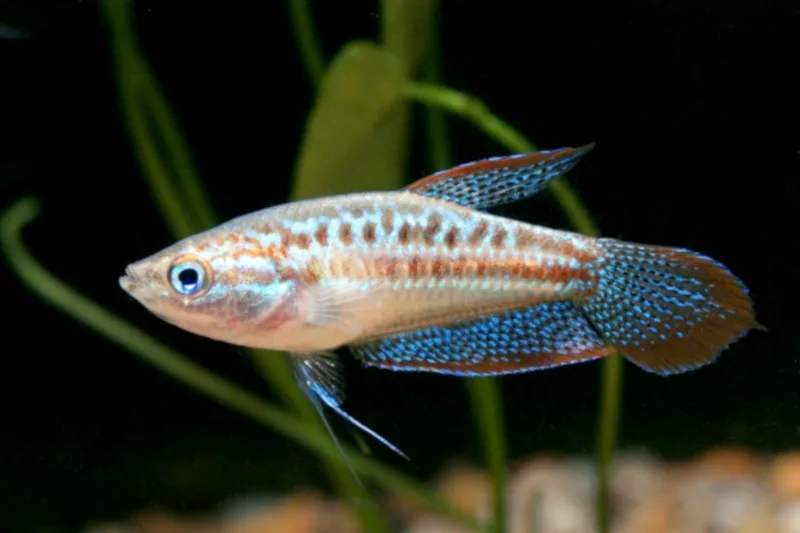
Trichopsis pumila
A very small labyrinth fish that growls audibly while courting. It belongs in a quiet, finely furnished tank, not among busy barbs.
 Single source
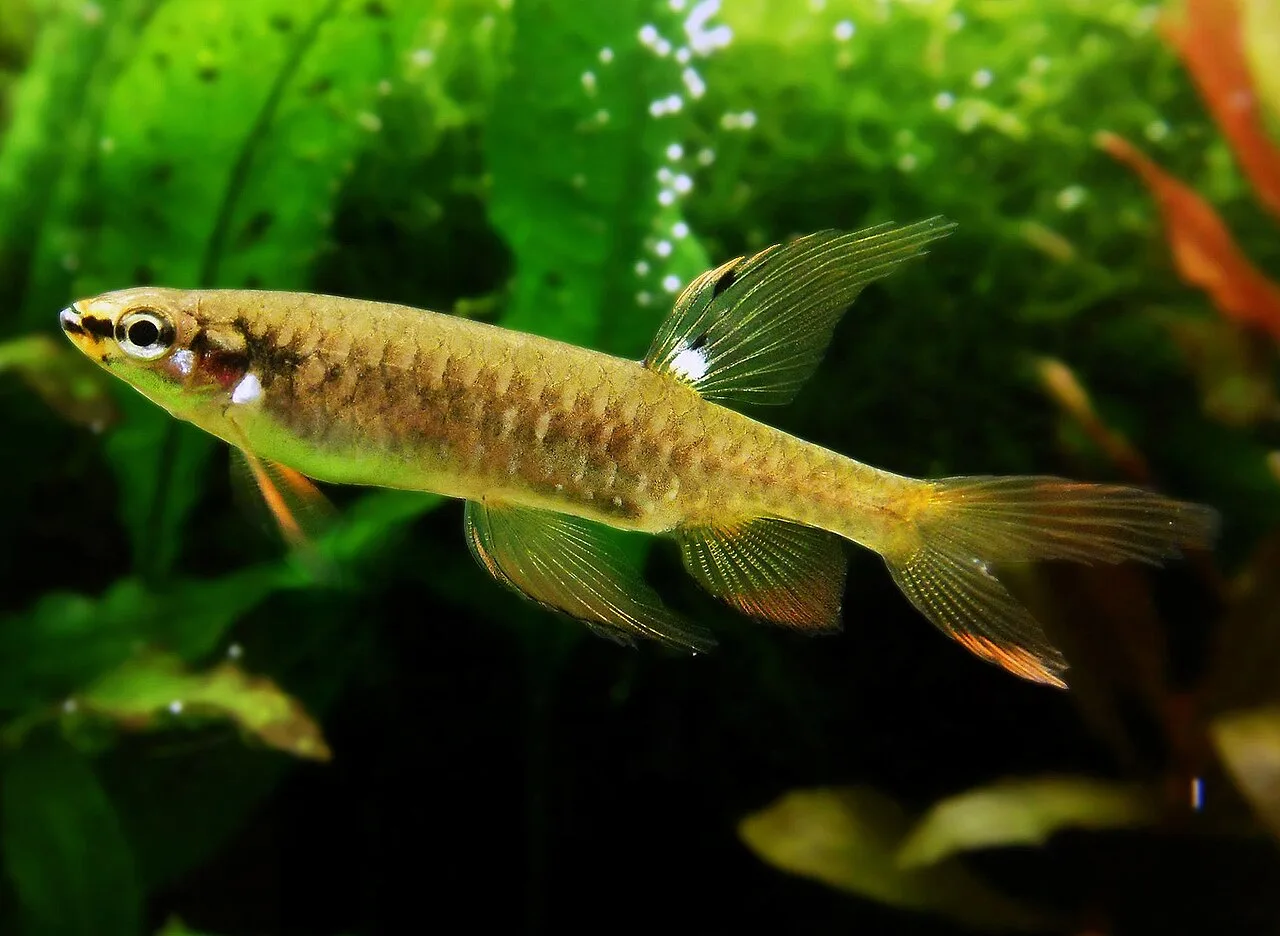
Copella arnoldi
A slender tetra that attaches its eggs to a leaf above the waterline and has the male keep them wet.
 Single source
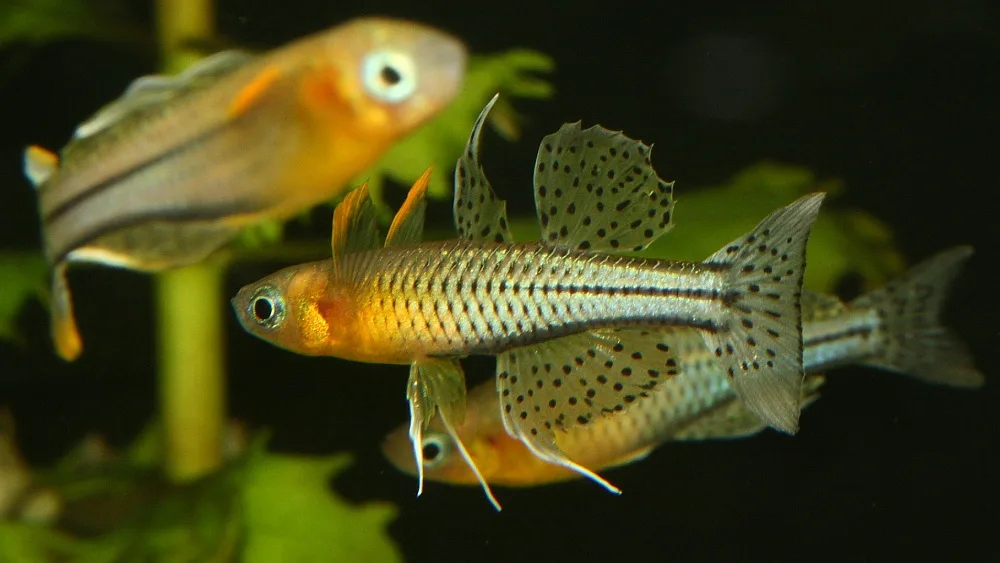
Pseudomugil gertrudae
A blue-eye of about 3 cm. 12 to 34 °C and pH 3.7 to 9.4 are the span of the sites, not a care optimum.
 Single source
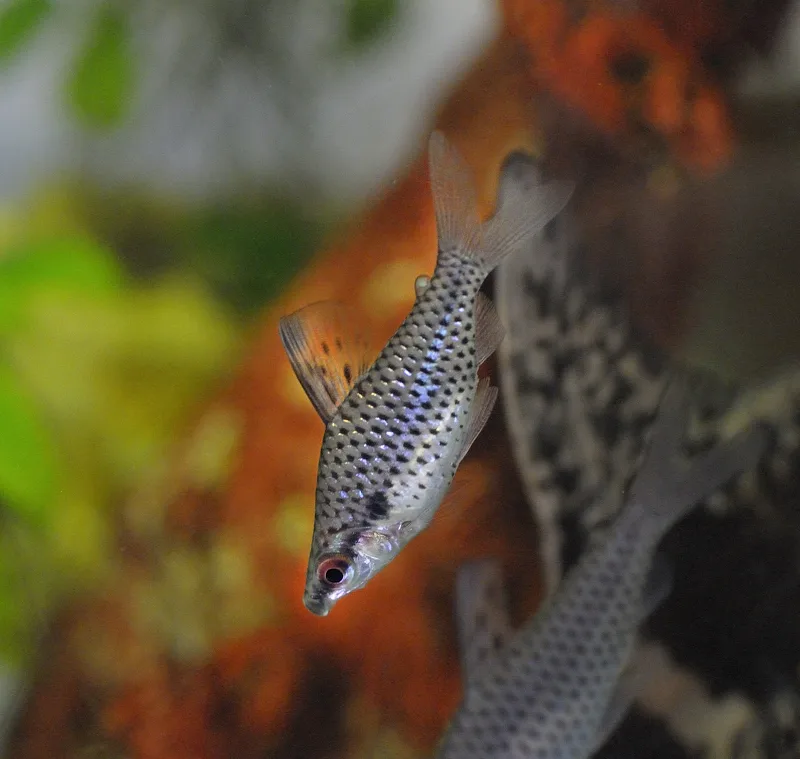
Chilodus punctatus
A tetra that stands head-down at an angle. It stays smaller than the striped headstander and searches the bottom.
 Single source
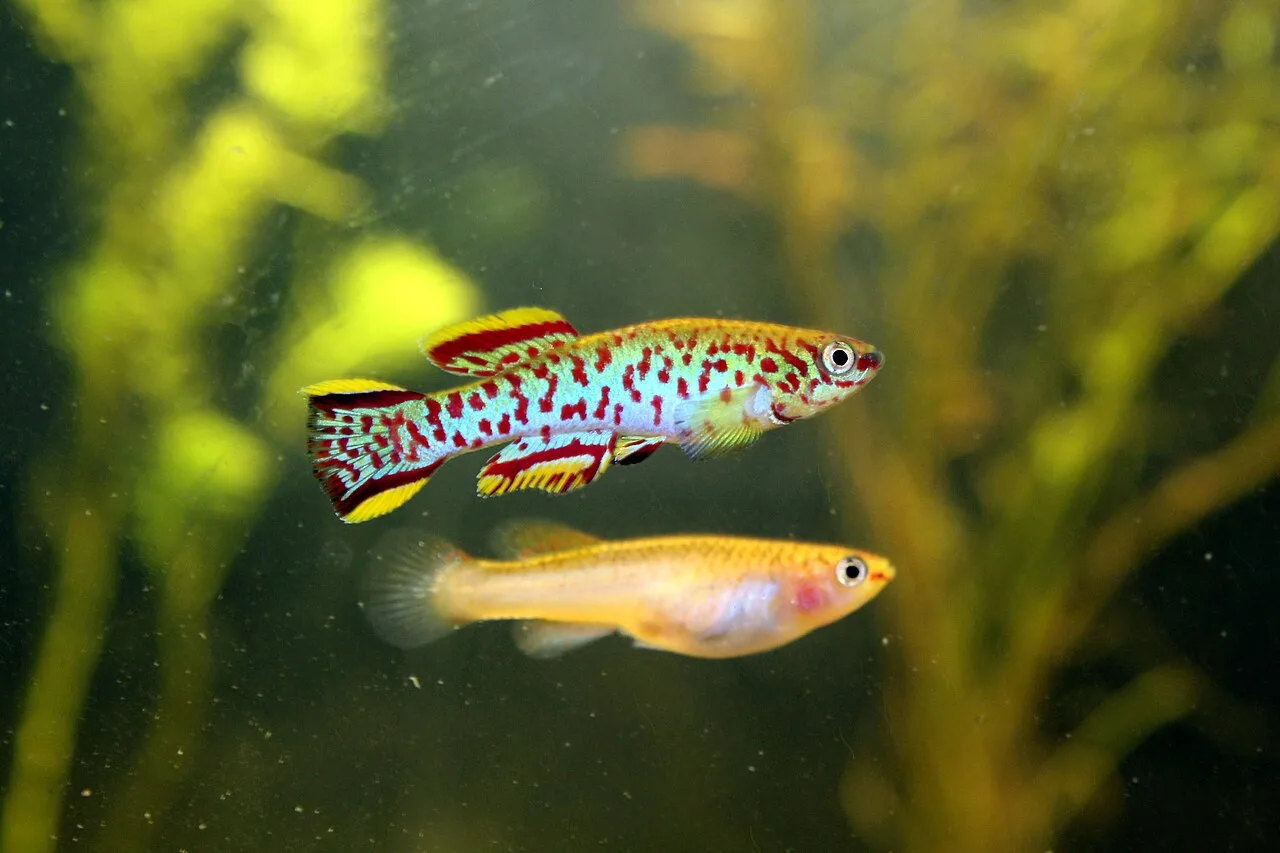
Fundulopanchax gardneri
A killifish from Nigeria and southwestern Cameroon, to 6.5 cm. Four recognised subspecies stay one species.
 Single source
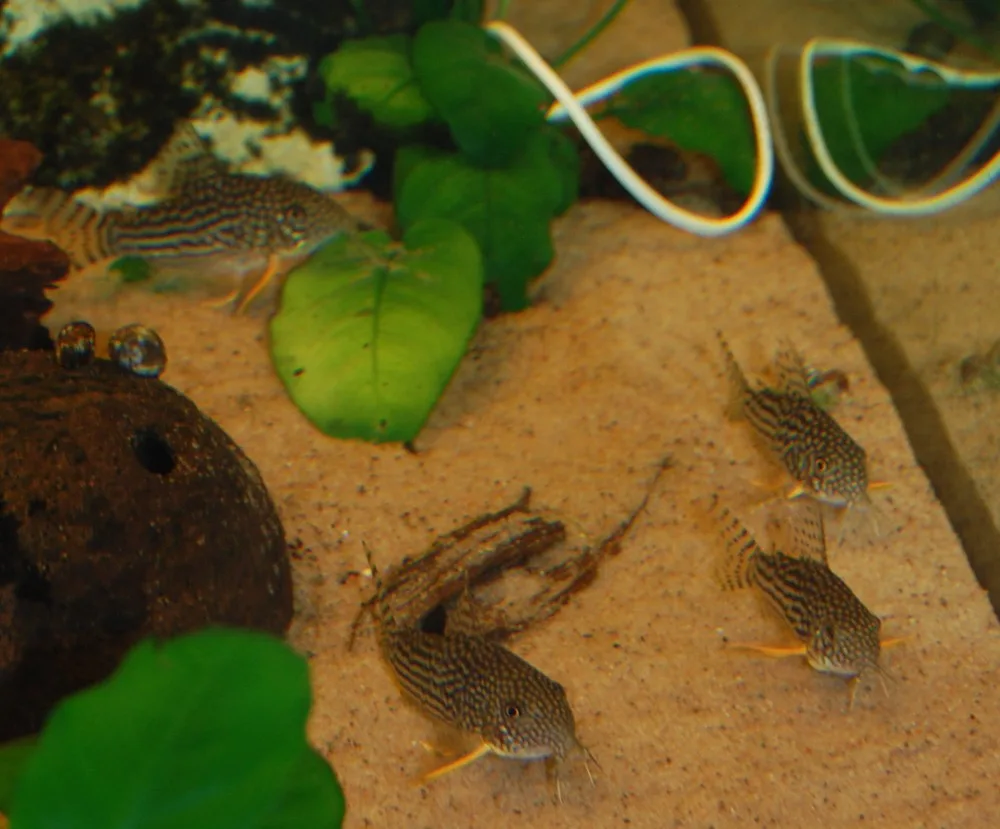
Hoplisoma sterbai
A freshwater cory from the upper Guaporé. The accepted name is Hoplisoma sterbai (Knaack, 1962), and Corydoras sterbai is the synonym. Orange-fin cory and yellow-fin cory are trade names.
 Single source
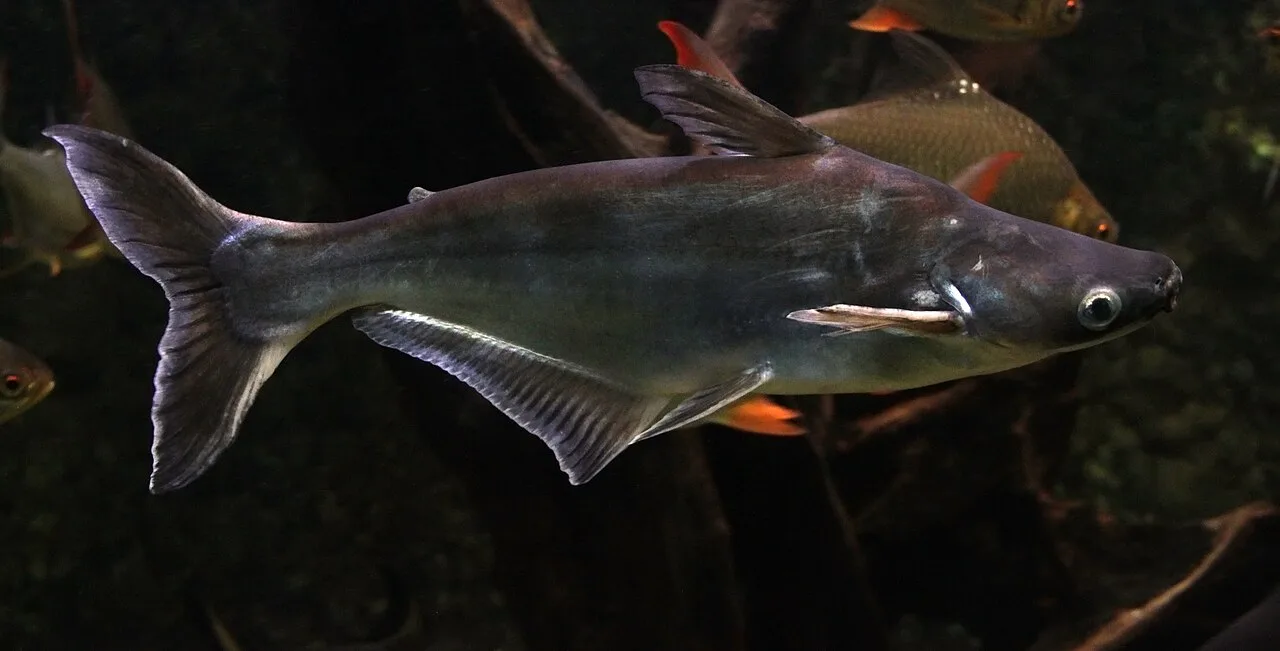
Pangasianodon hypophthalmus
A shark catfish, to 150 cm and 44 kg. Unsuited to home aquariums, although juveniles are sold as shark catfish. Pangasius bocourti is another species.
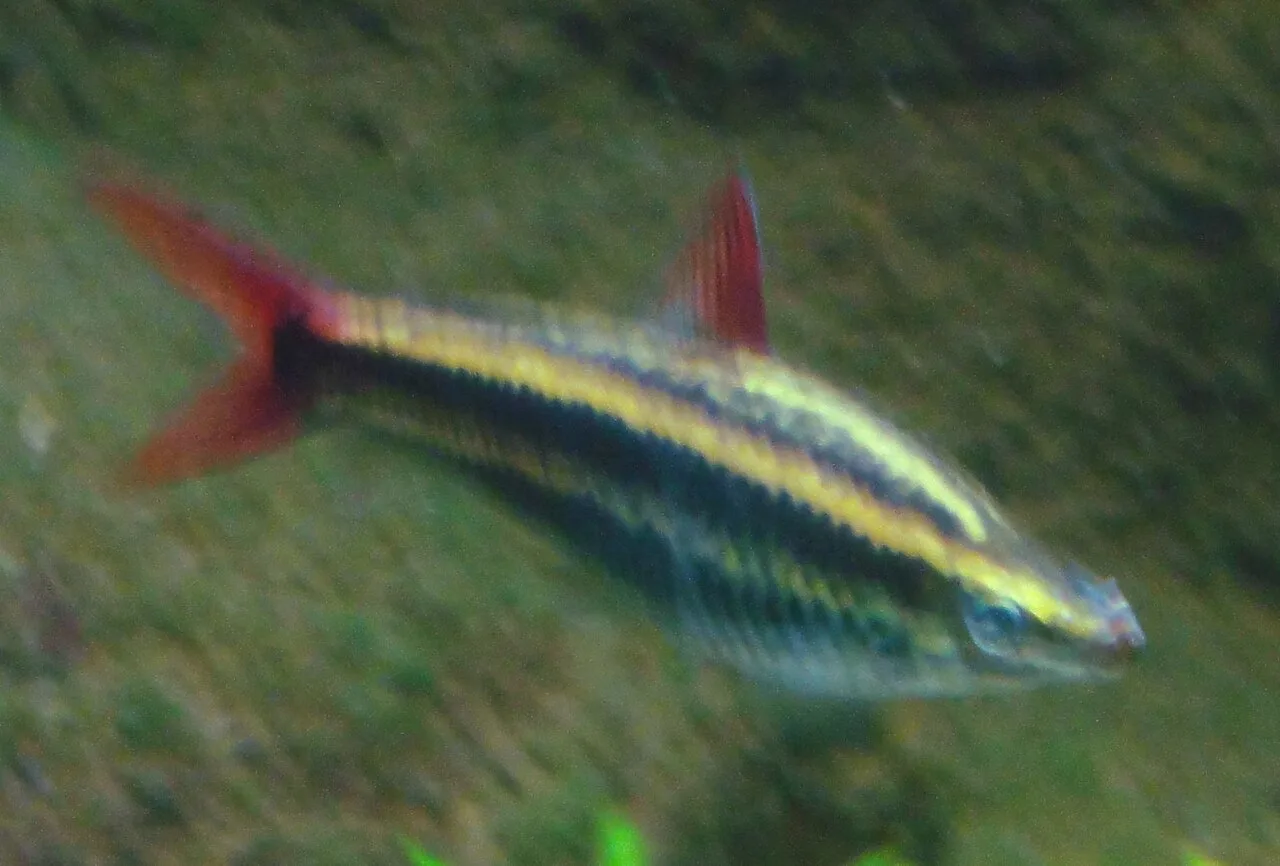 Single source
Anostomus anostomus
A headstander, 16 to 18 cm, the type species of the genus.
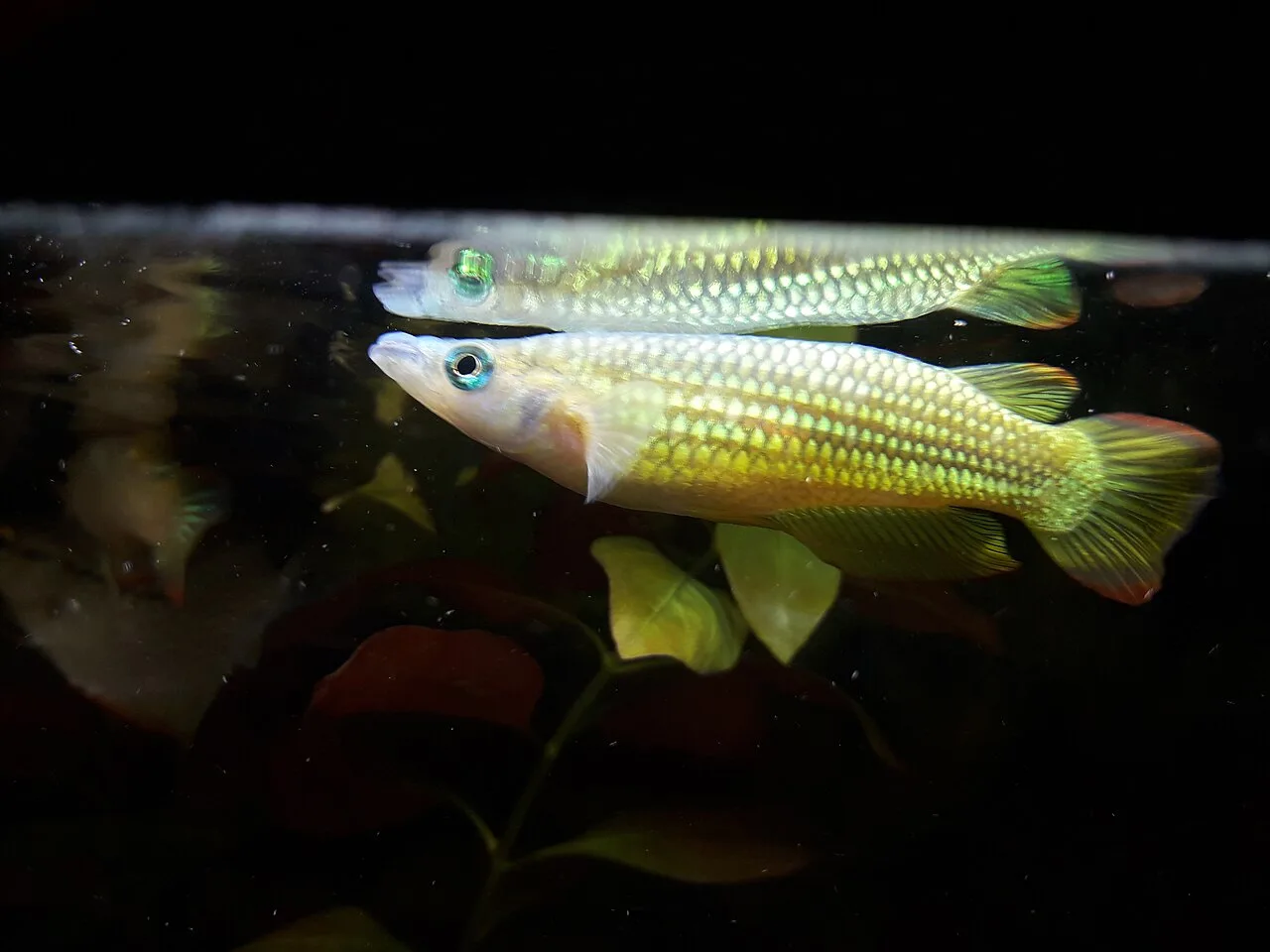 Single source
Aplocheilus lineatus
A surface hunter from India and Sri Lanka. It grows larger than a dwarf rasbora and eats what comes to the surface.
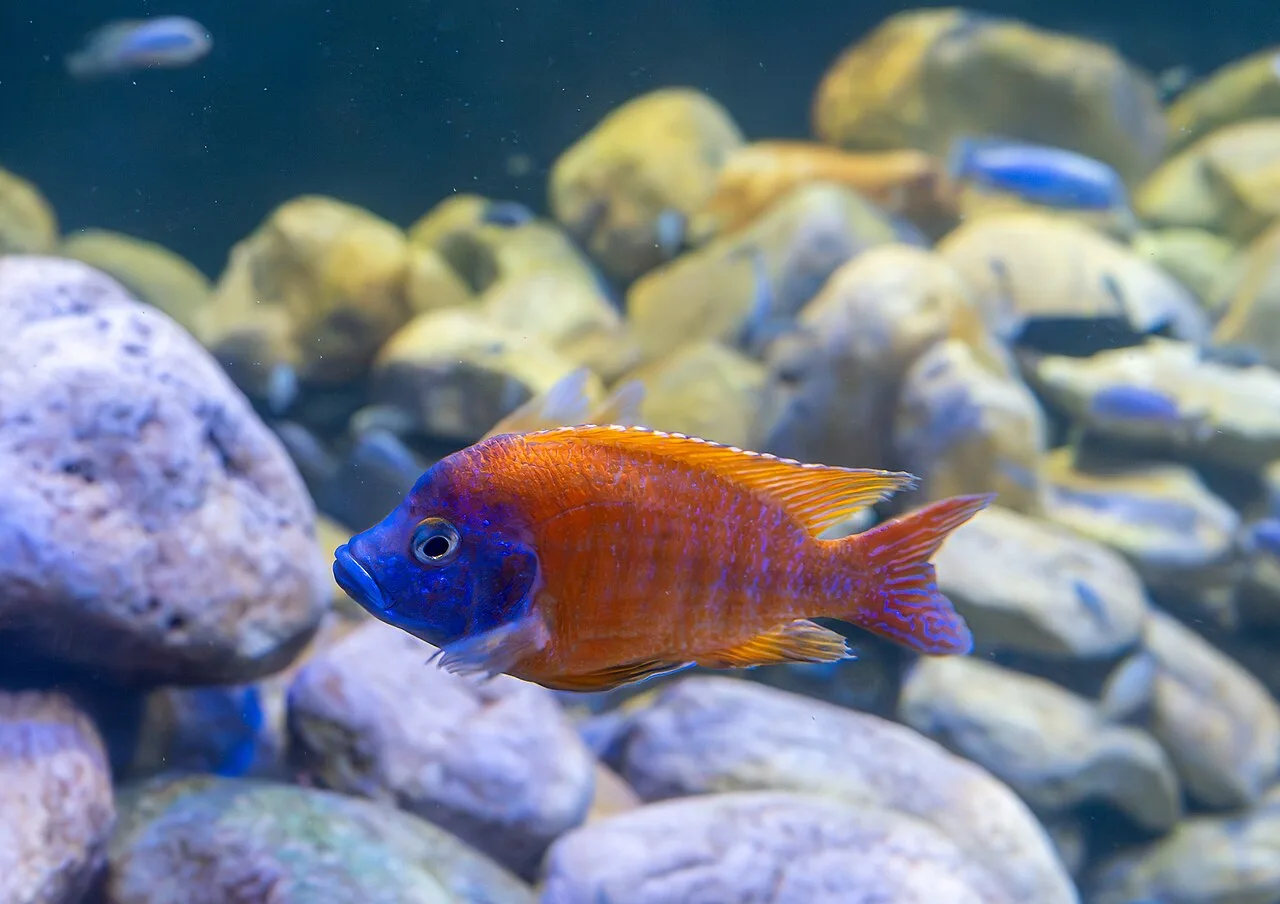 Single source
Aulonocara baenschi
A mouthbrooding peacock from a small rock area of Lake Malawi. The yellow males need sand, a territory and several females.
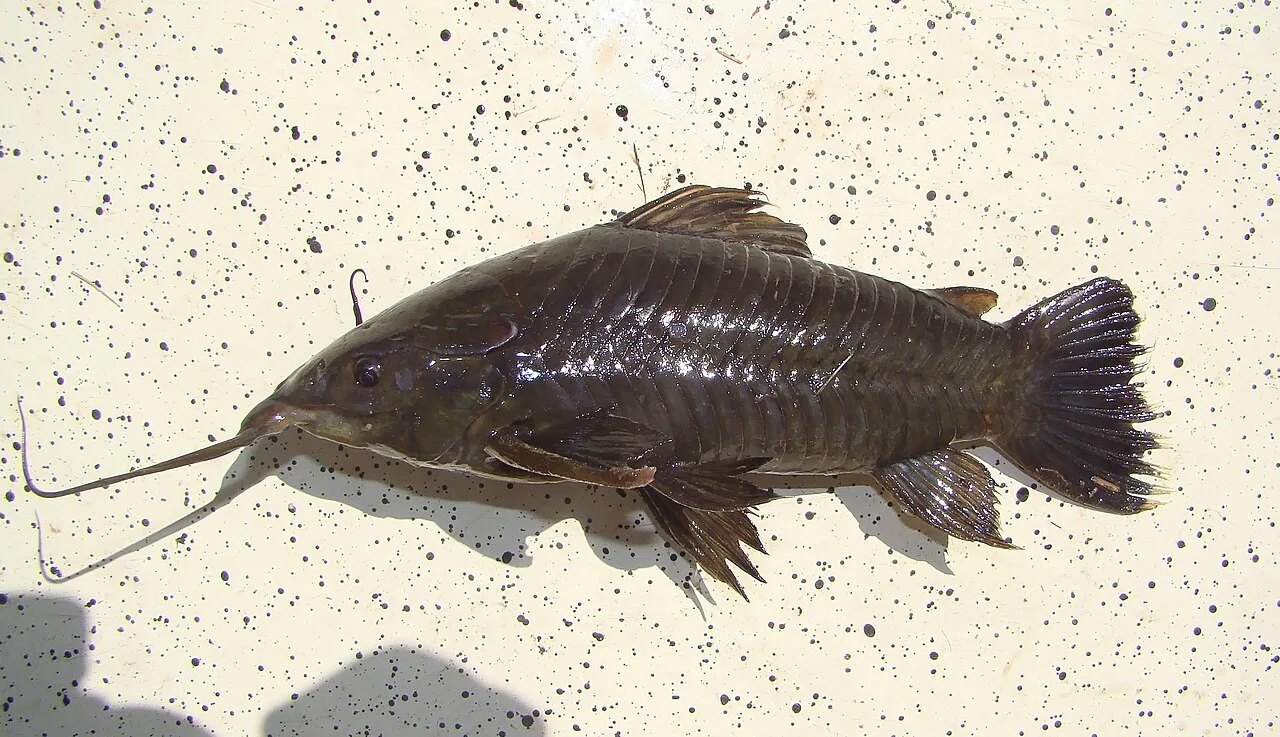 Single source
Hoplosternum littorale
A hoplo, to 24 cm. Colour morphs are not species. Trinidad is the only origin state named as such.
 Single source
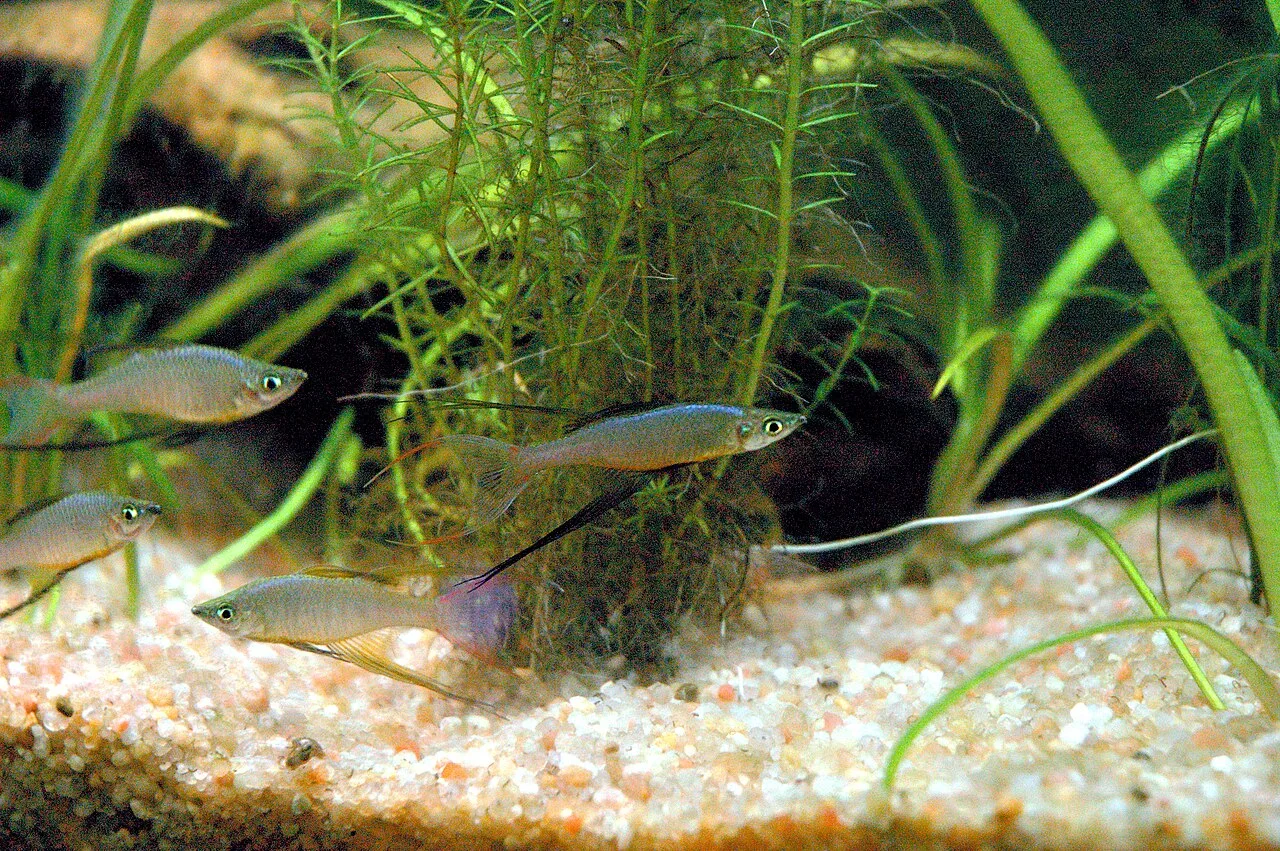
Iriatherina werneri
A small rainbowfish of clear, plant-rich water. In the habitat, 22 to 30 °C and pH 5.2 to 7.5 were measured.
 Single source
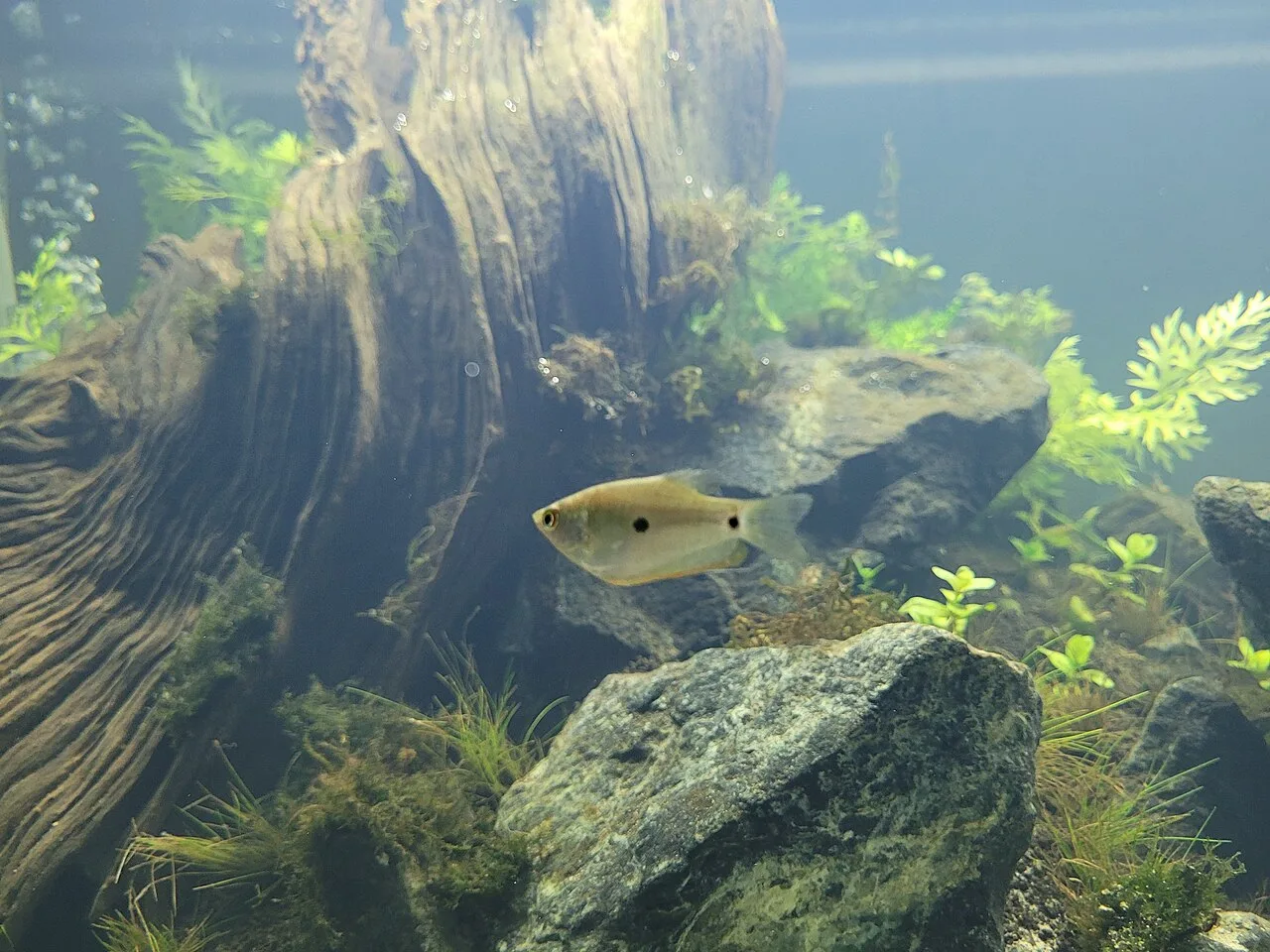
Trichopodus trichopterus
A labyrinth fish with two dark spots and the eye as a third point. It grows larger and more decided than a dwarf gourami.
 Single source
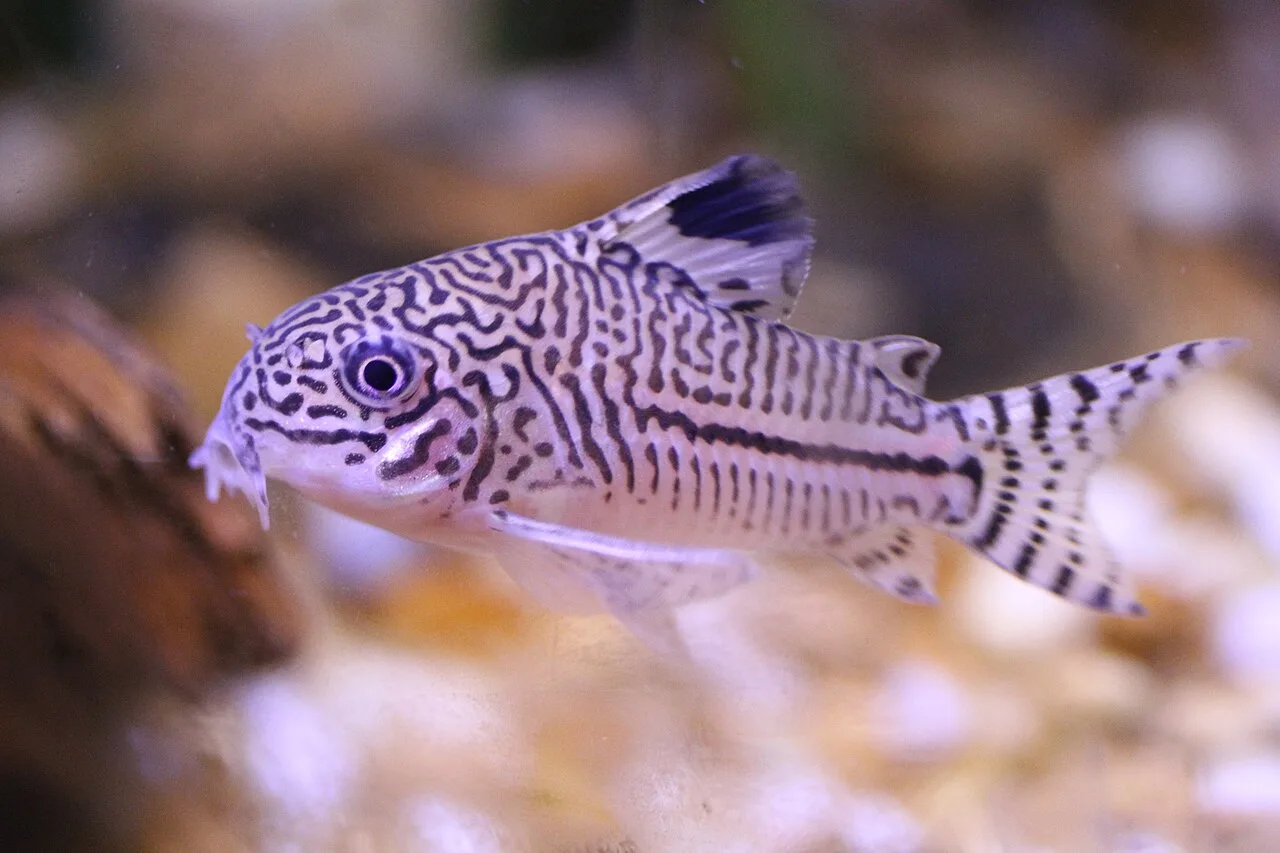
Hoplisoma trilineatum
A cory from Peru and Ecuador. Not Hoplisoma julii and not Brochis leopardus. Corydoras trilineatus is the synonym.
 Single source
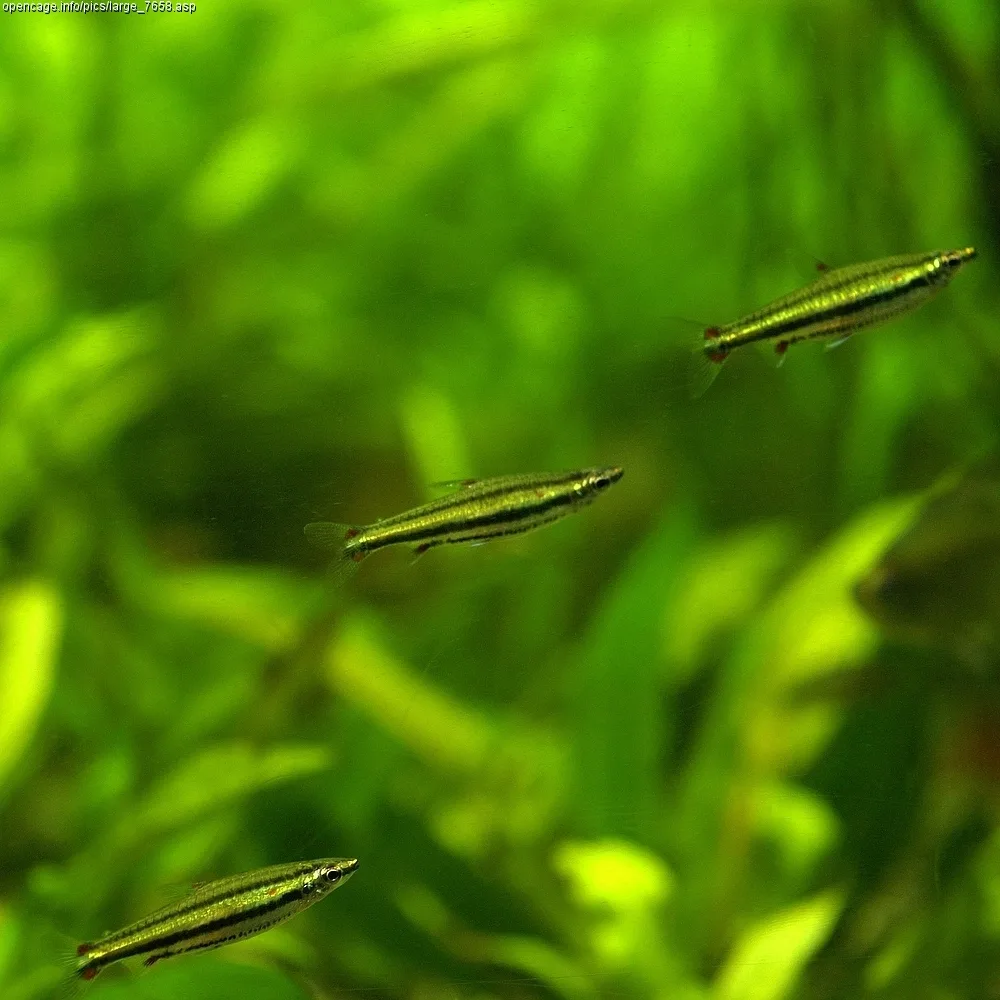
Nannostomus trifasciatus
A slender pencilfish with three dark bands and red patches. It stands quietly among plants and needs a group.
 Single source
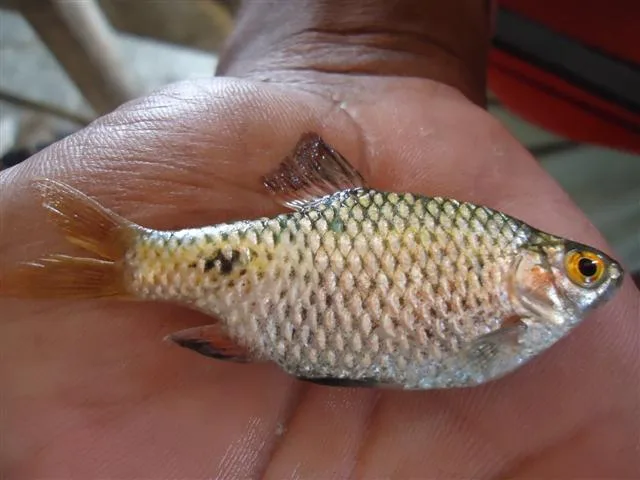
Pethia ticto
A small barb from South Asia with two dark spots. The males redden when courting. The group has to be large enough.
 Single source
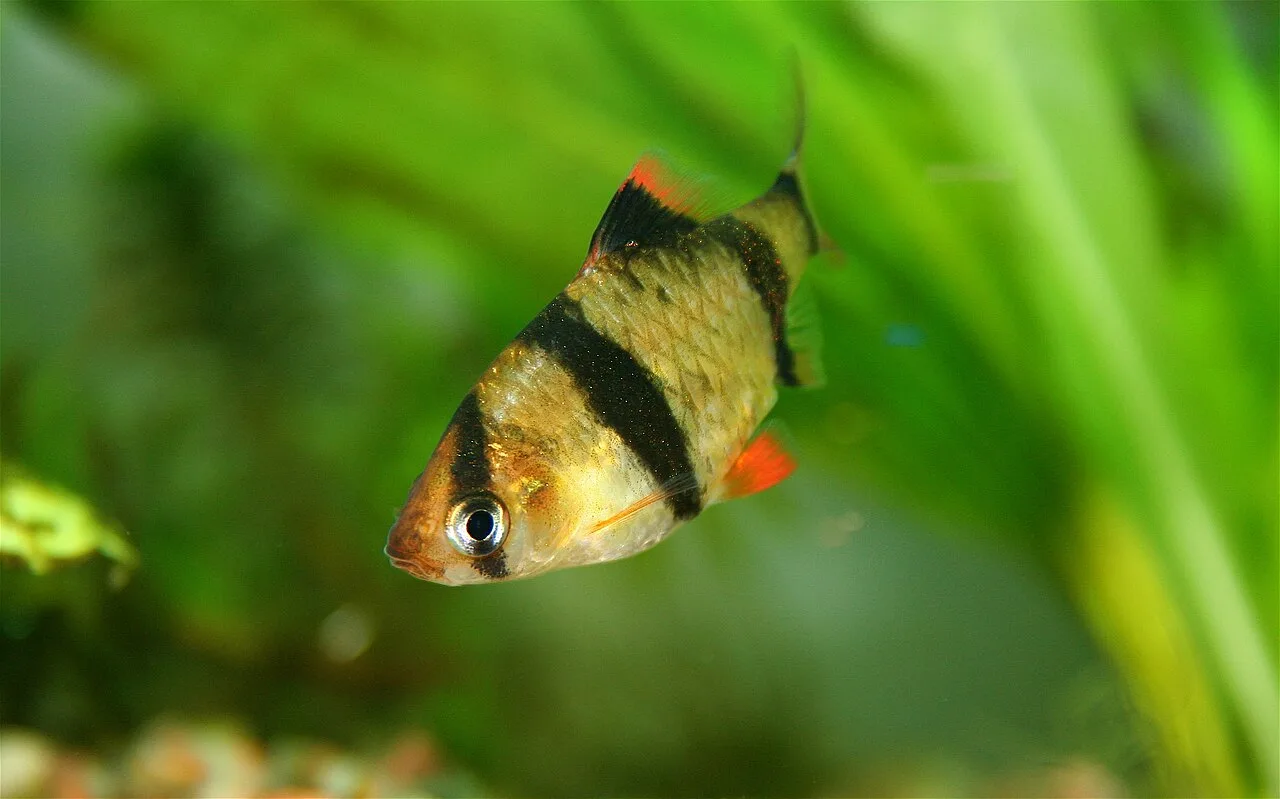
Puntius tetrazona
The barred barb of the trade. The article that was read treats it as scientifically undescribed and says it does not occur on Sumatra.
 Single source
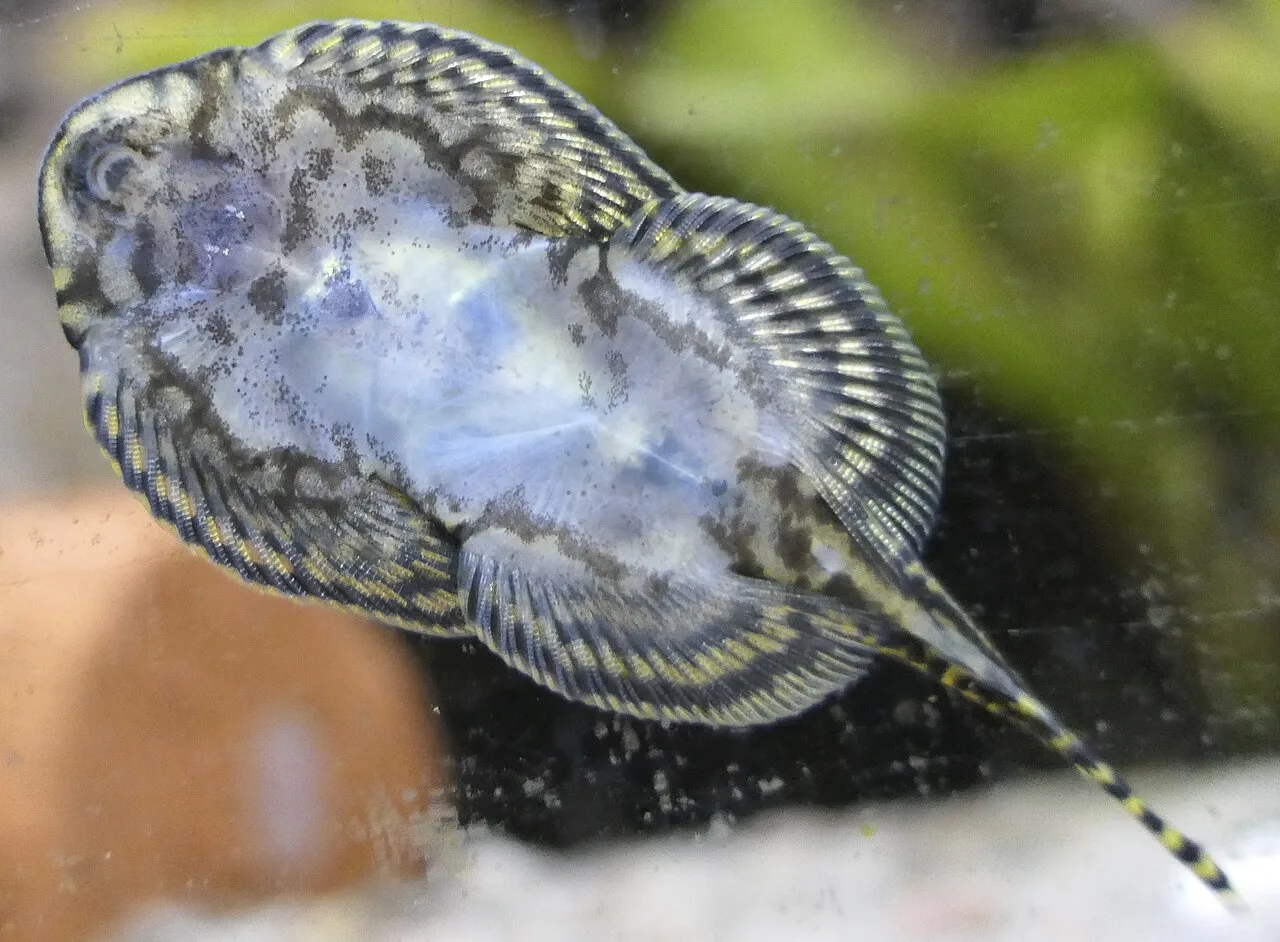
Sewellia lineolata
A hillstream loach from China, Cambodia and mainly Vietnam. The text that was read gives no body length.
 Single source
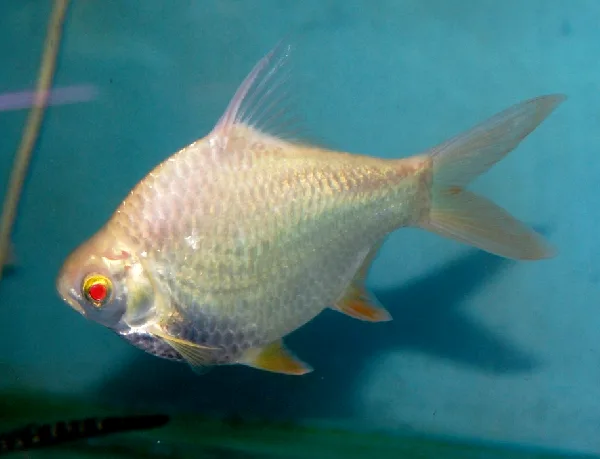
Barbonymus schwanenfeldii
A large, silvery barb with red fins. It grows far beyond the juvenile in the shop and eats plants.
 Single source
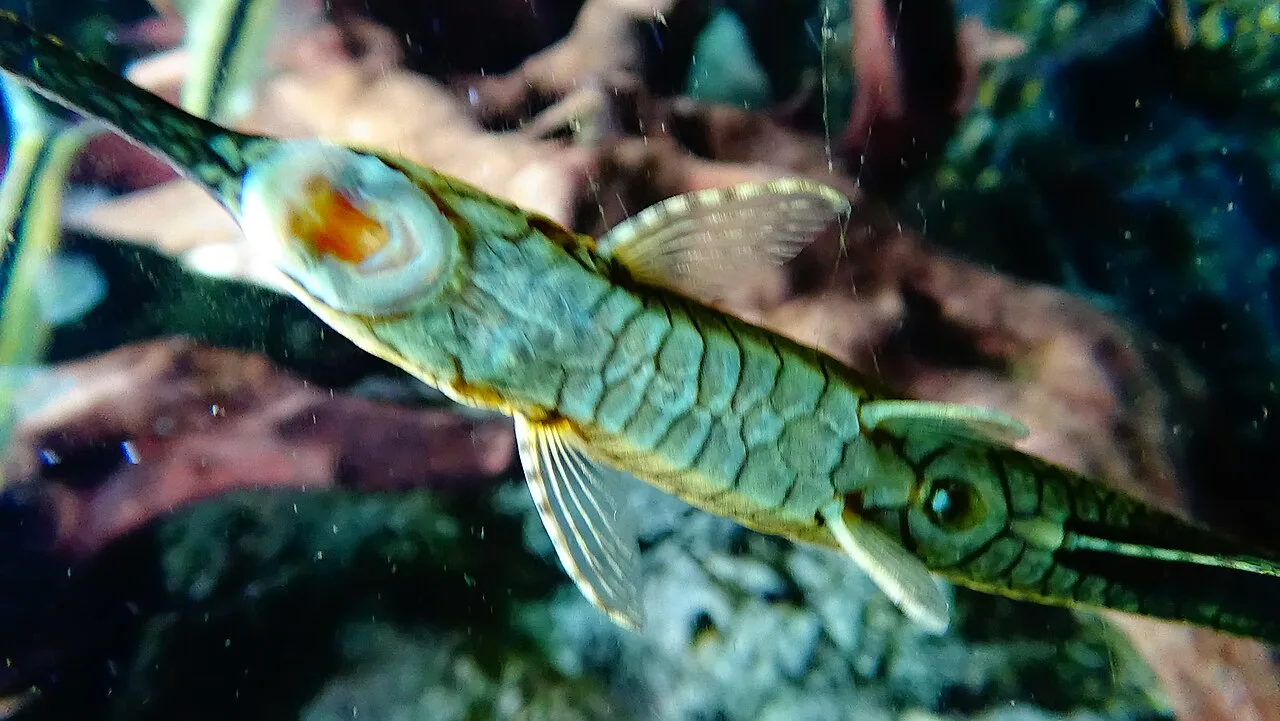
Farlowella acus
An extremely slender suckermouth catfish that looks like a twig. It eats aufwuchs, needs oxygen and is not a glass cleaner for a new tank.
 Single source
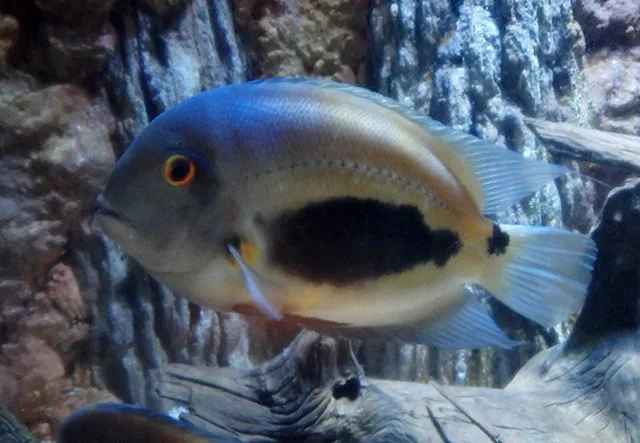
Uaru amphiacanthoides
A tall, quiet cichlid from the Amazon. It grows large, eats plants and needs warmth and a group.
 Single source
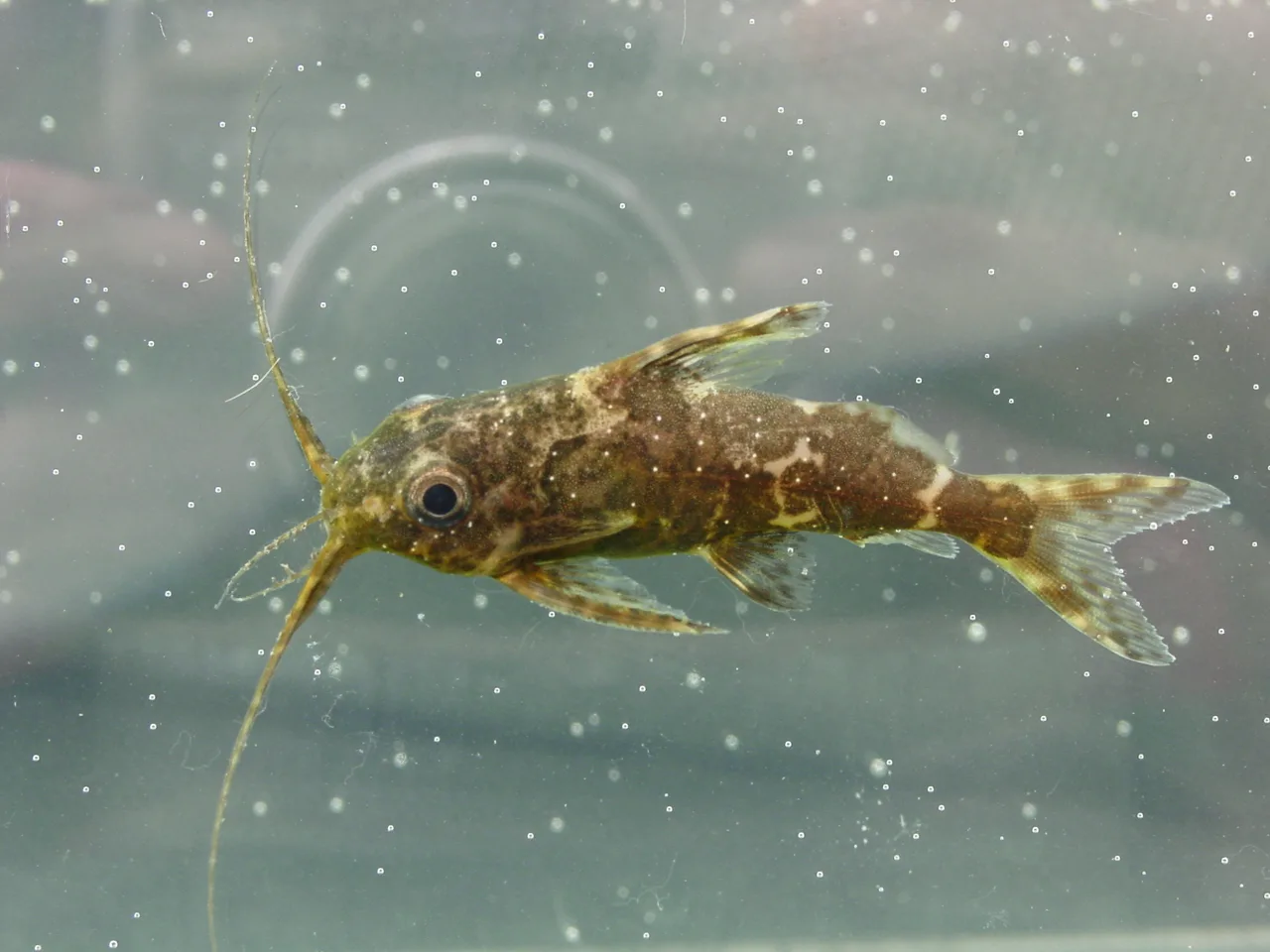
Synodontis nigriventris
A squeaker that swims upside down. Males to 9.6 cm. About 25 °C and pH 6 to 7 are the waters, not the fact sheet.
 Single source
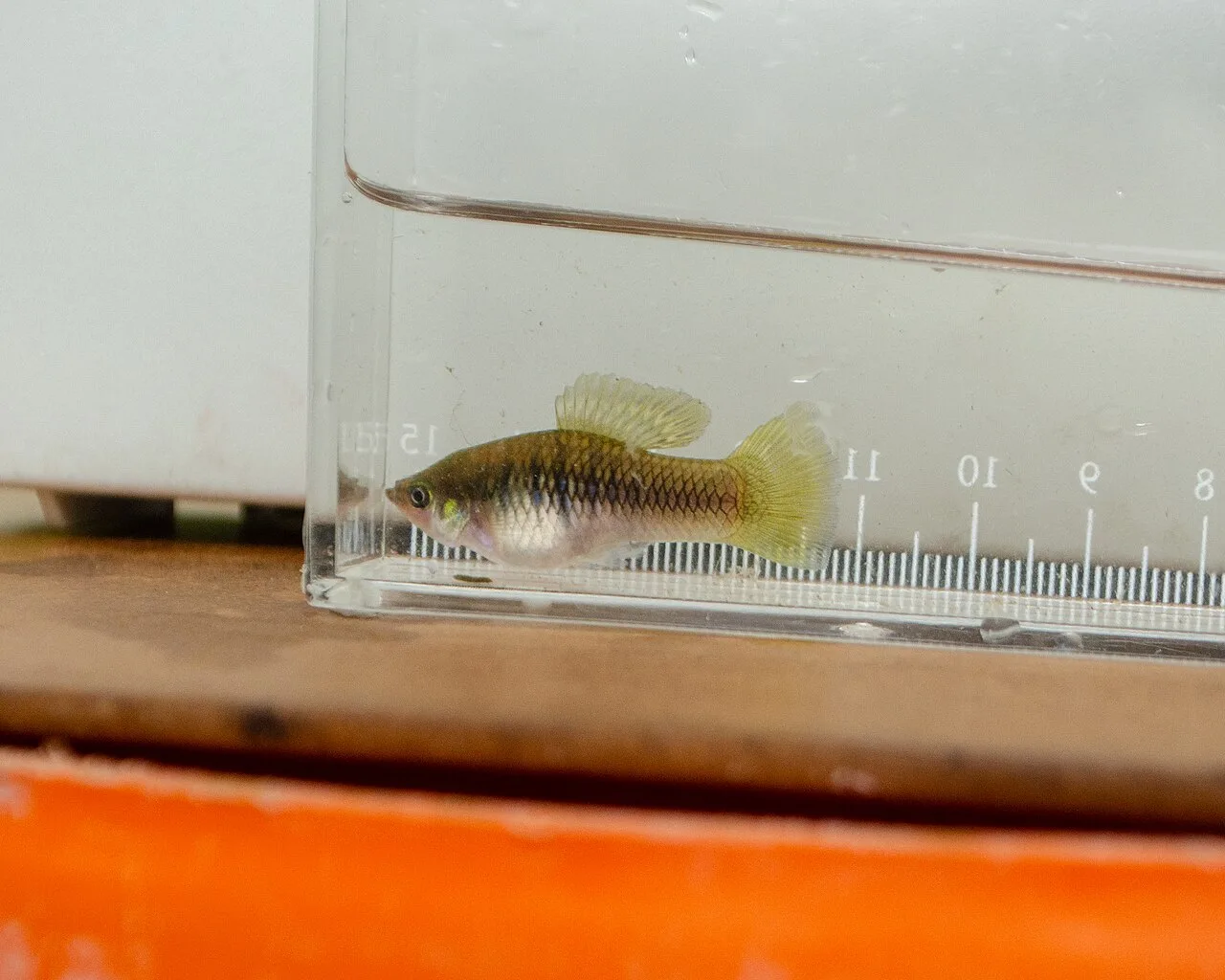
Xiphophorus variatus
A livebearing toothcarp from Atlantic Mexico. Many colourful platies in the trade are this species or mixes that include it.
 Single source
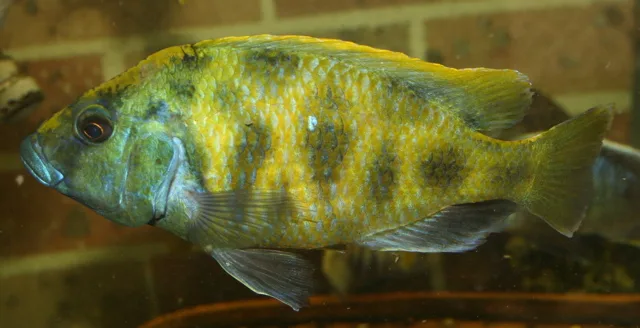
Nimbochromis venustus
A mouthbrooder from Lake Malawi. Haplochromis venustus is the synonym. Females stay smaller than 25 cm.
 Single source
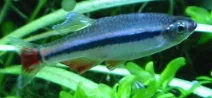
Tanichthys micagemmae
A small schooling fish for cooler tanks, slimmer and more strongly marked than the familiar white cloud.
 Single source
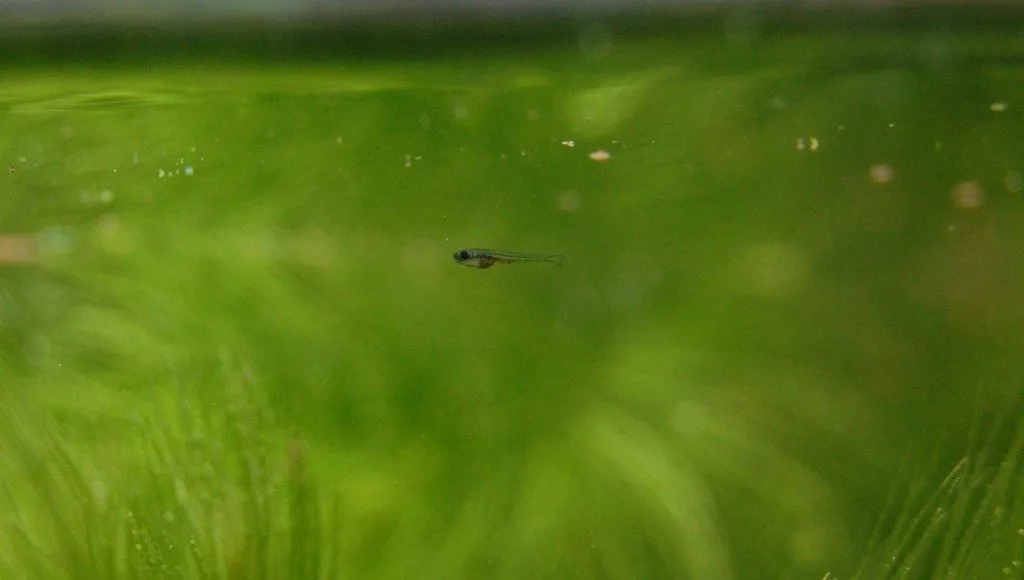
Tanichthys albonubes
A small cyprinid from mountain streams in southern China and northern Vietnam. The article that was read describes cool water and groups of at least ten to twelve fish.
 Single source
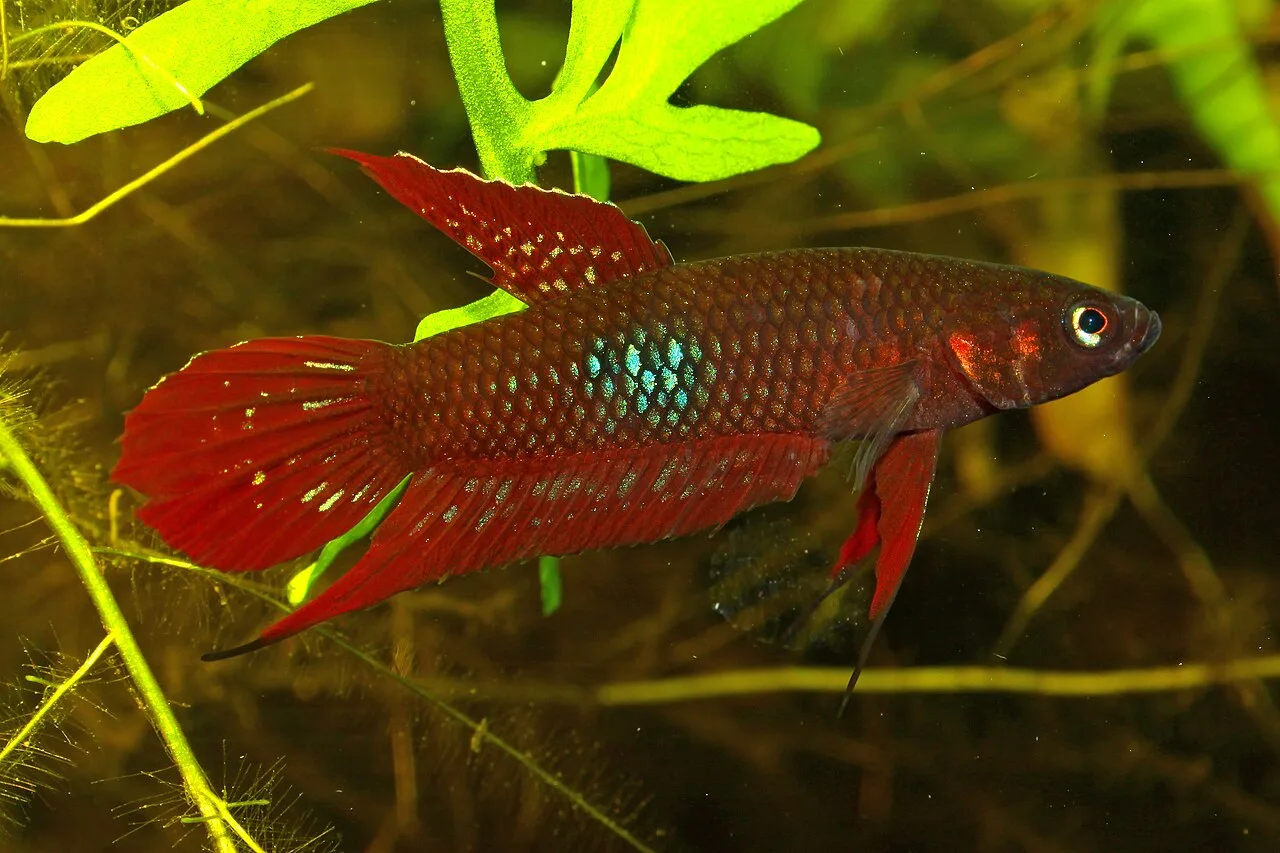
Betta coccina
A small blackwater betta. The males are wine-red. Soft, acidic water and a quiet tank are the keeping, not a veil fight in a glass.
 Single source
Pristella maxillaris
A South American tetra. The article describes its waters as 24 to 28 °C with dense vegetation.
 Single source
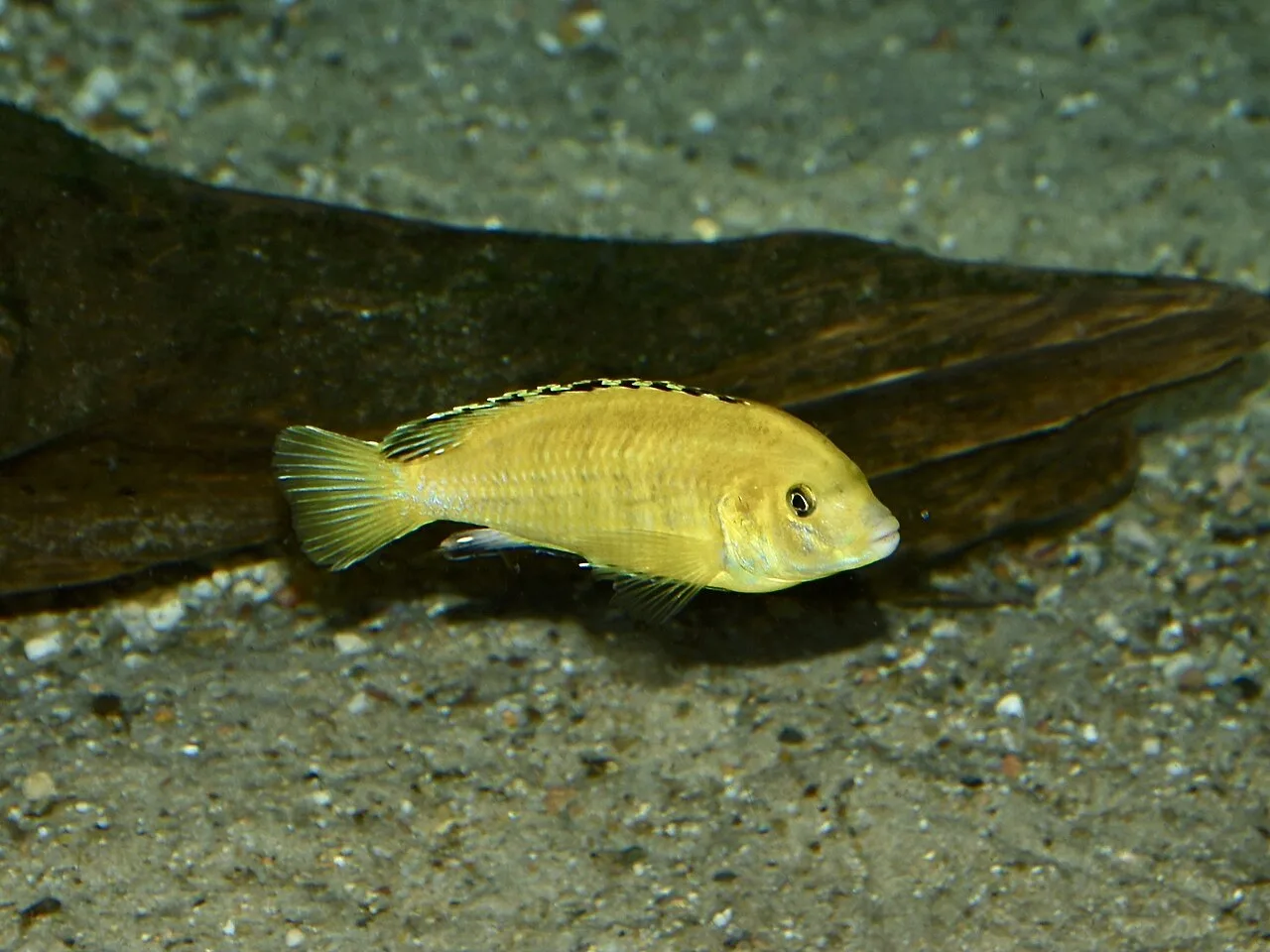
Labidochromis caeruleus
A mouthbrooding mbuna from Lake Malawi. The yellow aquarium form is social as long as the tank is long, the group is right, and no second yellow male claims the same niche.
 Single source
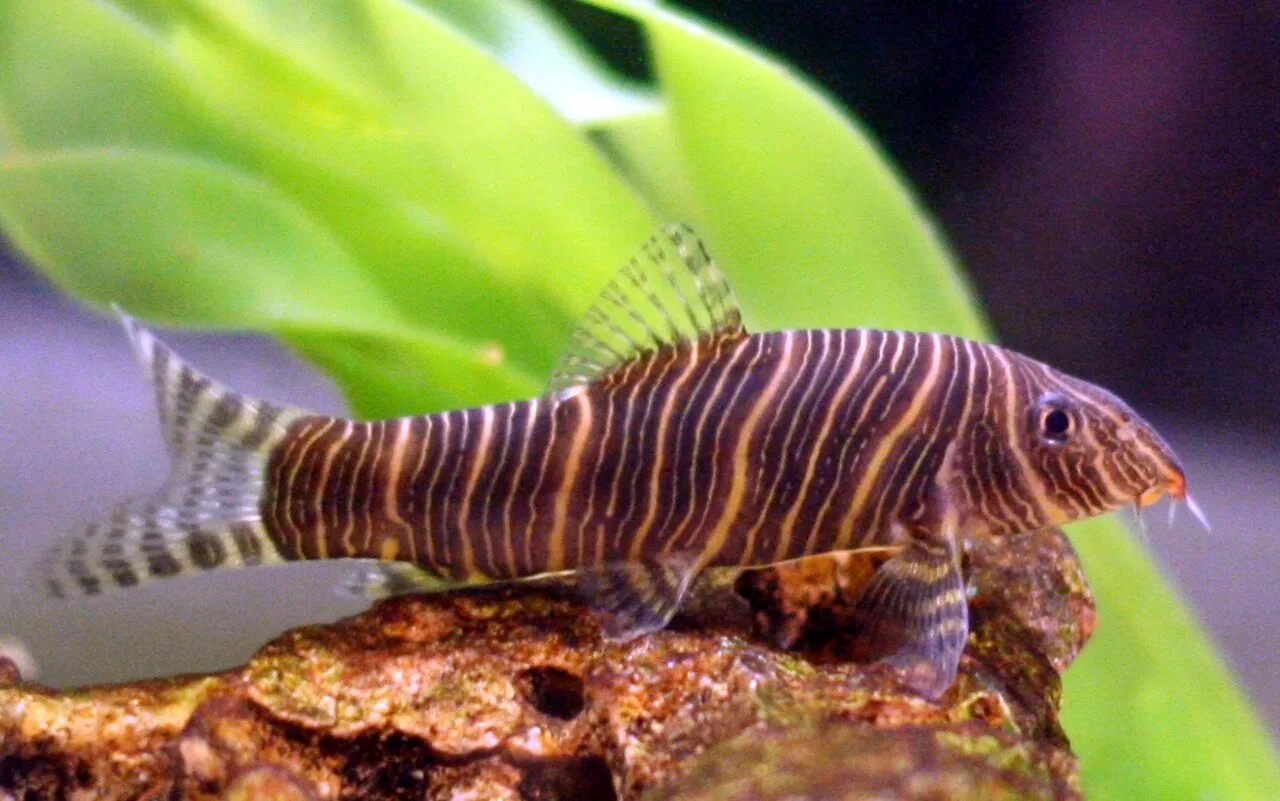
Botia striata
A loach from the Western Ghats, 6 to 8 cm. Not the clown loach Chromobotia macracanthus.
 Single source
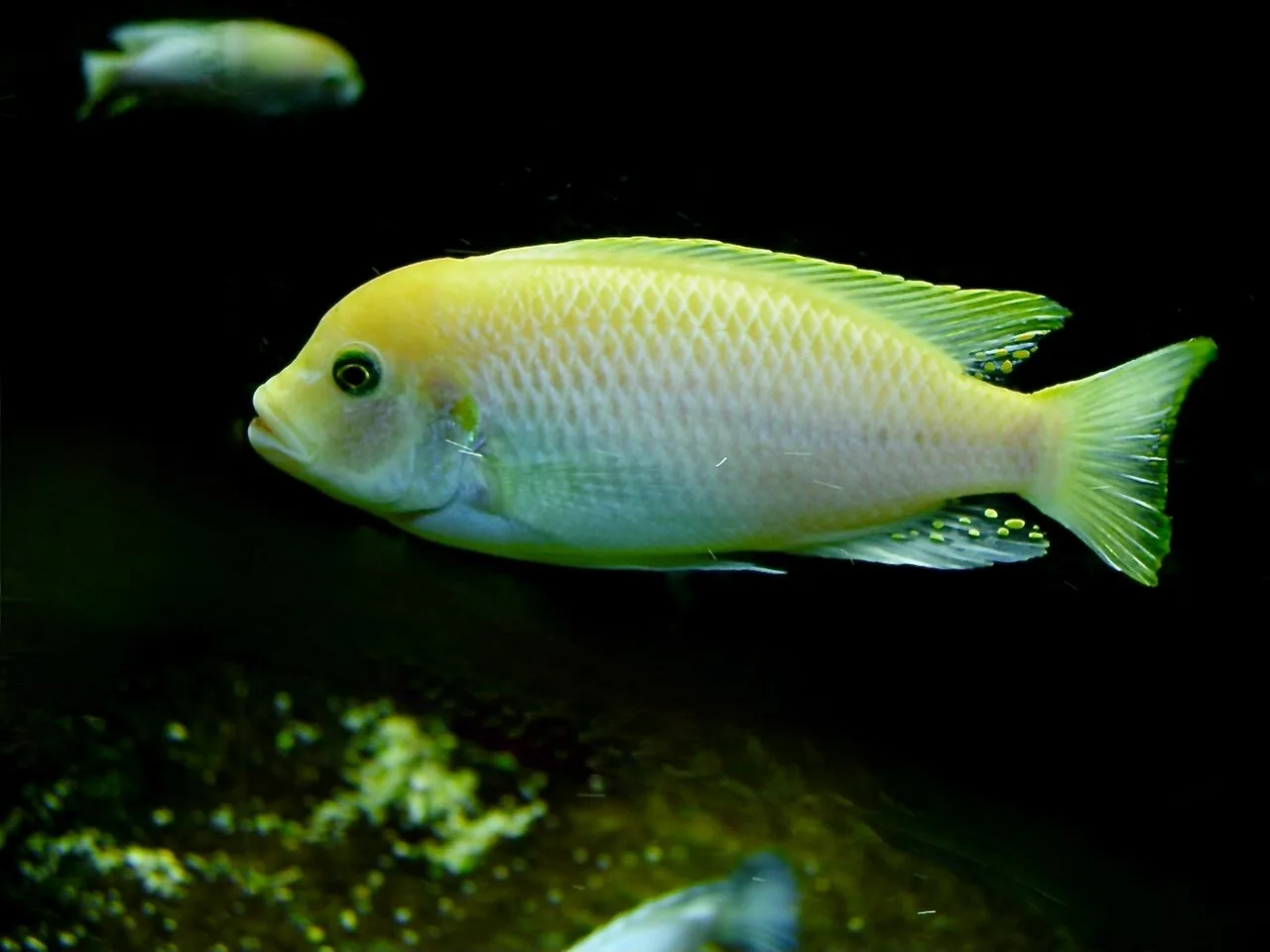
Maylandia zebra
An mbuna from Lake Malawi with vertical bars. It is not the convict cichlid from Central America. It needs rock, hard water and a large group.