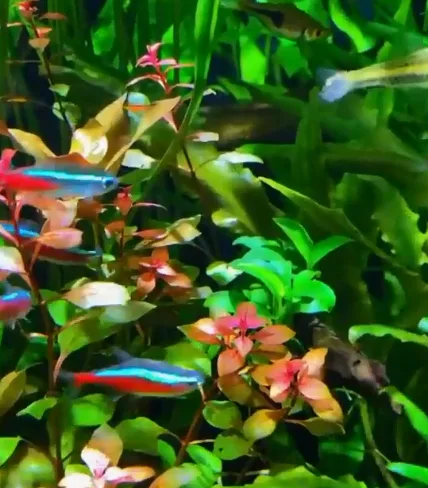
Blue perch
Badis badis
27 views
Not a cichlid. Badis ruber is a separate species, formerly treated as a subspecies.
- Temperature
- 23 – 26 °C
- pH
- 6 – 7 pH
- General hardness
- 5 – 15 °dH
- Maximum size
- 8 cm
- Minimum tank size
- 60 L
2 min read · 280 words
Fresh water
Quick facts
Further published values
- Lifespan
- 2 – 3 a
Place in the aquarium
Highlighted are the water layer and the spots where the species usually stays in the tank.
- Near the bottom Mostly stays just above the bottom. Food has to reach the substrate.
- Dense plants Looks for dense planting as cover, retreat or grazing ground.
- Rocks and caves Needs caves, crevices or rockwork as hiding place, territory or spawning site.
Shrimp in the tank
Dwarf shrimp at risk
- Not shrimp safe
- Dwarf shrimp at risk
- Shrimplets at risk
- Shrimp safe
- Adult dwarf shrimp
- At risk
- Shrimplets
- Get eaten
- Safe from shrimp size
- about 4 cm
The blue perch endangers even adult dwarf shrimp. It grows to 8 cm and is a small predator that hunts worms, insects and crustaceans. Young shrimp are reliably eaten, and adult Neocaridina and Caridina often as well. Larger shrimp such as Amano shrimp from about 4 cm are usually safe.
Dwarf shrimp are better kept in a tank of their own. Living with Amano shrimp works if there are enough hiding places among roots and plants and the blue perch gets regular live or frozen food.
Home & range
Hatched countries are where the species occurs. It lives in particular waters there, not across the whole country. The points name known waters for orientation, not collection sites.
- Country of origin
- Water for orientation
Native
Overview
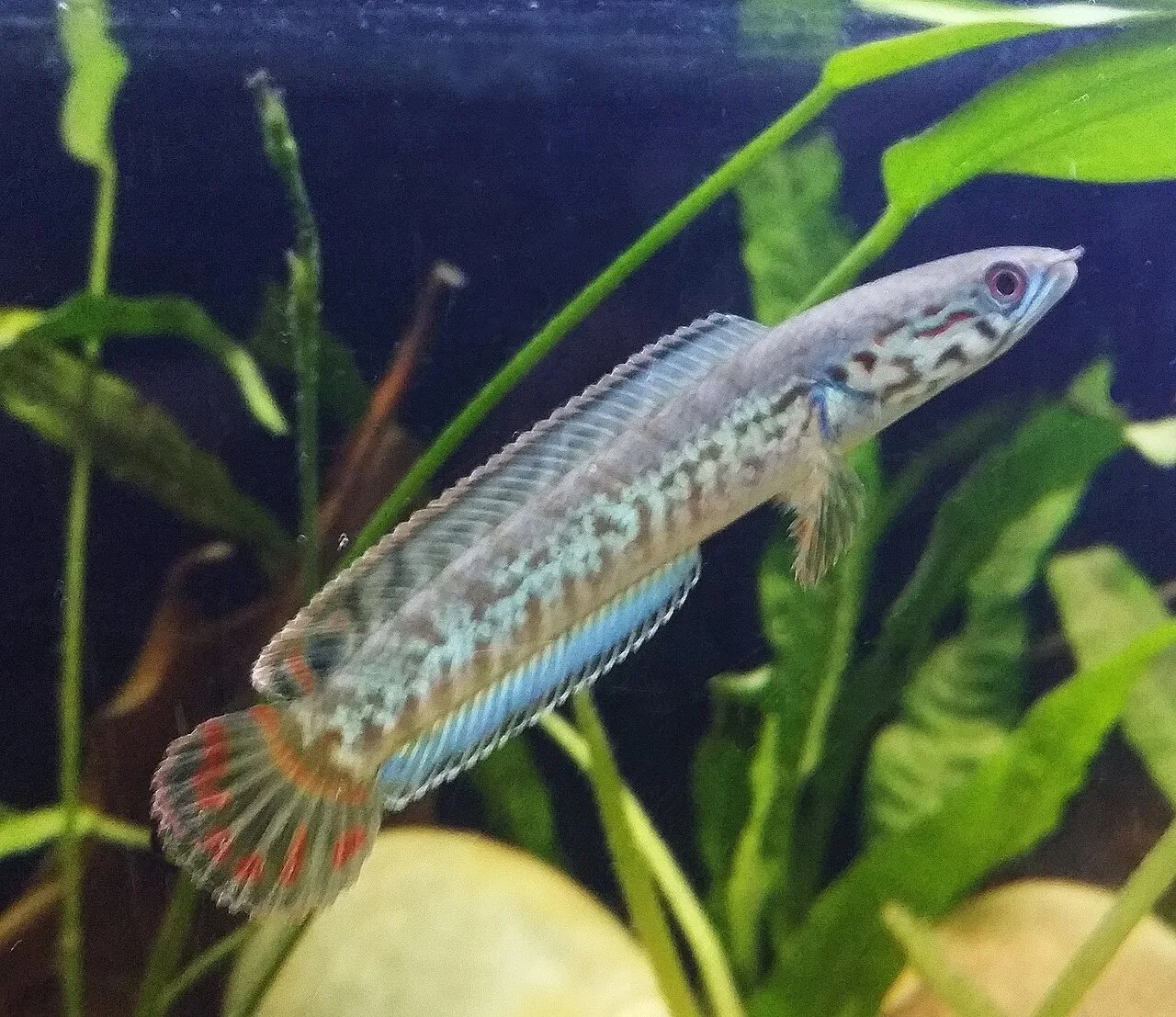
Up to 8 cm. Reddish brown with red and blue spots, a black spot above the pectoral base, further dark spots on the dorsal fin.
Features and sexes
The dorsal fin has 15 to 17 hard and 7 to 10 soft rays, the anal fin six to eight soft rays. Males are larger and more colourful, especially when excited. Adult males have blue fins and may show dark vertical bands on the flanks, while females show little colour. Several similar relatives that are now separate Badis species were formerly confused with the blue perch.
Taxonomy
Francis Buchanan-Hamilton described the species in 1822 as Labrus badis. The genera Badis and Dario were long placed with the leaffishes (Nandidae); today they form the separate family Badidae, counted within the Anabantiformes. The form burmanicus, formerly treated as a subspecies, is now the separate species Badis ruber. A revision by Kullander and Britz in 2002 reorganised the genus. In English the species is called blue perch or blue badis.
Origin & habitat
This describes the origin, not how to furnish the aquarium.
The Ganges and tributaries in India, Nepal and Bangladesh, plus the Mahanadi, the Assam lowlands, Pakistan and Bhutan. The five countries stay coarse.
The species lives in northern India, eastern Pakistan, Bangladesh, Bhutan and Nepal, in the Ganges, Brahmaputra, Mahanadi and Indus basins. It lives in ponds, rivers, ditches and swamps. The IUCN lists the species as least concern.
Diet
Worms, insects and crustaceans. It stays mostly in open water.
The blue perch is a small predator of tiny invertebrates.
Reproduction
30 to 100 eggs after a dance, in nests that the adults guard.
After pairing the fish perform a conspicuous dance. The adults guard the nest with the clutch. The blue perch is occasionally kept as an aquarium fish and used in behavioural experiments.
Gallery
More species in this group
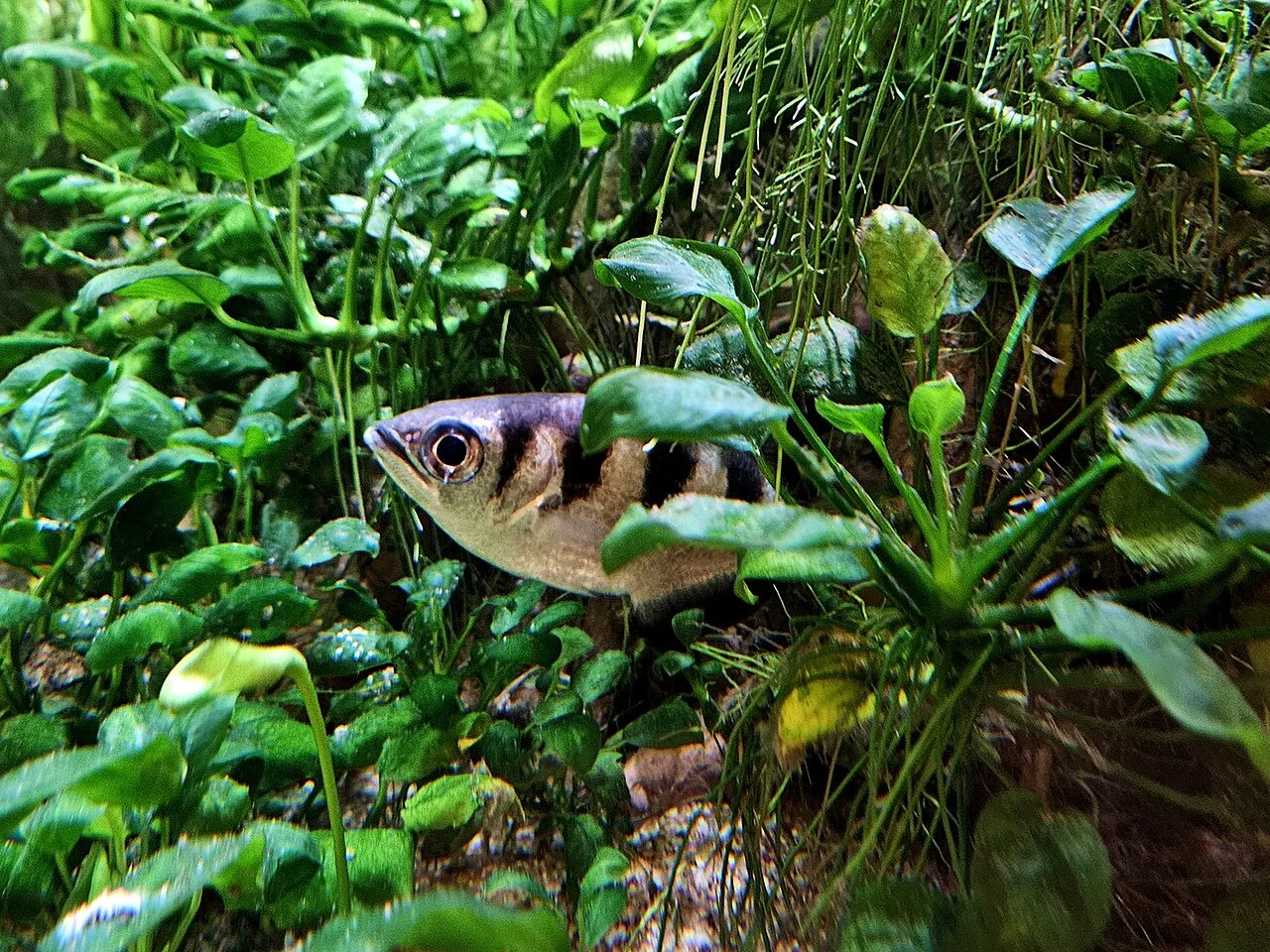
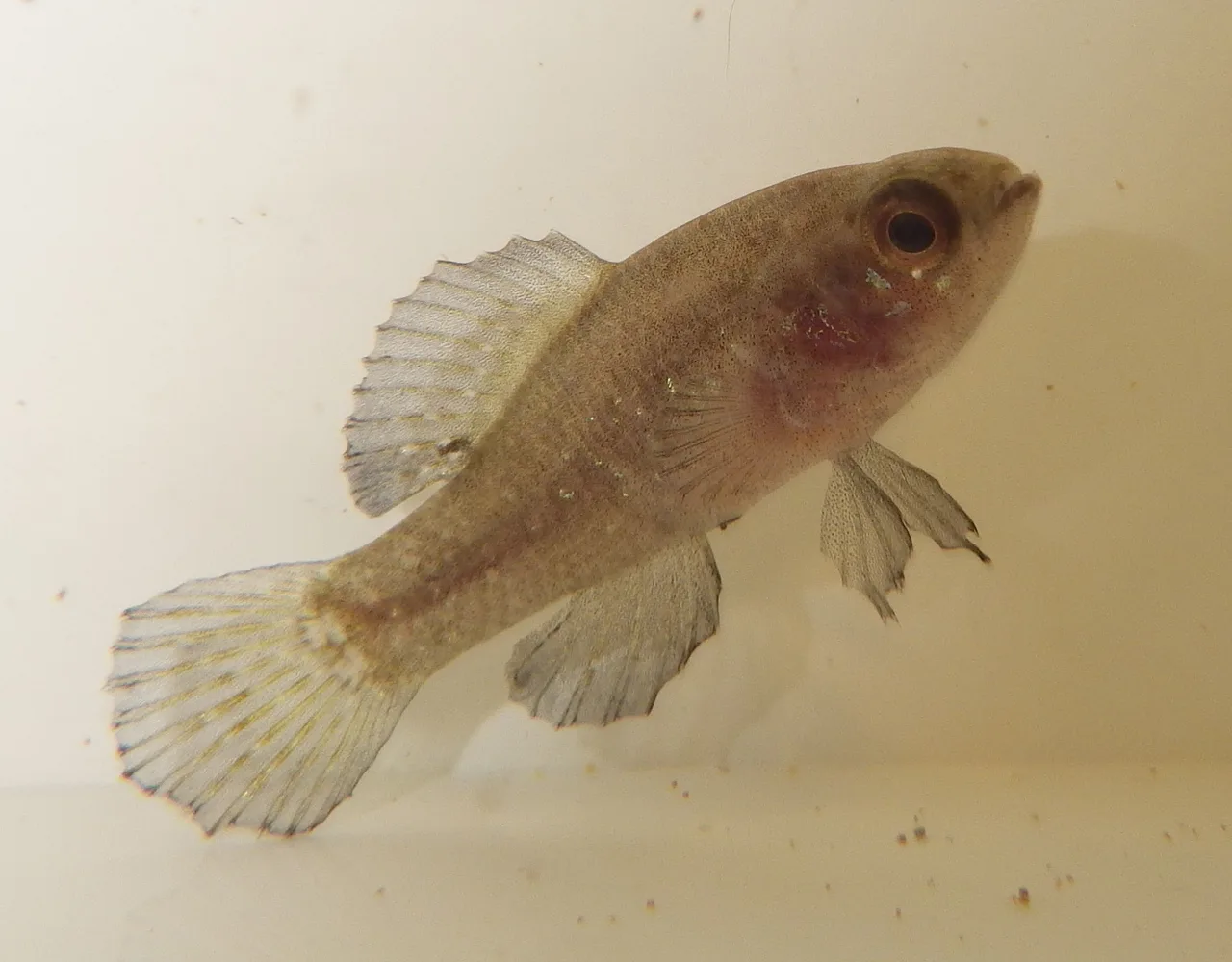

Similar water needs
Species with a similar temperature, a similar pH and a comparable adult size. Whether their behaviour fits as well is what the compatibility check is for.