Clown knifefish
Chitala ornata
16 views
The largest Old World knifefish, to 1 m and up to 4.95 kg. Not a home-aquarium fish.
- Temperature
- 24 – 28 °C
- pH
- 6 – 7.5 pH
- General hardness
- 5 – 15 °dH
- Maximum size
- 100 cm
- Minimum tank size
- 1500 L
3 min read · 478 words
Fresh water
Quick facts
Place in the aquarium
Highlighted are the water layer and the spots where the species usually stays in the tank.
- Middle water Usually stays in the middle of the tank, between bottom and surface.
- Open swimming space Needs an open area without plants or decor to swim at length. Tank length matters more than height.
Shrimp in the tank
Not shrimp safe
- Not shrimp safe
- Dwarf shrimp at risk
- Shrimplets at risk
- Shrimp safe
- Adult dwarf shrimp
- At risk
- Shrimplets
- Get eaten
- Safe from shrimp size
- No size is safe
The clown knifefish eats shrimp. It grows up to 1 m, has a large mouth and at dusk and at night hunts bony fish, worms, molluscs, crustaceans and insects. Even fairly large prey is swallowed whole. Crustaceans are explicitly part of its diet.
Because it hunts constantly at night and rests among plants and roots by day, it finds hidden animals as well. No shrimp species is safe from a predator of this size. Shrimp do not belong in its tank, not even in hiding places.
Home & range
Hatched countries are where the species occurs. It lives in particular waters there, not across the whole country. The points name known waters for orientation, not collection sites.
- Country of origin
- Introduced
- Water for orientation
Native
Introduced
Overview
Strongly flattened, no pelvic fins, a small dorsal, the anal fin joined to the tail. Adults silver, with black-and-white spots on the lower half. Young fish have a different spot pattern. The name comes from that pattern, not from a price.
Body
John Edward Gray described the species in 1831. It is the largest member of the Old World knifefishes (Notopteridae) and weighs up to 4.95 kg. Juveniles are sometimes sold as striped knifefish. The head is relatively small, the mouth large. Behind the head the back rises steeply and then slopes down to the small caudal fin. The small, flag-shaped dorsal fin sits about mid-back. The anus lies far forward, and the very long anal fin merges with the caudal fin into a fin fringe. All fins except the anal and pectoral fins are strongly reduced.
The spots of adults are black dots to round spots with a white rim. Juveniles show a diffuse black cross-barring instead. As they grow, the bars turn into spots, which may be fused at first. The pattern is very variable.
Similar species
Chitala chitala has silvery to golden cross stripes on the upper body. Chitala blanci and Chitala lopis have a basal spot in the chest region.
Origin & habitat
This describes the origin, not how to furnish the aquarium.
Medium to large rivers, including the Chao Phraya, Mekong and Tonle Sap, plus floodplains from June to October and lakes. Indonesia, Cambodia, Laos, Thailand and Vietnam stay coarse. Singapore is an introduction.
By day the fish hides among plants and roots.
Care
Keeping
Juveniles are occasionally sold. Because of its possible size and fast growth the species needs a very spacious tank. Subdued light, also through floating plants, encourages daytime activity. The tank should offer hiding places of dense planting, roots and stone structures and still leave enough open swimming space. The fish can be trained to take prepared food and finely cut meat. Only large fish are suitable tankmates, smaller ones count as prey. Very aggressive individuals have to be kept alone. The species first reached Germany in 1934.
Diet
The clown knifefish is a predator. It hunts bottom-dwelling and free-swimming prey: bony fish, worms, molluscs, crustaceans and insects. Even fairly large prey is swallowed whole. It is found by sight and smell.
Behavior
The species is active mainly at dusk and at night and hunts constantly then. By day it rests motionless among plants and roots. With its undulating anal fin it can also swim backwards. Juveniles move in loose schools. Adults are intolerant and territorial towards their own kind and often aggressive towards other species too.
Reproduction
An angling and food fish in Southeast Asia.
The species spawns from March to July. The eggs are attached to plants or firm substrate and fertilised outside the body. The male guards and fans them and also tends the young for some days; they hatch after 6 to 7 days. This is called a father family.
Gallery
More species in this group
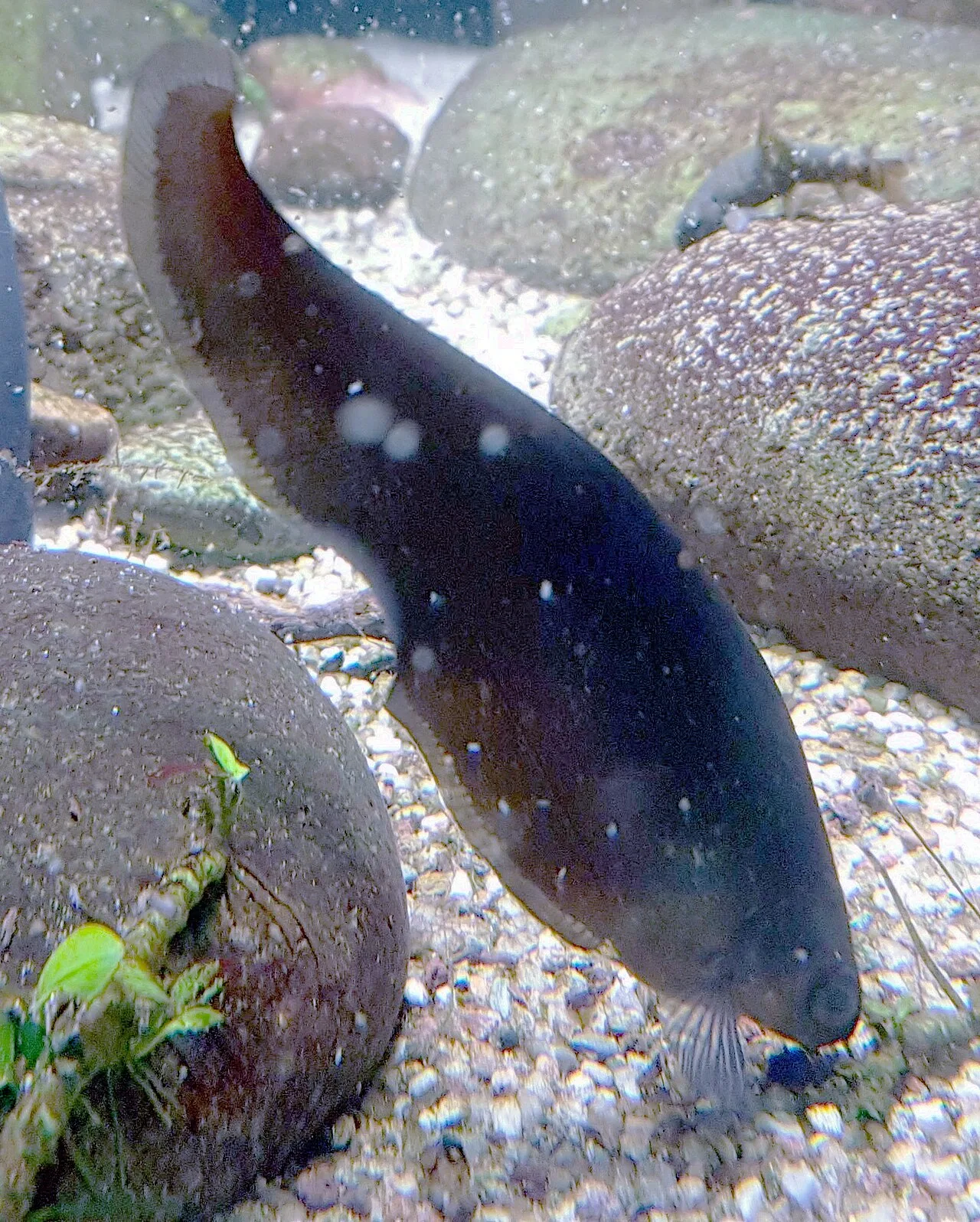
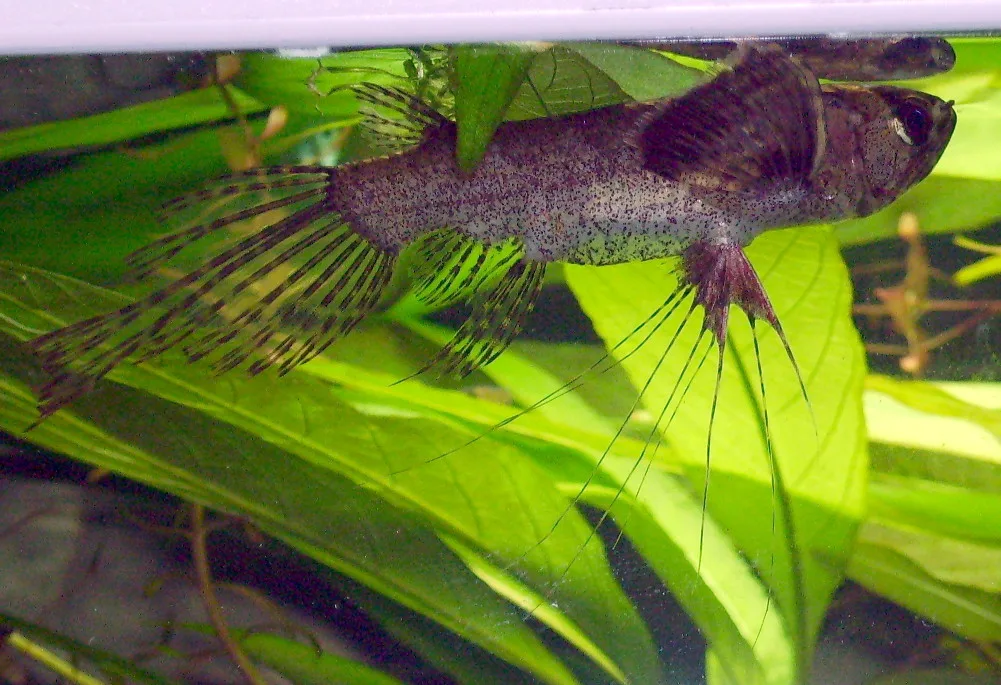
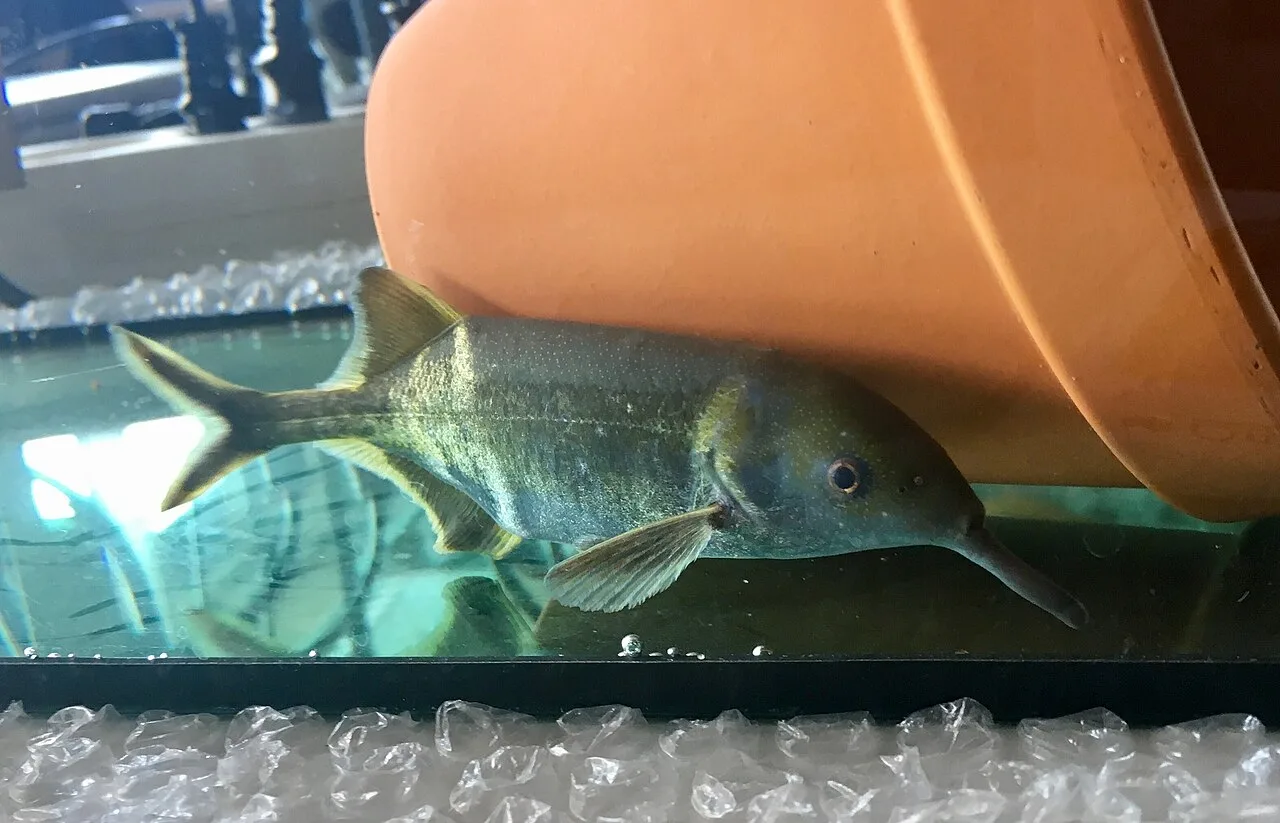
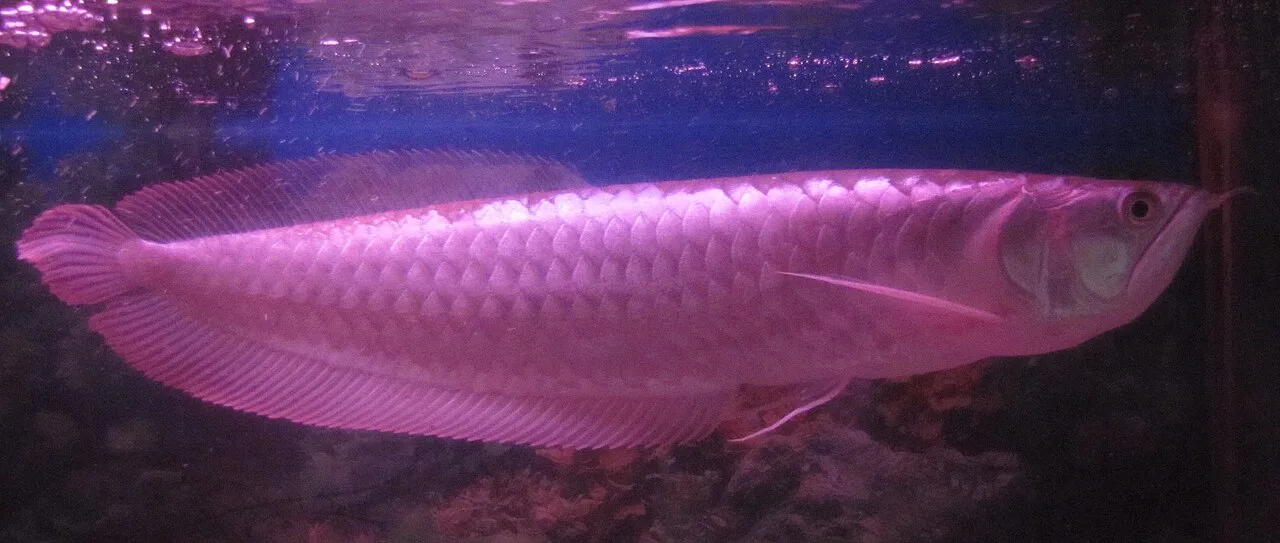
Similar water needs
Species with a similar temperature, a similar pH and a comparable adult size. Whether their behaviour fits as well is what the compatibility check is for.