Zebra oto
Otocinclus cocama
21 views
A small suckermouth catfish with strong longitudinal stripes. It eats aufwuchs and starves in a new tank without a film.
- Temperature
- 23 – 27 °C
- pH
- 6 – 7.5 pH
- General hardness
- 2 – 12 °dH
- Maximum size
- 5 cm
- Minimum group size
- 6
- Minimum tank size
- 60 L
4 min read · 516 words
Fresh water
Quick facts
Place in the aquarium
Highlighted are the water layer and the spots where the species usually stays in the tank.
- Dense plants Looks for dense planting as cover, retreat or grazing ground.
- Wood and roots Uses roots as shelter or grazes biofilm from them.
Shrimp in the tank
Shrimp safe
- Not shrimp safe
- Dwarf shrimp at risk
- Shrimplets at risk
- Shrimp safe
- Adult dwarf shrimp
- Safe
- Shrimplets
- Mostly safe
- Safe from shrimp size
- Any size
The zebra oto is shrimp-safe. This small suckermouth catfish reaches about 4.4 cm standard length and has a sucker mouth with which it grazes growth from leaves, wood and glass. It does not hunt animals, and juvenile shrimp are left alone too.
Shrimp and otos use the same surfaces and the same food. For both to stay fed, the tank needs an established biofilm and extra plant-based food. Dwarf shrimp of any kind fit, as long as the water suits both.
Home & range
Hatched countries are where the species occurs. It lives in particular waters there, not across the whole country. The points name known waters for orientation, not collection sites.
- Country of origin
- Water for orientation
Native
Overview
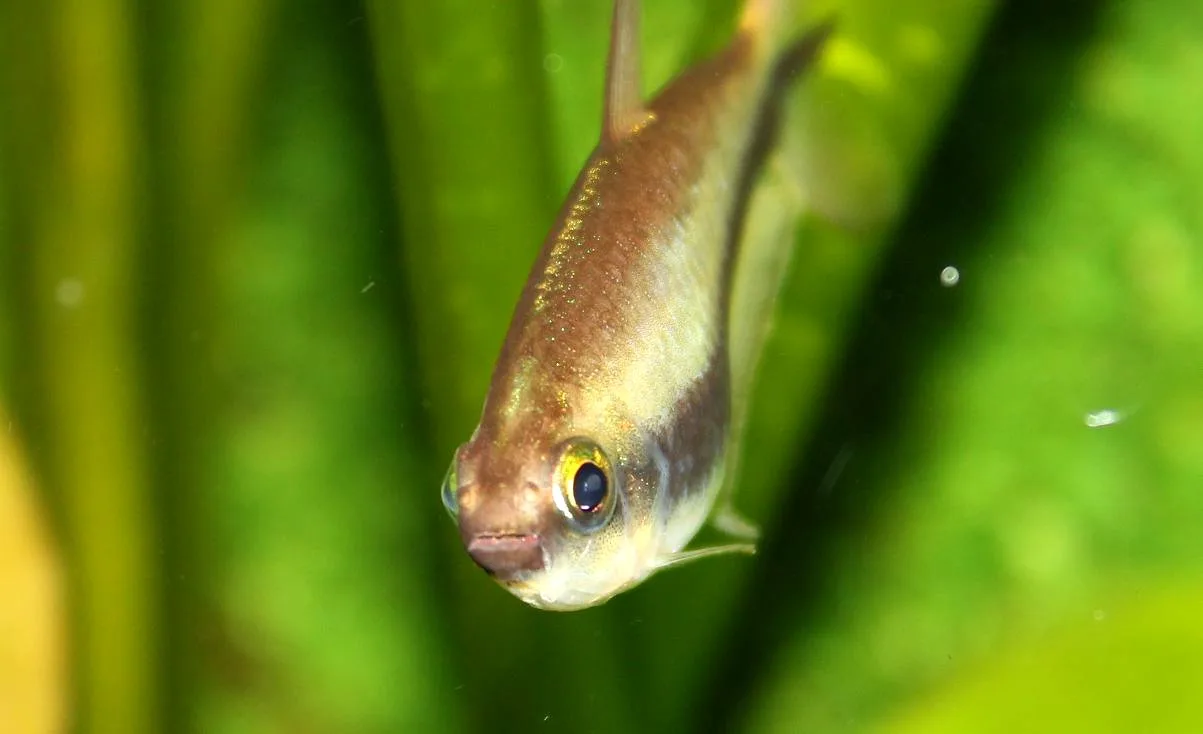
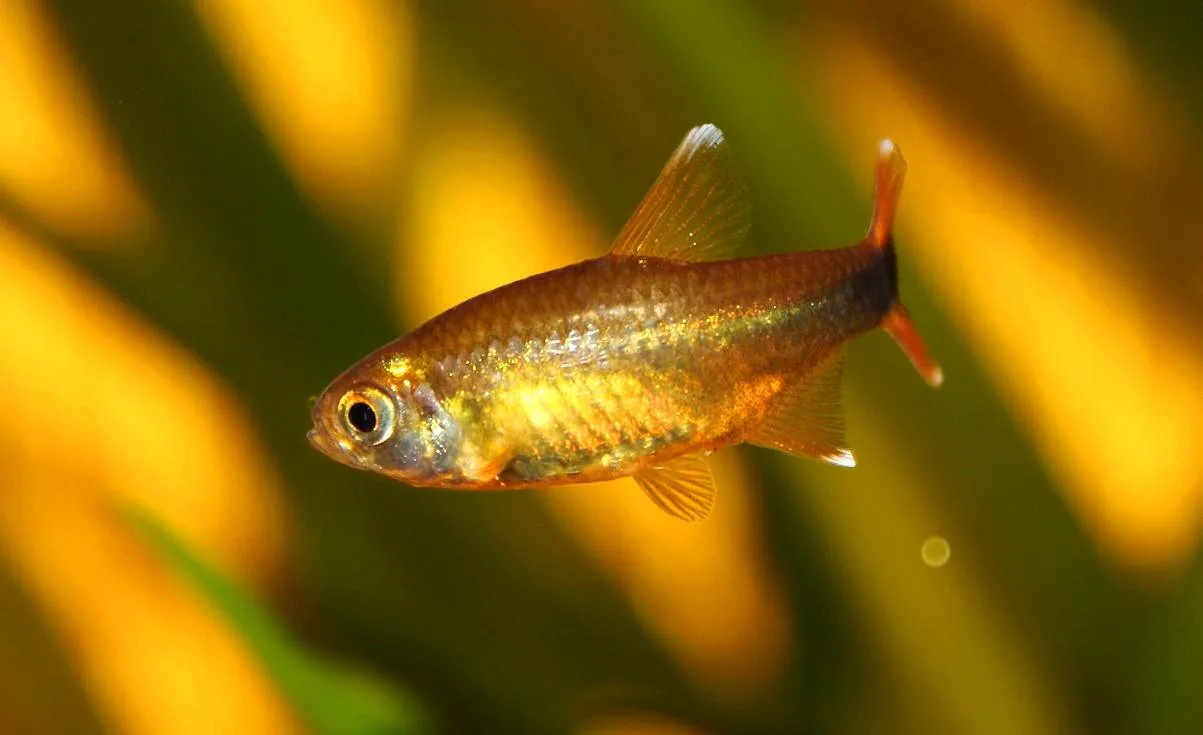
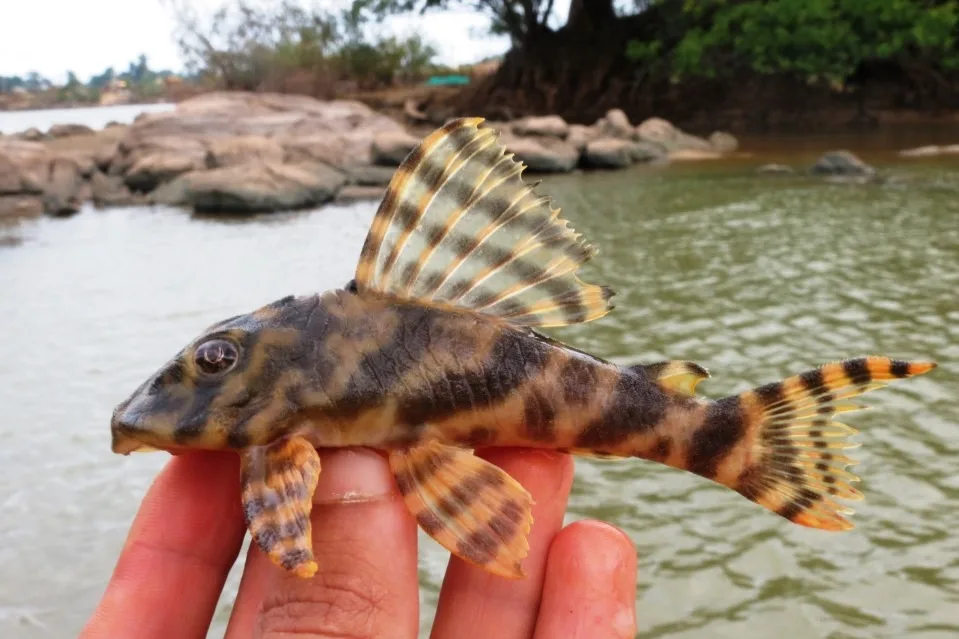
Otocinclus cocama reaches about 4 to 5 cm. Pale and dark bands run into the tail and separate it from the plainer Otocinclus vittatus. The body is slender, the sucker mouth small. The species is active by day and stands on the glass, on leaves and on wood.
It is not an algae destroyer for a newly set, algal tank. Without existing aufwuchs and without targeted food the belly sinks, often before anyone misses the fish.
Description
Roberto Reis described the species in 2004 from a tributary of the Río Ucayali in Peru. In English it is called zebra or tiger oto. The vertical stripe-like blotches and the complete lateral line separate it from all other Otocinclus. It has the most teeth of any Otocinclus species. It shares the W mark on the caudal fin only with O. batmani, its closest relative. The species reaches about 4.4 cm standard length, and males stay smaller.
Origin & habitat
This describes the origin, not how to furnish the aquarium.
Clearwater tributaries of the lower Ucayali in Peru. Aufwuchs on plants and wood, oxygen-rich water. Peru stays the coarse origin. The small area is a reason to keep captive-bred fish where they exist, and not to burn the animals up as mass cleaners.
Only the type locality is known for certain, Yanayacu Creek near Jenaro Herrera in Loreto Region. The species may be more widespread in the Ucayali and Marañón basins. It keeps to the marginal vegetation.
Care
Water
23 to 27 °C, pH 6 to 7.5, rich in oxygen, with some current, but without a hard jet on the only resting place. From about 60 litres for a group from six, in a tank that already has an algal film or a grown biofilm. Wood, large leaves, fine sand.
Company
Calm fish. Large cichlids that uproot plants, and hectic barbs, stress them. Further suckermouths only if each has a surface. The species does not dig and leaves tough plants alone, but it grazes the film from the leaves.
Diet
Aufwuchs and a plant supplement. Thin blanched vegetable strips, spirulina as a fine food, the film on glass and leaf. Large tablets do not fit the mouth. If the panes are wiped clean, the food has to close the gap the same day.
Several small feeds. A single spinach leaf is held by the leading fish.
Behavior
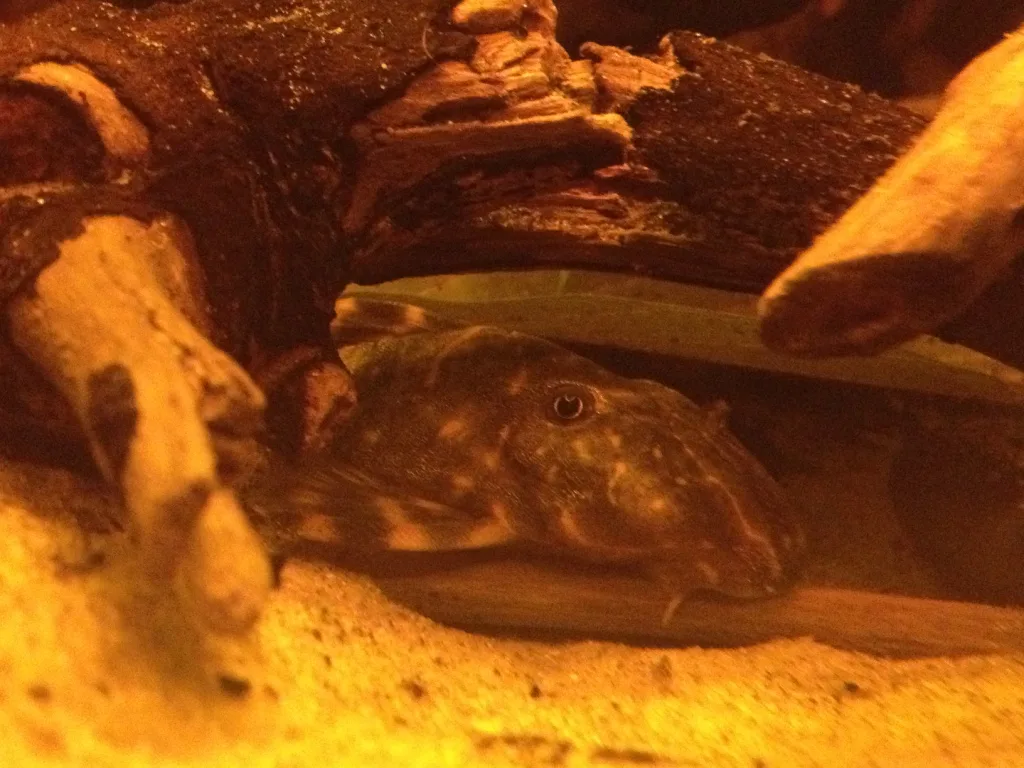
A group. Single fish become shy and feed worse. They stand visible by day if they feel safe, and change surface, instead of disappearing into the wood like an Ancistrus.
The species travels badly. After introduction they can stand on the same pane for days. As long as the belly does not sink, that is not a reason to move them again.
Reproduction
Breeding in the aquarium rarely succeeds and is not everyday keeping. The fish spawn on surfaces. The males can guard a clutch. For care, the fed group in a mature tank is what counts.
Threat
Since 2016 the IUCN has listed the species as endangered, because of its small range and overexploitation for the aquarium trade. The population is declining, and it is protected nowhere. It has been in the trade since the early 1990s and is bred in larger numbers in Asia.
Gallery
More species in this group


Similar water needs
Species with a similar temperature, a similar pH and a comparable adult size. Whether their behaviour fits as well is what the compatibility check is for.